Medical Information Notice: The content on this website is for educational and informational purposes only. It does not constitute medical advice, diagnosis, or treatment. Individual clinical decisions require assessment by a qualified healthcare provider. Always consult your physician before starting, stopping, or adjusting any prescription medication.
Evidence-based clinical care across the spectrum of metabolic medicine — GLP-1/GIP therapies, type 2 diabetes, fatty liver, cholesterol, hypertension and more. Every patient is seen, assessed, and followed by our specialist clinicians.
GlantHealth Metabolic Medicine is a dedicated subsidiary of GlantHealth, focused exclusively on evidence-based obesity and metabolic medicine.
🩺
Every patient is seen, assessed, and followed by our clinicians — not delegated to an algorithm.
Clinical Focus Areas
What We Treat at GlantHealth Metabolic Medicine
Our clinic focuses on the interconnected drivers of metabolic disease. Tap any area below to explore. New focus areas are being added — content marked Coming Soon is in active development.
Comprehensive, evidence-based information on semaglutide and tirzepatide for obesity and metabolic management — covering mechanism, dosing, safety, lifestyle, nutrition, exercise, follow-up, and patient services.
Part1of 6
Understanding GLP Therapy
What these medicines are, how they work, and how they compare.
Obesity Treatment
Both agents improve obesity, type 2 diabetes, and dyslipidemia outcomes.
Long-Term Therapy
Obesity is a lifelong condition requiring sustained, individualized management strategies.
CV & CKD Benefit
Semaglutide approved for cardiovascular risk reduction and chronic kidney disease.
Sleep Apnea
Tirzepatide is the first medication approved in Canada for moderate-to-severe obstructive sleep apnea in adults with obesity.
📖
Background & Context · How We Got Here
Why GLP-1 Medications Matter
A short history of how these medicines came to be — and why they have changed the conversation around obesity and metabolic disease.
📅 The evolution of GLP-1 receptor agonists
GLP-1 receptor agonists (GLP-1RA) were first marketed for type 2 diabetes — initially at lower doses given as daily subcutaneous injections. Over time the science matured into weekly injections, and finally into higher-dose formulations specifically approved for the treatment of obesity. The effect of GLP-1RA on weight loss is dose-dependent — more medication, within tested limits, generally produces more weight loss.
1
First generation
Daily injection · T2D
Lower-dose daily subcutaneous GLP-1 for glucose control in type 2 diabetes (e.g., exenatide, liraglutide).
2
Second generation
Weekly injection · T2D
Once-weekly formulations (semaglutide, dulaglutide) brought stronger, smoother glucose and weight effects with far less injection burden.
3
Current generation
Higher-dose · Obesity indication
Larger weekly doses (Wegovy® 2.4 mg semaglutide, Zepbound® / Mounjaro® up to 15 mg tirzepatide) approved specifically for the treatment of obesity — with dose-dependent weight loss.
⚖️ Why traditional weight-loss approaches often fall short
Traditional weight-loss strategies — lifestyle and behavioural interventions alone — typically produce only limited weight loss and, more importantly, struggle to maintain a clinically relevant weight loss over time. This is not a failure of willpower; it is the predictable result of obesity's biology — the body actively defends a higher weight through hormonal, neural, and metabolic adaptations after every attempt at weight loss.
🥗
Lifestyle alone
Typical sustained weight loss: 3–5% at 1 year, even less at 3–5 years. Helpful for health but rarely enough on its own for clinically significant obesity.
🔄
The biology of regain
Appetite hormones (ghrelin ↑, leptin ↓, GLP-1 ↓) and resting energy expenditure shift to drive weight back up — for years after the original loss.
💉
Where GLP-1s change the picture
GLP-1RA counter that biology directly — calming appetite, slowing gastric emptying, and re-setting reward signals — so lifestyle change can finally stick.
Bottom line: GLP-1 medications are not a replacement for healthy eating, activity, and sleep — they are a tool that finally lets those changes hold. The lifestyle work still does most of the long-term heavy lifting; the medication makes the work possible.
🏅
Clinically tried and tested
Originally approved for type 2 diabetes two decades ago, these medications have a long, well-studied safety and effectiveness record. Studies show they improve not just blood sugar, but also heart health and liver function.
🩸
Blood sugar
Lower, steadier glucose and improved long-term control.
❤️
Heart health
Reduced cardiovascular risk in large clinical trials.
🫀
Liver function
Improvements in fatty-liver markers and liver health.
28 million
Global studies suggest that expanding access to these medications could save an estimated 28 million lives in the coming years by tackling obesity and diabetes.
Therapeutic Agents
GLP-Based Medications We Prescribe
Our clinic prescribes two leading Health Canada–approved incretin-based therapies, individually tailored to your clinical profile.
GLP-1 Receptor Agonist
Semaglutide
Wegovy® / Ozempic®
~15%Average weight loss
ObesityT2 DiabetesCV Risk ReductionCKD
FDA-approved up to 2.4 mg weekly
Once-weekly subcutaneous injection
Improves glycemic control and dyslipidemia
Start dose: 0.25 mg weekly, titrate monthly
Titration Schedule
0.25mg
→
0.5mg
→
1.0mg
→
1.7mg
→
2.4mg
Monthly dose escalation based on tolerance
Dual GLP-1 / GIP Receptor Agonist
Tirzepatide
Zepbound® / Mounjaro®
~21%Average weight loss
ObesityT2 DiabetesDyslipidemiaSleep Apnea
FDA-approved up to 15 mg weekly
Once-weekly subcutaneous injection
Superior weight loss vs. GLP-1 monotherapy
Start dose: 2.5 mg weekly, titrate monthly
Titration Schedule
2.5mg
→
5mg
→
7.5mg
→
10mg
→
12.5mg
→
15mg
Monthly dose escalation based on tolerance
🇨🇦 Health Canada update
First generic semaglutide approved for weight management in Canada
Health Canada has approved the first generic version of semaglutide injection for chronic weight management in adults — the same active medicine as the brand Wegovy®. Over time, generic options like this can widen access and help lower the cost of treatment.
🖊️
Supplied as a multi-use pre-filled pen
💧
Delivers 1 mg doses (4 mg per pen; 1.34 mg/mL)
📋
Follows an earlier generic semaglutide approval for type 2 diabetes
📌 Quick facts
🌍 Canada was the first G7 country to approve a generic semaglutide (April 2026).
🔢 It's among the first generic semaglutides cleared by Health Canada.
💰 In Canada, generic medicines are often 45–90% cheaper than the brand-name version.
⏱️ Health Canada's review timelines for generics are often shorter than those of many other countries.
Please note: we share this for general information only and don't endorse any specific brand or manufacturer. Whether a generic is right for you — and when it becomes available in pharmacies — is best discussed with your clinician.
Everything you need to inject confidently, stay safe, and manage common side effects. Same molecule is sold as Zepbound® for chronic weight management — the pen and technique are identical.
💉 Administration & dosing
⏰
Timing
Any time of day, with or without food. Pick a weekday that suits your routine and stick to it.
💊
Maximum dose
15 mg subcutaneous injection, once weekly.
📍
Injection sites
Abdomen (at least 5 cm from the belly button), thigh, or back of the upper arm.
🔄
Site rotation
Rotate every week. Even within the same area, don't use the exact same spot two weeks in a row — reduces lipodystrophy & local reactions.
🗺️ Where to inject
Approved injection zones
Avoid (≥ 5 cm from belly button)
🖋️ How to use the Mounjaro KwikPen® — step by step
1
Get ready
Wash hands with soap and water.
Check the label — confirm the name and dose strength match your prescription.
Make sure the medicine is not frozen, not cloudy, no particles. Should be colourless to slightly yellow.
2
Prepare the KwikPen
Wipe the red inner seal with an alcohol swab.
Always use a new needle for each injection — twist it on until snug.
Pull off the outer needle shield (keep it) and remove the inner shield (throw away).
3
Prime before each weekly dose
Slowly turn the dose knob until you hear two clicks and the line aligns with the dose indicator.
Hold the pen needle-up, tap to collect air bubbles.
Push the knob in until it stops and the 0 shows. Count to 5. A small amount of medicine should appear at the needle tip.
No medicine? Repeat priming up to 2 more times; if still nothing, change the needle and try once more.
4
Dial to your dose
Turn the dose knob until it stops and the full dose is shown in the dose window.
5
Inject
Insert the needle into your skin at the chosen site.
Push the dose knob in slowly and count to 5 after you see the 0 before pulling the needle out.
If the 0 doesn't appear, do not start over — contact the manufacturer's support line.
6
After your injection
Replace the outer needle shield carefully (no re-capping the bare needle).
Unscrew the capped needle and drop it straight into a sharps container.
Replace the pen cap. Store as directed — never with a needle attached.
🚫 Absolute contraindications & safety warnings
Do not use Mounjaro if any of the following apply to you:
🧬 MTC history
Personal or family history of Medullary Thyroid Carcinoma.
🧠 MEN 2
Diagnosis of Multiple Endocrine Neoplasia syndrome type 2.
⚠️ Hypersensitivity
Known allergy to tirzepatide or to any inactive ingredient in the pen, including benzyl alcohol.
🤰 Pregnancy & lactation
Currently pregnant or breastfeeding. Stop the medication and contact your clinician if you become pregnant.
🍽️ Eating strategies — to reduce nausea, bloating & reflux
Mounjaro delays gastric emptying — food stays in your stomach longer than usual. These habits make a real difference in how you feel:
Strategy
Actionable tips
🐢 Pacing
Eat slowly. Give your brain time to register satiety — chew thoroughly and put your fork down between bites.
🍽️ Portion control
Eat smaller meals more often rather than 3 large ones. Half your usual portion is a good starting point.
🥬 Food selection
Avoid fatty, greasy, or very sweet foods — they worsen nausea and slow digestion even further. Lean protein + vegetables sit best.
💧 Hydration
Drink water steadily through the day. Supports kidney function and softens mild nausea. Aim for clear, pale urine.
🍞 GI rescue foods
If nausea hits, lean on bland basics — toast, plain rice, crackers, applesauce, banana (the BRAT-style core).
† Non-endorsement & safety. GlantHealth Metabolic Medicine is independent — we are not affiliated with, sponsored by, or paid by Eli Lilly. Mounjaro® and KwikPen® are registered trademarks of Eli Lilly. Always refer to the Patient Medication Information in your KwikPen package for full instructions and troubleshooting, or call 1-888-545-5972 for Lilly Canada support. Bring any concerns to our clinic on WhatsApp between visits — you don't have to figure this out alone.
Coming Soon · 2025–2027
What's Next in GLP-Based Therapy
The incretin therapy landscape is advancing rapidly. Three major developments are expected to reach patients in the near term — higher-dose semaglutide, oral GLP-1 agents, and the first triple-agonist retatrutide.
🚀
Regulatory Review
Higher-Dose Semaglutide
Wegovy® 7.2 mg / 7.4 mg
GLP-1 Receptor Agonist · Weekly Injection
Extended dose range above the current 2.4 mg ceiling
Targets patients with plateaued response at standard maintenance dose
Same pharmacological profile — greater receptor occupancy at higher dose
Phase 3 data and regulatory submissions ongoing with Novo Nordisk
What this means for patients
Those who plateau at 2.4 mg may have a licensed escalation pathway rather than switching agents.
Orforglipron (Eli Lilly): non-peptide oral GLP-1 RA — no food/water restrictions, no injection; Phase 3 weight-loss data delivered, plus the ACHIEVE-4 cardiovascular outcomes trial (see below) read out positive in 2026
Danuglipron (Pfizer): oral small-molecule GLP-1 RA; once-daily formulation in development
Oral semaglutide (Novo Nordisk): higher-dose obesity formulation beyond current 14 mg Rybelsus® in regulatory pathway
Oral formulations may significantly improve access and needle-averse patient adherence
What this means for patients
A daily pill option for obesity pharmacotherapy — removing the injection barrier for a substantial proportion of patients who decline injectable therapy.
Phase 2: up to 24.2% total body weight loss at 48 weeks — exceeding tirzepatide's Phase 2 data
Glucagon receptor component drives additional hepatic fat clearance and energy expenditure via BAT activation
Phase 3 trials (TRIUMPH programme) currently enrolling; results expected 2026–2027
Not lawful to compound — retatrutide is not an approved active pharmaceutical ingredient
What this means for patients
Potentially the most powerful weight-loss pharmacotherapy to date. Glucagon co-agonism adds a thermogenic and hepatic benefit on top of the GIP+GLP-1 profile of tirzepatide.
Investigational GLP-1 receptor agonist in development by Pfizer for obesity and type 2 diabetes
Designed to be ultra-long-acting — raising the possibility of once-monthly rather than weekly dosing
Phase 2 studies showed clinically meaningful weight loss of up to ~12–16%
Tolerability profile similar to existing GLP-1 therapies
Still in clinical trials — not yet approved or available
What this means for patients
If once-monthly dosing is confirmed in later trials, it could dramatically reduce injection frequency — from roughly 52 injections a year down to 12 — easing the burden for people who find weekly dosing inconvenient.
🧪
Trial Spotlight · Cardiovascular Outcomes
ACHIEVE-4 — Once-Daily Oral Orforglipron vs Insulin Glargine
Safety and Efficacy of Once-Daily Orforglipron Compared With Insulin Glargine in Adults With Type 2 Diabetes and Obesity or Overweight at Increased Cardiovascular Risk.
Population
Adults with type 2 diabetes + obesity or overweight at increased cardiovascular risk
Intervention
Orforglipron — once-daily oral non-peptide GLP-1 RA
Comparator
Insulin glargine — once-daily basal insulin
Primary endpoint
Non-inferiority for MACE-4 (cardiovascular death · non-fatal MI · non-fatal stroke · hospitalisation for unstable angina)
📊 Headline results — orforglipron vs insulin glargine
Primary endpoint · MET
−16%
Relative risk reduction in MACE-4
Non-inferiority and superiority signal
Secondary
−23%
Relative risk reduction in MACE-3
CV death · non-fatal MI · non-fatal stroke
Exploratory
−57%
Relative risk reduction in all-cause mortality
Not controlled for multiplicity — interpret with caution
🎯 Why this matters
First positive cardiovascular outcomes trial for an oral, non-peptide GLP-1. Until now, GLP-1 CV protection has only been demonstrated with injectables (semaglutide, dulaglutide, liraglutide) and the peptide-based oral Rybelsus®.
It uses an active comparator (insulin glargine), not placebo — so the benefit is shown against the standard add-on, not against doing nothing.
The signal is broad — heart attack, stroke, CV death, and (unadjusted) total mortality all moved in the same direction, which strengthens biological plausibility.
If approved, orforglipron could become the first daily-tablet GLP-1 with a cardiovascular indication — meaningful for patients who decline injections but still need CV protection.
⚠️ Important caveats — read this carefully
The 57% mortality reduction is not adjusted for multiplicity — meaning it has not passed the same statistical safeguards as the primary endpoint. It is hypothesis-generating, not a confirmed treatment effect.
Full peer-reviewed publication and regulatory review are still pending. Numbers may evolve once final data and subgroup analyses are released.
Orforglipron is not yet approved or available in Canada or the United States. We cannot prescribe it today.
Even when approved, drug choice will be individualised — based on your kidney function, weight goals, comorbidities, cost, and preference.
Bottom line: ACHIEVE-4 is a landmark result for oral GLP-1 therapy. We are watching the regulatory pathway closely and will update you as soon as orforglipron is approved and available in Canada.
⚖️
Head-to-Head · Oral GLP-1 Options
Orforglipron vs Oral Semaglutide (Rybelsus®) — Key Differences
Both medications target the GLP-1 receptor to manage weight and blood sugar — but they are fundamentally different molecules with very different daily routines. Here is the side-by-side comparison patients ask us about most.
🧪 1 · Chemical composition — peptide vs small molecule
Oral Semaglutide · Rybelsus®
A peptide — a short string of amino acids identical to the injectable. Because peptides are easily broken down by stomach acid, Rybelsus needs a special absorption enhancer (SNAC) and even then achieves only 0.5–1% bioavailability.
vs
Orforglipron
A non-peptide small molecule — a synthesised organic compound, structurally unrelated to GLP-1 but designed to bind the same receptor. Because it isn't a protein, digestive enzymes don't break it down.
⏱️ 2 · Daily dosing routine — strict vs flexible
Rybelsus® — strict protocol
Take on an empty stomach, first thing in the morning.
With no more than 4 oz / 120 mL of plain water.
Wait at least 30 minutes before eating, drinking anything else, or taking other oral medications.
Skipping the routine significantly reduces effectiveness.
vs
Orforglipron — flexible protocol
Take it with or without food.
No water restrictions, no specific time of day.
0-minute wait before eating or other medications.
Far more realistic for long-term daily adherence.
📊 3 · Clinical performance
Both drugs show meaningful efficacy. The benchmark for injectable semaglutide came from the STEP 1 trial (Wilding et al., NEJM 2021): 14.9% weight loss over 68 weeks. Orforglipron aims to match or exceed these results while removing the absorption barriers inherent to oral peptide delivery — and the recently reported ACHIEVE-4 cardiovascular outcomes trial supports its emerging role.
📋 At-a-glance comparison
Feature
Oral Semaglutide (Rybelsus®)
Orforglipron
Drug class
GLP-1 peptide
Non-peptide small molecule
Bioavailability
Very low (~1%)
High
Food/water restrictions
Strict — empty stomach + 4 oz water
None
Wait before eating
30 minutes
0 minutes
Primary advantage
Established safety profile, available now in Canada
Ease of use & daily adherence
Canadian status
✅ Approved & available
⏳ Approval pending — not yet available
Bottom line: If a tablet GLP-1 fits your life better than an injection, Rybelsus® is the option available right now in Canada — provided you can stick to the morning routine. Orforglipron is the more user-friendly tablet on the horizon — but it is not yet approved here. We will revisit the choice with you as soon as it becomes available.
🫘
Trial Spotlight · Kidney Outcomes
SURPASS-CVOT Kidney Sub-Analysis — Tirzepatide vs Dulaglutide
Post-hoc analysis of kidney outcomes in the SURPASS-CVOT trial: tirzepatide (Mounjaro®) compared with dulaglutide (Trulicity®) in adults with type 2 diabetes and established cardiovascular disease.
💡
Background: GLP-1 receptor agonists are already established as kidney-protective in type 2 diabetes and in people at high risk of chronic kidney disease (CKD). The question this analysis answers is: does the dual GIP/GLP-1 agonist tirzepatide protect the kidneys more than a pure GLP-1 RA like dulaglutide?
Population
Adults with type 2 diabetes + established cardiovascular disease
Intervention
Tirzepatide — once-weekly dual GIP / GLP-1 RA (Mounjaro®)
Comparator
Dulaglutide — once-weekly GLP-1 RA (Trulicity®)
Endpoint
Major adverse kidney events (MAKE) — composite of sustained eGFR decline, kidney failure, and renal death
📉 Kidney protection — tirzepatide vs dulaglutide
Overall
−23%
Lower risk of major kidney events
Across the full trial population
Low–moderate CKD
−30%
Lower risk in earlier-stage CKD
Greatest benefit in this group
High-risk CKD
−21%
Lower risk in advanced CKD
Benefit preserved at higher risk
💧
Less macroalbuminuria progression — fewer patients moved into the high-protein-leak (heavy albumin in the urine) category.
📈
Slower eGFR decline — kidney filtration rate dropped more slowly on tirzepatide, suggesting a real preservation of long-term kidney function.
🎯 What this means for our patients
If you have type 2 diabetes and heart disease — and especially if your kidneys are also under stress — these data support tirzepatide as a kidney-protective choice on top of its already-established weight and glucose benefits.
The benefit shows up across the CKD spectrum — from early kidney changes (mild eGFR drop, microalbuminuria) right through to advanced CKD — so it isn't limited to people who are "almost on dialysis."
This complements, not replaces, your other kidney-protective medicines: SGLT2 inhibitors (empagliflozin, dapagliflozin), ACE inhibitors / ARBs, blood-pressure control, and (where indicated) finerenone. The biggest gains come from stacking these therapies thoughtfully.
Tirzepatide's greater weight loss, blood-pressure reduction, and metabolic improvement versus dulaglutide are likely part of why the kidneys do better — the protection doesn't appear to be a single mechanism.
⚠️ Important caveats
Post-hoc analysis — kidney outcomes were not the original primary endpoint of SURPASS-CVOT, so these results should be read as hypothesis-generating, not as definitive.
The comparison is tirzepatide vs another GLP-1 (dulaglutide) — not tirzepatide vs placebo. Both arms received an active kidney-protective therapy; tirzepatide simply did more.
The trial was conducted in people with established cardiovascular disease — extrapolation to lower-risk populations should be cautious.
Definitive head-to-head kidney trials (with kidney outcomes as the primary endpoint) are still needed.
Bottom line: For a patient with type 2 diabetes, cardiovascular disease, and any degree of kidney involvement, tirzepatide offers measurable additional kidney protection over dulaglutide — alongside its weight, glucose, and blood-pressure benefits. We use this evidence to individualise GLP-based therapy choice, not as a one-size-fits-all rule.
⚖️
What new research says · Plain-language summary
Keeping the Weight Off — Why Staying on Treatment Matters
Two recent trials — SURMOUNT-4 and ATTAIN-MAINTAIN — answer a question many of our patients ask: "What happens once I've lost the weight? Do I really need to keep taking the medication?" The short answer from the data is yes — and here is what the research shows in plain language.
🔑
The big takeaway: Obesity behaves like a chronic, long-term condition — similar to high blood pressure or high cholesterol. Once a medication is working, stopping it usually causes the weight to come back. Staying on treatment (sometimes at a lower dose) is what keeps the results.
SURMOUNT-4
What happens if you stop tirzepatide (Mounjaro®/Zepbound®)?
After patients had already lost weight on tirzepatide, researchers split them into three groups:
✅
Stayed on full-dose tirzepatide
Kept the weight off — and continued to lose a little more over time.
↘️
Dropped down to 5 mg
Kept most of the weight off — better than stopping completely, but not as good as the full dose.
⚠️
Switched to placebo (no drug)
Most of the weight came back. This is the same pattern we see whenever a chronic-disease medication is stopped.
👉 What this means for you: if full-dose tirzepatide isn't tolerable long-term, a lower maintenance dose (such as 5 mg) is often a better choice than stopping — but staying on the full dose gives the best result. We'll talk through what works for your tolerance, your goals, and your wallet.
ATTAIN-MAINTAIN
Can you swap your injection for a pill and still keep the weight off?
This trial looked at patients who had already lost weight on an injectable medication (semaglutide or tirzepatide) and switched them to oral orforglipron — a once-daily pill currently in late-stage development.
💊
Switched from semaglutide → orforglipron pill
Kept nearly all the weight off.
💊
Switched from tirzepatide → orforglipron pill
Kept most of the weight off — much better than going to placebo.
⚠️
Switched to placebo (no drug)
Substantial weight regain — same story as SURMOUNT-4.
👉 What this means for you: when orforglipron becomes available in Canada, moving from an injection to a daily pill may be a realistic maintenance option — without losing the progress you've made. Importantly, the trial also showed the cardiometabolic gains were preserved after the switch.
🫀 What else stays better when you stay on treatment
📏 Waist size (visceral fat)
🩺 Blood pressure
🧪 Cholesterol
🍬 Blood sugar
These weren't side-effects of weight loss alone — they held while patients stayed on the medication.
🤢 What about side effects?
Most side effects were stomach-related (nausea, fullness, constipation, occasional vomiting).
Most were mild to moderate and tended to occur during dose increases — not on stable maintenance doses.
No liver-safety concerns were seen with orforglipron in ATTAIN-MAINTAIN.
🛟 A kinder trial design — "rescue" treatment
Both trials did something unusually patient-friendly: if someone on placebo regained 50% or more of the weight they had lost, they were offered "rescue" medication — meaning the researchers chose not to let people fully relapse just to gather data. This is the same approach we believe in at the clinic: weight cycling causes harm, and no one should have to lose the same weight twice.
Bottom line, in plain English: Reaching your weight goal is only the first half of the journey — keeping it off is just as important, and it usually requires staying on some form of treatment. That treatment doesn't have to look the same forever: lower doses, switching from an injection to a pill, or combining medication with strong lifestyle support are all real options. Your plan is something we build with you, not for you.
💊
Non-GLP option · Oral combination tablet
Contrave® (naltrexone + bupropion) — A Different Route to Weight Loss
Not everyone is a candidate for GLP-1/GIP therapy — and not everyone wants an injection. Contrave® is a Health Canada–approved oral combination tablet that pairs two long-established medicines to help with appetite control and food cravings. It works through the brain, not the gut.
Active ingredients
Naltrexone 8 mg + Bupropion 90 mg (sustained-release) per tablet
Form & route
Oral tablet · taken twice daily once at maintenance dose
Approved indication
Adjunct to a reduced-calorie diet and exercise for weight management in adults with BMI ≥ 30, or BMI ≥ 27 with at least one weight-related condition (T2D, dyslipidemia, hypertension)
Bupropion stimulates POMC neurons in the hypothalamus, the brain's appetite centre — turning down hunger signals.
🧠
Quiets food "noise" & cravings
Naltrexone blocks an opioid feedback loop that normally dampens those POMC neurons — keeping appetite suppression switched on and reducing reward-driven eating.
📅 Dose escalation — slow, deliberate, over 4 weeks
Week
Morning
Evening
Total daily
Week 1
1 tablet
—
1 tablet
Week 2
1 tablet
1 tablet
2 tablets
Week 3
2 tablets
1 tablet
3 tablets
Week 4 + Maintenance
2 tablets
2 tablets
4 tablets / day
Take with food, but not with a high-fat meal (this raises drug levels and side effects). Do not crush or chew — these are sustained-release tablets.
⚠️ Common side effects to expect
🤢 Nausea
🤕 Headache
🚽 Constipation
😵 Dizziness
🌙 Insomnia / vivid dreams
😶🌫️ Dry mouth
Most are mild and improve over the first weeks — the slow 4-week dose ramp is designed to minimise them.
🚫 Important safety — when Contrave should NOT be used
Uncontrolled high blood pressure — bupropion can raise BP and pulse; we will check both before and during treatment.
History of seizures or conditions that lower seizure threshold (eating disorders, alcohol or benzodiazepine withdrawal).
Current opioid use (including methadone, buprenorphine, codeine, tramadol) — naltrexone blocks opioids and can cause acute withdrawal.
Pregnancy or breastfeeding.
Severe liver or kidney disease — dose reduction or avoidance may be required.
Other bupropion-containing products (Wellbutrin®, Zyban®) — risk of overdose / seizures.
A boxed warning exists for the bupropion component regarding suicidality in young adults — we monitor mood closely, especially early on.
🎯 Where Contrave can fit in our practice
Patients who want a tablet rather than an injection and are not candidates for Rybelsus® or incretin-based treatment.
Patients with strong food cravings, emotional eating, or reward-driven eating patterns where the central appetite/reward circuitry is the main driver.
Patients who also benefit from the bupropion component for smoking cessation or low mood (after a careful psychiatric assessment).
Patients who cannot tolerate or access GLP-1 therapy and need a non-GLP option.
Often combined with structured lifestyle change, dietitian input, and our coaching tools — Contrave is a helper, not a substitute for those.
📱
📱 RxFood — optional companion food-tracking app
Patients on Contrave® in Canada can opt in to RxFood, a smartphone app that lets you photograph your meals and track eating patterns. It is offered alongside Contrave support as one option for self-monitoring food intake.
† Third-party service. The RxFood app is an independent service operated by a third party. It is being made available to CONTRAVE-supported patients as an optional service. GlantHealth Metabolic Medicine is not affiliated with RxFood and does not receive any commission for its use. Review the app's own privacy policy before signing up.
Interested? If cravings or "food noise" are your main barrier — or you've struggled with injectable therapy — ask us at your next visit whether Contrave fits your medical history and goals. More patient information is available at experiencecontrave.ca. As always, we do not endorse any single product — the right medicine is the one that fits you.
🧬
Mayo Clinic Research · Acosta et al. 2021
Obesity Phenotypes — Matching the Medication to the Patient
Obesity isn't one disease. Mayo Clinic research has shown that matching the medication to the biological driver of a patient's obesity roughly doubles weight loss at one year compared with standard-of-care prescribing (16% vs 9%). Below are the four phenotypes we screen for and the medications that best fit each.
🔬 The four obesity phenotypes — overlapping, not exclusive
Numbers in the centre show patients whose phenotype overlaps two or more drivers (a "mixed" picture). Roughly 15% of patients have an unknown or atypical pattern not captured here. Source: Acosta et al., Mayo Clin Proc 2021.
🧠
Hungry Brain
16% of patients
Slow satiety, large meals. Brain takes too long to register fullness, so meals get bigger and bigger before the "stop" signal arrives.
Best fit: phentermine/topiramate · GLP-1 receptor agonists
🫃
Hungry Gut
18% of patients
Rapid gastric emptying — hungry again in 1–2 hours. Meals leave the stomach too fast, so satiety hormones never rise enough to last between meals.
Stress, reward, or "food noise" eating. Hunger is driven by mood and the brain's reward circuit, not the stomach. The classic 9 PM craving you can't reason your way out of.
Best fit: Contrave® (naltrexone/bupropion) — targets reward + appetite pathways
🔥
Slow Burn
12% of patients
Low resting metabolic rate. The body simply burns fewer calories at rest than expected for size and age. Often paired with low muscle mass.
Best fit: Structured exercise (especially resistance training) + GLP-1
📊 Why this matters — the Acosta trial
16%
Weight loss at 1 year Phenotype-matched prescribing
9%
Weight loss at 1 year Standard of care
Same medications. Same lifestyle support. Choosing the drug to match the biology of a patient's obesity roughly doubled the average weight loss at 12 months (Acosta et al., Mayo Clin Proc 2021).
🍽️ Binge Eating Disorder (BED) — a special case
BED is a recognised medical and psychiatric condition (DSM-5), not a willpower problem. It overlaps heavily with the "emotional hunger" phenotype but has its own diagnostic criteria — recurrent binge episodes with loss of control, marked distress, and absence of compensatory purging.
Carbone et al. 2020 — naltrexone/bupropion (NB) in BED + obesity
43 patients — 23 with BED + obesity vs 20 with obesity only
Both groups received naltrexone/bupropion + diet + activity
Both groups lost ~8% body weight
The BED group also showed significant improvement in pathological eating, binge frequency, and binge severity scores
Why it works: NB acts on the hypothalamic appetite circuit and the dopaminergic reward circuit — the two systems implicated in BED
If binge episodes are part of your story, please mention this in clinic — it changes both the medication choice and the support pathway (CBT, dietitian, psychiatry referral where appropriate).
🧭 Quick self-check — which pattern sounds most like you?
What you notice
Likely phenotype
Medication to discuss
"I can keep eating well past full — I just don't get the stop signal."
🧠 Hungry Brain
Phentermine/topiramate · GLP-1
"I'm hungry again 1–2 hours after a real meal."
🫃 Hungry Gut
GLP-1 (semaglutide, tirzepatide)
"I eat when I'm stressed, bored, or down — not when I'm hungry."
❤️ Emotional Hunger
Contrave® (naltrexone/bupropion)
"I eat less than my friends but still gain weight easily."
🔥 Slow Burn
Resistance training + GLP-1
"I have recurrent binge episodes with loss of control and distress."
🍽️ BED (overlaps Emotional Hunger)
Contrave® + CBT / dietitian / psychiatry
This is a conversation starter, not a diagnosis. Many patients overlap two phenotypes — that is normal and expected, and is part of what we map out at your visit.
⚠️ Important caveats
Obesity is a chronic disease. Most patients need long-term treatment — stopping the medication is the most common reason weight returns.
Lifestyle still matters at every phenotype. Protein, sleep, resistance training, hydration, and behavioural support are the foundation. Medication amplifies the work; it doesn't replace it.
Every medication has side effects and contraindications — these are reviewed individually before any prescription.
Severe obesity (BMI ≥ 40, or ≥ 35 with comorbidity) may also warrant referral for bariatric surgery alongside, or instead of, medication.
Bottom line: The right medication isn't the one with the loudest marketing — it's the one that matches the biology of your obesity. That is the conversation we have at every initial consultation at GlantHealth.
⚠️ FDA / Health Canada WarningCanada & USA
Compounded GLP-1/GIP Products — What You Need to Know
Compounded versions of semaglutide and tirzepatide are non-FDA-approved copies or modified versions of licensed medicines. They do not undergo regulatory review for safety, quality, or effectiveness. Our clinic prescribes branded, licensed products only.
🧪
Wrong or modified active ingredient
Compounders may use semaglutide salt forms (e.g., acetate, trifluoroacetate) that differ from the active base used in Ozempic®/Wegovy®. These salts have never been tested in clinical trials for safety or efficacy.
⚗️
Quality failures identified
Follow-on injectable semaglutide samples have shown new impurities, high molecular weight proteins, trace metals, residual solvents, and oral versions with markedly lower semaglutide than label claim.
💉
Dosing errors & overdose
Inaccurate labelling and differences in drug delivery have led to serious accidental overdoses. Vials from "clinic" or "med spa" settings carry the highest risk — concentration and volume are often non-standard.
🦠
Immunogenicity & contamination
Some compounded products have been found to contain neoepitopes, indicating potential immunogenicity risk. Contamination with unsafe additives, bacteria, or particulate matter has also been reported.
⚖️
Legal status — USA
The FDA no longer permits compounding pharmacies to manufacture semaglutide or tirzepatide (shortage listing removed). Compounding of retatrutide, cagrilintide, and semaglutide salts is not lawful.
🍁
Legal status — Canada
Health Canada has raised safety and quality concerns over compounded GLP-1 products. Avoid online-sourced medications that do not require a prescription — they may be illegal, counterfeit, contaminated, or outright scams.
Red Flags — When to Be Suspicious
🚩 Sold without a prescription from a licensed provider
🚩 Supplied as a multi-dose vial rather than a branded pen
🚩 Sourced from an online pharmacy, clinic, or med spa
🚩 Price significantly lower than branded product
🚩 Labelled "semaglutide acetate" or "research grade"
🚩 No lot number, expiry date, or manufacturer details
✅
Our Clinic's Position
We prescribe branded, licensed Ozempic®, Wegovy®, Mounjaro®, and Zepbound® only.
Interactive Timeline
When Will I Start to See Results?
Tap any milestone below to see what typically happens — and how Wegovy® (semaglutide) and Zepbound® (tirzepatide) compare at each stage.
⏱
Semaglutide
Ozempic®=Wegovy®
Same drug — Ozempic® is approved for type 2 diabetes, Wegovy® is approved for weight management.
Tirzepatide
Mounjaro®=Zepbound®
Same drug — Mounjaro® is approved for type 2 diabetes, Zepbound® is approved for weight management.
Days to 2 Weeks
Appetite Quietens — Often the First Signal
Many patients begin to notice reduced hunger, feeling full sooner, and fewer cravings within the first few days to two weeks — typically well before any change on the scale. Onset and intensity vary from person to person.
Wegovy® (semaglutide)
First 1 – 2 weeks
Subtle but noticeable drop in food noise for many patients — meals tend to end sooner and snacks lose appeal.
Zepbound® (tirzepatide)
Often within first 1 – 2 weeks
Some patients describe an earlier or more pronounced appetite shift than with semaglutide; experience varies.
Around Week 4
Early Weight Loss Often Becomes Visible
By the end of the first month, many patients begin to see measurable change on the scale. Early weight loss in trials is generally modest at the lowest starting doses, and individual response varies with adherence, diet, and starting body weight.
Wegovy® (semaglutide)
Often ~ 1 – 3% body weight
At the 0.25 mg starting dose, early loss is gradual. The dose is intentionally low to limit side effects.
Zepbound® (tirzepatide)
Often ~ 2 – 4% body weight
At the 2.5 mg starting dose, early loss in trials averaged slightly higher than with semaglutide — but individuals vary widely.
Weeks 8 to 12
Clearer, More Visible Results for Most
By 8 – 12 weeks most patients have escalated past the starting dose and trial averages typically show single-digit percentage weight loss. Clothes often fit differently and energy or mobility may improve. Results depend on the dose reached, tolerability, and lifestyle factors.
Wegovy® (semaglutide)
Trial average ~ 5 – 7%
By week 12 most patients have moved through 0.25 → 0.5 → 1.0 mg titration steps.
Zepbound® (tirzepatide)
Trial average ~ 7 – 10%
At 5 – 7.5 mg, average weight loss in trials tended to be higher than with semaglutide at the same point — though individual response varies.
12 to 18 Months
Peak Weight Loss in Trials
Weight loss generally continues over 12 – 18 months as the dose increases and the body adapts. After this, treatment usually shifts from active loss to long-term maintenance. The figures below are average trial results — individual outcomes range widely above and below these numbers.
Wegovy® (semaglutide)
~ 15% trial average
At the maximum 2.4 mg weekly dose in the STEP program (68-week average).
Zepbound® (tirzepatide)
Up to ~ 21% trial average
At the maximum 15 mg weekly dose in the SURMOUNT program (72-week average).
What Affects Your Personal Timeline
💉
Your Dose
You start low so your body can adjust. Doses increase every 4 weeks — the biggest changes often follow each dose increase, especially around week 12.
🥗
Diet & Exercise
The medication reduces appetite — it doesn't replace a calorie deficit. It works best alongside protein-forward eating and resistance training.
🧬
Individual Response
About 5 – 10% of patients are "non-responders" who lose less than 5%. A safe target is 1 – 2 lb per week. Plateaus are normal — they don't mean it's stopped working.
Patience matters. The first sign that it's working isn't the scale — it's a quieter relationship with food. Clinical results follow once your dose is in the right place for your body.
Figures shown are average outcomes from clinical trials at the doses noted. Individual results vary widely. This information is educational and is not a substitute for personalised clinical advice from your prescribing clinician.
When progress feels slow
Slower Than Expected? What We Check First
Before ever concluding that a medicine "isn't working," we work through several areas — because most slower-than-hoped results have a findable, fixable explanation. And the number on the scale alone doesn't tell the whole story.
💉
Medication factors
Are you at the target dose yet? (for example, semaglutide 2.4 mg; tirzepatide 10–15 mg). Many "slow" results are simply still titrating upward.
Give it enough time. It usually takes about 12–16 weeks at the target dose to judge fairly. Around 5% loss by three months is the recognised mark of a clinically meaningful response.
Doses & technique. Missed doses or injection-technique issues can quietly blunt results.
Choice of medicine. On average, tirzepatide tends to outperform semaglutide, which tends to outperform liraglutide for percent weight lost. Under 5% at 16 weeks sometimes prompts a switch.
🧬
Metabolic factors
Insulin resistance. Signs like acanthosis nigricans, plus A1c, fasting insulin and HOMA-IR. It predicts slower loss — but doesn't prevent it.
Age. A lower resting metabolic rate and some muscle loss mean around 0.5–1 lb/week may be expected, versus 1–2 lb/week in younger patients.
Other conditions & medicines. Under-treated thyroid problems, Cushing's, and drugs such as beta-blockers, some antidepressants, antipsychotics and steroids can all blunt loss.
Weight history. Many previous weight-loss attempts tend to lower the average response.
🏃
Lifestyle factors
Protein. Under about 60–80 g/day can cost muscle and lower your daily calorie burn.
Everyday movement. Have your daily steps dropped, or has sedentary time crept up?
Sleep apnoea. Untreated obstructive sleep apnoea can blunt the response.
Constipation. Common on these medicines — and a frequent cause of temporary scale stalls.
📋 Our "slow-burn" work-up
Confirm which medicine, what dose, and how many weeks at that dose.
Check labs — A1c, fasting glucose/insulin, thyroid, cortisol if needed, and a metabolic panel.
Review any other medicines that can favour weight gain.
Audit the diet — protein, fibre and calories (eating too little can itself stall loss).
Review activity — daily steps and resistance training about twice a week to protect muscle.
Check side effects — if nausea keeps intake very low, weight can stall from adaptation.
Look at body composition — waist or bioimpedance where available; the scale alone can mislead.
Screen for sleep apnoea.
💡
The takeaway: a "slow response" almost always has a reason we can identify and address — it rarely means the medicine has failed. That's exactly why we look at the whole picture, not just the number on the scale.
Research insight · Long-term semaglutide
"My Appetite Is Coming Back — Has It Stopped Working?"
A common worry after the first few months on semaglutide: the powerful early appetite control softens, food thoughts creep back, and it's easy to conclude the medicine has "worn off." Research suggests otherwise — in study participants, the feeling faded before the effect did.
🔬 What the study found
Adults with overweight or obesity taking semaglutide 2.4 mg ate ~240–290 kcal fewer than those on placebo at an "all-you-can-eat" laboratory lunch — sustained across weeks 20, 40, and 60.
📉 What patients felt
The early gains in self-reported appetite control and the drop in food preoccupation ("food noise") waned by ~40–60 weeks — even while actual food intake, and weight loss, held steady.
⚠️ Why it matters
A perceived loss of appetite control can drive people to stop treatment — a patient's beliefs about whether a medicine is effective are a strong predictor of whether they keep taking it. Stopping based on how appetite feels — rather than what intake and weight are actually doing — risks giving up a therapy that is still doing its job.
~240–290
kcal/day lower intake vs placebo, weeks 20–60
~15% vs 3.4%
weight loss on semaglutide vs placebo
40–60 wks
when the feeling of appetite control fades — not the effect
💬
What we tell our patients: expect a partial return of baseline appetite sensations after the first months of treatment. Despite that, most people continue to eat less than before — and that continued reduction in intake is what's needed to maintain your new, lower body weight, which comes with lower daily energy requirements. If appetite changes worry you, talk to us before making any change to your medication.
Our clinical approach
Counsel early: expect a partial return of appetite, but a persistent lower intake — so the medicine keeps supporting weight loss even when it feels "quieter."
Reinforce long-term use + lifestyle: semaglutide works best as ongoing therapy alongside protein-forward eating and activity — not a short course.
Avoid premature discontinuation: stopping because appetite "feels normal again" risks regain when the effect is still present.
Right indications: used for obesity, type 2 diabetes, and cardiovascular-risk reduction, per GLP-1 and obesity-pharmacotherapy guidance.
🛡️ Who should stay on it — standard GLP-1 precautions
The decision to continue long-term semaglutide always weighs these standard GLP-1 cautions and contraindications:
Personal/family history of medullary thyroid cancer (MTC)Multiple endocrine neoplasia type 2 (MEN2)History of pancreatitisSevere gastroparesisGallbladder diseaseDiabetic retinopathy risk
This isn't a full list. We review your personal and family history before starting and while continuing therapy — always speak with your prescriber before changing your medication.
Source: Tronieri JS, et al. Short- and long-term effects of semaglutide 2.4 mg on energy intake, appetite, and food reward: a 60-week, double-blind randomized controlled trial. American Journal of Clinical Nutrition, 2026. doi:10.1016/j.ajcnut.2026.101403
Based on a randomized, placebo-controlled laboratory study of ad-libitum food intake on semaglutide 2.4 mg. Educational information only — not a substitute for personalised advice from your prescribing clinician.
Why willpower isn't the whole story
"Calories In, Calories Out" Is Not the Whole Truth
The idea that weight loss is simply eat less, move more is appealing — but it's a myth that oversimplifies a far more complex process. It breaks down for two reasons.
1
The maths is never that simple
"Calories in" and "calories out" are extremely hard to measure accurately. How many calories you absorb from food, and how many you burn at rest and in activity, vary from person to person and day to day — so the tidy equation rarely matches real life.
2
Your body fights back
More importantly, it ignores the biological defences your body triggers against a drop in energy intake. Eat less, and the body slows metabolism, raises hunger, and dials down fullness signals — actively working to pull your weight back up.
💡
This is why weight regain is so common — and not a failure of willpower. These counter-measures are exactly the biology that GLP-1 therapy helps to quiet: it lowers appetite and food noise so the deck isn't permanently stacked against you. It's a medical tool that works alongside nutrition and activity — not a substitute for them.
⚖️ So does tracking still matter? Yes — with the right lens
Calorie counting is still useful — the point isn't that calories don't matter, it's that obesity is multifactorial, not a simple calories-in-calories-out sum.
Look beyond calories alone. Helpful self-monitoring includes overall intake, portion sizes, and macro- and micronutrients — not just a calorie total.
Watch for under-eating on therapy. Because GLP-1 and GIP/GLP-1 medicines mean you're eating less, intake can slip below your protein and fibre needs. Dietary self-monitoring is a useful way to check you're still getting enough — so your nutrition stays adequate.
Weight tracking earns its place — it helps spot rapid loss, an inadequate response, or early regain so we can adjust in good time.
Personalisation matters. For some, structured calorie tracking works best; for others, intuitive eating — focusing on eating when you're hungry and choosing foods that make you feel good — fits better. We match the approach to you.
🍽️
What tends to help you feel your best: heavier or calorically dense foods can trigger more of the GI side effects linked to these medicines. Leaning on fibre, protein, and balanced small meals spread through the day is gentler on your gut — and helps most people feel their best.
🧠
Intuitive eating and wellbeing: a recent review linked the practice to lower disordered eating and depressive symptoms, along with a lower BMI, better diet quality, and more physical activity. One caveat: that review included only "weight-neutral" studies — where weight loss was not the primary goal — so it doesn't directly tell us how intuitive eating performs when weight loss is the aim.
🏃♀️ Weight management isn't a race — it's a marathon.A weight goal can be motivating, but every positive habit change is a win for your health. It's the process of continued health improvement that matters most — and the part we're here to encourage.
Educational information only — not a substitute for personalised advice from your prescribing clinician.
Newly approved · Oral GLP-1
Foundayo™
orforglipron
The FDA has approved Eli Lilly's orforglipron — a once-daily oral GLP-1 for weight management in adults, and the first pill of its kind. From the makers of Zepbound®.
💊 Once-daily pill🕐 Any time, with or without food🧬 Small-molecule
🕐
Take it any time, daily
With or without food — no water restrictions or fasting windows to plan around.
📊
Available in 6 doses
From starter to maintenance — 0.8, 2.5, 5.5, 9, 14.5, and 17.2 mg — for gentle titration.
🧬
Small molecules
The first small-molecule (non-peptide) obesity medicine, designed for easier absorption as a pill.
⚖️
~25 lbs average loss
Average weight loss over a year (from a starting weight of 227 lbs).
✅ Who it's approved for
For use alongside a reduced-calorie diet and increased physical activity to reduce excess body weight and maintain weight reduction long-term — in adults with obesity, or adults with overweight plus at least one weight-related condition.
💬
What this means for you: an oral, injection-free GLP-1 option with flexible daily timing may suit patients who prefer pills or struggle with injections. As with any GLP-1 medicine, it works best with nutrition and activity, and the same class precautions apply. Ask us whether it's an appropriate fit for your history and goals.
Based on the FDA approval announcement and manufacturer materials for orforglipron (Foundayo™). Average weight-loss figure is from trial data at the noted starting weight; individual results vary. Educational information only — availability, coverage, and suitability vary; not a substitute for personalised advice from your prescribing clinician.
On the horizon · Emerging class
Amylin Receptor Agonists — A New Angle on Appetite
Beyond GLP-1, a newer class of medicines is being studied: amylin receptor agonists that activate both the amylin and calcitonin receptors. Like GLP-1, amylin acts centrally — in the brain — to regulate appetite and glucose, but it also carries additional biological roles, including bone metabolism and the preservation of lean soft tissue.
🍽️
Appetite & glucose
Their core action: helping to regulate appetite and support glucose control — a mechanism that complements the GLP-1 pathway.
💪
Lean tissue
Emerging evidence suggests possible preservation of lean soft tissue — an important goal, since protecting muscle is a priority during weight loss.
🦴
Bone metabolism
Signals from the calcitonin receptor mean researchers are also looking at effects on bone metabolism.
🩸
Insulin sensitivity
Early data point to potential benefits for insulin sensitivity — a key factor in metabolic health.
🔬
Where this stands: this is an emerging area — much of the evidence is still developing, and these agents work differently from the GLP-1 medicines used in clinic today. We're following the research closely and will discuss new options with you as they become available and appropriate.
Educational information about an emerging drug class — not a recommendation or a substitute for personalised advice from your prescribing clinician.
For patients · In plain language
Protecting Your Muscle — What Your Care Team May Check, and Why
Weight-loss medicines like GLP-1s lower your appetite — which is the point — but eating less can also mean getting less protein than your body needs. Protein is what keeps your muscles strong, and losing muscle (not just fat) can leave you weaker and slow your metabolism. So along the way, your care team keeps an eye on your protein and muscle health. Here's what that usually involves:
🩸
A simple blood test
Certain proteins in your blood drop when you're not getting enough protein from food. Checking them is as easy as any routine blood draw — no special preparation needed.
📏
A quick muscle measurement
Your team may measure your arm or calf with a tape measure, or use a painless ultrasound scan, to see whether you're keeping your muscle as the weight comes off.
✊
A strength check
Often just squeezing a handheld device as hard as you can (a "grip strength" test). Strength can change before anything shows up on a scan — so it's an early warning sign your team values.
💡
What you can do: keep protein a priority at every meal, stay active with some resistance exercise if you can, and mention any new weakness or tiredness to your care team. No single test result matters on its own — your team looks at the whole picture. Curious about the details? The full clinical reference is just below.
Clinical reference · Monitoring nutrition
Checking for Protein Deficiency During Weight Loss
Because appetite-lowering therapy can reduce intake below protein needs, protecting muscle and nutritional status is a priority. No single test tells the whole story — we look across several complementary markers, from blood work to muscle measurement and strength.
🩸 Serum proteins
Albumin
Prealbumin (transthyretin)
Transferrin
Retinol-binding protein
🔥 Inflammation-sensitive
Complement C3
Ceruloplasmin
Ferritin
Interpreted with care — inflammation can shift these independently of protein status.
🧪 Metabolites
Neopterin
Cystatin C
Histidine (His), Cysteine (Cys)
Kynurenine / tryptophan ratio
💪 Muscle mass
Ultrasound — external/internal oblique thickness
Calf circumference
Mid-upper-arm circumference (MUAC)
Arm muscle area (AMA)
✊ Functional tests
Handgrip strength
Other muscle-performance tests
Function often changes before body composition does — a practical early signal.
📋
How we use these: during any intentional weight loss — whether from diet, bariatric surgery, or GLP-1 therapy — we monitor dietary protein intake and may combine serum proteins plus C3, ceruloplasmin and ferritin with a muscle-mass measure (anthropometry or ultrasound) and strength testing. Read together — never in isolation — these help us tell healthy fat loss apart from emerging protein–energy deficiency, so we can act early if muscle or nutrition is at risk.
Clinical reference information for context — not a self-testing guide. Your clinician decides which assessments are appropriate for you.
Cardiovascular risk · Why cholesterol matters
LDL Cholesterol — A Risk Factor You Can Change
Weight isn't the only number we watch. Elevated LDL cholesterol (LDL-C) — the "bad" cholesterol — is a modifiable risk factor for atherosclerotic cardiovascular disease: mainly ischaemic heart disease and ischaemic stroke. "Modifiable" is the key word: it's something we can act on.
#1
Heart disease & stroke are the leading causes of premature death worldwide
22%
of all global deaths in 2023
10%
of global disability-adjusted life-years (DALYs) in 2023
❤️
Why we bring this up: because LDL-C is modifiable, lowering it — through nutrition, activity, weight loss, and medication when needed — directly reduces cardiovascular risk. Managing metabolic health is about protecting your heart and brain, not just the number on the scale.
Global burden figures reflect 2023 estimates for ischaemic heart disease and ischaemic stroke. Educational information only — not a substitute for personalised advice from your prescribing clinician.
Micronutrient support · Iron
Polyride Fe® — CDHF-Certified Iron Supplementation
Polyride Fe® is certified by the Canadian Digestive Health Foundation (CDHF) for effectively preventing and treating iron deficiency and iron deficiency anemia — a common concern during reduced food intake and weight loss.
💊
150 mg elemental iron
Delivered in a non-ionic polysaccharide complex — a well-absorbed form of iron.
🌱
Vegan, gluten-free & once daily
Simple dosing that fits easily into a daily routine, with no animal-derived ingredients.
🤍
Gentle on digestion
Formulated to minimize GI upset — especially relevant if you already experience GLP-1-related digestive symptoms.
Iron supplements should be taken under clinical guidance — ask us before starting, especially if you take other medications, as iron can affect absorption. Educational information only, not a product endorsement or a substitute for personalised advice.
Research spotlight · Mental health & metabolic care
Semaglutide in Schizophrenia — Addressing Antipsychotic-Associated Weight Gain
Antipsychotic-associated obesity is a major contributor to the 10–20 year reduction in life expectancy observed in people with schizophrenia — primarily through cardiovascular disease and diabetes. Emerging randomized evidence supports GLP-1 receptor agonists such as semaglutide as an effective way to address this cardiometabolic burden without compromising psychiatric stability.
⚖️
Substantial weight loss
In stable patients with schizophrenia, semaglutide produced ~9 kg of weight loss over 26–30 weeks.
🩸
Better cardiometabolic health
Improved glycemic control and several cardiometabolic risk factors.
🧠
Psychiatric stability maintained
No apparent worsening of positive or negative psychotic symptoms when added to stable antipsychotic therapy.
🤢
Familiar side-effect profile
Gastrointestinal effects remain the most common side effects — similar to the general population.
🇨🇦
Ongoing Canadian trial: a study at the Centre for Addiction and Mental Health (CAMH), Toronto is evaluating semaglutide in patients with schizophrenia spectrum disorders and obesity who are receiving maintenance antipsychotic therapy.
Sources: Siskind D, et al. Efficacy and safety of semaglutide versus placebo for people with schizophrenia on clozapine with obesity (COaST): a phase 2 randomised controlled trial. Lancet Psychiatry. 2025. doi:10.1016/S2215-0366(25)00129-4 · SemaPsychiatry trial — Semaglutide and Early-Stage Metabolic Abnormalities in Individuals With Schizophrenia Spectrum Disorders: a randomized clinical trial. JAMA Psychiatry. 2026. doi:10.1001/jamapsychiatry.2025.3639
Findings reflect current randomized evidence in stable patients on maintenance antipsychotic therapy. Any medication decision should be made jointly with your psychiatric and metabolic care teams. Educational information only.
Deep dive · Neuroscience
Insulin, GLP-1 & the Brain — Neuroplasticity, Inflammation and Reward
GLP-1 and insulin signalling reach far beyond blood sugar. Both act within the brain — on learning, mood, inflammation, and the reward circuits that shape how we respond to food and other cravings. Much of this is mechanistically promising but still under investigation: exciting science, not yet established clinical treatment.
🧠 Brain insulin signalling
Insulin has important effects in the central nervous system beyond glucose regulation. It contributes to:
Synaptic plasticity, learning and memory
Neuronal survival and mitochondrial function
Regulation of neuroinflammation
Appetite, salience and reward processing
Modulation of dopamine pathways
Central insulin resistance may impair neuroplasticity, increase oxidative stress and neuroinflammation, and promote abnormal protein handling. It has been implicated in cognitive decline and several neuropsychiatric disorders — though causality and therapeutic implications remain under investigation.
🔗 The body's own GLP-1 pathways
Central GLP-1 is produced mainly by preproglucagon neurons in the nucleus tractus solitarius, which project to hypothalamic, limbic and mesolimbic regions involved in satiety and glucose regulation, stress and autonomic responses, motivation and reward, and substance-seeking behaviour. In animal models, activating a specific GABAergic GLP-1 pathway (laterodorsal tegmental area → ventral tegmental area) reduced cocaine-seeking behaviour.
🛡️ Neuroprotective actions (preclinical)
In laboratory and animal studies, GLP-1 receptor agonists may:
Reduce microglial activation and pro-inflammatory cytokine signalling
Improve neuronal insulin sensitivity
Reduce oxidative and endoplasmic-reticulum stress and limit apoptosis
Support mitochondrial function and modulate autophagy / abnormal protein clearance
Promote synaptic plasticity and neurogenesis
Increase neurotrophic signalling, including BDNF (brain-derived neurotrophic factor)
Liraglutide has increased BDNF expression and improved neuroplasticity in several experimental models. These findings are mechanistically promising but should not yet be read as established clinical treatment effects in psychiatric or neurodegenerative disease.
🎯 Reward, food and addiction
GLP-1 receptors sit within the ventral tegmental area, nucleus accumbens, laterodorsal tegmental nucleus, hypothalamus and nucleus tractus solitarius. Activating these pathways can reduce mesolimbic dopamine responses and change the motivational value of food and drugs. Animal studies show reduced cocaine self-administration and cue-induced seeking, relapse-like behaviour, alcohol and nicotine intake, and preference for highly palatable foods. A 2026 rodent study found tirzepatide reduced cocaine-evoked dopamine, taking and seeking.
But human evidence remains preliminary. In a small study, acute low-dose exenatide did not reduce cocaine use or reward. GLP-1 agonists are promising for substance-use disorders but should not currently be prescribed for addiction outside research settings.
🍽️ Homeostatic vs. hedonic eating
GLP-1 signalling appears to influence both homeostatic eating (hunger, gastric emptying, satiety) and hedonic eating (craving, food-cue reactivity, reward valuation). It may reduce the reward value of high-calorie foods and diminish compulsive or impulsive eating. Whether comparable effects reduce gambling reward is uncertain — there is not enough direct evidence to recommend GLP-1 therapy for gambling disorder.
🌤️ Mood, anxiety and depression
Experimental work suggests possible antidepressant and anxiolytic actions via reduced neuroinflammation, improved insulin signalling, higher BDNF and synaptic plasticity, modulation of stress (HPA-axis) pathways, and changes in reward processing. But clinical evidence is mixed and insufficient to treat GLP-1 agonists as therapies for depression or anxiety. GLP1R gene variation has been linked to anhedonia measures, but not consistently to a major-depression diagnosis. Claims that GLP-1 gene expression is broadly reduced in mood disorders need qualification — findings vary by tissue, diagnosis and method, and this is not an established biomarker.
🩻 How GLP-1 reaches the brain
Liraglutide and some other agonists can engage central GLP-1 pathways, but their passage across the blood–brain barrier is limited and heterogeneous — so it would be inaccurate to say a drug "circulates freely in the brain." Central effects likely arise from a mix of: direct access at circumventricular regions, transport across selected brain barriers, vagal afferent signalling, activation of brainstem GLP-1 circuits, and secondary metabolic/inflammatory changes.
🔬 Biomarkers being studied
Possible neuro-metabolic biomarkers under research include insulin-resistance indices, inflammatory cytokines, neurofilament light chain, BDNF, functional/structural neuroimaging, reward-task activation, appetite and food-cue reactivity, and metabolomic/transcriptomic signatures. Neuron-derived extracellular vesicles (NDEVs) — carrying insulin-signalling proteins, inflammatory markers and synaptic cargo — are being explored as peripheral indicators of brain effects, but remain research tools rather than validated clinical biomarkers.
⚠️
Caution in eating disorders
GLP-1 receptor agonists should be used cautiously — or generally avoided without specialist oversight — in people with active anorexia nervosa, significant dietary restriction, severe malnutrition, rapid unintended weight loss, purging behaviours, or unstable body-image / weight-preoccupation symptoms. Reduced appetite, nausea, early satiety and weight loss can worsen restrictive eating and nutritional compromise.
💊
Lithium & muscle: lithium is not an established routine cause of muscle wasting, but can cause weakness/fatigue, tremor, hypothyroidism, hyperparathyroidism or hypercalcemia, renal dysfunction, and neuromuscular toxicity at high levels — any of which can reduce function. In a lithium-treated patient with weakness or muscle-mass loss, we assess serum lithium, renal function, sodium, calcium, TSH, creatine kinase, nutrition, activity level and interacting medications.
This section summarizes mechanisms and early research, much of it preclinical. It is educational only and does not describe approved uses. GLP-1 medications are not approved to treat addiction, depression, anxiety, or neurodegenerative disease. Discuss any decisions with your care team.
Medication safety · Absorption & interactions
Slowed Stomach Emptying & Your Other Medications
By design, GLP-1/GIP medications slow gastric emptying — which can change how some oral medications are absorbed. For most drugs this is minor, but a few situations deserve attention when we review your full regimen. This is why we ask about every medication you take.
💊
Oral contraceptives
A single 5 mg dose of tirzepatide (the point of maximal emptying delay) reduced overall oral contraceptive exposure by ~20%, with lower Cmax and delayed Tmax. The effect lessens with repeated dosing (tachyphylaxis), but the first dose and each escalation matter most.
🧪
Theoretical: increased exposure
PBPK modeling raises a theoretical concern for increased AUC of some co-administered oral drugs (e.g. dabigatran, rosuvastatin, valsartan) with motility delay — relevant when reviewing the full oral regimen.
🩹
Non-oral routes bypass this
Transdermal, vaginal, or injectable estradiol/testosterone avoid the gastric-emptying issue entirely — the simplest option if absorption is a concern or if nausea/vomiting limits oral dosing.
🛡️
Labeled contraception mitigation
If you rely on an oral contraceptive for pregnancy prevention while on tirzepatide, the label advises either switching to a non-oral contraceptive, or adding a barrier method for 4 weeks after starting and for 4 weeks after each dose increase.
ℹ️
Perimenopausal hormone therapy — a key distinction
Hormone therapy (HT) taken for symptom control during the perimenopausal transition does not provide contraception. If pregnancy prevention is also needed, the contraceptive counseling above still applies — and tirzepatide should be stopped if pregnancy occurs.
Educational information only. Do not start, stop, or change any medication — including contraception or hormone therapy — without talking to your prescriber. Always share your complete medication list so interactions can be reviewed.
Research spotlight · Menstrual health
GLP-1 Medications & Menstrual Changes — What the Signal Does (and Doesn't) Mean
Some patients notice changes to their cycle on GLP-1 medications. A 2026 FAERS disproportionality analysis found that semaglutide had the broadest menstrual signal profile of the GLP-1 receptor agonists — with disproportionate reporting of several bleeding and cycle changes.
Heavy menstrual bleeding
Intermenstrual bleeding
Oligomenorrhea
Infrequent periods
Anovulatory cycles
Cycles without ovulation
🔍
Important context: this is hypothesis-generating pharmacovigilance data — not proof of causation. Disproportionate reporting flags a pattern worth studying; it does not establish that the drug caused the change.
🩺
What it means clinically: in a patient with unresolved abnormal uterine bleeding (AUB), this argues for establishing the endometrial diagnosis first — rather than automatically attributing future bleeding changes to the new medication. Getting the right diagnosis protects you.
Educational information only. If you experience new, heavy, or unexpected bleeding, tell your clinician so it can be properly evaluated — don't assume it's "just the medication."
Preventive care · 🇨🇦 Canadian guidelines
2026 Preventive Health Screening Checklist for Canadian Adults
Have you had all the cancer and disease screening tests that Canadian doctors recommend? Metabolic health is part of whole-body preventive care — here's a plain-language checklist of routine screening by age, so nothing important gets missed.
🖨️Print this checklist or save it as a PDF — bring it to your next appointment and tick off what's done.
All adults
STIs — every 3–6 months if at risk
Hypertension — blood pressure measured at routine health visits, or at least annually
Dental exam — regular checkups
Vision exam — periodic eye examination
From age 25
Cervical cancer — HPV test every 5 years1 (if not available: Pap every 3 years2)
From age 40
Heart disease — lipids every 5–10 years3 · advanced cardiovascular risk assessment (Lp(a), ApoB, CAC) in selected patients
Breast cancer — offer mammogram info; ages 40–74 (varies by province)2
Diabetes — screen every 3 years from age 40 (earlier or more often if at increased risk)
From age 50
Breast cancer — mammogram every 2–3 years; ages 40–74 (varies by province)2
Colon cancer — FIT every 2 years, ages 50–74 (or per provincial program)4
Prostate cancer — offer PSA info5
Osteoporosis — begin assessing fracture risk (FRAX)6
From age 55
Lung cancer — adults aged 55–74 (or provincial criteria) with a significant smoking history: low-dose CT every year, max 3 times7
From age 65
Abdominal aortic aneurysm — ultrasound once, men only8
Osteoporosis — assess fracture risk (FRAX); women ≥ 65 and others at increased risk6
Hearing — periodic assessment in older adults
💉 Routine adult vaccinations
Influenza — annually
COVID-19 — as recommended
Shingles (Shingrix) — age ≥ 50
Pneumococcal — eligible adults
Tdap — every 10 years
RSV — eligible older adults
💬 Talk to your provider about
Beyond screening tests, ask your primary care provider about routine vaccinations, kidney disease, sleep apnea, and other preventive care relevant to you. Personal or family history may mean you need earlier, more frequent, or additional testing.
Scan for more resources — Canadian Task Force on Preventive Health Care
Notes & nuances
CTFPHC: until age 69 (65 in QC or PE); depends on previous result. Local guidelines vary on HPV vs. Pap and ages to screen. Most of Canada is transitioning from the CTFPHC's 2013 guidelines that recommended Pap testing.
Until age 74; varies by province.
CCS guidelines: lipids every 5 years; one-time Lp(a); add ApoB if triglycerides > 1.5 mmol/L. Coronary artery calcium (CAC) if asymptomatic, age ≥ 40, and at intermediate risk (FRS 10–20%) where treatment decisions are uncertain — don't repeat CAC before 5 years. Simplified guidelines: every 10 years, starting age 50 for women; don't use CAC, ApoB, or Lp(a).
CTFPHC: flexible sigmoidoscopy every 10 years. Some provinces offer colonoscopy if high risk.
CTFPHC 2014: don't use PSA. CUA 2022: PSA until age 70, or 60 if PSA < 1 ng/mL, or if life expectancy < 10 years. If PSA < 1 ng/mL, check every 4 years; if PSA 1–3, every 2 years; if PSA > 3, check more frequently and consider adjunctive strategies (e.g. risk calculators, % free PSA).
Osteoporosis Canada: start assessing risk at age 50. CTFPHC: FRAX for women only, starting at age 65.
Age-based recommendation begins at age 50.
One-time abdominal aortic aneurysm ultrasound for men.
📋
Sources: based on national guidelines and recommendations for average-risk people from CTFPHC, CUA, Osteoporosis Canada, PHAC, PEER, Hypertension Canada, CCS and provincial recommendations. CTFPHC = Canadian Task Force on Preventive Health Care · CUA = Canadian Urological Association · CCS = Canadian Cardiovascular Society · PEER = Patients Experience Evidence Research · PHAC = Public Health Agency of Canada.
GlantHealth Metabolic Medicine · Printed · glanthealth — educational information for average-risk adults; confirm your personal screening plan with your health care provider.
These recommendations apply to average-risk adults. If you have other health conditions, a relevant personal or family history, or any test comes back abnormal, you may need to be screened earlier, more frequently, or for additional conditions. This is educational information only — always confirm your personal screening plan with your health care provider.
🔄
Clinical Protocol · Switching GLP-1 Agents
Switching from Semaglutide to Tirzepatide — How and When We Do It
Switching between GLP-1 receptor agonists is a common clinical strategy, particularly for patients hitting a weight-loss plateau or seeking improved metabolic outcomes. Below is how our clinic approaches the transition — the rationale, the schedule, what to expect, and when not to switch.
📋 At-a-glance — the switch in one table
Step
What happens
Key details
1 · Rationale
Decide if a switch is clinically warranted
Plateau on 2.4 mg semaglutide · tirzepatide users 76% more likely to hit ≥ 15% weight loss (JAMA IM 2024)
2a · Washout
Stop semaglutide
7-day gap between last semaglutide and first tirzepatide injection
+2.5 mg every 4 weeks → 5 → 7.5 → 10 → 12.5 → 15 mg as tolerated
3 · GI reset
Anticipate return of GI side effects
Nausea 24–33% · diarrhoea 19% · constipation 17% · usually settles in 4–8 weeks per dose-up
4 · Lifestyle
Protect muscle, energy, sleep
80–100 oz fluids + electrolytes · ≥ 100 g protein · resistance training 2 × 30 min/week · B12 multivitamin
5 · Stay or switch?
Confirm switch is right for you
Stay on semaglutide if meeting goals, well tolerated, better insurance coverage · MTC / MEN 2 / pancreatitis = contraindicated for both
1
The clinical rationale — efficiency & efficacy
Semaglutide is a highly effective single-receptor GLP-1 agonist. Tirzepatide adds a second receptor — GIP (glucose-dependent insulinotropic polypeptide) — giving it a dual mechanism that often outperforms semaglutide on weight outcomes.
76%
More likely to reach ≥ 15% weight loss on tirzepatide vs matched semaglutide users
Real-world data, JAMA Internal Medicine 2024
"Second wind"
Patients plateaued on max-dose semaglutide (2.4 mg) often see a renewed response after switching to tirzepatide's dual GIP/GLP-1 mechanism.
2
The switching protocol — washout & titration
Safety and GI tolerability come first. Two principles guide the transition:
⏳
7-day washout
Standard practice: a 7-day gap between your last semaglutide injection and your first tirzepatide injection.
📈
Conservative titration
FDA-approved schedule: start at 2.5 mg for 4 weeks, then +2.5 mg every 4 weeks — regardless of how high your previous semaglutide dose was. Designed to minimise GI distress.
⚡
Accelerated path (selective)
For patients who tolerated the 2.4 mg semaglutide dose without significant side effects, some clinicians consider starting at 5 mg or 7.5 mg. Evidence is limited — labelled titration remains the most evidence-based option.
📅 Standard tirzepatide titration ladder (after 7-day washout)
Weeks 1–4
2.5 mg
Start dose
→
Weeks 5–8
5 mg
First therapeutic dose
→
Weeks 9–12
7.5 mg
Step-up
→
Week 13+
10–15 mg
Maintenance target
3
Managing "the GI reset"
Even if your semaglutide side effects had completely settled, expect a return of GI symptoms during the tirzepatide titration. Anticipating it is half the battle.
24–33%
Nausea
19%
Diarrhoea
17%
Constipation
4–8 wks
Usually resolves after each dose-up
💬
Subjective experience: Hunger often returns during the washout week — this is normal. It's typically replaced by a sense of being "naturally satisfied" once tirzepatide reaches therapeutic dose (5–7.5 mg).
4
Lifestyle & support during the switch
💧
Hydration & micronutrients
80–100 oz fluid daily with electrolytes. A basic daily multivitamin with B12 supports energy levels.
☕
Caffeine & sleep
Cap caffeine at 1–2 cups with food; avoid afternoon intake if sleep is disrupted. Poor sleep amplifies titration fatigue.
💪
Metabolic maintenance
≥ 100 g protein/day and resistance training 30 min × 2/week — keeps weight loss coming from fat, not lean muscle.
✋ When to maintain the status quo
Switching is not always necessary. Stay on semaglutide if you are:
Meeting your weight goals on your current regimen.
Tolerating it well — minimal GI symptoms, stable fatigue, good adherence.
Covered by insurance for semaglutide but not tirzepatide — cost differences can be significant in Canada.
Contraindications are identical for both medicines: personal or family history of medullary thyroid carcinoma or MEN 2, and active pancreatitis. Switching does not get around any of these.
Bottom line: A switch from semaglutide to tirzepatide is a clinical tool — not an automatic upgrade. We make the decision together, based on your weight trajectory, side-effect profile, comorbidities, and insurance coverage. If you want to discuss whether a switch is right for you, bring it up at your next visit.
💰
🆕 Patient savings update · Effective Friday
Ozempic® price-match — extra savings for Canadians
Novo Nordisk has slashed Ozempic® pricing in Canada so it is now comparable to the generic semaglutide products from Apotex and Dr. Reddy's. If you're on Ozempic® (or planning to start), you can access these savings — but you have to sign up at ozempic.ca or use a savings card at the pharmacy.
2018
Health Canada approval
1M+
Canadians on semaglutide
✅
Established Canada-wide supply
1
🌐 Sign up online
Visit Ozempic.ca and register for the patient savings program. Bring confirmation (digital or printed) to your pharmacy.
2
💳 Use a savings card at the pharmacy
Ask our clinic or your pharmacist for a physical Ozempic® savings card. Usable at local pharmacies across Canada (excluding Quebec). Hand it in with your prescription — the discount is applied at checkout.
⚡ Where the discount applies automatically
Novo Nordisk Care® Rx — operated by Rexall (no card needed).
Select online telehealth and retail pharmacy partners.
Local pharmacies across Canada — bring the savings card (excluding Quebec, where the program does not apply).
Need a card or more information? Message us on WhatsApp at +1 705-280-6886 — we can supply additional savings cards and answer eligibility questions.
This update is provided by Novo Nordisk Canada Inc. Ozempic® is a registered trademark of Novo Nordisk. GlantHealth has no commercial relationship with Novo Nordisk and does not benefit financially from your enrolment. Coverage and savings amounts may depend on your private insurance, provincial plan, and pharmacy. Always confirm current pricing and terms with your pharmacist.
📋
⚕️ Prescribing safety · For your awareness
Ozempic® — Clinical Use & Safety
A plain-language summary of the key safety information your prescriber considers before and during treatment. This does not replace the official product monograph or your clinician's advice.
🚫 What Ozempic® is NOT for
It is not a substitute for insulin.
Not for type 1 diabetes or for treating diabetic ketoacidosis (DKA).
Not indicated for children (pediatric patients).
⛔ Contraindications — do NOT use if
🧬 Personal or family history of medullary thyroid carcinoma (MTC), or Multiple Endocrine Neoplasia syndrome type 2 (MEN 2)
🤧 Hypersensitivity to Ozempic® or any of its components
🤰 Pregnancy or breastfeeding
⚠️ Most serious warning
Risk of thyroid C-cell tumours
In studies, semaglutide caused dose-dependent thyroid C-cell tumours in both male and female rats and mice. It is not known whether this happens in humans. You should be counselled about the symptoms of thyroid tumours — such as a neck lump or swelling, hoarseness, trouble swallowing, or shortness of breath — and tell your clinician if they occur.
🔎 Other warnings & precautions
💉
Should not be given intramuscularly (it's a subcutaneous injection).
❤️
Heart: can increase heart rate and prolong the PR interval; no experience in NYHA Class IV heart failure.
🍽️
Use with caution in severe gastroparesis — GI side effects may be more serious.
🩸
Low blood sugar risk when combined with insulin or insulin secretagogues (sulfonylureas).
💊
Caution if used with other incretin drugs.
🩺
Use with care in liver (hepatic) insufficiency.
🔥
Pancreatitis — stop if suspected; do not restart if confirmed.
🤧
Hypersensitivity — caution with prior angioedema or anaphylaxis to another GLP-1.
👁️
Diabetic retinopathy — monitor for progression if you have a history of it.
😷
Risk of aspiration during general anaesthesia or sedation (delayed stomach emptying).
🫘
Kidneys: severe GI reactions warrant monitoring renal function; very limited data in end-stage disease.
🚗
Driving / machinery — take care, especially with dizziness.
💫
Dizziness can occur during initial dose escalation.
🌀
GLP-1 class potential for severe GI disease, including ileus (bowel obstruction).
🟡
Acute gallbladder disease events.
👁️🗨️
Increased risk of NAION (a sudden eye condition affecting vision).
📞 Tell your clinic promptly about severe abdominal pain, persistent vomiting, a neck lump, sudden vision changes, signs of an allergic reaction, or anything that concerns you.
Ozempic® (semaglutide) is a registered trademark of Novo Nordisk. GlantHealth has no commercial relationship with Novo Nordisk. This summary is for patient education only and is not a substitute for the official product monograph or individual medical advice. Always read the manufacturer's information and discuss your full medical history with your prescriber.
ONCE-WEEKLY
Prwegovy®
semaglutide injection
📘 Health Canada-approved indications · semaglutide 2.4 mg
Wegovy® is the First & Only medication with three indications in Canada:
Chronic Weight Management
Long-term weight loss in adults living with obesity, or overweight with at least one weight-related comorbidity.
AND
Non-Fatal MI Risk Reduction
In adults with established CV disease and overweight/obesity — reduces the risk of non-fatal heart attack (SELECT trial).
AND
Non-Cirrhotic MASH
Metabolic dysfunction-associated steatohepatitis with moderate-to-advanced liver fibrosis (F2–F3) — authorized with conditions, pending confirmatory clinical-benefit data.
🎯 Why this matters for you
One weekly injection that the regulator now recognises for three separate problems most of our patients face together: excess weight, heart-attack prevention after established cardiovascular disease, and fatty-liver inflammation with scarring. The same molecule, working on each of them.
F2–F3 non-cirrhotic MASH: achieved fibrosis improvement with no worsening of steatohepatitis at 72 weeks, versus 22.4% with placebo, alongside standard care (p < 0.0001).
−15.2%
Chronic weight management: mean weight change at two years, versus −2.6% with placebo (152 participants per group; p < 0.0001), with behavioural intervention in both groups.
28%
Established CVD + BMI ≥27: relative reduction in non-fatal MI versus placebo (HR 0.72; 95% CI 0.61–0.85; 234/8,803 vs 322/8,801 events; supportive secondary endpoint).
Important: the MASH indication is authorized under Health Canada’s Notice of Compliance with Conditions policy, based on histopathological improvement. Continued authorization may depend on a confirmatory trial showing clinical benefit. In SELECT, MACE occurred in 6.5% with Wegovy® and 8.0% with placebo (HR 0.80; 95% CI 0.72–0.90; p < 0.001), but Wegovy® is not indicated to reduce MACE outcomes. The non-fatal MI endpoint was not formally tested for statistical significance within the hierarchical testing model.
Maintenance dose
2.4 mg once weekly. If 2.4 mg is not tolerated, the dose may be temporarily reduced to 1.7 mg weekly for up to 4 weeks, then re-escalated to 2.4 mg as directed by the prescriber.
Who may be eligible
Adults with BMI ≥30 kg/m², or ≥27 kg/m² plus a weight-related comorbidity; adults with established CVD and BMI ≥27 kg/m² for non-fatal MI risk reduction; or adults with non-cirrhotic MASH and F2–F3 fibrosis.
Medication safety essentials
Do not combine Wegovy® with Ozempic®, Rybelsus®, another semaglutide product, or another GLP-1 receptor agonist. It is contraindicated during pregnancy or breastfeeding and for people with a personal or family history of medullary thyroid carcinoma or MEN 2. Discuss pancreatitis, gallbladder disease, severe GI symptoms/dehydration, diabetic retinal disease, kidney disease, planned anaesthesia or sedation, mood changes, and all other medicines with your prescriber.
Educational summary adapted from the Wegovy® Canadian Product Monograph and trial information. Wegovy® is a registered trademark of Novo Nordisk. GlantHealth has no commercial relationship with Novo Nordisk. Eligibility, indications, access, adverse effects, interactions, and dosing must be individualized. Read the official Product Monograph and confirm whether Wegovy® is appropriate for you with your prescriber. Sources: Wegovy® Canadian Product Monograph; SELECT; ESSENCE.
ONCE-WEEKLY
Zepbound®
tirzepatide injection
📘 Health Canada-approved indication · chronic weight management
Zepbound® is approved for chronic weight management — both weight loss and weight maintenance — as an add-on to a reduced-calorie diet and increased physical activity. It is the same molecule as Mounjaro® (tirzepatide), licensed under a different brand for the obesity indication.
⚖️ Who it's approved for (BMI eligibility)
BMI ≥ 30
kg/m² · Obesity
Eligible on BMI alone — no comorbidity required.
OR
BMI 27 – <30
kg/m² · Overweight
Plus at least one weight-related comorbidity (see below).
🩺 Qualifying weight-related comorbidities
🩸 Hypertension
🧪 Dyslipidemia
📈 Prediabetes
💉 Type 2 diabetes
😴 Obstructive sleep apnea
❤️ Cardiovascular disease
🧱 Foundation it's built on
🥗 Reduced-calorie diet
+
🏃 Increased physical activity
+
💉 Once-weekly Zepbound®
The medication is an adjunct — diet and movement still do the heavy lifting on the muscle, sleep, and cardio-metabolic side.
🚫 Do not stack with other GLP-1 / tirzepatide products
Zepbound® contains tirzepatide. Co-administration with Mounjaro® (also tirzepatide) or with any GLP-1 receptor agonist — semaglutide (Ozempic®/Wegovy®/Rybelsus®), dulaglutide (Trulicity®), liraglutide (Saxenda®/Victoza®) — is not recommended. Risk of additive GI side effects, hypoglycemia (especially with insulin or sulfonylureas), and no added efficacy benefit. See: switching between semaglutide and tirzepatide.
Information adapted from the Eli Lilly Canada Zepbound® Canadian Product Monograph. Zepbound® and Mounjaro® are registered trademarks of Eli Lilly and Company. GlantHealth has no commercial relationship with Eli Lilly. Eligibility and coverage depend on your medical history, private insurance, and provincial plan. Always confirm appropriateness with your prescriber. Zepbound® is contraindicated in personal/family history of medullary thyroid carcinoma or MEN 2, and in known hypersensitivity to tirzepatide or excipients.
SURMOUNT-5 Trial · 72 Weeks
Wegovy® vs Zepbound® — Head to Head
The largest direct comparison trial of both agents, published 2024. Real clinical outcomes, side by side.
GLP-1
Wegovy®
Semaglutide · 2.4 mg/week
★★★★☆7.5 / 10 · 64% positive
VS
GLP-1 / GIP
Zepbound®
Tirzepatide · 15 mg/week
★★★★★8.7 / 10 · 80% positive
Clinical Outcomes at 72 Weeks
Average Body Weight Lost
% total body weight reduction
Wegovy®
−13.7%
Zepbound®
−20.2%
47% greater weight loss
Patients Losing ≥25% Body Weight
% of trial participants achieving this milestone
Wegovy®
16%
Zepbound®
32%
2× more patients
Waist Circumference Reduction
Average inches lost around the waist
Wegovy®
~5 in
Zepbound®
~7 in
40% more waist loss
Nausea (Most Common Side Effect)
% of patients reporting nausea
Wegovy®
30.5%
Zepbound®
23.7%
Less nausea with Zepbound®
W
Wegovy® Only
✓ Approved ages 12+
✓ CV risk reduction
✓ CKD indication
✓ Oral formulation available
≡
Both Agents
✓ Once-weekly injection
✓ Obesity & T2 Diabetes
✓ Used with diet + exercise
✓ No generic available yet
Z
Zepbound® Only
✓ Dual GLP-1 / GIP action
✓ Sleep apnea approved
✓ Dose-splitting pen
✓ Often less nausea at low dose
Source: SURMOUNT-5 head-to-head randomised trial (2024), n=751 adults without diabetes. Results may vary by individual. Both medications require prescription and clinical supervision.
🍁
Canadian Clinical Context
Ozempic® vs Mounjaro® — As Prescribed in Canada
In Canada, these are the diabetes-approved brand names. Understanding approved indications and real-world data is essential for informed prescribing and patient counselling.
42.3%
of Mounjaro® patients reached ≥15% weight loss
vs 18.1% with Ozempic®
6.9%
greater weight loss with Mounjaro® at 12 months
real-world head-to-head data
81.8%
of Mounjaro® patients lost ≥5% body weight in 1 year
vs 66.5% with Ozempic®
✓ CV + CKD
Ozempic® proven to reduce cardiovascular and kidney risk
Mounjaro® not yet approved for these indications
Topic
Ozempic® (Semaglutide)
Mounjaro® (Tirzepatide)
Drug Class
GLP-1 receptor agonist
Dual GLP-1 / GIP receptor agonist
Canadian Indication
Type 2 diabetes; CV risk reduction; slows kidney disease progression in T2D. Not approved for weight loss — Wegovy® is the weight-loss brand.
Type 2 diabetes only. Not approved for weight loss — Zepbound® is the weight-loss brand.
Weight-Loss Brand
Wegovy®
Zepbound®
Dosing Schedule
0.25 mg × 4 wks → 0.5 → 1 → 2 mg/week max
2.5 mg/week; ↑ by 2.5 mg every ≥4 weeks; max 15 mg
Pen Type
Multi-dose pens; replace needle each use
Single-use pens
Mechanism Advantage
Mimics GLP-1 only
Activates GLP-1 and GIP receptors — the additive GIP action is associated with greater appetite suppression and, at lower doses, reduced nausea compared with GLP-1 alone
A1C Reduction (SURPASS-2)
−1.86% with 1 mg
−2.01% to −2.30% with 5–15 mg; nearly 2× as many Mounjaro® patients reached A1C <5.7% (near-normal) compared with Ozempic®
Weight Loss (T2D patients)
~13 lb avg (SURPASS trials); 66.5% lost ≥5% body weight at 1 year (EHR study, n=18,386)
12–25 lb avg (SURPASS trials); 81.8% lost ≥5% at 1 year; 42.3% lost ≥15% vs 18.1% with Ozempic® (EHR study, n=18,386)
CV & Kidney Benefit
✓ Proven — FDA & Health Canada approved for CV risk reduction and slowing kidney disease progression in T2D
Studies ongoing — not yet approved for CV or CKD outcomes; data expected in coming years
Notable Side Effects
Nausea, diarrhea, vomiting, constipation; may cause more headaches than tirzepatide. GI symptoms are often triggered by overeating, given reduced gastric emptying.
Nausea, diarrhea, decreased appetite, vomiting, constipation. SURPASS-2: slightly higher rate of serious adverse events vs semaglutide. Higher doses (≥10 mg) can cause pronounced GI symptoms — slow titration is essential.
Interchangeability
These medications are not interchangeable. Switching directly between Ozempic® and Mounjaro® is not recommended — dosing, titration schedules, and receptor targets differ. Any switch requires clinical reassessment and re-titration under physician supervision.
Boxed Warning (both)
Thyroid C-cell tumours in rodents (clinical significance in humans unknown). Pancreatitis, gallbladder disease, hypoglycemia, kidney injury. Both require prescription and ongoing medical supervision.
Approx. Cash Price
≈ $1,000+ / month CAD — savings cards available from manufacturers; coverage varies by province and private plan.
🇨🇦 Breaking · May 2026
Generic Semaglutide — Canada First G7 Nation to Approve
Novo Nordisk's Ozempic® patent expired in Canada in early January 2026. Health Canada has now authorized the first generic versions — a landmark for Canadian patients.
Health Canada Approved Generics
1
Dr. Reddy's Laboratories (India)
Approved April 28, 2026
Covers 2 mg/pen and 4 mg/pen (1.34 mg/mL) formulations
2
Apotex (Canada 🇨🇦)
Approved May 1, 2026
Canadian-based manufacturer; second authorized generic
Seven additional submissions under review at Health Canada — including Sandoz Canada, Taro Pharmaceuticals, Aspen Pharmacare, and Teva Canada. Further approvals expected in the coming weeks and months.
Cost Comparison — Brand vs. Generic (CAD)
Brand Name — Current
Ozempic® (T2D doses)$200 – $450 / month
Wegovy® (weight mgmt)~$400 – $570 / month
Mounjaro® (T2D)$300 – $550 / month
Generic Semaglutide — Projected
1 generic on market~$60 – $100 / month
2 generics on market~$50 / month
3+ generics on market~$40 – $100 / month
Generic ≠ Wegovy®. Approved generics are equivalent to Ozempic® (the diabetes-dose formulation). There is currently no approved generic equivalent to Wegovy® (the 2.4 mg/week weight management dose). Patients using semaglutide specifically for weight management should discuss options with their physician.
Coverage. Most public and private drug plans currently cover Ozempic® for Type 2 diabetes only. Generic coverage and formulary listing decisions vary by province and insurer — check with your plan directly.
Pharmacy availability. Generics are Health Canada–authorized, but pharmacy shelves and supply chains are still ramping up. Significant availability and price drops are expected through mid-to-late 2026. No generic tirzepatide (Mounjaro®/Zepbound®) has been approved.
Sources: Health Canada (April 28 & May 1, 2026), CBC News, Global News. Pricing estimates from University of Toronto drug policy research (Tadrous) and McGill University. Prices are approximate and will vary by province and pharmacy.
Important Clinical Points
Not approved for weight loss. Ozempic® and Mounjaro® are approved for Type 2 diabetes management. The weight-loss branded equivalents — Wegovy® (semaglutide) and Zepbound® (tirzepatide) — are separate products with separate indications.
Not interchangeable. Ozempic® and Mounjaro® cannot be switched directly. They differ in receptor targets, dosing units, titration schedules, and pen devices. Transitioning between them requires a physician-supervised washout and re-titration from the lowest dose.
Prescription required. Both medications require a valid prescription and ongoing medical supervision. Self-adjusting doses or obtaining these medications without a prescriber is unsafe.
Boxed warning — thyroid tumours in rodents. Both carry a class warning based on rodent studies showing thyroid C-cell tumours. Clinical significance in humans is currently unknown. Neither should be used in patients with a personal or family history of medullary thyroid carcinoma or MEN2.
🛡️
Our Clinic's Position · Patient Safety First
Branded, Licensed Medications Only
We prescribe branded, Health Canada–licensed products only — no compounded GLP-1s, no unapproved imports, no online "research peptides."
💊 The medications we prescribe
Contrave®
Ozempic®
Wegovy®
Mounjaro®
Zepbound®
Each of these is manufactured by the original innovator, dispensed through a licensed Canadian pharmacy, and covered by Health Canada's full regulatory, quality-control, and adverse-event reporting framework.
⚠️ Why we don't prescribe compounded or unlicensed GLP-1s
Unknown purity & potency. Compounded semaglutide/tirzepatide products often contain salt forms (semaglutide sodium / acetate) that are not the active ingredient studied in clinical trials.
No Health Canada approval. These products bypass the regulatory review that establishes safety, efficacy, and consistent dosing.
Dosing errors are common. Vials drawn with syringes (rather than calibrated pens) have led to documented 10-fold overdoses and emergency admissions.
No manufacturer support. If something goes wrong — a contaminated batch, an injection-site reaction, a counterfeit pen — there is no recall infrastructure and no liability chain.
FDA & Health Canada warnings. Both regulators have issued repeated alerts about adverse events, infections, and counterfeit products linked to compounded and unlicensed GLP-1s.
🤝 What this means for you
You will always leave our clinic with a prescription for a real, branded, regulated product picked up at a real pharmacy. If your insurance, savings program, or budget makes that hard, we work with you on legitimate cost-reduction strategies — manufacturer savings programs (see Medication & Device Savings Programs), generic adjuncts (metformin, SGLT2i where appropriate), and dose optimisation — never by switching you to an unregulated source.
Bottom line: The medication that goes into your body should be the same medication that was studied in the trial, made by the same company, in the same factory, with the same quality controls. That is not a luxury — that is the minimum standard of care our patients deserve.
🛡️
Pharmacy & Prescriber Safety · GLP-1 Dispensing
Recommendations to Minimize Medication Errors
GLP-1 medications such as Ozempic®, Wegovy®, Mounjaro®, and Zepbound® come in multiple pen strengths and complex dose-titration schedules. The steps below are the safety guard-rails our clinic uses with prescribing partners and dispensing pharmacies — and that we ask patients to verify with their pharmacist at every pickup.
1
Ensure accurate order entry & dose titrations
For prescriptions with a complex titration regimen, consider entering each titration step as a separate prescription and numbering the steps for clarity (e.g., Step 1, Step 2, Step 3). This helps minimise dosing errors — such as patients repeating their starting dose because the refill label still shows it.
2
Complete a thorough patient assessment & counselling
Verify the indication, ensure the dose and duration are appropriate, and educate patients at every new step in the titration so they understand the steps involved and their overall treatment plan — not just the current refill in their hand.
3
Be aware of look-alike packages
Ozempic® is sold in pens of different strengths that look very similar. Confusing them can mean a 4× or 8× dose error in either direction. Educate all pharmacy staff on the differences, and use pop-up alerts and barcode scanning wherever available to confirm the correct pen is dispensed.
2 mg pen
Delivers 0.25 mg & 0.5 mg doses
Starting / low-dose titration
4 mg pen
Delivers 1 mg dose
Maintenance / mid dose
8 mg pen
Delivers 2 mg dose
Approved but not currently marketed in Canada
⚠️ The pen strength on the carton (2 mg / 4 mg / 8 mg) refers to the total drug in the pen — not the dose per injection. Always confirm both numbers match the prescription before dispensing or injecting.
4
Implement double-checks throughout the workflow
Build multiple checkpoints into the dispensing workflow to validate order entry and confirm dose calculations, product selection, and labelling. At every check, re-confirm the dosage and ensure the correct number of pens are dispensed for the prescribed duration.
5
Enhance refrigerator organisation
Organise Ozempic® prescriptions alphabetically by patient surname and keep labels clearly visible. Consider bundling pens and boxes for the same patient rather than storing them loosely. Always cross-verify the patient name on each pen and carton at pickup — not just on the outer bag.
👤 What this means for patients
At pickup, check the pen carton matches your prescription — both the pen strength (e.g., "2 mg pen") and the dose per injection (e.g., "0.25 mg").
If your dose has just gone up, read the new label carefully — don't assume it's the same as last refill.
Confirm your name on every pen, not just on the bag.
If anything looks different from last time — colour, label, dose number — ask the pharmacist before leaving. A 30-second check can prevent a serious error.
Adapted from pharmacy-practice safety guidance on GLP-1 dispensing. Educational use only — does not replace professional pharmacy or prescribing standards.
📦
Patient Service Update · Home Delivery
Novo Nordisk Care Rx — Rexall Home Delivery for Ozempic®, Wegovy® & Rybelsus®
Canadian retail pharmacy Rexall, in partnership with Novo Nordisk Canada, has launched a home-delivery service for selected GLP-1 medications. The service is called Novo Nordisk Care Rx.
All Canadian provinces and territories — except Quebec
🏪 Run by
Rexall Pharmacy in partnership with Novo Nordisk Canada
📜 Still required
A valid prescription from your physician — this is a delivery service, not a prescribing service
✅ What home delivery may help with
Convenience — fewer pharmacy trips, helpful if you live rurally, work long hours, or have mobility limitations.
Continuity — reduces missed doses caused by busy schedules or stock shortages at one local pharmacy.
Cold-chain handling — pens are temperature-sensitive; couriered delivery is designed to keep them within the proper cold range up to your door.
Privacy — some patients prefer not to pick up weight-loss or diabetes medications in person.
📋 If you use the service, please still:
Refrigerate immediately on arrival (2–8 °C) and check that the cold pack was still cold.
Inspect every pen and carton for your name, the correct medication, and the correct strength (see pharmacy-safety section above for the Ozempic® 2 mg / 4 mg / 8 mg pen differences).
Don't use a pen that arrived warm, frozen, cracked, or with damaged packaging — contact Rexall right away.
Stay in regular follow-up with our clinic — convenience of delivery does not replace dose-titration check-ins, blood-work, and side-effect reviews.
† Non-endorsement. GlantHealth Metabolic Medicine is not affiliated with Rexall or Novo Nordisk Canada and does not receive any commission from this service. We share it as one of several legitimate dispensing options for Canadian patients. You remain free to fill your prescription at any licensed Canadian pharmacy of your choice. Service availability, pricing, and insurance coverage vary — please verify directly with Rexall before signing up.
💳
Patient Resources · Canada A–Z
Medication & Device Savings Programs
Many of the medications and monitoring devices we prescribe come with manufacturer-run patient support, reimbursement help, or savings cards for Canadian patients. Below is an A–Z list of the major programs you can enrol in directly. None of these require us to refer you — patients sign up on their own.
Both medicines are the same molecule (tirzepatide), made by Eli Lilly. Enrol in the program that matches your indication, not whichever pen you happen to have:
💉 Mounjaro® — for type 2 diabetes
If your prescription is for blood-sugar control → use mymounjaro.ca.
⚖️ Zepbound® — for chronic weight management
If your prescription is for obesity / weight management → use myzepbound.ca. Savings cards are available there regardless of coverage.‡
< $1/dayon average for insured patients using a savings card‡
from $300/montha possible starting point for patients without private insurance‡
⚠️ Savings cards cannot be stacked. Once you receive a card, use the same card at every pharmacy visit. Benefits across multiple manufacturer cards cannot be combined.
📝 How to use these
Click the program link above to open the manufacturer's official site.
Sign up or download the savings card directly — most require only a name and email.
Show the card to your pharmacist at pickup (or upload it through the program's app) — the discount is applied at the till.
If you have private insurance, the card often stacks with your plan to reduce or eliminate the copay.
† Non-endorsement. GlantHealth Metabolic Medicine is independent. We are not affiliated with, sponsored by, or paid by any of the manufacturers listed above and we receive no commission for sharing these programs. Eligibility, savings amounts, and program availability change frequently — please confirm details directly with the manufacturer. The presence of a program here is not a recommendation to choose that medication or device over any alternative.
‡ Zepbound® pricing. The "less than $1 a day" average and "as low as $300 a month" figures are set and published by Eli Lilly Canada and are shown for information only — not as an offer or endorsement from our clinic. Your actual cost depends on your dose, pharmacy, insurance, and eligibility, and the program can change at any time. Confirm current terms directly at myzepbound.ca. We receive no commission and cannot guarantee any price.
Part2of 6
Benefits Beyond Weight Loss
The wider metabolic and whole-body health gains seen on therapy.
Did You Know?
Beyond Weight Loss — Extended Benefits
GLP-1 and GLP-1/GIP therapies treat the root causes of metabolic disease — obesity and insulin resistance — producing downstream benefits across multiple organ systems.
🫀
Fatty Liver Disease MASLD / MASH
Both drugs deliver major hepatic benefits. Semaglutide 2.4 mg improves steatohepatitis and fibrosis in MASH F2–F3. Tirzepatide shows MASH resolution rates of 44–62% vs ~40% for semaglutide. Now classified as MASLD (Metabolic dysfunction-Associated Steatotic Liver Disease).
Tirzepatide: now Health Canada-approved (and FDA-approved Dec 2024) for moderate-to-severe OSA in adults with obesity (BMI ≥ 30), used alongside a reduced-calorie diet and more physical activity. ~20% weight loss → 50–80% reduction in OSA severity; CPAP adherence often improves. Semaglutide: not yet labelled for OSA, but STEP trials show ~50–60% AHI reduction, largely weight-driven.
Tirz: first OSA-approved drug in Canada
🦵
OsteoarthritisOff-label · Weight-driven
STEP 9 trial: Semaglutide 2.4 mg in knee OA + obesity → 13.7% weight loss, 41.7-point WOMAC pain reduction vs 27.5-point placebo, with less NSAID use. Mechanism: every 1 lb lost = 4 lb less knee load; weight loss reduces IL-6 and CRP. Tirzepatide's 20–22% weight loss should exceed this, though dedicated OA trials are pending.
Sema: STEP 9 publishedTirz: likely superior via greater WL
⚡
Insulin ResistanceCore mechanism
Both drugs improve HOMA-IR and fasting insulin. Tirzepatide's GIP receptor activation in adipose tissue increases postprandial TG uptake and improves insulin sensitivity independent of weight loss. SURPASS-2: tirzepatide improved insulin sensitivity more than semaglutide. ~38% reduction in insulin resistance markers at therapeutic doses.
Tirz: dual GIP/GLP-1 edge on IR
🌸
PCOSOff-label · Promising
PCOS is driven by insulin resistance + obesity in 50–70% of cases. Semaglutide: small studies show improved menstrual regularity, reduced testosterone, improved ovulation. Tirzepatide: case reports of restored menses, improved insulin sensitivity — dual GIP/GLP-1 mechanism may help ovarian insulin resistance more than GLP-1 alone. RCTs underway.
Sema: more case reportsTirz: dual mechanism may help more
🩸
PrediabetesDiabetes Prevention
Semaglutide (STEP 1): 84–93% of prediabetes patients reverted to normoglycaemia at 68 weeks. Tirzepatide (SURMOUNT-1): 95% reversal at 72 weeks with 15 mg, delaying T2D progression by 3+ years. Both essentially function as diabetes-prevention medications.
Sema: 84–93% reversalTirz: 95% reversal, faster
⚖️
Metabolic Syndrome4/5 criteria addressed
–17 to –22% body weight · HbA1c ↓1.8–2.3% · TG ↓21 mg/dL · LDL ↓ · HDL ↑ · Systolic BP ↓5–7 mmHg. GLP-1 RAs address 4 of 5 MetS criteria: obesity, hyperglycaemia, hypertriglyceridaemia, low HDL. Tirzepatide's additional GIP receptor effect gives extra adipose/IR benefit.
Sema: excellentTirz: stronger on weight/TG/IR
Which Drug Has the Edge? — Condition by Condition
Condition
Semaglutide Edge
Tirzepatide Edge
MASLD / MASH
More liver histology data published
Higher MASH resolution rates (44–62% vs ~40%)
Sleep Apnea (OSA)
Substantial AHI reduction data
Only one FDA-approved for OSA (Dec 2024)
Osteoarthritis
STEP 9 trial published, less NSAID use
Likely superior via 20%+ weight loss
PCOS
More case reports & small studies
Dual GIP/GLP-1 may help ovarian IR more
Prediabetes
84–93% reversion to normoglycaemia
95% reversion, delays T2D by 3+ years
Insulin Resistance
Strong HOMA-IR improvement
GIP action in adipose tissue independent of weight loss
Metabolic Syndrome
Excellent; strong CV outcome data
Slightly stronger on weight, TG, and IR
Both drugs treat the root causes — obesity + insulin resistance — so downstream benefits extend to liver, sleep, joints, ovaries, and metabolic labs. Tirzepatide generally shows larger weight loss and MASH resolution; semaglutide has more published CV and OA data.
Tirzepatide — Mechanism Deep Dive
Direct Actions on Adipose Tissue
Tirzepatide doesn't just reduce appetite. Animal and human data show it has direct actions on white, beige, and brown fat — independent of calorie intake — explaining its preferential fat-mass loss, improved body composition, and superior metabolic outcomes.
🏳️
White Adipose TissueWAT
↑ Lipolysis — mobilises stored triglycerides
↓ Fatty acid uptake into adipocytes
↓ Inflammation (↓ M1 macrophage infiltration)
↓ Fibrosis in visceral depots
Preferential visceral fat loss → ↓ inflammatory cytokines
Since abnormal adipose distribution underlies obesity-related insulin resistance, reduction in overall adiposity — especially visceral and ectopic fat — improves IR through multiple mechanisms beyond simple calorie restriction.
Body Composition · Clinical Comparison
Sarcopenia Risk — Semaglutide vs Tirzepatide
Both agents cause some lean mass loss alongside fat loss — this is a property of significant weight loss by any method. The key question is the proportion of lean vs fat loss, and whether muscle quality and function are preserved.
SemaglutideGLP-1 agonist
55% fat mass lost
45% lean mass lost
~45% of total weight lost is lean mass
TirzepatideGLP-1 / GIP dual agonist
66% fat mass lost
34% lean
~34% of total weight lost is lean mass — 11 percentage points better
🦴
Why tirzepatide spares more muscle
GIP receptor activation in adipose tissue shifts fuel use toward fat oxidation. Direct adipocyte actions (↑ lipolysis, BAT thermogenesis) mean the body preferentially draws on fat stores rather than muscle protein during weight loss.
💪
Muscle quality improves in trials
Both drugs show improved muscle quality and physical function scores in trial data — walking speed, chair-stand tests, and grip strength do not worsen and often improve, driven by reduced fat infiltration within muscle (myosteatosis) and reduced systemic inflammation.
⚠️
Risk is not eliminated — mitigate it
Lean mass loss is real, especially in older patients or those losing weight rapidly. Resistance training 2–3×/week and protein ≥1.2 g/kg/day are the strongest evidence-based mitigations. We monitor for signs of sarcopenia at every visit.
✅
Bottom Line
Net sarcopenia risk is likely lower with tirzepatide than semaglutide, owing to greater preferential fat-mass loss (34% vs 45% lean component). Neither drug worsens frailty when combined with adequate protein and resistance exercise. This is assessed at every clinic visit.
💉
One weekly injection · three roles
Semaglutide: Three Proven Roles
Injectable semaglutide is a once-weekly GLP-1 medicine now approved for three important jobs in adults with type 2 diabetes — and the two newer ones are about protecting your heart and kidneys, not just your blood sugar.
1
Better blood sugar control
A once-weekly treatment to improve blood sugar in type 2 diabetes — used alongside metformin when diet, exercise and metformin alone aren't enough.
📅 Approved January 2018
2
Heart protection
Lowers the risk of major heart problems — cardiovascular death, heart attack and stroke — in adults with type 2 diabetes who also have established heart disease and/or chronic kidney disease.
📅 Approved February 2026
3
Kidney protection
Slows worsening kidney function (sustained eGFR decline), and lowers the risk of kidney failure and cardiovascular death in adults with type 2 diabetes and chronic kidney disease.
📅 Approved August 2025
✅
One injection, three layers of protection. Ask our team whether semaglutide is the right fit for your blood sugar, heart and kidney health.
Why cravings are so common
A world wired for quick dopamine
We're surrounded by easy, on-demand hits of dopamine — the brain's "reward" chemical. That constant availability can leave many of us more vulnerable to cravings and addiction than in the past. It isn't a moral failing or a lack of willpower; it's the predictable result of a reward system doing exactly what it evolved to do, in a world it was never designed for.
🍔Ultra-processed food
💊Drugs & alcohol
📱Screens & social media
🛒Shopping
🎰Sports betting
🔞Pornography
These very different behaviours share one thing: they all tap the same reward circuitry in the brain. That shared wiring is part of why medicines acting on those circuits are being explored across more than one kind of craving — which is what the section below looks at.
Emerging & still being studied
A possible role in addiction — beyond food
These medicines work partly on the brain's reward and craving circuits — the same wiring involved in more than food. Early research suggests that, in addition to helping with food-related cravings, GLP-1-based therapies may hold promise for other forms of addiction. This is a promising but early area, not an approved use.
🍽️Food cravingsWhere the strongest signal is today
💊OpioidsEarly promise — under study
🍷AlcoholEarly promise — under study
🚬NicotineEarly promise — under study
What "promising" honestly means
Responses differ a lot from person to person. Some people may find these medicines genuinely helpful; others may not respond at all. Some are able to stop the medication and continue their recovery, while others relapse. That variability isn't unique to these agents — it has always been true of medicines used to support addiction recovery, and it's likely to be true here too.
Established, evidence-based addiction treatments remain the first-line approach — using a GLP-1 for this purpose would be investigational (off-label) for now. If addiction or substance use is part of your story, please raise it with our team. Any use in this area would be individualised, carefully monitored, and paired with the wider support (counselling and other therapies) that recovery usually needs.
Part3of 6
Safety & Side Effects
What to watch for, what is normal, and how to manage it well.
Clinical Monitoring
Safety, Red Flags & Adverse Effects
Our team monitors your response at every visit to ensure safe, effective therapy.
📋
Patient Follow-Up Log — Printable
Track your weight, dose, labs, and symptoms at every milestone: Starting · 6 Weeks · 12 Weeks · 6 Months · 1 Year · 2 Years
Red Flags — Reassess Immediately
More than 5% weight loss per month — may indicate excessive restriction
Less than 5% weight loss after 3 months — therapy may need adjustment
Signs of sarcopenia in older adults (muscle weakness, loss of function)
Gastrointestinal Adverse Effects
Nausea33–44%
Diarrhea~30%
Vomiting~22%
Constipation~18%
Symptoms typically occur within 48 hrs of initiation or dose increase. 6–10% discontinue in trials.
What We Monitor at Every Visit
⚖️
Weight Trajectory
% weight loss, waist circumference trends
💉
Metabolic Health
Blood pressure, glucose, HbA1c
🧠
Mental Wellbeing
Mood, anxiety, relationship with food
🥗
Nutrition Status
Diet quality and nutrient sufficiency
🏋️
Physical Activity
Exercise adherence and muscle preservation
GI Side Effect Management
Start at the lowest dose and titrate slowly
Eat slowly; avoid high-fat, alcohol, and carbonated beverages
Medications: ondansetron, H2 blockers, fiber, laxatives as needed
Hold medications 1–2 weeks before surgery under general anesthesia
If ≥2 doses missed: restart at a lower dose and retitrate
🧩
Beyond “slower stomach emptying”
Three GLP-1 Gut Effects That May Surprise You
1
The whole digestive system can be affected
GLP-1 medicines influence appetite signals and movement through the stomach and intestines. They can contribute to nausea, fullness, reflux, constipation, or diarrhea. They are also associated with a small increased risk of gallstones and gallbladder inflammation, partly related to altered gallbladder emptying and rapid weight loss.
2
Some digestive effects become less pronounced
The delay in stomach emptying is often strongest after starting treatment and after dose increases. With ongoing exposure, the body can partly adapt—a process called tachyphylaxis. This does not mean that appetite, glucose, or weight benefits necessarily disappear after six months, and delayed emptying may persist in some people.
3
Symptoms do not reliably measure gut movement
People vary widely. Severe nausea does not prove severe delayed gastric emptying, and having few symptoms does not guarantee normal emptying. Some people have little gastric-emptying response, while others have a marked or persistent effect. Decisions before surgery or investigations should use the full clinical picture—not symptoms alone.
Seek urgent assessment for severe or persistent abdominal pain, repeated vomiting, inability to keep fluids down, a swollen abdomen with inability to pass stool or gas, fever, jaundice, or pain under the right ribs—especially after a fatty meal.
The appetite effect is driven largely by signaling in the brain and through gut–brain pathways that influence hunger, satiety, food reward, and cravings. Slower stomach emptying can contribute to early fullness—especially early in treatment—but it is not the whole explanation and often becomes less pronounced with continued use.
Side effects are common, but usually manageable
Nausea, vomiting, diarrhea, and constipation are usually mild to moderate, occur most often while the dose is being increased, and commonly lessen over time. Constipation can persist longer and is worth preventing early with fluid, fibre, movement, and an individualized bowel plan.
≈2 extra gallstone cases per 1,000 treated≈4 extra reflux cases per 1,000 treated
A 2025 meta-analysis of 55 randomized trials found increased relative risks of gallstones and reflux, but small absolute increases. It found little or no effect on the other gastrointestinal and biliary outcomes studied. These averages cannot predict an individual person's risk.Source
What we know about the microbiome
Promising biology; uncertain treatment effect
Most research on GLP-1 medicines and gut bacteria remains preclinical, and small human studies have produced inconsistent results. It is difficult to separate a direct medication effect from changes caused by eating less, losing weight, or choosing different foods. Microbiome testing cannot currently tell clinicians who should receive a GLP-1 medicine.
What is useful now
Feed the bacteria that support normal appetite signaling
L-cells in the lower intestine and colon release the body's own GLP-1. Fermentable fibre can be converted by gut bacteria into short-chain fatty acids, which interact with receptors involved in L-cell and metabolic signaling. This supports eating varied fibre-rich foods, but it does not mean fibre reproduces the dose or effect of prescription treatment.
Medication is the intervention—not the whole plan
Build Your Framework Before, During & After Treatment
What you practise while taking a GLP-1 medicine—how you eat, move, and respond to symptoms—helps determine what happens if the dose is reduced or treatment is stopped. Appetite commonly returns, so the goal is to preserve health gains with habits that do not depend on appetite suppression alone.
Before
Build the basics
Practise starting meals with a protein-rich food.
Increase fibre slowly toward about 30 g/day, as tolerated, with adequate fluids.
Begin progressive resistance training and learn safe technique.
During
Protect nutrition and muscle
Aim for roughly 1.2–1.5 g protein/kg/day when clinically appropriate, spread across meals.
Continue resistance training about 2–3 times weekly, adapted to ability and recovery.
Adjust meal size, fat, fibre, and fluids when nausea, constipation, or reflux occurs; contact the clinical team if symptoms persist.
After dose reduction or stopping
Plan for appetite to return
Keep protein at every meal. 0.8 g/kg/day is the general adult minimum; many older, active, or muscle-depleted adults may need more.
Continue strength training and monitor function—not only body weight.
Eat a varied range of vegetables, fruit, legumes, whole grains, nuts, and seeds to support fibre intake and gut microbial diversity.
Your appetite will change—and may change back. Your gut adapts along the way. What helps determine how well that transition goes are the foundations you build, on your plate and beyond.
Protein and fibre targets require individual adjustment for kidney disease, liver disease, frailty, pregnancy, swallowing problems, gastrointestinal disease, or a history of disordered eating. Discuss medication discontinuation with your prescriber; weight regain after stopping is common and is not a personal failure.
GLP-1 / GIP Therapy · Bowel Symptoms
Diarrhea & Constipation — Clinical Guidance
Tirzepatide (Mounjaro® / Zepbound®) causes both; symptoms are most prominent early and during dose escalation, then typically improve over time.
Often lasts only 1–2 days per episode; tends to be better tolerated than semaglutide-associated constipation
6 – 17%
Constipation
Driven by delayed gastric emptying and reduced gut motility; may require proactive management
Clinical Pearls
Clarify what "diarrhea" actually is
Because tirzepatide slows GI motility, patient-reported "diarrhea" can reflect true drug-related loose stool — or it can be stool leakage around constipation (overflow). The distinction matters for management: treating the wrong pattern can make symptoms worse.
Metformin interaction
Tirzepatide can increase metformin absorption and amplify its GI side effects. In patients taking both, reducing the metformin dose often resolves diarrhea that was attributed to tirzepatide. Always reassess concurrent medications when GI symptoms arise.
Dehydration & kidney risk
Significant diarrhea or vomiting can lead to dehydration. Dehydration-related acute kidney injury (AKI) has been reported with GLP-1 receptor agonists including tirzepatide. Patients should maintain adequate hydration and seek care if output drops or symptoms are severe.
Management by Symptom
Constipation
Daily habits first
💧
Hydration — 8–10 glasses of water daily. GLP-1 therapy reduces thirst signals; drink on a schedule.
🌅
Morning Vitamin C waterOptional — if not contraindicated — 1,000 mg ascorbic acid in a full glass of water; wait 1 hour before eating to stimulate gut movement.
🌙
Evening magnesium — 100 mg magnesium supplement draws water into the intestines and supports gut muscle movement.
🥜
Fibre-rich foodsOptional — if not contraindicated — dried prunes or apricots, almonds, sunflower seeds; increase fibre gradually to minimise gas and bloating.
🦠
Probiotic — daily probiotic may help rebalance gut bacteria altered by GLP-1 therapy.
🚶
Movement — even light activity (walking, yoga) stimulates digestion and reduces bloating.
Rescue options
💊
PEG 3350 (RestoraLAX / Lax-A-Day) — gentle osmotic laxative; no cramps, safe for regular short-term use. Available OTC at most Canadian pharmacies.
💊
Lactulose 15 mL — as needed for backup constipation.
Avoid stimulant laxatives routinely (senna, bisacodyl) — overuse causes dependence and can worsen gut motility long-term.
Diarrhea
First-line approach
🐢
Slower titration — GI effects are most prominent during dose escalation. Holding a dose increase longer often allows tolerance to develop.
🍽️
Eating pattern changes — smaller meals, reduce high-fat foods and alcohol; avoid large meals that stress gastric emptying.
💧
Replace fluids — diarrhea with GLP-1 therapy carries AKI risk. Oral rehydration solutions (e.g. Pedialyte) if symptomatic.
💊
Check metformin dose — if on concurrent metformin, consider reducing it first before attributing diarrhea to tirzepatide alone.
Symptom relief
💊
Loperamide (Imodium) — as needed for acute diarrhea episodes; not for chronic daily use.
💊
Bismuth subsalicylate (Pepto-Bismol) — may help with associated nausea and loose stools.
When to escalate
🚨
Diarrhea lasting more than a few days, blood in stool, fever, or inability to maintain hydration — seek medical assessment. Do not assume ongoing symptoms are routine GLP-1 effects.
🚨
Bowel obstruction and symptomatic gastroparesis have been reported in post-marketing data with GLP-1 therapies, including intestinal and gastric outlet obstruction with tirzepatide.
💊
Upper GI Side Effects
FAQ at a Glance
Everything you need to know — simple, visual, no jargon
🩺
🤢
Nausea & Vomiting
33–44% of patients
Why? Your stomach empties slower — food & acid sit longer. Worst at dose start & increases.
✅ Settles in weeks · Slow titration helps most
🔥
Heartburn / GERD
2–5% of patients
Why? Slow stomach = acid washes back up into the food pipe. Worse if you already have reflux.
✅ Smaller meals · Don't lie down after eating · PPI if needed
👅
Taste Changes
Up to 2% (more with Rybelsus)
Why? Medication alters taste signals in your brain & gut. Metallic, rancid, or burning taste.
✅ Oral hygiene · Sugar-free gum · Hot water with Rybelsus
🛠️ What To Do — Step by Step
1
🐢
Slow Down
Never rush to the next dose while you feel sick. Slow or pause escalation.
→
2
🍽️
Eat Smart
Small, low-fat meals. No eating 2–3 hrs before bed. Stay upright after meals.
→
3
💊
Acid Control
H2 blocker (famotidine) first. If not enough → PPI (omeprazole). We prescribe.
→
4
📉
Reduce Dose
Still struggling? Temporary hold or dose reduction — symptoms usually clear.
→
5
🔄
Switch or Stop
Refractory? We may switch you to another GLP-1 or stop. Symptoms resolve after stopping.
🚨 Call Us or Go to ER — Don't Wait
😰 Can't swallow Dysphagia / pain on swallowing
🤮 Vomiting won't stop Despite dose hold
😵 Dizzy & weak Dehydration / kidney risk
⚖️ Unexpected weight drop Beyond expected loss
🩸 Anaemia signs Fatigue, pale, breathless
Any of the above → low threshold for upper endoscopy. These are NOT normal side effects to push through.
🛏️ Elevate your head of bed
🚫 No late-night eating
🫧 Skip carbonated drinks
🦷 Oral hygiene daily
💧 Stay hydrated
🌶️ Avoid spicy/acidic foods
💬 Tell us — we have options
Common Questions
Upper GI Side Effects — Your Questions Answered
Nausea, heartburn, and taste changes are among the most common reasons people call us after starting or increasing their dose. Here's what's actually going on — in plain terms.
Why do I feel nauseous or keep vomiting?
Both semaglutide and tirzepatide slow down how quickly your stomach empties. This is actually part of how they work — it helps you feel full longer — but the trade-off is that food and acid sit in your stomach longer than usual, which causes nausea and, in some people, vomiting. This effect is strongest when you first start the medication or go up to a higher dose, and it typically settles down over a few weeks.
Can this medication cause heartburn or acid reflux (GERD)?
Yes — GERD (heartburn / acid reflux) is reported in roughly 2–5% of people on semaglutide, dulaglutide, and liraglutide, and had a significant signal across all GLP-1 medications in pharmacovigilance data. About 1 in 5 people on GLP-1 therapy develop some degree of delayed stomach emptying, and semaglutide specifically carries a notably higher gastroparesis risk compared to other weight-loss approaches. If you already have reflux or a hiatal hernia, GLP-1 therapy can make it worse — let us know before starting.
⚠️ Step 1 — Assess Severity & Red Flags First
Before managing GERD as a routine side effect, we screen for warning signs that require a low threshold for upper endoscopy:
Persistent vomiting — not settling with dose hold or anti-emetics
Dysphagia — difficulty swallowing solids or liquids
Odynophagia — pain on swallowing
Unexplained weight loss — beyond what is expected from treatment
Anaemia — may indicate occult GI bleeding from oesophagitis
Any of these findings moves the conversation toward specialist referral and endoscopy, not just medication adjustment.
Can reflux become serious — and when do we stop the medication?
In most people it's mild and manageable — but if vomiting is ongoing, repeated acid exposure can lead to reflux oesophagitis (inflammation of the oesophagus lining). Rare case reports have documented severe presentations requiring endoscopy. This is why we don't tell patients to just "push through." Our step approach: first, slow or pause dose escalation; if symptoms remain significant, consider a temporary hold or dose reduction. A PPI (like omeprazole) is our first-line prescription, with a mucoprotective agent added in stubborn cases. We also ask you to avoid stomach-irritating drugs concurrently — bisphosphonates (bone medications) and dabigatran (a blood thinner) in particular.
If GERD/oesophagitis is severe, or vomiting is refractory: we discontinue semaglutide. The good news is that symptoms and mucosal injury typically resolve after stopping. If you still want to stay on a GLP-1 medication, we can cautiously trial a switch to a different agent — individual tolerance varies, even though all GLP-1 therapies share a similar GI profile.
🔔 Research update · SGIM 2026PPIs may worsen — not relieve — GI side effects on GLP-1s
New data presented at the Society of General Internal Medicine (SGIM) 2026 Annual Meeting (Washington, DC) found that, in patients taking a GLP-1 receptor agonist, concurrent use of a proton pump inhibitor (PPI) — such as omeprazole, pantoprazole, esomeprazole, lansoprazole, rabeprazole — was associated with an increased risk of gastrointestinal adverse effects.
Why this matters for you: GLP-1 side effects (nausea, vomiting, delayed gastric emptying, sulfur burps, heartburn) look exactly like GERD — and PPIs are the standard treatment for GERD. So patients are often started on a PPI to "fix" the symptoms, when those symptoms may actually be the GLP-1 itself. Adding a PPI on top can prolong or worsen the picture.
✅ How we apply this in clinic
Try non-PPI strategies first: smaller low-fat meals, eat upright, no late-night eating, head-of-bed elevation, slower dose escalation, and an H2 blocker (famotidine) before reaching for a PPI.
If a PPI is genuinely needed (e.g. confirmed reflux oesophagitis, peptic ulcer, high-risk anti-platelet/anticoagulant use), we use the lowest effective dose for the shortest necessary time and reassess.
Don't start or continue a PPI on autopilot just because you are on a GLP-1 — book a review and we'll work out whether it's truly helping you or quietly contributing to your symptoms.
This is conference data, not yet a guideline — but it reinforces what we already know about long-term PPI use and supports a more conservative, individualised approach.
Dysgeusia (bad taste in the mouth) can feel metallic, salty, rancid, or even burning, and can start within a couple of weeks. Two things drive it: GLP-1 medications appear to alter taste receptor signalling directly, and slower stomach emptying causes bile and acid to reflux up, leaving a foul taste. It's more common with oral semaglutide (Rybelsus) than the injectable — if you're on Rybelsus, try taking it with hot water (46–52°C), which reduces bitterness without affecting how the drug works.
What we look for first: Before assuming it's just the medication, we check for contributing factors — uncontrolled acid reflux (treating GERD often improves the taste), oral thrush (candidiasis), dry mouth (xerostomia), and other medications you may be on (such as metformin, which can independently affect taste). Acidic and spicy foods often worsen dysgeusia, so dietary adjustments help. Good oral hygiene, saliva-stimulating measures (sugar-free gum, mints, staying hydrated) are the everyday backbone of management. If taste changes are troublesome and persistent despite addressing GERD and other contributing factors, we discuss dose reduction or switching to a different GLP-1 — weighing that against your glycemic and weight-loss benefits, keeping in mind that dysgeusia on its own is generally rare and often resolves.
Why am I so tired since starting the medication?
Fatigue is one of the most common — and most under-talked-about — side effects of GLP-1 therapy. The good news: in most people it follows a predictable pattern, and it lifts on its own.
📅 The typical fatigue pattern on GLP-1s
48–96 hours
First wave. Tiredness usually shows up within 2 to 4 days of your first injection — often alongside the early nausea.
Weeks 2–6
Peak tiredness at the starting dose. This is the toughest stretch — energy can feel noticeably lower than usual.
After each dose-up
Peak fatigue returns after each escalation step (0.25 → 0.5 → 1.0 → 2.0 mg) — usually briefer and milder than the very first wave, but real.
Weeks 8–12
Baseline energy returns for most people on a steady dose. Your body adapts.
Why does it happen? Eating less means fewer calories in, your blood sugar runs lower and steadier (no big spikes or crashes), and the body is doing real metabolic work as it adapts. Mild dehydration and lower-than-usual carbohydrate intake can quietly add to it. None of this is dangerous on its own — it just feels like a slow battery.
What helps day-to-day: drink water before you feel thirsty, prioritise protein at every meal (your appetite is suppressed, but your needs aren't), don't skip meals just because you're not hungry, keep gentle movement in your week (a daily walk often helps more than rest), and protect your sleep — early nights make a real difference in these first weeks.
🔍 If fatigue is still hanging around past week 12 at a stable dose
By that point the medication itself is rarely the cause. At your 3-month review we run a simple panel of blood tests to look for the standard suspects:
We also screen for 😴 undiagnosed sleep apnea with a few simple questions (snoring, witnessed pauses, daytime sleepiness) and refer for a sleep study when the suspicion is there.
Any of these are easy to identify and easy to treat. Don't push through persistent fatigue assuming it's "just the GLP-1" — book a review and let us check.
Why is my sleep different — light, vivid dreams, waking earlier?
A lot of patients notice subtle changes to their sleep in the first 6 to 8 weeks of GLP-1 therapy. The classic trio is lighter sleep, vivid (sometimes strange) dreams, and waking earlier than usual. It's unsettling if no one's mentioned it — but it's a recognised pattern, not a sign anything is wrong.
🛌
Lighter sleep
Feeling like you don't drop into deep sleep as easily, or waking briefly through the night.
💭
Vivid dreams
More dream recall, sometimes more intense or unusual content. Not nightmares for most people.
⏰
Waking earlier
Eyes opening 1–2 hours before your usual alarm and struggling to fall back asleep.
Why does it happen? The full mechanism isn't completely worked out, but GLP-1 receptors are present in brain areas that help regulate sleep, appetite, and the body's day-night rhythm. When you start a GLP-1, that central activity can nudge sleep architecture — particularly REM (the dreaming stage) — for a few weeks until your brain settles into the new pattern. Lower evening calorie intake and steadier overnight blood sugar also play a small role.
😴 What helps in the meantime
Keep a steady sleep window — same bedtime and wake time, even on weekends. The brain adapts faster with a consistent rhythm.
Eat a small protein-containing snack 1–2 hours before bed if you've barely eaten all day — empty stomach + low blood sugar overnight worsens early-morning waking.
Limit alcohol and late caffeine — both fragment sleep and amplify the vivid-dream effect.
Dim screens in the hour before bed; cooler, darker bedroom helps deeper sleep.
Don't reach for a sleeping pill straight away — most people settle within 6–8 weeks without one. If your sleep is still significantly disrupted past that point, let us know.
When to flag it: nightmares that are distressing or recurrent, daytime sleepiness severe enough to affect driving or work, loud snoring with witnessed pauses in breathing (possible sleep apnea — common in people carrying extra weight, and treatable), or low mood and morning despair. Any of these warrants a review — they aren't typical "GLP-1 sleep changes" and shouldn't be brushed off.
Can semaglutide cause low blood sugar (hypoglycemia)?
Very rarely on its own. Semaglutide is glucose-dependent, which means it only nudges your pancreas to release insulin when your blood sugar is already high. When your blood sugar is normal or low, semaglutide essentially steps back — so it can't drive sugar levels down on its own the way insulin or sulfonylureas can. In the SUSTAIN trial programme, hypoglycemia rates in people without diabetes were close to placebo.
✅
For most patients
If you are not on insulin or a sulfonylurea (e.g. gliclazide, glyburide, glimepiride), true hypoglycemia from semaglutide alone is uncommon. Feeling shaky or tired usually means under-eating, dehydration, or skipped meals — not a true low. Eat a small protein-containing snack and drink water.
⚠️
The important exception
If you are on insulin or a sulfonylurea, those medications can drop your sugar — and adding semaglutide on top increases the risk. We reduce the dose of those medications when starting or stepping up your GLP-1, and we may ask you to check fingersticks more often for the first few weeks.
How to tell the difference at home: if you have a glucometer, check your sugar when you feel "off." A reading under 4.0 mmol/L is a true hypo and needs 15 g of fast-acting sugar (e.g. 4 glucose tabs, ½ cup juice, 1 tbsp honey), retest in 15 min. If your sugar is normal but you still feel shaky, it's almost always not enough food or fluid — that's a fix you make at the table, not with the medication.
Will these side effects go away on their own?
For most people — yes. GI side effects peak when you first start or go up to a new dose, then typically settle over a few weeks. Taste changes usually improve as your body adapts, though for some they persist throughout treatment. Slower dose escalation is the single most effective prevention. Never rush up to the next dose while symptoms are still active. If things aren't improving after 4–6 weeks at a stable dose, let us know — we have options beyond just waiting.
What can I do at home for heartburn and nausea?
Lifestyle habits that make the biggest difference: eat smaller, low-fat meals; avoid eating in the 2–3 hours before lying down; don't eat late at night; elevate the head of your bed slightly; stay upright after meals. For heartburn, an H2 blocker (like famotidine/Pepcid) gives quick relief. If that's not enough, talk to us about a PPI (like omeprazole) — it's our first-line prescription. Never increase your medication dose while GI symptoms are still active.
Anything I should avoid that makes this worse?
Yes — a few things can add insult to injury when the stomach is already irritated: carbonated drinks, alcohol, caffeine, fatty or spicy meals, and late-night eating all make reflux worse. Importantly, certain medications also irritate the stomach lining and should be avoided or discussed with us if you're on them — especially bisphosphonates (e.g., alendronate for osteoporosis) and dabigatran (a blood thinner). These are not necessarily stopped, but the timing and combination need to be reviewed.
Check for metformin or other contributing drugs · Dose reduction or GLP-1 switch if persistent despite GERD control (dysgeusia alone is rare)
Heartburn / GERD
Smaller low-fat meals · No lying down 2–3 h after eating · Elevate head of bed · H2 blocker (famotidine)
PPI (omeprazole class) first-line · Mucoprotective agent if needed · Avoid bisphosphonates/dabigatran concurrently
Severe nausea / vomiting
Stop dose escalation · Temporary hold or dose reduction · Check hydration · Slow titration on restart
Call us — check kidney function · For refractory vomiting or severe oesophagitis: discontinue · Symptoms resolve after stopping · Cautious switch to another GLP-1 if still desired (individual tolerance varies)
When We Investigate Further — OGD, H. pylori & Coeliac
Not every GI symptom on semaglutide is "just the Ozempic." Coeliac disease affects ~1% of the population and H. pylori prevalence is 30–50% globally — both can be missed if we anchor solely on the drug.
🔭 Upper GI Endoscopy (OGD)
Urgent suspected-cancer referral (NICE/BSG)
Dysphagia (any age)
Age ≥55 with weight loss + upper abdominal pain, reflux, or dyspepsia
Haematemesis (non-urgent direct-access OGD)
Consider non-urgent OGD (age ≥55)
Treatment-resistant dyspepsia
Upper abdominal pain with low Hb
Raised platelets + nausea, vomiting, weight loss, reflux, or dyspepsia
Semaglutide-specific: Persistent vomiting or inability to maintain oral intake should further lower the threshold for OGD — case reports document severe reflux oesophagitis and extensive oesophageal ulceration from repeated vomiting on semaglutide.
🧫 H. pylori Testing
Test when:
Dyspepsia / epigastric pain on semaglutide, especially with NSAID use or history of peptic ulcer disease
Nausea/vomiting that started before semaglutide or doesn't improve 4 weeks after stopping the drug
Iron deficiency anaemia or B12 deficiency
Family history of gastric cancer, or from a high-prevalence region
Before starting long-term PPI for presumed GERD
Do not test for:
Isolated GORD symptoms (not indicated)
How: Stool antigen or urea breath test preferred. Off PPI ≥2 weeks, antibiotics/bismuth ≥4 weeks before testing. If doing OGD for alarm symptoms, add gastric biopsy.
🌾 Coeliac Serology
Consider when:
Chronic diarrhoea / steatorrhoea disproportionate to GLP-1 effect — coeliac diarrhoea persists after drug hold
IBS-type symptoms, change in bowel habit, fatigue, or systemic features
Iron deficiency anaemia without obvious bleeding (semaglutide does not directly cause IDA — see note below on indirect deficiency)
Bloating + weight loss beyond what is expected from therapy
Family history of coeliac / autoimmune disease with new GI symptoms
Elevated LFTs or dermatitis herpetiformis
How: Tissue transglutaminase IgA + total IgA first. If positive or high suspicion → OGD with duodenal biopsies. Patient must be eating gluten for 6–8 weeks before testing.
🩸 Masking Red Flags on GLP-1s — Iron Deficiency & Laxative Overuse
GLP-1s cause symptoms that mimic cancer by intentionally altering satiety — making people feel full on very small amounts of food. Their common effects include loss of appetite, rapid weight loss, fluctuations in bowel patterns (especially constipation), gastroparesis, nausea and vomiting — all of which become more pronounced at higher doses. These are the very symptoms that would normally prompt a cancer workup — which is why clinicians should stay apprehensive and vigilant now that GLP-1s have become mainstream for weight loss and diabetes management, and why the traps below matter.
They can also indirectly cause nutritional deficiencies — including iron deficiency and iron deficiency anaemia — by lowering appetite and reducing food intake. This creates a trap: it's tempting to attribute a falling ferritin or new anaemia to "just eating less on the drug." But iron deficiency anaemia remains a red-flag finding that can mask GI blood loss, and it requires prompt referral for colonoscopy and other investigations to exclude a bleeding source — never assume the medication explains it.
A related trap: patients may lean on excessive laxative use to overcome the constipation these drugs can cause. That habit can mask a genuine change in bowel habit — one of the key warning signs of colorectal cancer — so persistent constipation or growing laxative reliance on a GLP-1 deserves a proper history and, where indicated, investigation rather than more laxatives. Patients often under-report laxative use because they assume it's the norm for managing this side effect — and stimulant and osmotic laxatives can dangerously conceal the obstructing effect of a colorectal mass. In the setting of a GLP-1, this approach to treating constipation can become normalized by both patient and physician — which is a red flag in itself.
Practical safeguard: take a full cancer history and make sure colon cancer surveillance is up to date — screening colonoscopy or FIT per age and risk — before attributing GI symptoms to the drug. Ask directly about laxative use and check for nutritional deficiencies, including iron deficiency or related anaemia. If there's a significant constipation history, reduce or remove the medication completely and monitor for a return to baseline bowel function.
Above all, this calls for continued vigilance in the pursuit of cancer prevention and screening — keeping in mind the inevitable and increasingly frequent first request for a GLP-1, and the potential implications that may arise from opening this new chapter in metabolic medicine.
🚨
For Patients · Plain Language
Symptoms to Always Tell Your Clinician — Don't Self-Manage These
Your GLP-1 medication can cause side effects that look a lot like more serious warning signs. Please contact your clinic — or go to urgent care — if you notice any of the following, even if you think it might just be the medication:
🩸
Blood in your stool, or very dark/tarry stools — this is never a normal medication side effect and needs to be checked promptly.
🚽
Constipation that keeps getting worse despite laxatives — if you're using more and more laxatives just to stay regular, tell us. Don't keep increasing the dose on your own.
😵
New tiredness, paleness, breathlessness, or heart pounding — these can be signs of anaemia (low iron or low blood count), which the medication can sometimes hide by reducing your appetite.
😤
Trouble swallowing, or food getting stuck — this is always worth reporting, at any age.
⚖️
Weight loss that seems too fast, or much more than expected — especially if it comes with pain, vomiting, or you simply can't eat at all.
🤢
Vomiting that won't stop, or can't keep anything down — persistent vomiting on a GLP-1 always needs assessment, not just a dose adjustment.
⚙️ Practical Algorithm — GLP-1 Patient with GI Complaints
1
Hold or de-escalate semaglutide if symptoms are severe. Rehydrate. Trial PPI if GERD/dyspepsia.
2
If no improvement in 2–4 weeks off the drug → work up other causes. Don't anchor on the drug.
3
Order coeliac serology + H. pylori stool antigen early — cheap, non-invasive, high yield.
4
OGD if alarm symptoms, age >55, refractory symptoms, anaemia, or need to rule out obstruction before diagnosing drug-induced gastroparesis.
GLP-1 Therapy · Pancreatitis
Pancreatitis — Three Clinical Rules
1
Do not initiate
GLP-1–based therapy should not be started if there is a history of pancreatitis. Discuss your full medical history with your physician before beginning treatment.
2
Stop immediately if pancreatitis is suspected
If pancreatitis is suspected while on GLP-1–based therapy — severe, persistent abdominal pain radiating to the back, nausea, vomiting — the agent should be stopped and urgent medical assessment sought.
3
Do not restart if pancreatitis is confirmed
If acute pancreatitis is confirmed, the GLP-1–based agent should not be restarted. Alternative therapies should be considered in consultation with your care team.
Drug Monograph Notes
Semaglutide (Ozempic® / Wegovy®)
Acute pancreatitis has been reported with incretin-based therapies. Causality has not been firmly established. Prior pancreatitis may increase risk — use with caution or avoid in this population.
Tirzepatide (Mounjaro® / Zepbound®)
Acute pancreatitis has been reported with incretin-based therapies. Prior pancreatitis may increase risk — use with caution or avoid in this population.
Amylase / Lipase Elevation Alone Does Not Diagnose Pancreatitis
GLP-1 receptor agonists can cause asymptomatic elevations in amylase and lipase. These enzyme elevations have not predicted subsequent pancreatitis in clinical trials and are not sufficient to diagnose acute pancreatitis on their own. In a patient who is asymptomatic with negative imaging, current UpToDate guidance does not support a diagnosis of pancreatitis based on labs alone, and additional evaluation is generally not pursued.
Does NOT trigger stop/restart decision
Isolated elevated amylase or lipase
No abdominal symptoms
Negative abdominal imaging
DOES trigger clinical assessment
Severe or persistent abdominal pain
Pain radiating to the back
Nausea / vomiting with enzyme elevation
Imaging-confirmed pancreatic inflammation
🛑 The stop / restart rule
⚠️ Pancreatitis SUSPECTED
Discontinue the GLP-1 therapy while it is being worked up. Don't wait for confirmation — hold the drug and assess.
⛔ Pancreatitis CONFIRMED
Do not restart the GLP-1 therapy at any dose. We switch to a non-GLP-1 management plan instead.
Reference: UpToDate — Acute pancreatitis diagnosis; GLP-1 receptor agonist prescribing information (Eli Lilly, Novo Nordisk).
Tirzepatide · Postmarketing Safety Data
Serious GI Hypomotility — Know the Difference
Because tirzepatide markedly slows gastric emptying, clinically significant GI hypomotility is biologically plausible. The tirzepatide drug monograph includes postmarketing reports of intestinal obstruction and gastric outlet obstruction as gastrointestinal adverse events. GI adverse effects are most common soon after initiation and during each dose escalation.
Expected GLP-1 Type Nausea
Mild nausea within 48 h of injection or dose increase
Improves between doses
Not associated with abdominal distention
Resolves with time and dose titration
Treat as Serious GI Pathology
New severe constipation — not responsive to usual measures
Progressive abdominal distention — worsening over hours/days
Persistent vomiting — especially bilious or with inability to keep fluids down
Severe abdominal pain — particularly with guarding or rigidity
Patients experiencing any of the above symptoms should not attribute them to "expected" GLP-1 nausea. Contact our clinic or seek emergency care promptly. Do not wait for your next scheduled appointment.
Perioperative Safety
Stopping GLP-1 / GIP Therapy Before Surgery or Procedures
Any GLP-1/GIP — with active GI symptomsAnyConsider delaying surgery Symptoms = higher residual gastric content
Facial plastic surgery: Many plastic surgeons and their anesthesia teams request a minimum of 2 weeks off, ideally 4 weeks, given the prolonged gastric effects seen in practice.
Key Questions
Does this apply to all surgeries?
Highest concern with general anesthesia or deep sedation. Brief procedures under local anesthetic may not require stopping. Endoscopy / EGD almost always requires stopping — gastric residue directly impairs visualization and carries aspiration risk.
What if it's emergency surgery?
If the medication cannot be held, anesthesiologists treat the patient as a "full stomach." Precautions include rapid-sequence induction (RSI) and NG tube decompression. Inform the team immediately.
What about fasting (NPO)?
Even after holding the medication, standard NPO guidelines still apply. Some centres now require a 48-hour clear liquid diet if the medication was stopped fewer than 4 weeks before surgery.
When can I restart after surgery?
Typically 1–2 days post-operatively, once oral intake is tolerated and GI function has returned. If surgery involved the GI tract, your team may wait longer. Always follow your surgical team's instructions.
What to Do — If You Have a Procedure Coming Up
1
Tell your surgeon and anesthesia team immediately that you are on Ozempic® or Mounjaro®. Do not wait — last-minute disclosures frequently result in procedure cancellations.
2
Ask three questions:Do I stop my GLP-1, and when? Do I need extra fasting or a clear liquid diet? When can I restart afterward?
3
If you take GLP-1 therapy for Type 2 diabetes: Do not stop without an endocrinologist's plan. The American Society of Anesthesiologists (ASA) recommends endocrine consultation to prevent perioperative hyperglycemia.
4
Watch for GI symptoms on the day of surgery. Active nausea, vomiting, bloating, or abdominal pain — even after holding the dose — suggests residual gastric content. Inform the team; they may use gastric ultrasound to assess and decide whether to proceed.
Evolving Guidelines
The ASA issued initial perioperative guidance in 2023. Multi-society updates in 2024–2025 suggest that select lower-risk patients may continue therapy with a 24-hour clear-liquid diet protocol rather than stopping; however, many hospitals still require a formal hold. A practical approach is risk stratification — higher aspiration risk or higher consequence of aspiration generally warrants holding one weekly dose plus additional fasting and airway precautions. Always defer to your surgical and anesthesia team, as institutional protocols vary. Guidelines continue to evolve.
Tirzepatide — Skin Reactions
Rash & Hypersensitivity with Mounjaro® / Zepbound®
A clinical overview of reported skin reactions: frequency, types, and management. Semaglutide is not prominently associated with this pattern.
Reported Frequency (Clinical Trials)
~3–4%
Injection-site reactions (vs. ~0.6% placebo)
<1%
Generalised rash / hypersensitivity (>0.1% — listed in prescribing info)
Post-marketing: Dermatologists and obesity medicine physicians have noted an increasing volume of rash reports since Zepbound® launched. Higher doses (10 mg, 15 mg) appear to correlate with more immune-mediated effects.
Managing Injection-Site Reactions — Step-by-Step
Injection-site reactions (red welt, swelling, itching) are the most common skin side effect with tirzepatide. Most are local and self-limiting — resolving over weeks to a couple of months with the right approach. Serious systemic reactions (angioedema, anaphylaxis) require immediate cessation and emergency care.
Injection Technique
1
Let the pen reach room temperature
Remove from the fridge and wait 5 minutes before injecting. Cold solution is a common trigger for site reactions.
2
Rotate sites every injection
Abdomen, thigh, and upper arm. Never inject the same spot twice in a row. Keep a rotation log if needed.
3
Ensure subcutaneous depth
If the reaction is a firm nodule or induration (rather than a flat hive), the injection may not be going deep enough into the subcutaneous layer. Review needle angle and technique.
4
Avoid friction zones
If the reaction is localised urticaria (hive), avoid injecting areas where clothing waistbands or belts rub. Friction aggravates the response.
5
Stop routine alcohol swabs
Alcohol swabs at the injection site are not required for home self-injection. If eczematous skin changes appear at the site, discontinue the swab — it may be the irritant.
Topical & Systemic Treatments
Topical corticosteroid cream
Apply to the reaction site. Hydrocortisone 1% (OTC) for mild reactions; a moderate-potency steroid (e.g. betamethasone) for more pronounced induration. Apply after the injection window, not immediately before.
Oral antihistamine
A non-sedating antihistamine (e.g. cetirizine, loratadine) taken 30–60 minutes before the injection can blunt the local reaction. Continue daily for several weeks while the site reaction settles.
Flonase® (fluticasone) nasal spray — off-label topical use
Applying 1–2 sprays of fluticasone nasal spray directly to the injection site area has been used by clinicians for localised reactions. Delivers a low-dose topical steroid with minimal systemic absorption.
Topical anti-inflammatory ointment
For eczematous-type changes (dry, flaking, irritated skin), a topical anti-inflammatory ointment (e.g. tacrolimus or mild steroid ointment) can be applied between injections to soothe the skin barrier.
Cold compress immediately after injection
Applying a clean cold pack for 2–3 minutes post-injection can reduce local inflammatory response and swelling.
Stop and seek emergency care — do not "treat through" systemic reactions
If the patient develops any systemic features — facial or throat swelling (angioedema), difficulty breathing, hives spreading beyond the injection site, dizziness, or drop in blood pressure — this must be treated as a potential serious hypersensitivity reaction to tirzepatide, not a routine local reaction. Stop the drug immediately, administer epinephrine if available, and call 911. Do not rechallenge.
Most local injection-site reactions with tirzepatide resolve on their own within a few weeks to a couple of months with the measures above. If reactions persist, worsen, or spread beyond the site, contact our clinic to reassess — a switch to semaglutide may be appropriate for some patients.
Severity Spectrum & Presentation
MILD
Injection-Site Reaction
Red, itchy, or raised bump at injection site
Typically resolves within days
Most common presentation
Management
Rotate injection sitesCold compressOTC hydrocortisone 1%Oral antihistamine✓ Continue drug
MODERATE
Delayed Hypersensitivity
Diffuse itchy rash, hives, or eczema-like patches
Onset days to weeks after starting or dose increase
Not limited to the injection site
Management
Hold doseAntihistamine + topical steroidConsider restart at lower dose after resolutionSome patients switch to semaglutide without recurrence
SEVERE
Systemic / Anaphylaxis
Angioedema — facial, lip, or throat swelling
DRESS syndrome (drug reaction with eosinophilia)
Anaphylaxis — hypotension, bronchospasm
Management
✕ Stop drug immediatelyEmergency care / 911Report to Health Canada & FDA MedWatchAllergy / Derm referral✕ Do NOT rechallenge if angioedema or anaphylaxis
Seek Emergency Care if Any of These Occur
Facial / throat swellingDifficulty breathing or swallowingWidespread blisteringFever with rashDizziness / drop in blood pressure
What to Track at Clinic — If You Have a Rash
1
Onset timing
After first dose, or after a dose increase? First few days vs. weeks later?
2
Location
Injection site only, or widespread on trunk/limbs?
3
Associated symptoms
Fever? Facial swelling? Shortness of breath? These point to systemic reaction.
4
Antihistamine response
Did OTC antihistamines improve or resolve the rash? Helps classify severity.
Sources: Tirzepatide (Mounjaro®/Zepbound®) prescribing information (Eli Lilly). Clinical trial data: SURMOUNT program. Post-marketing observation reflects dermatology and obesity medicine community reports. Clinicians noting similar clusters are encouraged to file reports with Health Canada and/or FDA MedWatch.
🚽
Managing Constipation on GLP-1 Therapy
One of the most under-discussed side effects — here's a practical, tiered approach from foundation to prescription options.
🔬 Why it Happens💧 Dehydration from nausea / vomiting🐢 Delayed GI transit (GLP-1 slows motility)📉 Decreased stool bulk (less food in)🦠 Possible altered gut microbiota
💧
Foundation — Start Here
Hydration — The Single Most Important Step
Aim for 2–3 L of water per day, unless contraindicated by a comorbidity (e.g., heart failure, CKD). GLP-1-related nausea and vomiting cause fluid loss that directly worsens constipation. Dehydration hardens stool and slows the colon.
🌿
Daily Regimen — First Line
Fiber — Bulk Forming & Stool Softening
High-fiber diet is the backbone. Fiber gummies work quite well and are easy to take. A notable option: Lily's Gummy Bears (no added sugar) — 27 g of fiber per serving.
GLP-1 agents may alter gut microbiota composition. Daily probiotic supplementation supports gut motility and microbiome balance. Include alongside fiber and hydration as part of a daily constipation-prevention routine.
🚶♀️
Lifestyle
Increase Physical Activity & Standing Time
Movement stimulates peristalsis. Even short walks after meals or increasing standing time through the day can meaningfully improve GI motility. A useful and often overlooked intervention.
💊
OTC Options — Escalate if Needed
Osmotic Laxatives — PEG 3350
PEG 3350 is safe, non-habit-forming, and highly effective. Works by drawing water into the colon to soften stool. Can be used daily. Start with one capful once daily and titrate up — many patients find they need more than the standard dose. A stool softener such as docusate can also help with lubrication.
Osmotic agent; particularly useful when over-the-counter PEG is not enough or not tolerated. Use on a PRN basis. Discuss with your clinician before starting.
Senna, bisacodyl, and similar stimulants can cause dependency and worsen motility over time. Reserve for refractory cases only and use short-term under clinical guidance.
🍁Canadian availability:RestoraLAX and Lax-A-Day are both PEG 3350 and are available OTC at most Canadian pharmacies — no prescription required.
Long-Term Safety
Counselling & Monitoring — What We Watch For
GLP-1 RAs are associated with modest hair loss, dysesthesia/paresthesia, and rare pulmonary aspiration under anesthesia (due to delayed gastric emptying). Over 1–5 years, GLP-1 RAs show net cardiovascular and renal benefit with manageable, mainly GI and gallbladder-related toxicities — and several rare but important safety signals that warrant individualized risk–benefit assessment. We routinely offer counselling and monitoring for all of these.
🦋 Thyroid C-Cell Tumour Risk
Due to rodent thyroid C-cell tumour data and uncertain human relevance, tirzepatide is contraindicated with a personal or family history of medullary thyroid carcinoma (MTC) or MEN2. Routine calcitonin monitoring or thyroid ultrasound is of uncertain value for early detection.
🔥 Pancreatitis
Acute pancreatitis has been reported with GLP-1 receptor agonists; causality is not established. Therapy should be stopped if pancreatitis is suspected and not restarted if confirmed. GLP-1-based therapies should not generally be initiated in patients with a prior history of pancreatitis.
🫀 Gallbladder & Biliary Disease
GLP-1 RAs are associated with increased risk of gallbladder and biliary disease, with higher risk at higher doses, longer duration, and when used for weight loss. For tirzepatide, increased risk has been reported after more than 26 weeks of therapy.
🫘 Kidney Injury — Dehydration Risk
Acute kidney injury has been infrequently reported, typically in the setting of severe GI adverse effects and dehydration. Kidney function monitoring is advised when significant GI symptoms are present, especially in patients with pre-existing CKD.
🧠 Severe GI Complications
When used for weight reduction, GLP-1-based therapies have been associated with more severe GI risks including intestinal obstruction and symptomatic gastroparesis. GI effects are most common at initiation and each dose escalation, and may improve over time with slower titration.
👁 Diabetic Retinopathy (if diabetes)
For patients with diabetic retinopathy, dose titration should be slow and retinal screening should be performed within 6 months of starting, especially with marked baseline hyperglycemia. Rapid glucose lowering may transiently worsen retinopathy.
⚡ Dysesthesia / Paresthesia
Dysesthesia, paresthesia, and cutaneous dysesthesia (abnormal skin sensations — burning, tingling, electric-like) have been reported with semaglutide. Incidence is dose-dependent and increases at higher doses. Patients should be counselled to report new or worsening skin or nerve sensations, particularly during dose escalation.
Practical Monitoring Approach
Before Starting
Personal or family history of MTC or MEN2
Prior pancreatitis history
Gastroparesis symptoms
Serum creatinine (if recent value unavailable)
Ongoing Monitoring
A1C every 3–6 months (type 2 diabetes)
Serum creatinine within 4 weeks of starting; within 2–3 months after dose increases (CKD or GI symptoms)
Retinal screening within 6 months (diabetic retinopathy)
GI symptom check at every visit
What to expect if stopping: Discontinuation of GLP-1/GIP therapy is associated with weight regain — similar patterns have been observed after stopping tirzepatide or semaglutide, with reversal of cardiometabolic benefits. Long-term treatment planning is part of every patient's care at GlantHealth.
Overall Risk: Neutral to ReducedLarge Cohort & RCT Meta-Analysis Data
GLP-1/GIP Agents & Cancer Risk
Large cohort studies and RCT meta-analyses do not show an overall increase in cancer incidence with GLP-1 receptor agonists. Multiple studies suggest a neutral or modestly protective effect — likely driven by weight loss, reduced insulin/IGF-1, and lower systemic inflammation, rather than direct anti-tumour activity. Important exceptions and unknowns remain.
🔬
Key Hazard Ratios — 1.1 Million Patient Cohort Study
0.45GI cancers semaglutide vs non-users
0.47Liver cancer vs insulin
0.62Skin cancers GLP-1 users
0.68Prostate GLP-1 users
0.72Breast GLP-1 users
0.83Overall cancer target-trial emulation
0.93Overall T2D cohort early GLP-1 starters
1.70Thyroid (liraglutide) one cohort — conflicting
↓ Risk signal
🥞 Pancreatic Cancer
Early fear not supported. Initial concern arose because GLP-1s promote β-cell proliferation. Meta-analyses and 8-year follow-up data show no increased risk. Some studies report HR 0.23 vs insulin — likely confounded by insulin's own risk profile. FDA and EMA reviewed the data and concluded evidence was insufficient to confirm increased pancreatic cancer risk; monitoring continues.
⚠️ Conflicting data
🦋 Thyroid Cancer (C-Cell)
FDA black-box warning is based on rodent studies — liraglutide and semaglutide caused C-cell tumours in rats. Crucially, human thyroid C-cells do not express GLP-1 receptors, making the rodent findings mechanistically difficult to extrapolate. Human data are conflicting: one cohort found HR 1.70 with liraglutide; others find no association. Medullary thyroid cancer is very rare (0.2 per 100,000). GLP-1/GIP agents are contraindicated if you or a first-degree relative have a history of medullary thyroid cancer or MEN2 syndrome.
↓ Risk signal
🌸 Breast & Endometrial
Multiple studies suggest reduced risk. Target-trial emulation: endometrial and ovarian cancer HR significantly below 1.0. Tirzepatide is now in dedicated trials for early breast cancer and endometrial cancer. A preclinical mouse study found tirzepatide shrank breast tumours — human trial data are pending. Likely driven by oestrogen metabolism improvement via adipose tissue reduction.
⚠️ Mixed signals
🔴 Colorectal Cancer
Reduced risk with prolonged use in most observational data. However, a network meta-analysis flagged a signal for increased colorectal tumours at high-dose semaglutide, and one Mendelian randomisation study raised concern. The signal is not consistent across studies. For most patients the overall GI cancer HR remains well below 1.0 (0.45 for semaglutide vs non-users in the 1.1M cohort).
↓ Risk signal
🫀 Liver Cancer
Protective in diabetic and NASH/MASLD models. HR 0.47 vs insulin in T2D cohorts. Mechanism: reduction of hepatic steatosis, inflammation, and fibrosis — all precursors of hepatocellular carcinoma. Consistent with the broader MASLD benefit data. Effect in metabolically healthy non-T2D patients is less studied.
⚠️ Mixed signals
🩸 Haematological
Highly variable across agents in early data. Dulaglutide showed OR 2.18 (higher risk) in one pilot analysis; tirzepatide showed OR 0.14 (lower risk) in the same analysis. These are small, exploratory studies — no conclusions can be drawn. Active pharmacovigilance is ongoing.
🚫
Absolute Contraindications Related to Cancer Risk
Personal history of medullary thyroid carcinoma (MTC) — GLP-1/GIP agents are contraindicated
Family history of MTC — contraindicated; risk from black-box rodent data cannot be excluded
Multiple endocrine neoplasia type 2 (MEN2) — contraindicated regardless of personal thyroid history
If concerned about thyroid nodules, thyroid ultrasound and calcitonin level can be considered before initiation
Important Caveats & Unknowns
📊 Most data are from people with T2D and/or obesity — effect in metabolically healthy individuals is unclear
⏱️ Follow-up in most trials is still too short to fully characterise cancer outcomes (cancers develop over decades)
💊 Individual agents differ: semaglutide looks more protective; liraglutide had some thyroid risk signals
⚖️ NMA signal for ↑ colorectal tumours (high-dose sema) and ↑ gynecologic/intra-uterine tumours (tirzepatide) — needs replication
🔬 Benefit likely indirect (weight loss, ↓ insulin/IGF-1, ↓ inflammation) — not direct anti-tumour drug effect
🏥 Trials now testing GLP-1s as add-on therapy in oncology settings — watch for data 2026–2028
⚠️
Eating Disorders & GLP-1 Therapy
GLP-1 receptor agonists are a powerful tool — but the same mechanisms that make them effective can pose serious risks for patients with a current or past eating disorder. This requires careful clinical consideration before and during treatment.
Appetite suppression
→
Makes not eating feel easy and medicalised — can reinforce anorexia-type restriction without the patient recognising it
Delayed gastric emptying + nausea
→
Can lower the threshold for purging in patients with bulimia or a purging history
Rapid weight loss
→
Can worsen body dysmorphia and impede psychological recovery, particularly early in ED remission
Contraindications — GLP-1 therapy should not be initiated until:
Active anorexia nervosa is in sustained remission
Bulimia nervosa is managed by a multidisciplinary team
Binge eating disorder is stabilised with psychological support
If an eating disorder is identified during treatment, the prescribing clinician should be informed immediately so that dosing and monitoring can be reassessed.
Red Flags — Screen Before and During Treatment
Red Flag
Why It Matters with GLP-1 Therapy
History of anorexia, bulimia, or ARFID
GLP-1 therapy can relapse or worsen prior symptoms — appetite suppression removes a natural cue for eating
Obsessive food or exercise tracking
Appetite suppression may enable extreme restriction that the patient rationalises as "the medication working"
Goal of rapid weight loss within 6 months
May indicate a disordered motivation rather than a health-focused goal — important to explore the underlying driver
Fear foods or rigid eating rules
GLP-1-related nausea can reinforce food avoidance and entrench restrictive patterns already in place
Exercise used as punishment
Resistance and incline work should build a healthy relationship with movement — not compound an unhealthy one
🗣 Screening Questions
"Has your relationship with food ever felt stressful or out of control?"
"Have you ever been diagnosed with an eating disorder, or felt that you had one?"
Framing matters. When discussing exercise with patients, use "building strength for life" — not "burning calories." The language we choose shapes the goal.
Orthorexia is an obsession with correct eating. Orthometria is an obsession with correct measurement of the self — such as rigid, distressing focus on weight, calories, glucose readings, steps, or body measurements. Neither term is a diagnosis on its own, but either pattern deserves a compassionate conversation when it is causing anxiety or taking over daily life.
👁 Watch For During Treatment
Skipping meals in order to exercise
Dizziness, lightheadedness, or fainting during activity
Exercising through pain, illness, or injury
Panic, distress, or guilt if the scale increases by even 1 lb
If a patient has an ED history, obtain a release to communicate directly with their prescriber and registered dietitian — collaborative care is essential.
💉 Your injection · Where it goes
Choosing Where to Inject
Your weekly injection goes into the fatty layer just under the skin (subcutaneous) — not into muscle. There are three comfortable, approved areas to choose from, and you can rotate between them.
Approved injection areas
1 Tummy (abdomen)
The most popular spot. Stay at least 2 inches (5 cm) away from your belly button, and you're good to go.
2 Front or outer thigh
The upper thigh is easy to reach for self-injecting and a great everyday choice.
3 Back or outer upper arm
Works well too — often easiest when someone else gives you the injection.
🤔
Does the spot really matter?
For most people, not much. Studies show tirzepatide and semaglutide work just as well in the tummy, thigh, or arm. A few patients notice small differences — slightly faster absorption and a bit more queasiness with tummy injections, and sometimes a little less nausea with the thigh — but responses vary and the evidence is limited.
✅ Good habits
Rotate your site each week so your skin gets a rest.
Clean, healthy skin only — clean hands, fresh needle every time.
⛔ Skin to avoid
Bruised or tender skin
Scars or scar tissue
Any rash, redness, or signs of infection
Lumpy or hardened ("lipo") areas from past injections
💡
Feeling queasy after starting? Some patients find the thigh a little more comfortable for their next injections. It's not a guaranteed fix, but many say it helps — feel free to try it and see what suits you.
🚫 A common myth, cleared up
Injecting into your tummy does not cause more weight loss, and the thigh does not make the medication weaker. What drives your results is your dose and staying consistent week to week — not the spot you choose.
General guidance only — always follow the instructions for your specific pen and the advice of your clinician or pharmacist. Brand names are referenced for clarity and do not imply endorsement of any manufacturer.
⚠️ Public-health awareness · Emerging issue
🧬 Synthetic peptides & "enhancement" drugs
What's Behind the Online Peptide Boom
Injectable peptides such as BPC-157 are being promoted across social media for muscle growth, recovery, and "anti-ageing." They sit in a grey zone between medicine and unregulated wellness products — and the human safety evidence is still very limited.
130k+Instagram posts using peptide hashtags (May 2026)
230MTikTok views of peptide content (May 2026)
⚠️Human safety data remain limited
🔎
What is a peptide? A short chain of amino acids — the same building blocks as proteins. Some peptides are legitimate, prescribed medicines (your GLP-1 therapy, semaglutide or tirzepatide, is a peptide made and tested to pharmaceutical standards). Others are sold online with no approval, testing, or oversight. "It's a peptide" tells you nothing about whether it is safe.
🚩 Why clinicians are concerned about unregulated peptides
🩸
Abnormal blood-vessel growth
Compounds like BPC-157 act on blood-vessel formation (angiogenesis). The same effect promoted for "healing" could, in theory, feed tumour growth — this is an open safety question, not a proven benefit.
⚗️
Toxic breakdown products
Mechanistic concerns suggest some peptides may form harmful metabolites in the body. Long-term effects in humans are simply unknown.
🧪
Unknown purity & dose
"Research-only" vials are not made for human use. Contamination, wrong strength, and self-injection dosing errors are common and dangerous.
📵
No oversight or recall
If something goes wrong, there is no manufacturer, no quality control, and no recall system — unlike an approved, licensed medicine.
✅ Prescribed peptide therapy
Approved by Health Canada / FDA for a defined condition
Made in regulated facilities with verified purity & dose
Started and monitored by a qualified clinician
Backed by large human trials & a recall/safety system
⛔ Unregulated "enhancement" peptides
Sold online as "research chemicals," not approved for people
Unknown purity, strength, and contaminants
Self-injected with no medical supervision
Little to no human safety data; no accountability
📱
Who's most exposed? Awareness is highest among younger people — particularly adolescent boys and young men influenced by social-media body ideals and a wider culture of "biohacking" and pharmacological self-optimisation. If someone in your family is curious about these products, an open conversation matters more than judgement.
🏛️ Why regulation keeps struggling
Peptides don't behave like a normal prescription drug. They circulate across overlapping therapeutic, wellness, and compounding markets at once — blurring the line between medicine and illicit use. That structure makes them hard to police with existing drug-policy frameworks, which is why new products keep appearing faster than the rules can adapt.
Bottom line: "It's just a peptide" is not a safety guarantee. Legitimate, prescribed peptide medicines are tested and monitored; products sold online for muscle, recovery, or anti-ageing are not. Talk to a clinician before considering any injectable — never buy injectable peptides online.
Educational awareness only — not medical advice and not an endorsement or condemnation of any specific product. BPC-157 and similar compounds are named to inform, not to recommend. Risks described reflect preliminary evidence and mechanistic concerns; robust human data are limited. Always consult a qualified healthcare provider.
Additional Side Effects
Rashes, Hair Loss & Mental Health
Clinically relevant side effects of GLP-1/GIP therapies that may not be widely discussed — what the evidence shows and how to manage them.
🤢
🩺 Most common side effect · GLP-1 & GLP-1 / GIP
Nausea — what to expect & what actually helps
Nausea is the most common gastrointestinal side effect of GLP-1-based therapies. The good news: it usually lessens over time as your body adjusts, and we can turn the dial down with how we titrate.
✅ What the evidence supports
⏳
Time
Nausea typically fades over days to weeks as your body adjusts to each new dose level.
🐢
Slower titration
Staying longer at lower doses — or stepping up more gradually — reliably reduces nausea. The "official" schedule is a minimum, not a target.
🍽️
Eating strategy
Smaller portions, slower pacing, less fatty / greasy / very sweet food, sip fluids between meals. Stop at "comfortable," not "full."
🚫
Myth: "Change the injection site to reduce nausea"
There is no data to show that switching the injection site (arm vs abdomen vs thigh) reduces GLP-1-related nausea. Rotating sites is still important to protect the skin and tissue — but it isn't a nausea strategy.
📞 When to contact us
Nausea that doesn't improve after 1 – 2 weeks at a stable dose.
Vomiting more than once, or any signs of dehydration (dizziness, very dark urine, dry mouth).
Severe or persistent abdominal pain, especially radiating to the back (rule out pancreatitis).
Inability to keep down food or fluids — we may pause, lower, or hold the next dose escalation.
Bottom line: nausea on GLP-1s is real, common, and usually temporary. The two strategies that actually work are patience and slower titration — not switching where you inject. If symptoms aren't settling, message us and we'll adjust the plan together.
Skin Reactions · Tirzepatide
Rashes & Hypersensitivity Reactions
Injection-site reactions are the most common; generalised or systemic reactions are less frequent but require prompt assessment.
Reported Frequency
~3–4%
Injection-site reactions vs. ~0.6% placebo
<1%
Generalised rash / hypersensitivity >0.1% — listed in prescribing information
Rotate injection sitesCold compressOTC hydrocortisone 1%Oral antihistamine✓ Continue drug
MODERATE
Delayed Hypersensitivity
Diffuse itchy rash, hives, or eczema-like patches
Onset days to weeks after starting or dose increase
Not limited to the injection site
Management
Hold doseAntihistamine + topical steroidConsider restart at lower dose after resolutionSome switch to semaglutide without recurrence
SEVERE
Systemic / Anaphylaxis
Angioedema — facial, lip, or throat swelling
DRESS syndrome (drug reaction with eosinophilia)
Anaphylaxis — hypotension, bronchospasm
Management
✕ Stop drug immediatelyEmergency care / 911Report to Health Canada & FDA MedWatch✕ Do NOT rechallenge
Seek Emergency Care Immediately For
Facial or throat swellingDifficulty breathing or swallowingWidespread blisteringFever with rashDizziness / drop in blood pressure
Sources: Tirzepatide (Mounjaro®/Zepbound®) prescribing information (Eli Lilly). SURMOUNT clinical trial program. Higher doses (10–15 mg) appear to correlate with more immune-mediated effects.
Alopecia · Both Agents
Hair Loss (Telogen Effluvium)
Hair loss reported with tirzepatide and semaglutide is driven by rapid weight loss — not direct follicle damage. It is temporary and reversible.
Rapid weight loss & metabolic stress
→
Hair follicles shift from growth to resting phase
→
Diffuse shedding begins ~3 months later
→
Regrowth in 3–6 months as weight stabilises
Telogen effluvium: follicles are not damaged. Hair regrows once the metabolic trigger resolves.
Frequency Data from Clinical Trials
Drug
Reported Rate
Notes
Mounjaro® (tirzepatide)
4.9–5.7%
Not in original FDA label; higher at 15 mg dose. vs. 0.9% placebo.
Zepbound® (tirzepatide)
4–5% overall 7.1% females / 0.5% males
Listed as a common side effect. No trial participants discontinued due to hair loss.
Wegovy® (semaglutide)
~3% adults ~4% adolescents
For comparison. Similar mechanism — rapid weight loss driven.
Practical Management
🥩
Hit Protein Targets
Aim for 60–80 g/day minimum. Hair is made of keratin — a protein. Calorie restriction on GLP therapy can deplete intake.
🧪
Check Labs
Ferritin, iron, B12, vitamin D, zinc, and thyroid function. Correct any deficiencies identified.
📉
Slow Titration
If weight loss exceeds 1–2 lb/week, consider holding at the current dose rather than escalating. Reduces metabolic stress signal.
⏱️
Time is the Treatment
Shedding typically peaks and resolves. Full recovery usually occurs within 6 months after weight plateaus. Follicles are intact.
Reassess if Any of These Are Present
Patchy or scarring hair lossScalp pain, redness, or itchingShedding >6 months after weight stableEyebrow or eyelash loss
These patterns suggest alopecia areata, thyroid disease, or autoimmune cause — not telogen effluvium. Dermatology referral warranted.
💬
Rarely a reason to stop treatment
Hair shedding on these medications is almost always temporary, and on its own it is not usually a reason to stop a treatment that's helping your weight and health. Regulators have acknowledged that semaglutide and tirzepatide may be associated with hair loss, but the overall risk stays low and the hair typically grows back once your weight settles.
Two ways it can happen: most shedding comes from the rapid weight loss itself, but ongoing nausea or vomiting can add to it by lowering how much protein and key nutrients you take in. That's why nutrition matters on both fronts.
What helps: a slower dose increase, easing off overly fast weight loss where possible, and keeping protein and key nutrients up. If shedding is severe or drags on, it's worth checking for other causes rather than assuming the medication is solely to blame.
👩⚕️ Not All Hair Loss Is the Medication — FPHL (Female Pattern Hair Loss)
FPHL (female androgenetic alopecia) is the most common cause of hair loss in women and can be unmasked or noticed for the first time during weight-loss treatment. It involves progressive follicular miniaturization with a shortened anagen (growth) phase and prolonged latent phase, producing a gradual decline in hair caliber, length, and density — a slow thinning pattern, quite different from the abrupt diffuse shedding of telogen effluvium.
Unlike male-pattern loss — a clearly androgen-dependent, genetically determined process — the role of androgens in FPHL is less clear-cut, and workup is tailored to the individual.
Scalp biopsy is reserved for uncertain cases or when scarring alopecia or alopecia areata is suspected; it can also help gauge regrowth potential.
Sources: Tirzepatide prescribing information (Zepbound®/Mounjaro®), Eli Lilly. 2022 SURMOUNT trial data. 2025 study (Mounjaro® and Saxenda® associated with higher severe hair loss rates vs. other GLP-1s).
🩺 Scalp comfort · GLP-1 / GIP therapy
Scalp Tenderness & Tingling (Trichodynia)
Some people notice an uncomfortable scalp sensation — tenderness, tingling, or burning — around the time of rapid weight loss or hair shedding. It is usually temporary and tends to settle as things stabilise.
"Trichodynia" simply means an uncomfortable feeling in the scalp. It often appears alongside telogen effluvium — the temporary shedding that can follow rapid weight change — but it can also happen on its own. Importantly, it is a sensation, not a sign of lasting damage to the scalp or hair follicles.
What it can feel like
🔥 Burning or warmth
📌 Tenderness or soreness
⚡ Tingling or prickling
🌫️ Itch or sensitivity
Often there is little or nothing to see on the scalp — the discomfort is felt more than it is visible.
Why it may happen
The exact reason isn't fully understood. It is thought to be linked to the same shift in the hair cycle that causes shedding during rapid weight loss, along with changes in how the scalp's nerves signal sensation. It is not caused by direct harm to the skin or hair roots.
✅ Gentle steps that often help
Be gentle with your scalp — soft brushing, loose hairstyles, and avoiding tight ponytails or harsh pulling.
Keep hair care mild — a gentle shampoo and lukewarm (not hot) water; skip aggressive scalp treatments while it settles.
Protect against extremes — a hat in cold or strong sun can reduce sensitivity.
Support your nutrition — meeting your protein and overall nutrient targets supports a healthy hair cycle.
Ease stress where you can — rest and stress reduction may help, since tension can heighten scalp discomfort.
💡
The reassuring part: like the shedding it often accompanies, scalp discomfort of this kind is usually temporary and reversible, easing as your weight and hair cycle settle. Please tell us if the discomfort is severe, spreading, or comes with a rash, sores, or hair loss in distinct patches — so we can check for other causes and support you.
Mental Health · FDA Meta-Analysis 2025
Suicidality & Mental Health Risk
Earlier post-marketing signals prompted an FDA review. The most comprehensive analysis to date finds no increased risk — but clinical vigilance remains essential.
FDA Meta-Analysis Conclusion — No Increased Risk
A 2025 FDA meta-analysis of 91 randomised controlled trials involving more than 100,000 participants on GLP-1 and GLP-1/GIP receptor agonists found no statistically significant increase in the risk of suicidal ideation or suicidal behaviour compared with placebo. This is the most comprehensive safety review conducted to date.
How the Evidence Evolved
2023 — Initial Signal
European Medicines Agency (EMA) and FDA began investigating post-marketing reports of suicidal ideation in patients on semaglutide and liraglutide. Signal was based on spontaneous adverse event reports — subject to confounding by indication (obesity and diabetes are independently associated with depression and suicidality).
2023–2024 — Conflicting Data
Observational studies produced mixed results. Some suggested a possible protective effect (mood improvement with weight loss); others were inconclusive. The heterogeneity of study populations and baseline psychiatric history made interpretation difficult.
2025 — FDA Comprehensive Review
After reviewing 91 RCTs (>100,000 participants), the FDA concluded there is no increased risk of suicidal ideation or behaviour with GLP-1 or dual GLP-1/GIP receptor agonists. Prescribing information was not required to carry a specific suicide warning.
Clinical Guidance — Despite Reassuring Data
1
Treat suicidal ideation as a safety signal
New or worsening thoughts of self-harm during GLP therapy should be assessed promptly — regardless of causality. Do not attribute it to the medication or dismiss it without evaluation.
2
Medication review at every mental health visit
If suicidal ideation is present, the GLP agent should be considered for temporary hold while a full psychiatric assessment is completed — not because it is the likely cause, but as part of comprehensive management.
3
Use caution in patients with active psychiatric illness
Patients with active depression, bipolar disorder, or prior suicidal behaviour were often excluded from GLP-1 trials. The real-world safety profile in these populations warrants closer monitoring.
4
Contact our clinic or crisis services immediately
Any patient experiencing suicidal thoughts should contact our clinic promptly, or call 988 (Canada/USA Suicide Crisis Helpline). Do not wait for a scheduled appointment.
If You or Someone You Know Is in Crisis
Call or text 988 (Canada & USA)Go to your nearest emergency departmentCall 911Contact our clinic
Sources: FDA Drug Safety Communication (2025) — meta-analysis of 91 RCTs, >100,000 participants. EMA Safety Review (2023). Prescribing information for semaglutide (Novo Nordisk) and tirzepatide (Eli Lilly).
🦷 Oral side effects · "Ozempic mouth"
"Ozempic Mouth," Breath & Teeth
As more patients use GLP-1 therapy, some report oral changes — dry mouth, bad breath, taste changes, tooth sensitivity, and a higher risk of cavities and gum disease. The good news: these are manageable with a few simple habits.
🔬
Why does it happen? GLP-1 drugs slow stomach and intestinal emptying, which can mean more reflux and nausea. Dry mouth (xerostomia) — the most common change — may also be a direct effect: by keeping the GLP-1 receptor active for long periods, semaglutide may disturb the calcium/cAMP signalling that salivary glands rely on, reducing saliva over time. These effects appear more often with semaglutide than other agents.
⚠️
Oral changes alone don't diagnose gastroparesis, SIBO (small intestinal bacterial overgrowth), or other gut conditions. But persistent or worsening oral symptoms — especially alongside gut symptoms — are worth raising with your clinic.
💧 Dry mouth (xerostomia)
Sip water or unsweetened herbal tea often through the day.
Chew sugar-free gum or pastilles with xylitol — the chewing itself boosts saliva, and xylitol helps prevent decay.
Use over-the-counter moisturising rinses, sprays, gels, or lozenges.
In severe cases, a clinician may prescribe pilocarpine to stimulate saliva.
👅 Taste changes (metallic / bitter)
Eat smaller, more frequent meals to better tolerate the effect.
Consider nutritional counselling to keep your diet balanced.
Watch intake closely — altered taste can quickly lead to nutritional gaps.
🤢 Reflux & vomiting (enamel protection)
Replenish fluids consistently; eat smaller, more frequent meals.
Try sugar-free antacids and identify trigger foods/behaviours (acidic or fatty foods, smoking).
Don't brush right after vomiting — enamel is softened. Rinse with water and wait ≥ 30 minutes before brushing.
Use a toothpaste for sensitive teeth.
💨 Sulfur burps & bad breath
Use a fluoride antibacterial toothpaste — ideally with zinc — to neutralise sulfur compounds and odour-causing bacteria.
Scrape your tongue and floss at least once a day.
Swish and spit water after eating to clear food debris.
Use a fluoride mouth rinse.
🪥
See your dentist more often. Dry mouth, vomiting, and reflux all raise the risk of tooth decay. If symptoms persist despite these steps, consider a dental check-up every 3–4 months rather than the standard 6.
Bottom line: "Ozempic mouth" is common but very manageable — hydration, sugar-free xylitol gum, enamel-smart brushing habits, and regular dental care handle most cases. Tell your clinic if oral symptoms persist or come with gut symptoms.
Educational information only — not a substitute for advice from your physician, pharmacist, or dentist. Product types (e.g. xylitol gum, zinc toothpaste, pilocarpine) are described generically; this is not an endorsement of any brand. "Ozempic" is named because it is the term patients commonly search — these oral effects can occur with GLP-1 therapy generally.
🧰 In-the-moment · Self-care toolkit
Managing Common Side Effects at Home
Most GLP side effects are mild and settle with time. Here are gentle, practical ways to feel more comfortable while your body adjusts — and clear signs of when to check in with your clinic. Always confirm any new medicine or supplement with your prescriber or pharmacist first.
😶🌫️ Food feels "meh" (appetite apathy)
It's common to feel like nothing sounds good or you could "take it or leave it" — yet still manage a balanced meal without any upset.
Plan meals around foods you enjoy — family favourites and the odd treat to look forward to.
Lead with protein and veg so the important nutrients go in even when interest is low.
Losing the constant pull toward food is fine — but losing all enjoyment isn't the goal. Keep some pleasure on the plate.
🚽 Constipation
GLP medicines slow digestion, so less frequent bowel movements can simply be your new normal. If stools stay soft, easy to pass, and feel complete, there's usually nothing to fix.
First steps: build up fibre gradually, drink more fluids, and take a short walk after meals.
Still stuck, bloated, or straining? Ask your provider about an over-the-counter magnesium supplement, an osmotic laxative such as MiraLAX®, or a psyllium-husk fibre such as Metamucil®.
Brand names shown for recognition only — not an endorsement; generic equivalents work the same.
💧 Diarrhoea
Less common, but it can happen — often triggered by very high-fat or high-sugar foods, and for some people, artificial sweeteners.
Stay well hydrated — an electrolyte/rehydration drink helps replace what you lose.
Gentle foods like applesauce, bananas, broths, and plain crackers are easy on the gut.
Imodium® (loperamide) may help — only if your prescriber agrees it's safe for you.
Once you're feeling better, fermented foods (yogurt, kefir, miso, sauerkraut, tempeh, sourdough) help restore a healthy gut.
Brand name shown for recognition only — not an endorsement.
🔋 Fatigue
Feeling wiped out is not expected — most people who eat enough feel energetic on GLP therapy. Persistent tiredness, extra naps, or struggling through your usual day usually point to one of two things:
Dehydration — a lower appetite often means drinking less without noticing.
Undereating — too little food (especially protein) leaves you short on fuel.
Top up fluids, prioritise regular protein-rich meals, and tell your clinic if low energy continues.
📞
Check in with your clinic if…
you can't keep fluids down, have severe or lasting tummy pain, signs of dehydration (dizziness, very dark urine, little urination), diarrhoea or vomiting that won't settle, or you simply feel unwell. Keeping your team informed helps you stay safe and comfortable.
Educational information only and not a substitute for personalised medical advice. Do not start any laxative, anti-diarrhoeal, or supplement without checking with your prescriber or pharmacist — some are not suitable with certain conditions or medicines. Brand names are referenced for recognition and do not imply endorsement of any manufacturer.
Side Effects · Looking after your smile
GLP-1 Therapy & Your Oral Health
Most people know GLP-1 medicines like semaglutide and tirzepatide (the dual GIP/GLP-1 agonist) can affect the stomach — but they can also affect your mouth and teeth. A little awareness goes a long way to protecting your smile during treatment.
1 Direct effects inside your mouth
💧 Dry mouth (xerostomia)
You may notice a sticky, dry feeling or find swallowing harder. Saliva is your mouth's natural shield — it washes away food and neutralises acids — so less of it raises the risk of cavities and gum irritation.
👅 Taste changes (dysgeusia)
Foods may suddenly taste metallic, bitter, or simply less flavourful than usual. This is usually temporary.
Where your saliva comes from — you have three pairs of salivary glands, and GLP-1 medicines can quieten their activity:
1 · Parotid — in the cheek, just in front of the ear
2 · Submandibular — under the jaw
3 · Sublingual — under the tongue
What helps:
Sip water steadily through the day to keep your mouth moist.
Chew sugar-free gum (xylitol) or use sugar-free lozenges to get saliva flowing.
If taste changes make eating hard, talk to your care team rather than piling on salt or sugar.
2 Protecting enamel from stomach acid
Nausea, indigestion, reflux and vomiting are most common in the first weeks or when your dose is increased, and usually settle. But when stomach acid reaches your mouth it temporarily softens your enamel. If acid reaches your mouth, follow this sequence:
1Right away
Rinse with plain water
Swish and spit with water to wash away the bulk of the acid. Don't reach for your toothbrush yet.
2Within 1–2 min
Neutralise what's left
Mix ¼ teaspoon of baking soda into a glass of water and rinse. Baking soda is alkaline and safely neutralises acid clinging to your teeth.
3Wait 30 min
Then brush
Softened enamel scrubs away if you brush too soon. Give your saliva at least 30 minutes to reharden the surface before using a toothbrush.
🦷
Keep your dentist in the loop. Let them know you're on a GLP-1 medicine so they can watch your enamel and gums, recommend dry-mouth products, or apply protective fluoride if needed. Always keep your prescriber informed too.
Part4of 6
Living Well on Therapy
Nutrition, movement, motivation, and everyday support that make therapy work.
Lifestyle Integration
The Medication Is Only Part of the Plan
What you preserve — not just what you lose — defines the quality of your outcome. Muscle, metabolic rate, and functional capacity must be actively protected throughout treatment.
💪
Clinical Position — Muscle & GLP-1 Therapy
Emerging research shows that a meaningful portion of weight lost on these medications comes from lean mass. In some cases, that number is substantial.
While not all lean mass is muscle, the implications are clear. Without intervention, individuals — particularly older adults — may lose strength, functional capacity, and metabolic resilience alongside body weight.
That is not a side effect. That is a defining issue — and a red flag for our healthcare system.
Muscle is foundational to how we move, how we age, and how we maintain independence. Loss of muscle mass is linked to increased risk of falls, frailty, and long-term health decline. In a country with an aging population, this is not acceptable collateral damage.
It must sit at the centre of how we evaluate treatment, define success, and design care.
GlantHealth Metabolic Medicine — Clinical Framework
What the research suggests
How much muscle is at stake?
A review looking specifically at how GLP-1-based medications affect body composition helps put numbers to the concern. The findings aren't meant to alarm — they're here to inform your counselling and to underline why protecting muscle is built into your plan.
~30%of the weight lost on GLP-1-based agents was attributable to reductions in muscle-based indices
~⅔of the studies saw muscle reduction exceed the expected benchmark of 25% of total weight lost
38%of studies of lifestyle-induced weight loss also passed that benchmark — though with smaller absolute changes in weight and muscle
🎯
What the 25% benchmark means: when more than about a quarter of the weight you lose is lean mass rather than fat mass, that's considered more muscle loss than we'd hope for. Despite some limitations, this review gives a helpful sense of the magnitude — and it's exactly why we pair therapy with adequate protein and resistance training to help protect your muscle.
An evidence-backed add-on
Creatine + Resistance Training — A Proven Pair for Muscle
There's strong evidence that resistance training a few times a week, paired with a daily creatine supplement, meaningfully improves muscle mass, strength and everyday physical function — especially in older adults. It's a simple, well-studied combination that fits naturally alongside efforts to protect muscle during weight loss.
🏋️
Resistance training2–3× per week
Progressive, whole-body strength work — the foundation. Creatine helps you get more out of every session.
🥄
Creatine, dailyMost adults: 3–5 g/day
Taken every day, not just on training days. Some study protocols instead use weight-based dosing (about 0.1 g/kg/day), which works out higher in larger bodies — so it's worth individualising with your clinician. Creatine monohydrate is the most studied, best-value form.
💪Muscle mass
Supports lean tissue when paired with training.
🏋️♀️Strength
Helps you lift more and progress steadily.
🚶Everyday function
Easier stairs, chairs, carrying and balance.
💡
Good to know: creatine is one of the most researched and well-tolerated supplements available, and it's inexpensive. Stay well hydrated, and it's always worth a quick word with your clinician first — particularly if you have any kidney concerns — so it fits your individual situation.
💪
Muscle Preservation — Non-Negotiable
A significant fraction of GLP-1 weight loss is lean mass. We actively monitor body composition at every visit and prescribe protein targets (≥1.2–1.5 g/kg/day) and resistance training (2–4× per week) as core elements of therapy — not optional add-ons.
🥦
Nutrient Density Over Restriction
Strong appetite suppression compresses the window for adequate intake. Every meal must count. Focus on lean proteins, micronutrient-rich whole foods, healthy fats, and fibre — not simply eating less.
🏋️
Resistance Training — Not Walking
Clinical trials confirm that walking alone does not preserve lean mass during GLP-1 weight loss. Progressive, whole-body resistance training is the only exercise modality shown to reduce GLP-1–associated muscle loss.
👥
Coordinated, Multidisciplinary Care
Outcomes improve when dietitians, exercise specialists, and clinicians work together. We facilitate referrals and coordinate across disciplines — because obesity management is too complex for a single provider working alone.
💪🏽
Protecting Muscle During GLP-1 Therapy — Your Action Plan
GLP-1 therapy creates a powerful caloric deficit — and without a structured plan, lean mass pays the price. This is how we address it.
⚠️ Why Sarcopenia Happens
📉 Caloric deficit reduces anabolic signals🍽️ Appetite suppression → lower protein intake🛋️ Reduced activity if nausea / fatigue🔬 Preserved with exercise + adequate protein
🏋️
Exercise Recommendations
The most evidence-based protection against muscle loss
🏋️♀️
Priority #1
Resistance Training — 2–3× / Week
Progressive overload: increase weight or reps over time. Target all major muscle groups — legs, back, chest, arms, core. Even bodyweight counts — start where you are.
🚶♂️
Daily Habit
Aerobic Activity — ≥150 min / Week
Brisk walking, swimming, cycling, or any sustained movement. Improves cardiovascular health and supports metabolic rate. Can be split into 10–30 min chunks.
🧘♀️
Bonus
Balance + Flexibility Work
Yoga, Pilates, or stretching reduces fall risk and supports joint health. Particularly valuable in older adults or those with mobility limitations.
🪑
Reduce Prolonged Sitting
Stand and move for 2–5 min every hour. A standing desk or walking meetings count. Movement throughout the day compounds over time.
🥩
Nutrition Recommendations
Fueling muscle repair when appetite is suppressed
🥩
Priority #1
Protein — 1.2–1.6 g / kg / day
Aim for 1.3 g/kg/day as a practical target. For a 90 kg person, that's ~117 g/day. Spread intake across meals — muscle synthesis is limited per sitting (~40 g usable at once).
Post-workout protein maximizes muscle protein synthesis. A shake, Greek yogurt with fruit, or a chicken meal all work. Leucine-rich sources (animal proteins, soy) are most anabolic.
🌾
Quality
Nutrient-Dense Eating — Not Just Restriction
Reduced appetite can mean micronutrient gaps. Prioritize vegetables, fruits, legumes, and whole grains. Consider a multivitamin if intake is markedly reduced.
🥤
Protein Supplementation — OK If Needed
Whey, casein, pea, or soy protein powder can help reach daily targets when food intake is reduced. Not necessary if eating adequate whole-food protein.
🔄
Why Steady, Supervised Weight Loss Matters
Weight Cycling, Sarcopenia & Sarcopenic Obesity
"Yo-yo" dieting is one of the most overlooked drivers of long-term metabolic harm. Each cycle of rapid loss and regain quietly trades muscle for fat — and over time, this creates a high-risk condition called sarcopenic obesity.
📉📈 Weight cycling
Repeated loss and regain of body weight — the pattern most people know as "yo-yo dieting."
💪 Sarcopenia
Loss of muscle mass and physical function. Can affect strength, mobility, and metabolic health at any age.
⚠️ Sarcopenic obesity
The combination of too little muscle and too much fat — higher metabolic, cardiovascular, and frailty risk than either alone.
🔬 What happens with each cycle
📉
1 · Loss of lean mass
During rapid weight loss, a significant portion of the weight you lose comes from lean muscle tissue — not just fat. The faster the loss and the lower the protein/exercise input, the bigger this share gets.
📈
2 · Preferential fat regain
When weight is regained — and most diets eventually regain — it comes back as predominantly adipose (fat) tissue, not muscle. So you end the cycle at the same scale weight, but with a higher body-fat percentage than where you started.
🧬
3 · Hormonal & metabolic dysregulation
Repeated cycles drive insulin resistance, alter appetite hormones (leptin, ghrelin), and create systemic meta-inflammation — the chronic, low-grade inflammation that links obesity to type 2 diabetes, fatty liver, and cardiovascular disease.
⚖️ The hidden body-composition shift across cycles
Start
35% fat · 65% lean
After cycle 1
↑ fat · ↓ lean
After cycle 2
↑↑ fat · ↓↓ lean
After cycle 3
Sarcopenic obesity territory
Illustrative — actual shifts depend on age, sex, protein intake, and exercise. The scale weight at the end of each cycle can be similar, while body composition silently worsens.
🎯 Why this matters clinically
Lower resting metabolic rate — less muscle means fewer calories burned at rest, making the next cycle harder.
Worsening insulin resistance with each cycle — driving prediabetes and type 2 diabetes.
Functional decline — reduced strength, balance, and mobility, especially in middle and older age.
Higher cardiovascular and all-cause mortality in observational studies of repeated weight cycling.
Psychological cost — repeated "failure" narratives erode trust in your own body and in treatment.
✅ How a supervised metabolic-medicine program breaks the cycle
🐢
Steady pace
Aim for 0.5–1 kg/week of loss — the speed at which the body lets go of fat preferentially over muscle.
🥩
Protein floor
1.2–1.6 g/kg/day spread over the day — non-negotiable while in deficit.
🏋️
Resistance training
2–3 sessions/week — the single most powerful muscle-preserving signal during weight loss.
📏
Body-composition tracking
InBody scans at every visit — so we measure fat vs muscle, not just the scale.
💉
GLP-1/GIP if appropriate
Modern agents (semaglutide, tirzepatide) help maintain weight long-term — preventing the regain phase that powers the cycle.
🤝
Long-term follow-up
Weight management is a chronic-disease model — not a 12-week program. We stay with you.
Bottom line: the goal isn't just to lose weight — it's to lose fat while keeping muscle, and then to not regain it. That requires a steady pace, adequate protein, resistance training, and ongoing medical support. This is exactly the model GlantHealth Metabolic Medicine is built around.
🦴
Research Spotlight · Bone Health & Weight Loss
Protecting Your Bones During Weight Loss
Significant weight loss — whether through calorie restriction or metabolic/bariatric surgery — is known to affect bone health. It can raise bone turnover markers (BTMs) and reduce bone mineral density (BMD). Bariatric surgery in particular also alters bone microarchitecture and strength, and increases fracture risk over time.
🔍 How weight loss affects bone
📈
Higher bone turnover
Calorie restriction and bariatric surgery raise BTMs (CTX, P1NP) — a signal that bone is being broken down faster than it is rebuilt.
📉
Lower bone density
BMD typically drops at the hip and spine, with the steepest decline in the first 12–24 months after rapid weight loss or bariatric surgery.
🧩
Altered microarchitecture
Bariatric surgery specifically modifies bone microarchitecture and strength — changes that can persist even after weight stabilises.
⚠️
Higher fracture risk
Long-term observational data show increased fracture risk after bariatric surgery — especially wrist, hip, and vertebral fractures.
💉 Where do GLP-1 medications fit in?
Early data suggest GLP-1-mediated weight loss appears to cause less bone loss than bariatric surgery for an equivalent amount of weight reduction — likely because weight loss is slower, calcium/vitamin D absorption is preserved, and there is no anatomical bypass of the duodenum. However, rapid weight loss of any cause still warrants attention to bone health, and long-term data on GLP-1 fracture risk are still maturing.
⚠️ Who is most at risk
Postmenopausal women and men over 50
History of fracture, osteoporosis, or low BMD on prior DEXA
Rapid or large total weight loss (> 15–20% of body weight)
Bariatric surgery, especially Roux-en-Y gastric bypass or duodenal switch
Low calcium / vitamin D intake or malabsorption
Long-term corticosteroid, PPI, or anti-epileptic use
Smoking, heavy alcohol, sedentary lifestyle
🛡️ How we protect your bones at GlantHealth
1
Baseline assessment
DEXA scan for higher-risk patients (post-menopausal, prior fracture, bariatric surgery candidates). Baseline calcium, vitamin D, magnesium, TSH, and PTH.
2
Protein at every meal
≥ 100 g/day, spread across meals. Protein is essential not just for muscle but for the bone matrix itself.
3
Calcium & vitamin D
1000–1200 mg calcium (food first, then supplement if needed) and 800–2000 IU vitamin D₃ daily — higher post-bariatric.
4
Resistance & impact training
Weight-bearing exercise 2–3×/week — resistance training and brief impact loading (walking, stairs, light jumping) signal bone to stay strong.
5
Gradual weight loss
Aim for 0.5–1% of body weight per week wherever possible. Slower weight loss is more bone-sparing than rapid loss.
6
Repeat DEXA & treat early
Repeat DEXA at 1–2 years in higher-risk patients. Treat osteoporosis (bisphosphonates, denosumab) early if BMD drops or a fragility fracture occurs.
Bottom line: Losing weight is one of the best things you can do for your metabolic health — but bone is a tissue that quietly pays a price. The fix isn't to stop losing weight; it's to lose it the right way: enough protein, calcium and vitamin D, regular resistance and weight-bearing exercise, and proactive bone-density monitoring when risk is higher.
⚖️
🩺 Clinical perspective
Is rapid weight loss more effective than gradual loss?
Short answer: not for everyone, and not in the long run. The right pace is the one your body, your life, and your support system can actually sustain.
🔑 The guiding principle — individualised, not one-size-fits-all
Clinicians should individualise treatment. Not every patient is a candidate for aggressive caloric restriction. Before recommending a fast-loss plan, we look at:
👵 Frailty
💪 Sarcopenia risk (low muscle mass)
🧠 Eating disorder / disordered-eating history
❤️ Comorbidities
💊 Medications
🥗 Nutritional adequacy
🌐 Psychosocial factors
🔁 Obesity is a chronic disease — not a short-term diet
Most importantly, obesity should be treated as a chronic relapsing condition requiring long-term management, not simply a short-term weight-loss intervention. The headline number on a scale matters far less than what we do to keep that loss over years.
🏛️ What actually keeps weight off — the maintenance pillars
Regular movement with at least 2 days/week of resistance training.
🌙
Sleep
Consistent bedtime, 7+ hours, dark/cool room.
🥗
Nutrition quality
Whole foods, adequate protein, less ultra-processed food.
💊
Pharmacotherapy (if applicable)
GLP-1s and other anti-obesity medications used long-term, not as a "course."
🌍 Real-world reality check
In trials, patients see a multidisciplinary team weekly, get close monitoring, and have access to long-term behavioural-maintenance programs. In everyday practice, most patients don't — they juggle work, family, costs, and gaps in coverage. That's a major reason why aggressive short bursts of weight loss often don't translate into lasting results outside of a study setting.
🍽️ A sustainable plate — what we typically recommend
Whatever pace you choose, the food pattern that keeps weight off looks remarkably similar across guidelines:
Bottom line: rapid weight loss isn't automatically better. The right rate is the one that protects your muscle and bone, fits your medical and psychosocial picture, and is paired with long-term maintenance support. At GlantHealth we choose pace and tools together — and then we plan for the after, because that's where most of the work happens.
🔒
📘 Long-term strategy · UpToDate clinical insights
Keeping the Weight Off — the power of behavioural strategies
Losing weight is a real achievement. The harder, longer chapter is keeping it off. The most reliable protector against regain isn't a crash diet or a temporary fix — it's the continual use of behavioural strategies, layered with the right medical tools when needed. There is no one-size-fits-all plan: your maintenance routine is individualised and adjusted as your life and needs change.
🏆 4 habits of highly successful weight maintainers
1
⚖️
Frequent self-weighing
A weekly (or even daily) check catches small fluctuations of 1 – 2 kg before they grow into a 5 – 10 kg regain. The scale is information, not judgement.
2
🤝
Regular program contact
Staying connected with a clinician, dietitian, coach, or support group keeps you accountable and lets us course-correct early — whether by message, video visit, or in person.
3
🥗
Reduced-calorie eating pattern
A sustainable, calorie-aware way of eating — Mediterranean, lower-carb, or another pattern you can actually live with — that fits your culture, budget, and schedule for the long haul.
4
🏃
Regular physical activity
Non-negotiable for long-term success. Aim for ≥ 200 – 300 min/week of moderate activity once you're maintaining — the dose required to keep weight off is higher than the dose needed to lose it.
⚙️ Why regain happens — metabolic adaptation, not weakness
Both food-induced weight gain and diet-induced weight loss trigger parallel changes in total energy expenditure. After weight loss your body burns fewer calories at rest and increases hunger signals — making further weight change in the same direction biologically harder. This isn't a failure of willpower; it's the body defending an old "set point." Effective maintenance plans respect this biology instead of fighting it with bigger restrictions.
💊 When behaviour alone isn't enough — the maintenance toolkit
💉
Long-term anti-obesity medication
For many patients, continuing pharmacotherapy (semaglutide, tirzepatide, naltrexone–bupropion, liraglutide) is what protects the loss. Stopping medication is consistently linked to weight regain — obesity is treated like a chronic disease, not a finite course.
🧪
Metformin — quiet maintenance helper
Particularly useful when insulin resistance, prediabetes, or PCOS is in the mix. Modest direct effect on weight, but a solid record at preventing regain, well-tolerated, and inexpensive.
⚖️
Phentermine + Metformin combination
An option in selected patients with strong appetite-driven regain and significant insulin resistance: phentermine targets appetite while metformin targets the metabolic side. Used short- to medium-term with close monitoring (BP, heart rate, mood, sleep) and clear contraindications (uncontrolled hypertension, CV disease, anxiety disorders, pregnancy).
🏥
Metabolic / bariatric surgery
For patients who qualify, surgery can help by altering the body's adipose "set point," producing larger and more durable maintenance than diet alone. Still requires lifelong nutritional follow-up and the same four behavioural habits.
📌 A note on medications: GlantHealth has no affiliation with any pharmaceutical manufacturer. All medications listed are mentioned for educational purposes only. Suitability, dose, duration, and combination choices are individualised and should always be discussed with your clinician, including a clear plan for monitoring, side-effects, and exit strategy.
Bottom line: maintenance is the real game. Weigh in regularly, stay connected, eat in a way you can sustain, and keep moving — and use medications or surgery as long-term partners when biology pushes back. The goal isn't to "graduate" off support; it's to find the lightest, kindest combination of tools that lets the weight stay off, for years.
🔄
🧪 Mechanism deep-dive · chicken or egg?
Insulin Resistance & Weight — what's really driving what
"Insulin resistance makes it impossible to lose weight" is everywhere in nutrition fads right now. The reality is more nuanced: excess visceral adiposity is the main cause of insulin resistance, but insulin resistance then compounds weight gain and makes losing harder. Genetics seeds the whole thing — and that's exactly why GLP-1 and GLP-1/GIP medications work so well: they cut into the loop from multiple angles at once.
🧬 What sets the stage
🧬
Genetic predisposition
Some people are wired with higher baseline insulin resistance — independent of weight. Family history of type 2 diabetes, South Asian and Indigenous ancestry, and PCOS all carry a heavier IR loading.
🍽️
Diet pattern
Highly processed, sugar- and refined-starch-heavy eating raises insulin demand meal after meal. Over years, this favours visceral fat storage and insulin resistance.
🛋️
Low activity
Muscle is the body's biggest glucose sink. Sitting all day means less glucose disposal, more circulating insulin, and more drive toward fat storage.
📊 The visceral fat ↔ insulin resistance loop
On a body-composition scan, visceral fat (the deep fat around the liver, pancreas, and intestines) tracks tightly with insulin resistance. It's a cycle, not a one-way arrow:
Insulin resistance means your tissues respond poorly to insulin, so the pancreas pumps out higher levels to keep blood glucose normal.
Higher circulating insulin converts fatty acids into triglycerides and pushes them into storage — preferentially into visceral fat depots.
Visceral fat is metabolically loud — it releases free fatty acids and inflammatory signals that worsen insulin resistance further.
Insulin also causes fluid retention, adding a few extra pounds on top of true fat gain.
And insulin is normally a strong satiety signal — resistance to its appetite-suppressing effect leaves you hungrier than someone with normal sensitivity.
🐣 Chicken or egg? The honest answer
Primary driver
Excess adiposity → insulin resistance
The strongest evidence shows that excess visceral fat causes most insulin resistance. Lose the adiposity (by lifestyle, GLP-1s, or bariatric surgery) and IR usually improves dramatically — often within weeks of starting to lose weight, before all the weight is even gone.
But also true
IR then compounds weight gain
Once present, insulin resistance makes future weight gain easier and weight loss harder. Insulin is an anabolic, fat-storing hormone — that's why exogenous insulin is a well-known weight-positive medication, and why insulin-resistant patients often plateau sooner on diet alone.
Edge case
Lipodystrophy & genetic IR
Rare conditions like lipodystrophy show severe IR despite low total body fat — but even there the small amount of visceral fat appears to be the driver. Genetic IR likely predisposes someone to accumulate adiposity in the first place; the two reinforce each other.
💊 Why GLP-1 and GLP-1/GIP medications work so well here
🍽️
Appetite suppression
The most visible effect — but only part of the story.
📉
Direct insulin-sensitising effect
Weight loss reduces visceral fat, lowering circulating insulin and breaking the storage loop. Sensitivity often improves faster than weight.
🔥
Preferential visceral-fat loss
Imaging studies show semaglutide and tirzepatide shrink visceral fat disproportionately — exactly the depot most linked to IR and cardiometabolic risk.
💧
Less insulin = less fluid
Lower insulin levels also mean less sodium and water retention, contributing to the early "whoosh" of weight on starting therapy.
🧪 Metformin — the quiet partner
Some people respond remarkably well to metformin alone, especially when insulin resistance, prediabetes, or PCOS is in the picture. It improves hepatic insulin sensitivity, modestly suppresses appetite, and is well-tolerated and inexpensive. It's a sensible add-on or stand-alone for the right patient, and pairs naturally with GLP-1 therapy when more is needed.
🎯 What this means for your plan
Target visceral fat, not just the scale. A body-composition scan often shows the real win — even when scale weight is moving slowly.
Resistance training + protein rebuilds the glucose-disposing muscle that calorie restriction alone can erode.
Lower the insulin signal with sleep, stress care, and an eating pattern that minimises constant insulin demand (Mediterranean, lower-refined-carb, or both).
Use medications strategically — GLP-1 / GLP-1+GIP for appetite + visceral fat, metformin for insulin-driven patterns. We choose based on your physiology, not the trend of the moment.
📌 A note on medications: GlantHealth has no affiliation with any pharmaceutical manufacturer. Drug classes are mentioned for educational context only. Whether any specific medication is right for you depends on your full medical picture and should be decided with your clinician.
Bottom line: excess visceral fat is the main cause of insulin resistance — and insulin resistance then makes the next pound harder to lose. The most effective tools attack both ends of the loop: reduce visceral fat (lifestyle, GLP-1s, surgery) and lower the insulin signal (less refined carb load, more muscle, metformin when appropriate). Genetics deal the hand; biology and behaviour decide how it plays out.
🛡️
🎯 Our clinic philosophy · how we titrate
Avoid Frailty First, Then Pursue Weight Loss
When we start a patient on weight-loss medication, our first goal isn't a number on the scale. It's making sure the journey doesn't leave them weaker, slower, or more fragile than when they began. Weight loss matters — but muscle mass, function, and quality of life matter more, because those are what protect your independence for the next 10, 20, 30 years.
📊 The order of priorities — in this exact sequence
1
🛡️
Avoid frailty
Protect muscle, bone, balance, and energy. If treatment is pushing someone toward weakness, falls, or sarcopenia, the dose is too aggressive — full stop.
2
💪
Preserve muscle mass
Adequate protein (≥ 1.2 – 1.6 g/kg), resistance training 2 – 3×/week, and monitoring body composition — not just weight — so the loss is fat, not lean tissue.
3
😊
Protect quality of life
Energy, appetite for the foods you enjoy, social meals, travel, sleep, mood. If treatment is taking these from you, we adjust — not white-knuckle through it.
4
⚖️
Then — weight loss
Once frailty is off the table and muscle/QoL are protected, sustainable weight loss falls into place — usually slower than the headlines, and far more durable.
🎚️ How this shapes the way we titrate
🐢
If you're still losing weight — we're slow to increase
An adequate response on the current dose is the best sign the dose is right. Pushing higher just because a higher dose exists usually adds side-effects without proportional benefit — and can tip you into the muscle-and-frailty zone.
🎯
Lowest dose that does the job is where we stop
Once your metabolic targets (A1c, lipids, blood pressure, waist) and weight goals are being met, we hold there. The maximum approved dose is a ceiling — not a target.
👀 Signs we slow down, hold, or step back
Unintended muscle loss on body-composition scan, or a noticeable drop in strength / grip / stair climbing.
New balance issues, dizziness, or falls — especially in older patients.
Persistent GI side-effects that interfere with eating enough protein or staying hydrated.
Loss of appetite for nutrient-dense foods, not just for junk — leading to true under-nutrition.
Fatigue, low mood, or social withdrawal from missing meals or events.
Rapid weight loss beyond ~1% of body weight per week sustained over multiple weeks.
🥗 Diet quality matters more — not less — on GLP-1s and other second-generation obesity meds
When appetite drops sharply and total intake falls, every bite has to work harder. We pay close attention to diet quality — and to cost, time, and access to good food — to make sure you're still getting enough of the macro- and micronutrients your body needs.
🍗 Protein🌾 Fibre🩸 Iron🦴 Calcium
If pronounced weight loss is happening, we'll often add a quick diet review, basic labs, and — when needed — a targeted supplement or a dietitian referral.
Bottom line: in our clinic, the question is never just "how much weight have you lost?" — it's "are you stronger, steadier, and living better than when we started?" If yes, the dose is right. If not, we adjust. The lowest effective dose that hits your metabolic and weight goals — without costing you muscle or quality of life — is always where we want to land.
🧭
📚 Framework · AACE / Lancet Commission on Obesity
Adiposity-Based Chronic Disease (ABCD) — a smarter way to think about obesity
The AACE and the Lancet Commission on Obesity have moved past the old "BMI alone" view. The new framework recognises obesity as a chronic disease with three meaningful stages — and asks "is the adipose tissue actually causing harm yet?" rather than just "what does the number on the scale say?"
📖 What "obesity" actually means as a disease
Obesity is a chronic, heterogeneous, neuroendocrine, progressive — and often relapsing — disease, shaped by an obesogenic environment on top of genetic susceptibility, that results in excess or abnormally distributed adiposity which impairs overall health.
*Terminology used by the Lancet Commission on Obesity
Obesity
*Preclinical Obesity
no complications, preserved quality of life
*Clinical Obesity
obesity complications: symptoms, organ involvement
*Obesity-Related Diseases
eg, type 2 diabetes, cancer, MASH
AACE Stage 1
AACE Stage 2 or 3
Treatment to prevent and ameliorate obesity-related complications and diseases
secondary prevention, risk reduction
tertiary prevention, complication-centric care
🧩 What each stage means in plain language
1
Preclinical obesity
Excess adipose tissue is present, but the body is still coping — no complications, normal quality of life. The focus here is risk reduction through lifestyle, weight management, and watching for early metabolic drift.
2
Clinical obesity
Adipose tissue is now causing symptoms or organ involvement — joint pain, sleep apnea, fatty liver, fertility problems, reflux. Treatment shifts toward active management with lifestyle, pharmacotherapy, and where appropriate surgery.
3
Obesity-related diseases
Adiposity has driven the development of distinct chronic illnesses — type 2 diabetes, MASH (fatty-liver hepatitis), certain cancers, cardiovascular disease. Care becomes complication-centric, treating each disease alongside obesity itself.
💡 Why this framework matters for your care
Treats obesity like a real chronic disease — not a willpower problem or a cosmetic concern.
Captures harm before disease arrives. Acting in preclinical obesity is far easier than reversing T2D or MASH after the fact.
Matches treatment intensity to actual risk. Lifestyle alone for stage 1; lifestyle + medication for stage 2; full multidisciplinary care for stage 3.
Respects quality of life. If preclinical obesity isn't bothering you, the answer isn't necessarily a higher medication dose — it may be prevention and monitoring.
🩺 AACE staging — what we actually check for at each visit
Clinical staging systems predict your health outcomes — including mortality — better than BMI or waist alone. The AACE framework asks not "how big?" but "which complications are showing up, and how severe are they?" The list below is what we screen for and re-score over time, using your physical exam, labs, imaging, and symptoms.
💢
Hypertension
BP readings, home monitor, end-organ markers.
🩸
Dyslipidemia
LDL, ApoB, non-HDL, triglycerides, Lp(a) once.
📉
Dysglycemia / prediabetes
A1c, fasting glucose, OGTT when needed — catch the drift early.
🍩
Type 2 diabetes
Established diabetes — staged by A1c, complications, and time since diagnosis.
😴
Obstructive sleep apnea
Screen (STOP-BANG), confirm with home or in-lab study, treat with CPAP if indicated.
🫁
MASLD / MASH
ALT, FIB-4, ultrasound, elastography when needed.
⚕️
PCOS
Cycle history, androgens, ultrasound — driven by insulin resistance.
🦴
Osteoarthritis
Especially knees, hips, low back — pain and function scoring.
How severity is graded: for each complication we combine physical exam, laboratory testing, imaging or other diagnostic procedures, and your symptoms — using clinical judgement tailored to that specific complication. The same condition can be mild in one person and severe in another, and your stage can move in either direction over time. That's why staging isn't a one-time label — it's a living picture that guides how aggressively we treat.
🎯 Weight-loss targets — slide to see what each % unlocks
How much weight loss is "enough"? It depends on the complication. Drag the slider below to see which obesity-related conditions reach clinically meaningful benefit and which earn additional benefit at any given percent of body-weight loss.
Total body weight loss
10%
0%5%10%15%20%
0
conditions with meaningful benefit
0
conditions with additional benefit
Not yet reached
Clinically meaningful benefit
Additional benefit
More research needed
* Target percentages can shift if the specific obesity medication used also delivers glycemic, metabolic, or cardiovascular benefits independent of weight loss — e.g. semaglutide and tirzepatide already lower MACE and improve MASH biology beyond what weight loss alone would predict.
⚡ The tl;dr — every condition lives in one of three tiers
🟢
5 – 15%
Tier 1 · Metabolic Glow-Up
Benefits start at 5% — and just keep stacking past 15%. The classic metabolic wins.
Advanced metabolic and CV endpoints — the deep wins that need a real percentage on the scale.
🍩 T2D remission🟠 MASH (≥10*, more at ≥15*)🫀 ASCVD / MACE (10*)
🔬
TBD
Emerging · Stay Tuned
Cancer prevention — clear signal that weight loss matters, exact thresholds still being studied.
Bottom line: ABCD reframes the question from "how big are you?" to "is your adipose tissue causing harm — and if so, how much?" Clinical staging — not BMI — is what most reliably predicts your long-term health, and it's what guides our decisions to watch, treat, or escalate. Two people with the same BMI can be at very different stages, and have very different (equally valid) plans.
Understanding the whole picture
Obesity, Fatigue & the Traps That Hide the Real Cause
Obesity is a complex, chronic, relapsing, whole-body disease driven by how the brain and hormones regulate weight — not a lack of willpower. It can act as a root cause for more than 230 possible complications across metabolic, inflammatory, structural, and psychological pathways. One of the most common — and most overlooked — is deep, systemic fatigue.
🔺
The triad behind obesity-related fatigue
Fatigue in obesity usually comes from several overlapping mechanisms working at once:
🔬
Metabolic & hepatic
MASLD / MASH
Excess fat in the liver and tissues causes cellular stress and mitochondrial dysfunction, which lowers the energy (ATP) your cells can make. At the same time, inflamed fat tissue releases inflammatory messengers (such as TNF-α and IL-6) that can reach the brain and produce a heavy, central tiredness.
🫀
Cardiovascular
Heart strain & HFpEF
Subtle strain on the heart muscle and small blood vessels — often a form of heart failure where the heart still pumps but doesn't relax well (HFpEF) — limits how much the heart can do on demand. This can cause marked breathlessness and fatigue on exertion long before obvious signs like swelling appear.
😴
Sleep fragmentation
Obstructive sleep apnoea
When the upper airway narrows during sleep, repeated breathing pauses cause dips in oxygen and micro-awakenings. These break up the deep, restorative stages of sleep — so even a full night in bed never leaves you feeling truly rested.
🌊
The menopause accelerant
For many people, menopause acts as a powerful hormonal disruptor that can compound the effects of obesity:
Visceral shift
As the ovaries make less estradiol, the body tends to store fat deeper in the abdomen (visceral fat) rather than under the skin. Visceral fat is more inflammatory and drains straight toward the liver — which can accelerate insulin resistance, unfavourable cholesterol patterns, and fatty liver.
The dual insult
The drop in estrogen and the extra inflammation from visceral fat can together disrupt the brain's signalling — fragmenting sleep (through hot flushes and a higher risk of sleep apnoea) and contributing to "brain fog" and ongoing fatigue.
🔎
The trap: diagnostic overshadowing
Diagnostic overshadowing is a clinical bias where symptoms like fatigue or shortness of breath are reflexively blamed on a person's weight or "being out of shape" — so real, treatable conditions get missed.
Patient presents with severe fatigue & high BMI
▼
Diagnostic overshadowing lens"The patient just needs to exercise"
▼
Critical blind spots
🫀Missed HFpEFCardiac strain
😴Undiagnosed severe OSANocturnal low oxygen
🔬Advanced MASHLiver inflammation & scarring
Overcoming this bias means actively looking for what's underneath, with a targeted work-up:
🫀
Cardiovascular
An NT-proBNP blood test and an echocardiogram (heart ultrasound) to look for HFpEF.
🩺
Hepatic
A FIB-4 score (from routine bloods) or transient elastography (a specialised liver scan) to screen for advanced liver scarring.
🛌
Sleep
A sleep study (polysomnography) to measure and treat the drops in oxygen overnight.
🧭
How this shapes care: because obesity is a chronic, relapsing disease, treatment has to move past "calories in, calories out." Modern guidance leans on therapies that work with the body's own hormone signals — incretin-based medicines (GLP-1 receptor agonists and dual GIP/GLP-1 agonists). By helping to correct the underlying brain–hormone signalling, target visceral fat, lower inflammation in the body and liver, and reduce cardiovascular risk, they treat the root drivers of fatigue that diagnostic overshadowing so often overlooks.
🧩
📋 Individualised obesity care · beyond the scale
6 Key Assessment Pillars — what we actually evaluate at intake
A truly effective obesity plan starts with a look beyond the scale. These six pillars cover the biological, psychological, and social drivers of weight — and shape every recommendation we make.
1
🧬
Biological & genetic red flags
Early-onset obesity (before age 5) and/or hyperphagia (extreme, insatiable hunger) should prompt genetic testing and counselling for monogenic or syndromic causes of obesity.
2
⚕️
Secondary & medical drivers
Identify secondary or iatrogenic contributors — endocrinopathies (hormonal disorders), physical disabilities and immobility, and other medical conditions feeding weight gain.
3
💊
Medication review
Audit every prescription for weight-promoting drugs and substitute where possible — insulin and sulfonylureas, corticosteroids, certain antipsychotics and antidepressants are the usual offenders.
4
🧠
Psychological & emotional health
Address internalised weight bias and stigma, and screen for depression, anxiety, and disordered eating. Untreated, these compromise willingness to engage in any therapeutic plan.
5
🌍
Social & environmental context
Evaluate social determinants of health, health literacy, and real-world access to healthcare, nutritious food, safe physical activity, and structural resources.
6
🎯
Patient-centred goals
Clearly establish your reasons for seeking care, specific treatment goals, and individual or cultural preferences around diet and physical activity. The best plan is the one you can actually live with.
Bottom line: two people with the same weight can need very different plans. By working through these six pillars together, we build a plan that fits your biology, your medications, your mental health, your life, and your goals — not a one-size template.
🏃
💪 Exercise prescription · obesity & ABCD
Physical Activity & Exercise — what to aim for, and why
Exercise alone usually moves the scale only a little — but it changes almost everything else that matters. Here's how we think about it, and how we build up from wherever you're starting.
1 – 3%
Expected weight change from exercise alone
Most people lose only 1 – 3% of body weight from exercise on its own — and some find their appetite quietly compensates for the calories burned. That doesn't mean exercise isn't working. It's working on everything else.
✨ What exercise actually delivers — even at a stable weight
⚡
Insulin sensitivity
Muscle becomes more responsive to insulin — independent of weight loss.
🏗️
Body composition
More lean muscle, less visceral fat — even when the scale doesn't move.
The single best predictor of keeping weight off long-term.
📈 How we progress — start where you are, build from there
Day 1 doesn't have to look like the guideline. Start at your baseline ability — walking, swimming, biking, dancing, gardening, whatever you'll actually do — and step up frequency, intensity, and time as you're ready (more speed, more incline, more resistance).
1
Start
Any movement you enjoy, at your baseline — 5 – 10 min/day counts.
→
2
Build
Add frequency first (more days), then time, then intensity.
→
3
Sustain
Hit the weekly target most weeks — more is needed to keep weight off.
🎯 The weekly aerobic target
≥ 150 min
per week
Moderate intensity
Brisk walking, easy cycling, swimming, dancing — you can talk but not sing.
OR
≥ 75 min
per week
Vigorous intensity
HIIT, running, hill cycling, fast swimming — you can only get a few words out at a time.
💡 To maintain weight loss, most people need more than these minimums — often 200 – 300 min/week of moderate activity.
🏋️
Prioritise strength & resistance training — especially on GLP-1s or after surgery
When weight is dropping fast on highly effective obesity medication (semaglutide, tirzepatide) or after bariatric surgery, up to 25 – 40% of the lost weight can come from lean muscle if you don't actively protect it. Resistance training 2 – 3 ×/week — bodyweight, bands, machines, or free weights — is the single most reliable way to keep that muscle and the metabolic rate that comes with it.
Bottom line: exercise rarely moves the scale much on its own — but it moves insulin sensitivity, body composition, cardiometabolic risk, mood, and your ability to keep weight off. Start at your baseline, build toward ≥ 150 min/week moderate or ≥ 75 min/week vigorous, and make strength training non-negotiable if you're losing weight quickly.
🎗️
🔬 Emerging evidence · large cohort study
GLP-1 & GLP-1 / GIP — early signal for lower cancer risk
A large cohort study of patients with obesity found that those treated with GLP-1 receptor agonists (semaglutide-class) or dual GLP-1 / GIP receptor agonists (tirzepatide) had significantly lower overall cancer risk — and notably lower skin cancer risk — than untreated patients.
📉
Overall cancer risk
Significantly lower
vs. untreated obesity controls
☀️
Skin cancer
Significantly lower
most striking single-site finding
⚖️
GI · Pancreatic · Hepatobiliary
No significant difference
reassuring on long-debated safety signals
“
GLP-1 and GLP-1 / GIP use was associated with a significant reduction in the overall cancer risk and in skin cancers, with no significant differences in gastrointestinal cancers, pancreatic cancers, as well as hepatobiliary cancers.
— Study authors
💡 Why this matters
Obesity itself raises cancer risk for at least 13 cancers — so even a "neutral" effect on a GLP-1 would be valuable. Lower risk is a much bigger deal.
The skin-cancer signal is biologically plausible — chronic inflammation and hyperinsulinemia (both reduced by GLP-1s) are linked to skin tumour development.
Earlier worries about pancreatic and hepatobiliary cancer with GLP-1s were not confirmed in this cohort — an important reassurance.
This was a cohort (observational) study, not a randomised trial. Treatment was not assigned randomly, and confounding can never be fully ruled out — but the signal is now consistent across multiple datasets.
What this doesn't mean: GLP-1s are not cancer treatments, and they don't replace age-appropriate cancer screening (mammography, colonoscopy, cervical, skin checks, lung screening where indicated). The right plan is still: treat obesity well + keep your screenings up to date.
📌 Shared for patient education only. Independent of any manufacturer. Talk to your clinician about how the evidence applies to your individual situation.
Prevention you can act on
Lowering Your Cancer Risk — What's in Your Hands
It's easy to assume cancer comes down to "bad genes" or bad luck. Some risk factors genuinely are outside our control — your age, your family history, the genes you were born with. But a large part of the picture is shapeable: research consistently shows that everyday choices can meaningfully lower risk. None of this is a guarantee, and it's never about blame — it's simply about tilting the odds in your favour.
🔒 Outside your control
Age
Family history
Inherited genes
Some past exposures
🔑 Where your choices add up
These are the everyday levers that, over time, make a real difference to your risk.
🚭Stay tobacco-free
Not smoking — and avoiding second-hand smoke — is the single most powerful step. Quitting helps at any age, and support makes it far more achievable.
🍷Rethink alcohol
Risk rises with how much you drink, and there's no truly "protective" amount. Less is better, and choosing none is perfectly reasonable.
⚖️Aim for a healthy weight
Excess body fat is linked to a number of cancers. Even modest, sustained weight loss can help shift your risk in the right direction.
🏃Move regularly
Regular activity on most days lowers risk in its own right — not just through weight. Anything that gets you moving counts.
🥗Eat mostly whole foods
More vegetables, fruit, whole grains and fibre; less processed and red meat. Small, steady swaps are easier to keep than big overhauls.
☀️Be sun-smart
Cover up, use sunscreen, and skip tanning beds to protect your skin — much of sun-related risk is avoidable.
💉Vaccines & infections
Some cancers are driven by infections. HPV vaccination and hepatitis B protection can prevent several of them.
🔬Keep up with screening
Screening — breast, cervical, colon, lung where indicated, plus skin checks — can catch problems early or prevent them entirely.
🎯
Bottom line: no single habit is a magic shield, and doing everything "right" is never a guarantee — cancer is complex. But these choices stack: each one nudges your risk down, and together they add up to a genuinely healthier, lower-risk life. Ask our team which screenings are due for you.
🤝
Obesity Canada · Adult Clinical Practice Guideline
Key Messages for People Living with Obesity
Obesity is a chronic disease — not a character flaw, a lack of willpower, or a behaviour. How you are treated in healthcare and how you treat yourself both matter for your health.
1
Weight bias can affect the quality of your healthcare
Weight bias may negatively shape healthcare professionals' attitudes and behaviours toward people living with obesity — sometimes without them realising it. This can affect the care you receive and the conversations you have in clinic.
2
Experiences of weight bias can harm your health and well-being
Being treated unfairly because of your size or weight is not acceptable. If this has happened to you — in healthcare, at work, or in everyday life — talk to your healthcare provider about it. Speaking up helps your care, and supports the wider movement to stop weight-based discrimination.
3
Internalised weight bias is real — and treatable
Self-blame and self-stigma can change your behaviour and your health. They can be addressed through evidence-based psychological approaches such as cognitive behavioural therapy (CBT) and acceptance and commitment therapy (ACT). Ask us about a referral if this resonates with you.
4
Focus on healthy habits and quality of life — not just the scale
Weight is not a behaviour, and it shouldn't be the only target for change. Sleep, movement, food quality, stress, relationships, and how you feel in your body are all behaviours and outcomes worth working on — and they often improve health long before the scale moves.
💙 Our commitment to you at GlantHealth Metabolic Medicine
We treat obesity as a chronic medical condition, with the same respect and rigour as diabetes, asthma, or high blood pressure.
We use people-first language ("a person living with obesity," not "an obese person").
We measure body composition, not just scale weight — and we celebrate non-scale wins like strength, energy, and lab improvements.
We listen first. If something we say or do feels stigmatising, please tell us — we will adjust.
We can connect you with psychological support (CBT, ACT) when self-stigma or disordered eating patterns are getting in the way.
Medication does part of the work. These five daily habits do the rest — and on tough days, they are what protects your muscle, energy, mood, and metabolism. None of them are exotic. All of them are non-negotiable.
1
💧
Master your hydration
Goal80–100 oz fluids/day + electrolytes
Hydration isn't just about water — mineral balance is the most immediate way to support cognitive function, energy, and metabolic health. Add a pinch of salt, an electrolyte tab, or broth, especially on training days.
2
🥩
Prioritise protein intake
Goal≥ 100 g protein/day — appetite or no appetite
Protein is non-negotiable for muscle preservation and hormonal health. Even on low-appetite days, hitting the floor prevents metabolic slowdown and tissue breakdown. Aim for protein at every meal — including breakfast.
3
🌙
Optimise your sleep environment
GoalConsistent bedtime · cool, dark room
Quality sleep is the bedrock of recovery. By controlling your environment and timing, you regulate your nervous system and let your body repair itself. Same wake time on weekends matters more than total hours.
4
☀️
Sync your circadian rhythm
Goal20–30 min outdoor walk daily
Natural light — especially in the morning — sets your internal clock. This single habit improves mood, vitamin D synthesis, and the quality of the sleep you'll get that night. Eyes outside; sunglasses off for the first few minutes.
5
🏋️
Build functional strength
GoalTwo 30-min weight sessions/week
Resistance training is your long-term insurance policy. Just one hour of total work a week is enough to maintain bone density, improve insulin sensitivity, and keep your metabolism firing — particularly important on a GLP-1.
Bottom line: Pick one habit to lock in this week. Add the next when the first feels automatic. The five together compound — and they are what makes the medication's results last after you eventually step down or stop.
🏃♂️
GLP-1 Agents & Exercise
What the evidence shows about muscle mass, physical performance, and exercise behaviour on GLP-1 receptor agonist therapy — and what this means for GlantHealth clients.
Muscle Mass, Strength & Function
Some lean mass reduction is a normal part of any significant weight loss — whether achieved through lifestyle change, bariatric surgery, or pharmacotherapy. Published estimates suggest that roughly 12–40% of total weight lost may be lean tissue (which includes more than skeletal muscle). GLP-1 medications are not uniquely responsible for muscle loss; the effect is proportional to total weight lost and is seen across all effective weight loss interventions.1
For most patients, the benefits of weight loss substantially outweigh the concerns about modest lean mass changes. MRI substudies — including tirzepatide trials — show meaningful reductions in intramuscular fat alongside only proportional changes in muscle volume. The overall picture is metabolic improvement, not muscle wasting.2
Resistance training and adequate protein intake are the two most effective strategies for preserving lean mass during GLP-1–assisted weight loss. Available clinical evidence indicates that physical performance can be preserved when patients remain active and support muscle health during treatment.1,3
Physical Activity & Exercise Behaviour
Weight loss may make movement easier, but activity does not automatically increase. A 2026 systematic review found small reductions in mainly free-living physical activity after GLP-1 treatment, although results varied and structured exercise participation could still be maintained.5
In an observational Fitbit cohort reported at ENDO 2026, average daily steps and moderate-to-vigorous activity declined after GLP-1 initiation. This association does not prove the medication caused the change, but it supports tracking steps, strength work, and sedentary time rather than assuming weight loss will make someone more active.6
Why might activity or motivation drop?
Low energy availability
Strong appetite suppression can lead to very low calorie, carbohydrate, fluid, or protein intake. The result may be fatigue and less spontaneous movement—not proof that the medication directly “slows metabolism.”
Symptoms during treatment
Nausea, vomiting, diarrhea, constipation, dehydration, dizziness, and early-treatment fatigue can temporarily reduce the desire or ability to exercise. Persistent or severe symptoms should be reviewed rather than pushed through.
Hypoglycemia with other medicines
GLP-1 medicines have a low hypoglycemia risk when used alone. Risk rises with insulin or sulfonylureas; actual or feared lows may make people avoid activity. Glucose monitoring and medication adjustment are safer than stopping movement.
Strength, pain & expectations
Loss of lean tissue, existing joint or muscle pain, and the belief that the injection is “doing the work” can all reduce activity. Progressive resistance training and explicit activity goals help interrupt this cycle.
Rare mood or motivation changes: A 2026 three-patient case series described emotional flatness, reduced motivation, and loss of interest in exercise during tirzepatide 15 mg/week, with improvement after dose reduction in those cases.7 This is an early signal—not proof of frequency or causation. Report new loss of pleasure, marked mood change, or suicidal thoughts promptly; do not change the dose on your own.
Bottom line: GLP-1 treatment does not replace movement. Some people feel more capable as weight and pain improve; others move less because of low intake, symptoms, low blood sugar risk, pain, lean-mass loss, or motivation changes. Ask about the cause, correct it, and build activity back gradually.3,5
🦴
A note on bone health in older adults
Recent commentary argues that in older patients losing ~9% of body weight on semaglutide, checking bone turnover markers and bone mineral density (BMD) at 1 year — rather than the usual 2–3 years — is justified, so any accelerated bone loss is caught early. Pairing therapy with resistance training and adequate protein remains the first line of protection.
Linge J, Birkenfeld AL, Neeland IJ. Muscle mass and glucagon-like peptide-1 receptor agonists: adaptive or maladaptive response to weight loss? Circulation. 2024;150(16):1288–1298. doi:10.1161/CIRCULATIONAHA.124.067676
Sattar N, Neeland IJ, Dahlqvist Leinhard O, et al. Tirzepatide and muscle composition changes in people with type 2 diabetes (SURPASS-3 MRI): a post-hoc analysis of a randomised, open-label, parallel-group, phase 3 trial. Lancet Diabetes Endocrinol. 2025;13(6):482–493. doi:10.1016/S2213-8587(25)00027-0
Lundgren JR, Janus C, Jensen SBK, et al. Healthy weight loss maintenance with exercise, liraglutide, or both combined. N Engl J Med. 2021;384(18):1719–1730. doi:10.1056/NEJMoa2028198
Holt J, Sandsdal RM, Byberg S, et al. One year of exercise after weight loss increases postprandial GLP-1 secretion in contrast to usual activity or GLP-1 receptor agonist treatment. Obesity (Silver Spring). 2026;34(1):51–57. doi:10.1002/oby.70043
The impact of glucagon-like peptide-1 receptor agonists on objective physical activity in adults: a systematic review and exploratory meta-analysis. International Journal of Obesity. Published online July 3, 2026. View article
Maharjan S, et al. Changes in objectively measured physical activity after GLP-1 receptor agonist initiation in the All of Us Research Program. Presented at ENDO 2026. Study summary
Nadolsky S, Kessel S, Krumm ZA, Tinsley GM. Resolution of anhedonia-like symptoms in patients treated for obesity with tirzepatide: a three-case series. Obesity Pillars. 2026; doi:10.1016/j.obpill.2026.100302. View article
🚴
Sports Nutrition · Consensus Guidance
Low-Carb & Keto Diets for Athletes — What the Guidelines Say
Major sports nutrition consensus guidelines — including the International Society of Sports Nutrition (ISSN) and the American College of Sports Medicine (ACSM) — do not recommend strict, continuous low-carbohydrate or ketogenic diets for athletes seeking peak competitive performance in endurance events with high-intensity components.
⚡Why continuous keto falls short
High-intensity efforts — surges, climbs, sprints, finishing kicks — rely on rapid carbohydrate burning. Chronic carbohydrate restriction can blunt the body's capacity to use carbohydrate quickly when the race demands it.
🔄"Train low, race high"
A hybrid approach: some training sessions are done with low carbohydrate availability to nudge fat-burning adaptations — but competition and key sessions are fuelled high, with carbohydrate fully available.
📅Carbohydrate periodization
Rather than one fixed diet, carbohydrate intake is planned around the training calendar — matched to each day's workload — so the athlete keeps both fat-burning efficiency and top-end carbohydrate power.
🧬The goal: metabolic flexibility
The prize is an engine that can do both — oxidize fat efficiently at moderate intensities and tap carbohydrate rapidly for high-intensity work — without sacrificing either capacity.
💡
What this means in practice
For recreational health goals, lower-carbohydrate eating can be a reasonable personal choice. But for competitive endurance performance with high-intensity demands, consensus guidance favours periodized carbohydrate strategies over strict, continuous keto — flexibility beats restriction.
Carbohydrate availability — the key concept
An athlete's carbohydrate intake is judged by whether the total daily amount and its timing around exercise keep enough fuel on hand for the muscles and brain:
🟢 High availability
Carbohydrate stores are topped up to meet the session's demands — built by fuelling in the hours or days before, taking carbohydrate during exercise, and refuelling in recovery between sessions. This is what you want for competition and high-intensity training, when optimal performance matters.
🟠 Low availability
Fuel sources are deliberately limiting for the day's exercise. Used strategically in some training sessions to drive fat-burning adaptations — but not the setting for peak performance efforts.
Fuelling during exercise — scale it to the event
~1 hSustained high-intensity
Even small amounts of carbohydrate — including simply mouth-rinsing — can enhance performance through effects on the central nervous system.
30–60 g/hLonger-duration events
An appropriate carbohydrate target for endurance sports of longer duration.
up to 90 g/hEvents > 2.5 h
Very long events may benefit from higher intakes. Products with special blends of different carbohydrates can maximize absorption at these high rates.
In real life, athletes train across a range of carbohydrate availabilities — matching intake to the goal of each session rather than following one fixed rule.
Recovery — protein plus carbohydrate after exercise
💪After resistance exercise
Studies suggest native whey protein with carbohydrate supports better muscle recovery than casein plus carbohydrate, or carbohydrate on its own — pairing fast-digesting protein with fuel replenishment.
🏃After prolonged endurance exercise
A whey protein and carbohydrate mix taken after long endurance sessions has been shown to reduce markers of muscle damage.
Educational information only — not a substitute for individualized advice from your physician or a sports dietitian.
Sources: Antonio J, et al. International Society of Sports Nutrition position stand: diets and body composition. J Int Soc Sports Nutr. 2017;14:16. · Kerksick CM, et al. ISSN exercise & sports nutrition review update: research & recommendations. J Int Soc Sports Nutr. 2018;15:38. · Thomas DT, Erdman KA, Burke LM. American College of Sports Medicine Joint Position Statement: Nutrition and Athletic Performance. Med Sci Sports Exerc. 2016;48(3):543–568.
🎯
Clinic Strategy · Exercise on GLP-1 Therapy
Four Strategies in the GLP-1 Era
How we counsel and support clients to make exercise work with their GLP-1 therapy — protecting muscle, energy, and long-term metabolic health rather than chasing a calorie burn.
1
🧠
Shift focus from calorie burn to health
We counsel patients that exercise on GLP-1 therapy is primarily for maintaining muscle and metabolic health — not for immediate calorie reduction. The medication is already handling the energy-balance side of the equation.
2
🏋️
Prioritise resistance training
We encourage weight training at least two days a week to mitigate the muscle loss that can accompany rapid GLP-1-mediated weight loss. Protein intake (≥ 100 g/day) and resistance work are the two strongest defences for lean mass.
3
🗂️
Build tailored, realistic plans
Generic advice is often ineffective and a leading reason for low adherence. We develop individualised plans that match the patient's schedule, joints, fitness baseline, and preferences — so the plan survives contact with real life.
4
📊
Monitor physical activity routinely
Per current recommendations, clinicians should routinely discuss and assess physical activity at each visit — the same way we track weight, blood pressure, and glucose. What gets measured gets done.
Bottom line: On GLP-1 therapy, exercise is no longer the engine of weight loss — it is the insurance policy that protects muscle, mobility, and metabolic health for the long haul.
🌿
GLP-1 Therapy & Menopause
Menopause reshapes body composition in ways that make metabolic management harder — and more important. Here is what the evidence says about GLP-1 therapy for women in this stage of life.
What Menopause Does to Body Composition
Menopause is associated with significant shifts in body composition — fat mass increases while lean mass decreases, with weight gain and increased central fat distribution occurring particularly in early postmenopausal years.
The loss of estrogen accelerates the shift of fat from peripheral depots to visceral (abdominal) adipose tissue — the fat most strongly linked to cardiovascular risk, insulin resistance, and metabolic disease.
These hormonal changes can make weight management substantially more difficult, even for women who have maintained a stable weight throughout their adult lives.
How GLP-1 Therapy Can Help
Menopausal women do lose weight with GLP-1 therapy — though weight loss may be somewhat less than in younger women. Individual response varies considerably, and many women achieve clinically meaningful results.
The goal of GLP-1 therapy is not necessarily to reach a normal BMI. The primary aim is to reduce the visceral adiposity that is driving metabolic health problems — even a 5–10% reduction in body weight produces meaningful clinical benefit.
GLP-1 receptor agonists target visceral fat preferentially compared with diet-alone interventions — precisely the fat depot that poses the greatest health risk during and after menopause. For many women, this means large gains in overall health, quality of life, and metabolic well-being even before the scale reflects the full benefit.
🔥 Why Weight Can Flare Up After Menopause
Menopause itself creates a second hit that amplifies genetic risk:
🧬 Estrogen drop → fat redistribution
Development of obesity with metabolically unfavorable fat redistribution — from gynoid (hips/thighs) to abdominal location — during menopause is driven by relative hyperandrogenemia in conditions of estrogen lack.
💪 Muscle loss + slower metabolism
Both general and abdominal obesity, as well as loss of skeletal muscle, are accelerated through the menopausal transition. Less muscle = lower resting energy expenditure.
🧪 Genetic risk × menopause interaction
In a Penn State study of postmenopausal women, white women with higher genetic risk of obesity regained weight about two times faster than those with lower genetic risk. Black women in that study regained at a similar rate regardless of genetic risk — showing ancestry and environment also matter.
Bone Health — A Special Consideration
Estrogen plays a critical role in maintaining bone density. Menopause accelerates bone loss, and significant weight loss — through any method — can compound this effect. This is an important consideration when planning GLP-1 therapy in postmenopausal women.
Resistance training is particularly valuable here — it stimulates bone remodelling and helps preserve bone mineral density alongside muscle mass. It is one of the most effective non-pharmacological strategies for bone health in this population.
Adequate calcium and vitamin D intake should be reviewed as part of care for menopausal women on GLP-1 therapy. Discuss supplementation needs with your clinician.
Side Effects That Can Overlap with Menopause
Some GLP-1 side effects share common features with menopausal symptoms, which can make attribution difficult. Symptoms to be aware of include:
😴Fatigue
🦴Joint pain
🌿Constipation
💭Mood changes
If symptoms feel worse than expected, or are new in character, let your clinician know. Tracking onset in relation to dose changes helps distinguish medication effects from hormonal ones.
Strength Training at 50+ — The Evidence
Studies show that women aged 50–70 gain muscle at similar rates to younger women when they begin a resistance training programme. Age is not a barrier to building lean mass — it makes starting all the more worthwhile.
The goal for menopausal women on GLP-1 therapy is fat loss — not just weight loss. Protecting and building muscle while fat is reduced improves metabolic rate, physical function, bone density, and long-term independence.
As weight drops with GLP-1 therapy, exercise typically becomes noticeably easier, less painful, and more comfortable — creating a practical window to begin or increase resistance training that may not have been accessible before.
A Note on Dosing
Your clinician will check in with you before each dose up-titration. Not every patient needs — or tolerates — the maximum dose. The right dose is the one that provides meaningful benefit with acceptable side effects, not necessarily the highest available.
Many patients notice meaningful changes in hunger and food noise well before reaching a higher dose. If appetite is well-controlled and weight loss is progressing, a lower maintenance dose may be entirely appropriate.
GLP-1 therapy can help counteract some of the hormonal weight gain associated with menopause — but treatment decisions should account for the whole picture, including bone health, cardiovascular risk, and quality of life.
🌿
The goal isn't a number on the scale. It's reducing the visceral fat driving health risk, preserving muscle, protecting bone, and helping you feel better in your body — at this stage of life, and beyond.
Long-Term Management — Shared Decision Making
Obesity requires lifelong treatment. Discontinuation leads to regain of ~two-thirds of lost weight within one year, and may worsen T2DM and hypertension. Our team works with you on individualized long-term options:
Lower dose or reduced frequency
Switch to a more cost-effective alternative
Medication cessation with enhanced lifestyle support
All decisions consider: clinical need, insurance coverage, cost, and your long-term health goals.
🎧
😴 Non-drug · Non-invasive · Home-use device
Modius Sleep — neurostimulation for chronic insomnia
A headset worn like a pair of headphones for 30 minutes each evening. It delivers gentle vestibular nerve stimulation behind the ears as a drug-free, non-invasive option for chronic insomnia — and is also used to support people with PTSD.
🕗 How it's used
🎧
Wear it
Position behind the ears, like headphones.
→
⏱️
30 minutes
Once each evening, before bed.
→
💊🚫
No medication
Drug-free and non-invasive — no pills, no procedure.
🌙
Chronic insomnia
The primary home-use indication.
🧠
PTSD support
Also used to help people living with PTSD.
🚫 Not suitable for you if any of these apply
👶 You are under the age of 22
👂 You have skin irritation behind the ears (e.g., eczema)
🌀 You have vestibular dysfunction or inner-ear disease
⚡ You suffer from reflex vestibular epilepsy
🤰 You are pregnant
🫀 You have an implanted pacemaker, cardiac defibrillator, or neurostimulation device
Modius Sleep® is a product of Neurovalens Ltd. GlantHealth has no commercial relationship with Neurovalens and receives no commission. This device is one option among several for insomnia — it is not a substitute for assessment of underlying causes (sleep apnea, depression, thyroid disease, medication effects). Please discuss with our clinic before purchasing, and never stop prescribed treatment without medical advice. Always read the manufacturer's full instructions and contraindications.
🌱 Beyond the medicine · Habits that make it last
Five Pillars to Thrive on GLP Therapy
The medication does part of the work — these everyday habits make your results healthier and longer-lasting. Think of GLP therapy as the window of opportunity, and these pillars as how you make the most of it.
1🧘
Mindfulness
Slow down and pay attention. Eat without screens, notice taste and texture, and check in with your hunger before and during meals.
Pause before eating — is this hunger, habit, or stress?
A calmer mind also eases stress-driven eating.
2🍽️
Eat to "adequate," not restriction
A smaller appetite is helpful — but the goal is to feel adequately fed, not to eat as little as possible.
Aim for satisfied (around 6/10), not empty or stuffed.
Don't skip meals — under-eating costs energy and muscle.
3🥦
Nutrient-density focus
When you eat less overall, every bite matters more. Choose foods that pack in nutrition per mouthful.
Go easy on "empty" calories that crowd out nutrients.
4🚶
Daily movement
Regular activity protects your heart, mood, blood sugar, and helps keep weight off for good.
Aim for ~150 min/week of moderate activity.
A short walk after meals also helps digestion.
5💪
Muscle is medicine
Some muscle is lost with any weight loss. Strength training plus enough protein protects it — and muscle keeps your metabolism, strength, and independence strong.
Resistance work 2–3× a week (bands, weights, bodyweight).
Pair with protein at each meal to rebuild and maintain.
✨
Build habits that outlast the dose
These pillars are what carry your health forward — whether you stay on therapy long-term or eventually step down. Small, steady habits beat big, short-lived efforts.
The medicine opens the door — your habits walk you through it. Mindful eating, adequate nourishment, nutrient-dense choices, daily movement, and protecting your muscle turn weight loss into lasting health.
General lifestyle guidance only and not a substitute for personalised advice. Before starting a new exercise programme or changing your eating pattern, check with your clinician — especially if you have other health conditions.
GLP-1 Nutrition Guide
Protein-Forward, Fibre-Rich, Nutrient-Dense
Joint society guidance for GLP-1 users: prioritise lean proteins, distribute intake across the day, and pair with resistance training to protect muscle.
1.2–1.6g/kg/dayGeneral protein target
80–120g/day minGLP-1 specific minimum
20–30g/mealSpread across meals
2–4×/weekResistance training required
⚠️If kidney disease is present, a lower protein target (~1 g/kg) may be appropriate — discuss with your clinician.
3️⃣0️⃣
Simple daily framework · Easy to remember
The GLP-1 "30-30-30-3" Rule
The 30-30-30 idea starts as a simple morning routine (below) — and on GLP-1 therapy we extend it into four numbers that anchor the whole day: 30 g of protein with each main meal, 30 g of fibre across the day, 30 minutes of daily movement — and 3 probiotic foods to support your gut. A simple framework that helps protect muscle, tame side effects and support lasting results. It's a memorable rule of thumb that sits within the personalised ranges above — if your clinician or dietitian has given you individual targets, those take priority.
How to follow the classic 30-30-30 diet
The original 30-30-30 diet is built around your morning. Part of its appeal is that it's very easy to follow — you don't have to radically change your eating habits, count calories or do any extreme exercise. There are just three steps to it:
1
Eat 30 grams of protein at breakfast.
2
Eat breakfast within 30 minutes of waking up.
3
After breakfast, get 30 minutes of low-intensity, steady-state exercise — like a relaxed walk or easy cycle.
On GLP-1 therapy, we build on this morning routine and extend it across the whole day — the expanded version below.
30g
Protein — with each main meal
Aim for roughly 30 g of high-quality protein at every main meal, especially breakfast. This helps maintain muscle during weight loss and deepens fullness.
With a smaller appetite, hitting 30 g often means more frequent protein-containing meals or topping up with shakes, Greek yogurt or cottage cheese.
What ~30 g looks like:
🍳 3 eggs + ¾ cup cottage cheese
🍗 150 g grilled chicken breast
🥛 170 g Greek yogurt + protein powder
🐟 150 g fish or lean beef
🌱 200 g tofu or tempeh
30g
Fibre — per day (not per meal)
Target about 30 g of fibre across the whole day. It helps ease constipation (common on GLP-1 therapy), smooths blood glucose, and feeds a healthy gut. Most people on GLP-1 therapy get only ~14–15 g a day — well below the general targets of 21–25 g for women and 30–38 g for men — so there's usually real room to improve.
At least 30 minutes of activity daily — a brisk walk counts. Add strength training 2–3 times a week so the weight you lose is fat, not muscle.
Ways to get there:
🚶 Brisk walking, cycling, swimming
🏋️ Resistance bands or weights 2–3×/week
🧩 Split it up — three 10-minute walks count
📆 Attach it to a habit (after lunch, after dinner)
3foods
Probiotic foods — daily
Aim for about 3 servings of probiotic (fermented) foods a day. They support your gut microbiome and digestion — helpful when GLP-1 therapy is slowing things down.
Easy probiotic picks:
🥛 Yogurt (live cultures) or Greek yogurt
🥤 Kefir — drinkable and protein-rich
🥬 Kimchi or sauerkraut
🫙 Miso · tempeh · lassi
🏋️
Protein is only half the equation — resistance training does the rest
Between 25% and 40% of GLP-1-associated weight loss can be lean mass, not fat. Protein alone does not preserve muscle without structured resistance training. The two work together: adequate protein gives your body the building blocks, and strength training gives it the signal to keep the muscle. Leave either out and lean mass pays the price.
💧
Important reminder: GLP-1 therapy can quiet thirst, too
The same signals that quiet hunger can also dampen your thirst cues — many people simply forget to drink. Don't wait to feel thirsty: drink to a schedule, aiming for about 2–3 litres of water a day (unless your clinician has advised a fluid restriction). Dark urine, headaches, dizziness or fatigue can be early signs you're behind on fluids.
Daily targets for most adults on GLP-1 therapy
🥩Protein90–120 g/dayadjust for body size & kidney function
🌾Fibre≥ 30 g/dayincrease gradually, with fluids
💧Water2–3 L/dayunless medically restricted
🏃Exercise≥ 30 min/day+ strength training 2–3×/week
Why it works: this approach complements GLP-1 therapy — helping maximise fat loss while preserving muscle, reducing gastrointestinal side effects, improving blood sugar control, and supporting long-term weight maintenance.
🥩
Nutrition · Protecting your muscle
Protein on GLP-1 Therapy
GLP-1 therapy quiets your appetite — which is exactly why protein matters more than ever. When you eat less overall, some of the weight you lose can come from muscle rather than fat. Getting enough protein, paired with a little strength work, is the single most effective way to keep the loss coming from fat and to feel strong through the process.
💪Protects muscle
Preserves lean tissue during weight loss, so you lose fat — not strength.
🍽️Deepens fullness
Protein is the most satisfying nutrient — it steadies appetite between meals.
📉Steadies blood sugar
Slows how fast a meal raises glucose, smoothing out energy dips.
🔥Supports metabolism
Keeping muscle helps keep your daily calorie burn from dropping too far.
🎯
How much to aim for
A common target is 1.2–1.5 g of protein per kg of body weight per day — for many adults that lands around 90–120 g/day. A simple way to get there is roughly 30 g at each main meal, plus a protein-rich snack. If you have kidney disease, a lower target (about 1 g/kg) may be right — check with your clinician.
What 30 g of protein looks like
🍳3 eggs + ¾ cup cottage cheese
🍗150 g grilled chicken breast
🥛170 g Greek yogurt + protein powder
🐟150 g fish, lean beef or turkey
🌱200 g tofu or tempeh
🫘1½ cups lentils + a little dairy or soy
💡 Easy ways to hit your target when appetite is low
Eat protein first. With a smaller appetite, front-load the protein on your plate so it goes in before you fill up.
Anchor breakfast. A protein-rich first meal sets the tone and is easiest to eat before appetite fades through the day.
Keep it liquid on hard days. A Greek-yogurt or protein-powder smoothie is gentle on nausea and still delivers 20–30 g.
Stock easy wins. Cottage cheese, edamame, tinned fish, jerky and ready-cooked chicken take the effort out of a protein snack.
Pair it with strength work. Protein protects muscle best alongside resistance training 2–3 times a week — the two work together.
Bottom line: on GLP-1 therapy you'll naturally eat less, so every meal has to count. Making protein the priority — with a little strength training — is how you turn weight loss into fat loss and come out the other side stronger.
🖨️
Protein & Exercise on GLP-1 — one-page flyer
A printable summary of protein targets, easy eating strategies, and muscle-protecting exercise — handy for your fridge.
🍛
Nutrition · Eating well across cultures
GLP-1 & Cultural Diets
Your cultural food does not make these medications unsafe. But GLP-1 therapy changes your appetite, slows how fast your stomach empties, and increases how much water your body needs — and that can clash with some common eating patterns. Knowing where the friction is lets you keep the foods you love while avoiding the side effects we see most.
🌍
Why this matters for newcomers
Many people arrive in Canada healthier than average, but that edge fades over the years as diets shift toward cheaper, more processed, energy-dense foods — a change linked to higher rates of diabetes, heart disease and obesity. Vitamin D, B12, iron and calcium can already run low because of less sun, cost, and diet change. Starting a GLP-1 medication is a good moment to protect your nutrition, not just your weight.
Common eating patterns & where they clash
🍚Large, high-carb meals
Big plates of rice, roti, injera or dosa eaten quickly sit longer in a slowed stomach — causing nausea, reflux and pain. Eating only 1–2 large meals a day can also leave you short on protein and calories, feeding muscle loss and fatigue.
🥬Vegetarian & vegan
Common in many South Asian communities and healthy overall — but protein and B12 can start low and drop to 30–40 g/day once appetite fades. Watch for tiredness, dizziness or numbness in the hands, and plan protein carefully.
🍤Fried, oily & very spicy
Samosa, pakora, parotta and deep-fried snacks worsen nausea, and fatty meals can trigger gallstones — a risk GLP-1 drugs already raise slightly. A high-fat meal plus dehydration is a common ER visit.
🌙Fasting
Ramadan, Ekadashi, Navratri, Lent or intermittent fasting combined with vomiting or diarrhoea raises the risk of dehydration, kidney strain and low blood sugar. If you fast, ask your doctor for a plan to adjust the dose and stay hydrated.
🍵Tea/coffee heavy, low water
Two or three cups of chai but only a glass or two of water isn't enough on these medications. Too little fluid means constipation, more nausea and kidney problems.
🍞Switching to cheap processed food
When familiar vegetables, lentils and fish get expensive, it's easy to fall back on bread, noodles and frozen meals. That plus low appetite means poor nutrition but still high salt and sugar — and weight lost as muscle, not fat.
💉
On insulin or diabetes tablets? Tell your doctor before you start
If you take insulin or a sulfonylurea (like gliclazide) and you suddenly eat much less rice or roti, your blood sugar can fall dangerously low. Your diabetes medicines usually need reviewing when you begin GLP-1 therapy.
¼ plate — small carbs: a modest portion of rice, roti or bread.
Water alongside: keep a bottle nearby and sip through the day.
✅ Safer eating that still respects your diet
Protein first. Add dal, eggs, fish, chicken, tofu, paneer or Greek yogurt in small amounts at every small meal to protect muscle.
Smaller, slower meals. Use a small katori or plate, eat over 20 minutes, and stop at about 70% full — especially with rice-based meals.
Less oil, same taste. Bake or air-fry instead of deep-frying; keep your spices but cut the oil and ghee for the first couple of months.
Hydrate. Aim for 1.5–2 L of water a day (unless your doctor limits fluids), spread through the day rather than only with meals.
Fibre gently. More cooked vegetables; go easy on raw onion and gas-forming foods at first if you get bloated.
Check your vitamins. Ask your doctor to test B12, vitamin D and iron — especially if vegetarian. These labs are free under OHIP.
🚨 Red flags — see your doctor or go to the ER
Can't keep water down for more than 24 hours, or not passing urine.
Severe upper-stomach pain spreading to your back.
Yellowing of the eyes, or severe constipation with vomiting.
Feeling faint, or blood sugar below 4 mmol/L if you have diabetes.
Bottom line: you don't have to give up your cultural foods to do well on GLP-1 therapy — you adapt how you eat them. Protein at every meal, smaller and slower portions, less oil, and more water go further than any generic Western diet advice. If you have diabetes, kidney disease, or a history of gallstones or pancreatitis, talk to your family doctor or a dietitian at your local Community Health Centre — dietitian services there are free. This is general information only and not medical advice.
🖨️
GLP-1 & Cultural Diets — one-page flyer
A printable summary of the "My Plate" visual, safer-eating strategies, and red flags — handy for your fridge.
🕘
Nutrition · When you eat, not just what
Your Eating Window & Brain Health
There's growing interest in when you eat, not only what's on the plate. Keeping all your meals inside a shorter daily window — often called time-restricted eating — may do more than help with weight. Early research suggests it could also support how sharply your mind works as you age.
9
hours — the eating window linked to slower cognitive decline
In a small university study, older women who were living with overweight or obesity ate all their food within a 9-hour window for six months. Compared with a group who spread meals across about 12 hours, they showed greater gains in memory, problem-solving and spatial planning — even though both groups lost a similar amount of weight.
🧠
The interesting part
The cognitive benefit appeared on top of weight loss, not because of it — hinting that the timing of meals itself may matter for the brain, not just the number on the scale.
⚠️
Keep it in perspective
This was a small, early study in one specific group, so it's a promising signal rather than settled advice. On GLP-1 therapy, a shorter eating window can also make it harder to hit your protein and fluid targets — and it needs care if you take insulin or diabetes tablets. If you'd like to try a tighter window, talk to us first so we can fit it around your medication and nutrition needs.
Bottom line: a modestly shorter daily eating window is a low-cost habit that may help both weight and brain health — but make protein, hydration and your medication plan the priority, and build the window around them.
⚡
Nutrition · Know your caffeine
Energy Drinks & Caffeine
A single energy drink can contain nearly three-quarters of an adult's recommended daily caffeine limit — often without a clear number on the can. Labelling is inconsistent, partly because most non-alcoholic drinks aren't pre-approved before they hit shelves, which is why clearer caffeine labelling has been flagged as a regulatory priority for 2026.
~400mgGeneral daily caffeine limit for most healthy adults
~¾of that limit can sit in one large energy drink
Why this matters more on GLP-1 therapy
💧
Hydration
These medications already raise your fluid needs; caffeine's mild diuretic effect can work against you.
💓
Jitters & palpitations
Large caffeine doses can cause a racing heart, anxiety and shakiness — easy to mistake for a medication side effect.
😴
Sleep
Caffeine late in the day worsens sleep, which in turn makes appetite and cravings harder to manage.
🥤
Hidden sugar
Many energy drinks also carry a big sugar load — the opposite of the nutrient-dense choices we're aiming for.
💡 Practical tips
Add up all your sources. Coffee, tea, pre-workout, soda and energy drinks all count toward the same daily total.
Read the can. Where the caffeine amount is listed, check it — some drinks pack 200–300 mg in one serving.
Don't caffeinate away low energy from eating less. Fatigue on GLP-1 is often better fixed with protein, fluids and sleep.
Water first. Reach for water or an electrolyte drink before an energy drink, especially on training days.
Bottom line: caffeine isn't off-limits, but it's easy to overshoot when the label is vague. Track your total across the day, keep it well under the adult limit, and don't let an energy drink stand in for the water, protein and rest your body actually needs.
🛒
Nutrition · How habits are shifting
How GLP-1 Is Changing What We Eat
GLP-1 therapy is quietly reshaping not just how much people eat, but what they reach for — and market surveys in Europe and Australia suggest many of these changes stick even after people stop the medication. Here's what the data shows, and how to make it work for you.
54%are eating smaller portions
53%are choosing more nutrient-dense foods & drinks
Snacks are increasingly used as small, purposeful meals — breakfast on the go, post-workout recovery, or an afternoon lift. That's actually helpful on GLP-1: when appetite is low, a planned protein-rich mini-meal is often easier to manage than a large plate, and helps you hit your protein and nutrient targets across the day.
Bottom line: the shift toward smaller portions, more protein, fresh produce and less alcohol is exactly the direction we'd guide you in anyway. Lean into it — build your day around nutrient-dense choices and well-timed mini-meals, and those good habits are the ones most likely to last.
Nutrition science · Personalised, not one-size-fits-all
Why the Same Meal Can Affect Two People Differently
How your body responds to food isn't the same as anyone else's. It is shaped by your gut microbiome — the trillions of microbes living in your gut — and by the metabolites that both those microbes and your own cells produce. Because of this, your nutrient needs and the benefits you draw from a given diet are not one-size-fits-all.
Same plate 🍽️ — different response
Person A
Steadier blood-sugar rise
Person B
Sharper spike from the very same food
🦠
Your gut microbiome mix
Everyone hosts a different community of gut microbes — even the species-level diversity of that community partly explains why people respond to the same food differently.
⚗️
The metabolites they make
Gut microbes and your own cells produce compounds — like short-chain fatty acids — that influence blood sugar, appetite and inflammation.
🧬
Your own biology
Genetics, medications, sleep and activity all shape how much benefit you draw from the same nutrients.
🔬
Where this is heading: research is moving toward targeted, microbiome-based interventions — tailoring diet, fibre and future therapies to your own gut ecosystem. It's still an emerging field and not yet routine care, but it points toward ever more personalised nutrition.
🎯
This is why we personalise your nutrition plan rather than hand out a generic diet — matching food choices to your biology, your goals and how your body actually responds.
Gut health · Fermented foods
Why Eat Fermented Foods?
Fermented foods are made when helpful microorganisms gently transform fresh ingredients — shifting their taste, texture, and nutrients along the way. Thousands exist around the world, though not all keep their live microbes: some are cooked, baked, or pasteurized afterwards. It's also worth knowing that not every fermented food is a probiotic, and many have mild, pleasant flavours rather than the strong or sour taste people often expect. Interest in them is growing as more of us look for natural, food-first ways to support the gut microbiome we just talked about.
😋
Add flavour and variety to meals — think tangy, fizzy and savoury
🫙
Help preserve food without synthetic additives
🌍
Are part of many cultural traditions around the world
🦠
Can introduce or support beneficial bacteria* in your gut
🌀
May help with nutrient absorption and digestion
What fermentation does to food
🦠
A source of live microbes
Many fermented foods carry live, active microbes* that can join the community in your gut.
👅
Better taste, texture & digestibility
It can make food tangier and softer — and often gentler and easier to digest.
🍊
More vitamins & helpful compounds
Fermentation can raise the levels of certain vitamins and beneficial natural plant compounds in food.
🧹
Fewer anti-nutrients & natural irritants
It can break down or reduce some anti-nutrients and naturally-occurring irritants found in raw foods.
🛡️
Helps keep food safe
The acids and helpful microbes it produces can hold back spoilage and some harmful germs.
❤️
May support overall health
Together, these changes may benefit health — as one part of a varied, balanced diet.
Fermentation creates helpful by-products — such as short-chain fatty acids and other compounds — that your gut and body can put to use.
🔎 How to spot fermented foods with live microbes
Not every fermented food still contains live cultures, so reading the label helps. The clearest sign is a package that explicitly says "contains live cultures" or "active cultures" (some even name the strains). The other words below are helpful clues — but not guarantees on their own:
Contains live culturesActive culturesRawLivingWildUnpasteurizedWith the mother
🏠
Prefer to DIY? Making your own fermented foods at home lets you control exactly what goes in — just use clean equipment, follow a trusted recipe (correct salt and acidity), and refrigerate when needed.
🧠 Myth vs. Fact
Myth
"All fermented foods are probiotics."
Fact
Only some fermented foods carry live, beneficial microbes.
Myth
"All fermented foods taste sour or strong."
Fact
Many have mild, pleasant flavours — think yogurt or sourdough.
Myth
"Fermented foods are safe for everyone."
Fact
Some people may need to limit or avoid them — it's worth checking with your doctor.
Myth
"Only raw fermented foods offer health benefits."
Fact
Even pasteurized ones can provide helpful compounds.
Myth
"All store-bought fermented foods contain the same beneficial microbes."
Fact
They vary a lot — not all are created equal, so read the label.
🇨🇦
Many Canadians already eat fermented foods — yet few realise how much these everyday foods can influence gut health and overall wellbeing.
* Not every fermented food contains live bacteria — some are heated, baked or filtered after fermenting (for example most bread, beer and wine), which removes the live cultures.
**FODMAPs are fermentable carbohydrates that can trigger bloating or discomfort in some people; fermentation can lower their levels in certain foods.
Fermented foods & metabolic health: what the research suggests
A growing body of research links certain fermented foods with healthier metabolic markers. The signals are encouraging — but much of this work is observational or early-stage, so think of these foods as a helpful part of a balanced diet rather than a treatment.
🥛Yogurt
Linked with better overall diet quality and metabolic profiles. Higher intake has been associated with reduced visceral (around-the-organs) fat, favourable shifts in gut bacteria, and a lower risk of metabolic syndrome.
🧫Probiotic fermented milk & functional yogurts
Probiotic-enriched fermented milk products and functional yogurts have been associated with improved blood-lipid (cholesterol) profiles.
🍶Kefir
May support metabolic and gut health — though the evidence so far is limited and generally of low-to-moderate quality.
🍵Kombucha
In people living with type 2 diabetes, kombucha has been associated with lower fasting blood glucose in early research.
🌶️Kochujang
A traditional fermented soybean and red-pepper paste that has been linked with decreased visceral fat and improved blood-lipid profiles.
⚖️
Keep it in perspective: most of these findings come from observational or early studies, and the overall quality of evidence is generally low to moderate. Fermented foods look promising as part of a balanced diet — but they complement, rather than replace, the medications, monitoring and lifestyle steps your care team recommends.
✅One simple action for today
Add one serving of a live-culture fermented food to today's meals:
🥛
A cup of plain kefir
🥬
A scoop of sauerkraut with lunch
🍵
A glass of unsweetened kombucha
🔎 Look for "live and active cultures" on the label
🚫 Skip the sugar-loaded versions — sweetened drinks and desserts can cancel the benefit
Why it matters: chronic low-grade inflammation sits upstream of insulin resistance and many of the chronic diseases of aging. Fermented foods appear to shift the gut microbiome and help calm that fire — a small daily habit that works at the metabolic root cause.
Try it at home · Recipe
Fermented Cucumbers (Dill Pickles)
A simple, traditional ferment to put the tips above into practice. No canning experience needed — just clean equipment and a little patience.
1 tbsp dill seed — or 2 heads fresh/dried dill weed, or 3 sprigs fresh dill
2 tbsp canning & pickling salt
⅛ cup vinegar (5%)
4 cups water
📋 Directions
Wash the cucumbers under running water, scrubbing off any soil. Trim 1/16 inch off the blossom end (discard it) and leave about 1/4 inch of stem.
Place half the dill in the bottom of a clean quart jar.
Lay the cucumbers on their side (jar horizontal), then top with the remaining dill — gently fitting in as many as you can.
Whisk the salt into the vinegar and water until fully dissolved, then pour the brine into the jar over the cucumbers.
Add a fermentation weight to keep the cucumbers fully submerged, leaving at least 1 inch of head space between the brine and the top of the jar.
Store in a cool-to-warm, dark place for 3–4 weeks (at least 4 days), tasting along the way, until it reaches the flavour you like.
✅
Keep it safe: use clean hands and equipment, keep the cucumbers under the brine at all times, and use non-iodized pickling salt. If you ever notice mould, sliminess or an off smell, throw the batch out.
For patients · Gut-health tools
Symptom-Tracking Apps
If you'd like to understand how your diet, digestion, and gut health fit together, a tracking app can help you notice patterns over time. Here are some tools patients often ask about — you may find one suits you better than another.
💨FoodMarble
Pairs a small, portable breath-analysis device with an app to measure hydrogen in your breath — a sign of fermentation in the gut — which may help you pinpoint foods that trigger digestive symptoms.
🤖BYTEMD
An AI-assisted app that tracks digestive symptoms as they happen and adapts to what you log, aiming to offer more personalised insights over time.
🌿Tummy Tamer
A simple, friendly app designed to help you see how your everyday food choices affect your gut.
📓mySymptoms Food Diary
A detailed food-and-symptom diary that helps you spot possible links between what you eat and how you feel.
🍽️Foody
A personal food-and-symptom journal designed to help you understand your body a little better.
🥣Digest
Helps you log meals and symptoms to find possible digestive triggers and support day-to-day gut comfort.
🌀Bowelle
Made with irritable bowel syndrome (IBS) and other digestive concerns in mind, with a focus on simplicity and ease of use.
🌾My Healthy Gut
Built for people managing coeliac disease and gluten sensitivity, with tools to track and understand gut symptoms.
ℹ️
These apps are listed for general information only. GlantHealth Metabolic Medicine is not affiliated with, and does not endorse, any of these products, and we can't guarantee their accuracy or results. Always speak with your healthcare provider before making changes based on what an app suggests.
What Does 20 g of Protein Look Like? 🤔🍗
Each portion below delivers approximately 20 g of protein — your per-meal minimum on GLP-1 therapy.
🥩
Steak
4 oz
= 20 g
🐠
Tuna
3 oz
= 20 g
🟢
Green Peas
3 cups
= 20 g
🍗
Chicken Breast
3 oz
= 20 g
20gramsper meal target
🍳
Eggs
4 eggs
= 24 g
🫙
Greek Yogurt
8 oz
= 20 g
🟡
Chickpeas
3 oz
= 20 g
🫘
Kidney Beans
3 cups
= 24 g
🧀
Cottage Cheese
¾ cup
= 20 g
Portion Guide
What Does 20 g of Protein Look Like?
Every amount below delivers approximately 20 g of protein — your minimum target per meal on GLP-1 therapy. Save this as your reference.
Target 20 g per meal
🍗 Poultry & Meat
🐔
Chicken Breast
cooked, skinless
75 g2.6 oz
★★★
🦃
Turkey Breast
cooked, no skin
78 g2.8 oz
★★★
🥩
Beef Sirloin
cooked, lean
70 g2.5 oz
★★★
🫀
Pork Tenderloin
cooked
72 g2.5 oz
★★★
🐟 Fish & Seafood
🦐
Shrimp
cooked, peeled — ≈ 8–9 large
85 g3 oz
★★★
🐟
Salmon (Atlantic)
cooked fillet
90 g3.2 oz
★★★
🐠
Canned Tuna
in water, drained — ½ can
85 g3 oz
★★★
🐡
Cod / Tilapia
cooked, white fish
95 g3.4 oz
★★★
🥫
Canned Sardines
in water — ≈ 4–5 fillets
90 g3.2 oz
★★★
🥚 Eggs & Dairy
🍳
Whole Eggs
large — 6 g each
3–4 eggs18–24 g
★★★
🥛
Egg Whites
large — 3.6 g each
6 whites≈ 21 g
★★☆
🫙
Greek Yogurt (0% fat)
≈ ¾–1 cup
200 g7 oz
★★★
🧀
Cottage Cheese (1%)
≈ ¾ cup
180 g6.3 oz
★★★
🥤
Whey Protein
1 standard scoop
25–30 gpowder
★★★
🍶
Skyr / Icelandic Yogurt
higher protein than Greek
175 g6 oz
★★★
🌱 Plant-Based
🥬
Tempeh
cooked — complete protein, fermented
100 g3.5 oz
★★★
🫘
Firm Tofu
cooked or raw
250 g8.8 oz
★★☆
🟢
Edamame
shelled, cooked — ≈ 1½ cups
182 g6.4 oz
★★☆
🫘
Lentils (cooked)
≈ 1½ cups — also high fibre
300 g1½ cups
★★☆
⚫
Black Beans (cooked)
≈ 2 cups — also complex carb
380 g2 cups
★☆☆
🟡
Chickpeas (cooked)
≈ 1¾ cups — good zinc source
350 g1¾ cups
★☆☆
Visual Guide
What Does 20 g of Protein Look Like — Across the Day?
Hitting your protein target on GLP-1 therapy means building it into every meal. Each example below delivers approximately 20–30 g of protein in a realistic, GLP-1–friendly portion.
Breakfast
~24 g protein
3 scrambled eggs + ½ cup Greek yogurt
Eggs · 18 gGreek yogurt · 10 g
Lunch
~28 g protein
85 g grilled chicken + ½ cup lentils
Chicken · 22 gLentils · 9 g
Dinner
~26 g protein
130 g salmon fillet + ½ cup quinoa
Salmon · 22 gQuinoa · 4 g
Snacks
~20 g protein
¾ cup cottage cheese + 1 hard-boiled egg
Cottage cheese · 14 gEgg · 6 g
Why protein matters on GLP-1 therapy
GLP-1 agents suppress appetite strongly — without intentional protein prioritisation, the weight you lose may include significant lean muscle mass. Protein preserves muscle, sustains satiety, stabilises blood sugar, and reduces GI side effects.
Core Protein Food Groups
🍗
Lean Animal Proteins
Complete amino acids — most efficient muscle support
Chicken / turkey breast — 26–30 g per 3.5 oz, skinless for easy digestion
Fish & seafood — salmon, cod, tuna, shrimp — 20–25 g per 3.5 oz + omega-3s
Lean beef / pork — sirloin, tenderloin — 22–26 g per 3.5 oz
Best tolerated on GLP-1 — low fat, easy gastric emptying
🥛
Dairy & Fermented Dairy
Protein-rich with probiotic gut benefits
Greek yogurt / skyr — 15–20 g per 6 oz; probiotics support gut health
Cottage cheese — 14 g per ½ cup; mixes well with fruit
Part-skim cheese — convenient, portable protein
Whey protein — 20–30 g per scoop; high leucine for muscle synthesis
Many "GLP-friendly" commercial products are protein-enriched yogurts
🥚
Eggs
High biological value protein in small portions
6 g protein per large egg — complete amino acid profile
Rich in leucine — the key amino acid triggering muscle protein synthesis
Especially useful when appetite is very low — satisfying in small amounts
Ideal when appetite is suppressed — high value, small volume
🫘
Legumes & Soy
Plant proteins with fibre + iron
Lentils / chickpeas / black beans — 15–18 g per cooked cup
Tofu / tempeh — 10–15 g per ½ cup; edamame 17 g per cup
Add significant fibre — helps constipation (a common GLP-1 side effect)
Portion control advised with early satiety
Pair with animal protein for a complete amino acid profile
🥜
Nuts & Seeds
Protein + micronutrients — energy-dense
Almonds, walnuts, peanut butter — 6–8 g per ¼ cup
Chia / pumpkin seeds — omega-3s and minerals
Energy-dense — keep to a small handful portion
Small handful only — calorie-dense, eat slowly
🧴
Protein Supplements
When whole-food intake is insufficient
Ready-to-drink / powdered whey or plant shakes — 20–30 g/serving
High-protein yogurts / puddings — 15–20 g/serving
Meat or soy jerky / bars — 10–20 g/portion
Pea / pumpkin seed powder — suitable if avoiding dairy or stevia
Complement, not replace, whole-food meals — use when appetite prevents adequate intake
Small serving quinoa, sweet potato, or whole grain
4 oz lean steak + grilled zucchini option
~30–38 g proteinNutrient dense
Snacks
Smart Snack Options
Cottage cheese + fruit
Hard-boiled eggs (1–2)
OWYN / Ripple plant shakes — 20 g protein, 5 g fibre
Edamame pods (½ cup = 8 g protein)
Small handful almonds + string cheese
10–20 g proteinLow sugar
🥤
Protein Smoothie (when appetite is very low)
Protein powder + 2 tbsp ground flax + soy or almond milk + strawberries or banana. Plant-based powders (pea, pumpkin seed) if avoiding dairy. Aim for ≥ 20 g protein per serving.
~20–25 g protein
Try it at home · Recipe
🥤 250-Calorie "Domp" Smoothie (Single Serving)
Scaled down to a precise, calorie-controlled single serving using standard, easy-to-measure kitchen portions — a gentle, balanced option when appetite is low.
Milk: ½ cup 1% dairy milk (or unsweetened soy milk)
Ice & water: ¼ cup cold water and 2–3 ice cubes — for volume and a thick, frosty texture without extra calories
📋 Instructions
Flash-soak: chop the date into a few pieces and let it sit in your ½ cup of milk for 5 minutes to soften for easier blending.
Combine: add the milk, soaked date, oats, peanut butter, water, and ice to your blender.
Blend: purée on high for about 60 seconds until completely silky and smooth.
📊 Nutrition Facts
Servings: 1 small smoothieServing size: 1 cup (~8–10 oz)
Calories250 kcal
Amount per serving% Daily Value*
Total Fat 10 g13%
↳ Saturated Fat 2 g10%
Cholesterol 6 mg2%
Sodium 110 mg5%
Total Carbohydrates 35 g13%
↳ Dietary Fibre 4 g14%
↳ Sugars 23 g (entirely natural fruit & milk sugars)
Protein 10 g20%
Vitamin D 8% · Calcium 18% · Iron 6% · Potassium 10%
*Percent Daily Values are based on a 2,000-calorie diet.
💡
Volume hack: for a physically larger shake without adding calories, blend in ½ cup of frozen cauliflower rice or a handful of fresh spinach. They disappear into the peanut-butter flavour while roughly doubling the size of your smoothie.
🚫
Foods That Blunt GLP-1 Effectiveness — Minimise
These spike blood sugar, worsen nausea (by slowing gastric emptying further), and reduce the metabolic benefit of therapy.
🥤
Sugary Drinks
Spikes glucose rapidly; no satiety signal
🍞
White Bread & Pasta
High glycaemic — blunts metabolic improvements
🍟
Fried Foods
High fat delays gastric emptying → severe nausea
🧁
Baked Goods & Pastries
Sugar + fat combination — worst for GI symptoms
🧂
Ultra-Processed Foods
Displace nutrient-dense options on reduced appetite
🍺
Alcohol
Worsens nausea; empty calories; liver stress
Pro Tips for GLP-1 Users
1
Eat Protein First
You'll feel full quickly — prioritise protein before carbs or vegetables so you always hit your protein target before satiety kicks in.
2
Small, Frequent Mini-Meals
3 small meals + 1–2 protein snacks works better than large meals. Stop eating at the first sign of fullness — don't push through.
3
Pair Protein with Fibre
Fruits, vegetables, and legumes help with constipation — a common GLP-1 side effect. High-fibre foods also naturally boost GLP-1 and satiety.
4
Choose Low-Fat Proteins
High-fat foods worsen nausea because GLP-1s slow gastric emptying. Lean meats, low-fat dairy, and egg whites are easiest on the stomach.
5
Stay Hydrated
Drink water between meals, not with meals (which takes up stomach space). Target 2–2.5 L/day. Hydration supports kidney function and reduces constipation.
6
Lift Weights — Non-Negotiable
Protein alone does not protect muscle mass. Resistance training 2–4× per week is required to prevent sarcopenia. Talk to us about a referral to an exercise specialist.
GLP-1 Specific Clinical Guidance
🍽️
Protein First, Always
Eat protein at the start of every meal before anything else. Satiety arrives quickly on GLP-1 therapy — if you fill up on carbs first, protein targets will not be met. Aim for 20–40 g per eating occasion.
💧
Actively Track Hydration
GLP-1s suppress thirst as well as hunger. Target 1.5–2 L water daily — drink between meals rather than with them, to avoid competing with limited stomach capacity. Dehydrated muscle breaks down faster.
⏱️
Time Your Workouts Strategically
Many patients feel least nauseous 4–6 hours after injection, or in the late afternoon. Scheduling strength training at your lowest-nausea window dramatically improves consistency and performance.
🦶
Walking Alone Is Not Enough
Clinical trials confirm: walking fails to preserve lean mass during GLP-1 weight loss. Resistance training — progressive, whole-body, 2–4× per week — is the only exercise modality shown to reduce GLP-1–associated muscle loss.
RCT Evidence · Semaglutide / Tirzepatide Trials
🧴
Collagen Peptides — Adjunct Only
10–20 g/day of collagen peptides (stirred into coffee or shakes) may support skin elasticity when whole-food protein is insufficient. They are not a substitute for dietary protein and have no proven effect on facial fat compartments specifically.
🌿
Unprocessed, Nutrient-Dense First
Within a reduced appetite, every bite must count. Prioritise lean meats, dairy, eggs, legumes, nuts, and whole foods over ultra-processed options. Nutrient density — not just protein grams — protects against micronutrient deficiency.
🚨
Red Flag: You May Not Be Eating Enough
Dizziness, extreme fatigue, or mood swings while on GLP-1 therapy almost always signal insufficient intake — not the drug. If strength training makes you feel markedly worse rather than better, scale back intensity immediately and focus on hitting protein targets first. Contact our clinic before adjusting your medication dose.
Meal Timing & Eating Pattern
Clinical Guidance
One Meal a Day (OMAD) on GLP-1 Therapy — Not Recommended
GLP-1s kill appetite so effectively that many patients drift into eating just once a day. This feels easier — but creates serious nutritional, muscular, and metabolic risks.
⚠️
Clinical Position
Multiple small, nutrient-dense meals with dietitian support — preferred over OMAD
🤔
Why OMAD happens on GLP-1s: GLP-1 agents slow gastric emptying and powerfully suppress appetite. Many patients report only feeling hungry once daily — usually in the evening. A 2021 study showed liraglutide reduced total intake by ~582 kJ/day and protein by 17%. If that intake is compressed into one sitting, the risk of under-fuelling is very high.
The Problems with OMAD + GLP-1 Therapy
💪
Accelerated Muscle Loss
25–40% of GLP-1 weight loss is already lean mass. The body needs protein every 3–5 hours to prevent breakdown. OMAD creates a 19+ hour fasting window — long enough to trigger muscle catabolism. Trials show ~10% skeletal muscle loss (~6 kg over 68–72 weeks) even with adequate eating patterns.
🧴
Worse "Ozempic Face" & Skin Sagging
No steady supply of amino acids means less collagen repair. Facial imaging shows ~7% midfacial volume loss per 10 kg lost. OMAD amplifies this by worsening protein and micronutrient shortfalls — soft-tissue deflation hits harder with rapid loss plus low protein.
🧬
Micronutrient Deficiency
GLP-1 patients are commonly already low in vitamin D, B12, iron, folate, zinc, calcium, and magnesium before starting therapy. Hitting 80–120 g protein, adequate fibre, and all micronutrients in a single small-capacity sitting is rarely achievable — clinical reviews recommend structured dietitian-supported meal patterns.
🤢
Worse GI Side Effects & Dehydration
GLP-1s already cause nausea, early satiety, and vomiting. A large single meal on a slow stomach dramatically worsens nausea, reflux, and constipation. Erratic hydration across the day — with fluids bunched around one meal — is linked to acute kidney injury in GLP-1 users.
📉
Metabolic Rate Crash ("Skinny-Fat")
Severe restriction without adequate protein and resistance training trains the body to preserve fat and burn muscle. The result: lower BMR, metabolic adaptation, and a much higher risk of weight rebound when medication is reduced or stopped.
🥗
Protein Target Physically Impossible
Guideline-level protein (≥1.2–1.5 g/kg/day) requires 80–140+ g/day for most adults. With strong appetite suppression and reduced stomach capacity, fitting this into one meal is physiologically very difficult — particularly in older or smaller patients.
🚨 Warning Signs You Are Under-Eating
Losing >2 lbs/week consistentlyStrength dropping in gymHair shedding · brittle nailsConstant fatigue or dizzinessGetting full on <600 cal/dayMood swings · low concentration
If any of these apply, contact our clinic before adjusting your dose — these symptoms almost always signal insufficient intake, not medication failure.
🍽️
If You Can Only Manage One Meal — Make It Count
Target: ≥80–100 g protein · 25 g fibre · all key micronutrients — this is your minimum floor
10 min before
Protein Pre-Load
30 g whey or casein + collagen peptides — pre-loads amino acids before the meal, easier than solids when nauseous
~30 g protein
Main meal eat in order
①Protein first: 6–8 oz chicken, fish, or steak = 45–60 g
②Collagen veggies: broccoli, bell pepper, spinach + olive oil = vitamin C + absorption
③Slow carbs last: ½ cup quinoa, lentils, or sweet potato = fibre + zinc
④Add-ons: 1 oz pumpkin seeds · ½ avocado · Greek yogurt
~50–65 g protein
Post-meal
Recovery & Hydration
Electrolytes + fibre supplement if short · Space fluids throughout the day, not just with the meal
Stay hydrated
Absolute Minimum Daily Floor — Can't Force More Meals?
🥤Liquid protein first — shake before solids
🎯90 g+ total protein daily — non-negotiable
🏋️Resistance training 2×/week minimum
💊Collagen 10–20 g/day + creatine 3–5 g/day
✅
Preferred Pattern on GLP-1 Therapy
Multiple small, nutrient-dense meals and snacks distributed across the day — prioritising high protein (≥1.2–1.5 g/kg/day), adequate fluids between meals, and micronutrient-rich whole foods. Intensify monitoring when weight loss exceeds 10% in the first 6 months. Dietitian involvement is recommended for patients struggling with intake adequacy.
🌅
Timing your plate through the day
Aim to eat at regular times, and place fibre-rich carbohydrates — whole grains, legumes (beans, peas and lentils) and fruit — earlier in the day, when the body is better able to process them. In the evening, opt for a lighter meal, ideally rich in protein — and include foods that support sleep, such as nuts and seeds and tryptophan-rich proteins like chicken, salmon and tuna, as tryptophan has been shown to improve sleep quality.
Collagen-Stimulating Nutrients
No clinical trial shows that specific "collagen foods" prevent facial fat loss — that is driven by rate of weight loss and lean mass. What is supported: adequate total protein, key micronutrients, and resistance training. These nutrients help your body build and maintain collagen.
🫑
Vitamin C
Required for collagen synthesis — rate-limiting step
Bell peppers — 95 mg per ½ cup
Strawberries — 85 mg per cup
Kiwi — 64 mg each
Broccoli, oranges, papaya
GLP-1 tip
Add bell pepper strips or berries to Greek yogurt — protein + vitamin C in one small serving
🥩
Protein & Key Amino Acids
Collagen's structural building blocks
Proline: Egg whites, dairy, asparagus, mushrooms
Glycine: Skin-on chicken, bone broth, gelatin
Lysine: Lean meats, fish, legumes, quinoa
GLP-1 tip
Bone broth: 6–10 g protein + glycine — easy to sip when nausea is high
🌱
Zinc
Activates collagen-producing enzymes
Oysters — 32 mg per 3 oz
Beef — 7 mg per 3 oz
Pumpkin seeds — 2.2 mg per oz
Lentils, chickpeas
GLP-1 tip
¼ cup pumpkin seeds on cottage cheese = 14 g protein + zinc in one small bowl
🍄
Copper
Cross-links collagen and elastin fibres
Shiitake mushrooms
Cashews — easy 5 g protein snack
Sesame seeds
Dark chocolate ≥70%
GLP-1 tip
1 oz cashews when appetite is very low — copper + protein, no cooking required
🚫
Collagen Disruptors — Limit
Accelerate breakdown, worsen GI side effects
Sugar & white flour — form AGEs that degrade collagen
Clinical note
Aggressive correction of iron, B12, zinc and other deficiencies is recommended in GLP-1 users with significant weight loss — discuss lab monitoring with your clinician
📅
Sample Collagen-Support Day
~90 g protein · Rich in C, zinc & amino acids
Breakfast3 egg whites + 1 whole egg, spinach, ½ bell pepper~20 g
SnackBone broth + collagen peptides stirred in~15 g
Lunch4 oz canned salmon + lentil salad + lemon~28 g
SnackGreek yogurt + kiwi + pumpkin seeds~18 g
Dinner4 oz skin-on chicken + broccoli + mushrooms~30 g
🌾
GLP-1 Nutrition Guide · Dietary Fibre
Fibre & GLP-1 Therapy — A Clinical Overview
Fibre is not optional on GLP-1 therapy. It fights constipation (the most common side effect), protects muscle and skin during rapid weight loss, and helps sustain the natural GLP-1 response when you eventually taper or stop medication. The challenge: a suppressed appetite makes hitting 25–38 g/day genuinely difficult. This guide shows you how.
Fibre Types That Matter Most on GLP-1 Therapy
Strongest GLP-1 trigger
🥣 Soluble & Fermentable
Slows gastric emptying, enhances satiety signalling, and directly stimulates endogenous GLP-1 release — essentially complementing your medication.
Oats & barley — β-glucan; 3 g/day shown to raise GLP-1 and reduce appetite
Psyllium husk — 5–10 g before meals; forms a gel that mimics delayed gastric emptying
Legumes — lentils, chickpeas, black beans; 15 g fibre per cup plus resistant starch
Flax & chia seeds — 5 g fibre per tablespoon plus omega-3s
Feeds GLP-1 bacteria
🍚 Resistant Starch
Resists digestion in the small bowel and ferments in the colon — feeding the gut bacteria (especially Akkermansia) that produce short-chain fatty acids and drive endogenous GLP-1 secretion.
Cooked then cooled potatoes, rice & pasta — retrograded starch increases with cooling
Green bananas & plantains — resistant starch drops as they ripen; eat slightly underripe
Legumes — a double win: soluble fibre plus resistant starch in every serving
Grow the right gut flora
🧅 Prebiotic Fibre
Selectively feeds Akkermansia, Bifidobacterium, and other microbes that amplify the GLP-1 response and reduce systemic inflammation.
Polyphenol-rich foods — berries, green tea, dark chocolate; feed GLP-1–promoting microbes indirectly
Food-First Fibre Sources
How to Build Toward Your Daily Target
Values are approximate. Fibre varies by variety, brand, cooking method, and serving size—check the Nutrition Facts table when available.
🥦 Vegetables
Brussels sprouts, 4 cooked3.1 g
Air-popped popcorn, 2 cups2.5 g
Broccoli, cooked, ½ cup2.2 g
Sweet corn, cooked, ½ cup2.2 g
Carrots, cooked, ½ cup≈2 g
🫐 Fruit
Avocado, ½ fruit6.7 g
Raspberries, ½ cup4.1 g
Apple with skin, 1 medium3.5 g
Kiwi, 1 medium2.1 g
Unsweetened coconutcheck label
🌾 Whole grains
Cooked oats, ¾ cup3.2 g
Cooked bulgur, ½ cup2.7 g
Whole-wheat spaghetti, ½ cup2.4 g
Whole-grain rye crackerscheck label
Wheat germ, 2 tbsp≈2 g
🫘 Legumes
Black beans, cooked, ¾ cup10.6 g
Edamame, cooked, ¾ cup6 g
Lentils or chickpeas, cooked, ¾ cup≥5.5 g
Green peas, cooked, ½ cup3.7 g
Edamame or legume pastacheck label
🥜 Nuts & seeds
Almonds, roasted, ¼ cup3.8 g
Chia seeds, 1 tbsp3.7 g
Natural peanut butter, 2 tbsp2.5 g
Sunflower seedscheck label
Almond flour, ¼ cupcheck label
💊
Food first—but supplements can have a role
Whole foods provide different fibre types plus vitamins, minerals, protein, and plant compounds that isolated fibre may not supply. Supplements are not interchangeable: some have limited evidence, while psyllium has good evidence for constipation and cholesterol reduction. A supplement may help when appetite, food access, or tolerance makes food targets difficult. Start low, increase gradually, take it with adequate fluid, separate it from medicines when advised, and check with your clinician if you have swallowing difficulty, bowel narrowing, severe constipation, or significant gastrointestinal disease.
+5 gincrease per week — never rush; GLP-1 already slows the gut
Ramping too fast on GLP-1 therapy is a reliable way to trigger severe constipation. Slow, steady increase wins.
💊 If You Are Already on Ozempic® or Mounjaro®
Constipation — the #1 reason to prioritise soluble fibre. Pair with at least 2 L of water daily; fibre without fluid makes constipation worse.
Muscle & skin preservation — you are eating far less. Fibre feeds the gut bacteria that produce butyrate → better nutrient absorption → less "Ozempic face" and skin sagging.
Transition off medication — a high-fibre diet maintains natural GLP-1 higher after stopping, reducing the risk of weight rebound.
Nausea caution — raw vegetables, beans, and bran can worsen nausea on GLP-1s. Cook fibre sources well; begin with psyllium, chia, or acacia (gelatinous, low-bulk fibre forms).
Processed "GLP-1 friendly" foods — marketing of high-protein, high-fibre packaged products is increasing. Whole, minimally processed food sources remain preferable; many engineered products are nutrient-poor despite fibre claims.
Getting Fibre In When Appetite Is Near Zero
On GLP-1 therapy, you may be comfortably eating 300–500 kcal/day and feeling full. Here is how to hit your fibre targets without forcing food volume.
1 — Liquid & Gel Fibre First
Easiest to tolerate; minimal stomach volume
🫙
Chia seed pudding — 1 tbsp chia soaked overnight = 5 g fibre. Gentler on the gut than raw vegetables; the gel texture is well-tolerated even with significant nausea.
🌾
Psyllium husk — 1 tsp stirred into water 30 minutes before a meal. Forms a light gel, slows gastric emptying less aggressively than bulky bran-type fibres, and reliably prevents constipation.
🫚
Ground flaxseed — 2 tbsp blended into a smoothie delivers 4 g fibre plus omega-3s. Must be ground; whole seeds pass through undigested.
🍲
Bone broth + inulin powder — sipping bone broth with a small amount of inulin or acacia fibre stirred in provides 2–4 g fibre per cup when solid food is simply not possible.
2 — Layer Fibre Into Protein Foods
You are already forcing protein — add fibre to the same meal
🫙
Greek yogurt + berries + chia — roughly 20 g protein and 8 g fibre in one small bowl.
🍳
Egg scramble + spinach + ½ avocado — 18 g protein and 6 g fibre; avocado's fat also slows nausea.
🍝
Lentil pasta — 8 g fibre and 14 g protein per cup, versus 2 g fibre in standard white pasta. A direct substitution.
🧆
Oat bran in ground turkey — 1 tbsp of oat bran mixed into mince, meatballs, or burger patties adds 3 g fibre that is essentially invisible in taste and texture.
Compact Reference — Fibre + Protein Dual Sources
Food
Fibre
Protein
GLP-1 Advantage
Raspberries, 1 cup
8 g
1 g
Low calorie, high water content, easy on the stomach
Avocado, ½
7 g
2 g
Healthy fat slows nausea; creamy texture tolerated well
Edamame, ½ cup
4 g
9 g
Protein + fibre in a small volume — ideal dual target
Almonds, 1 oz
3.5 g
6 g
Calorie-dense — helpful when total intake is very low
Cooked & cooled potato
3 g
3 g
Resistant starch boosts natural GLP-1 secretion
Timing Strategies
1
Fibre before protein — a small dose of psyllium or chia 20 minutes before a meal can reduce nausea by stabilising gastric emptying before food arrives.
2
Use your best eating window — most patients on GLP-1 therapy identify one period of the day (often late afternoon) when food is most tolerable. Concentrate fibre intake then.
3
Split into four doses — 5–8 g of fibre four times daily is far better tolerated than 25 g in one meal, which reliably causes bloating and nausea.
4
Cook rather than eat raw — roasted carrots, stewed apples, and blended soups are substantially easier to tolerate than raw salads, which can significantly worsen bloating on GLP-1 therapy.
When Higher Fibre May Not Be Appropriate
A high-fibre diet is contraindicated or requires close monitoring in certain clinical situations. Discuss with your clinician before aggressively increasing fibre if you have:
Chronic bowel strictures from inflammatory bowel disease
Active or acute bowel inflammation requiring "rest"
Symptomatic gastroparesis (fibre increases transit time further)
What to Avoid When Appetite Is Low
Bran cereals, raw kale, large salads — too bulky; will cause you to skip meals entirely
Beans when nauseous — excellent fibre source, but cause gas; try lentils puréed in soup first
Fibre + fat together in large amounts — nuts with dried fruit creates compounded delayed gastric emptying
Carbonated drinks with fibre supplements — sparkling water plus psyllium produces immediate uncomfortable fullness
🚨 Discuss With Your Clinician
No bowel movement for 3+ days despite adequate fibre and fluid
Unable to reach 60 g protein + 15 g fibre for 5 or more consecutive days — muscle loss risk increases significantly
Vomiting after high-fibre meals — may indicate dose adjustment is needed
💡
The Clinical Bottom Line
On GLP-1 therapy, treat fibre as a clinical tool rather than a dietary afterthought. Prioritise soluble, gel-forming fibre sources — psyllium, chia, oats, cooked legumes. Pair every fibre dose with protein to preserve muscle. When appetite makes food-based intake difficult, a combination of 10 g from targeted supplements plus 15 g from food consistently outperforms struggling to hit 25 g from food alone. Whole, minimally processed sources should lead; engineered "GLP-1 friendly" packaged products should follow.
🥤
Clinic-Distributed Nutrition
Meal Replacements & Medical Nutrition Products
Information on selected products available through clinic-only channels. Useful when appetite is suppressed on GLP-1 therapy or when high-protein, low-sugar nutrition is needed for glycemic control or weight management.
⚖️ Important — non-endorsement notice. GlantHealth Metabolic Medicine does not endorse, sell, or receive any commission from the products listed below. They are provided as a reference for patients and clinicians who are looking for medically-appropriate options. Always discuss any meal replacement or supplement with your clinical team before starting — particularly if you are on insulin, sulfonylureas, or have kidney disease.
👥 Who a meal replacement can help
A medically formulated meal replacement provides protein, carbohydrate, fat, and a full range of vitamins and minerals to support your nutrition status. Taken by mouth, it can be helpful for people:
Losing weight — whether on purpose or unintentionally
At risk of losing muscle mass
Recovering from a surgery, illness, or injury
With a low appetite
Living with, or at risk of, malnutrition
NuvoVi
Clinic-only · Meal replacement
Built specifically for healthcare professionals who need a meal replacement they can stand behind. Designed around glycemic control, satiety, and protein adequacy — the three things that matter most on GLP-1 therapy or in a structured weight-management program.
A Canadian range of medically-formulated meal replacements and high-protein, low-carbohydrate products commonly used in structured weight-loss and bariatric programs. Useful when appetite is reduced on GLP-1/GIP therapy or during the early post-operative phase. Full ingredient and nutrition information is available on the manufacturer site.
Ideal Protein is a commercial, phased weight-management program built around a low-carbohydrate, protein-forward eating plan, branded foods and supplements, and personalized coaching delivered online or through participating clinics. The program describes separate weight-loss, stabilization, and maintenance stages rather than a short-term meal-replacement plan alone.
Structured support: participants work with a coach and use a defined food plan, educational tools, and regular follow-up.
Product range: the company offers more than 75 foods and supplements; nutrition profiles vary, so check each label rather than assuming every item is a complete meal replacement.
Alongside GLP-1 treatment: a protein-focused structure may help patients plan adequate intake when appetite is reduced, but it does not replace individualized nutrition, resistance exercise, or medication monitoring.
Medication safety: carbohydrate restriction and weight loss can rapidly lower glucose and blood pressure. Insulin, sulfonylureas, and antihypertensive medicines may require clinician-guided adjustment.
Before starting: discuss the protocol with your clinician if you have diabetes, kidney or liver disease, take glucose-lowering medication, are pregnant or breastfeeding, or have a current or previous eating disorder.
💡 How to use meal replacements wisely
One meal at a time, not your whole diet. Most patients do best replacing 1–2 meals per day with whole-food meals for the rest.
Watch total protein. On GLP-1/GIP therapy, aim for ≥ 1.2 g/kg/day of protein from all sources — meal replacements are a useful floor, not a ceiling.
Pair with fibre and fluid. Add a piece of fruit, salad, or a vegetable side; sip water alongside to prevent constipation.
Mind your medications. If you take insulin or a sulfonylurea (e.g. gliclazide), recheck blood-sugar patterns when you switch to meal replacements — doses often need to come down.
Not for everyone. Pregnancy, breastfeeding, advanced kidney disease, eating disorders, and some other conditions need a tailored plan — speak to your clinician first.
🌱
🥗 Vegetarian protein · Hitting your 30 g target
Smart Vegetarian Protein Combinations
Many plant proteins are "limiting" — low in one or more essential amino acids. Combining them correctly, or leaning on a few high-quality staples, is the most efficient way to reach a 30 g protein target without huge portions or extra calories.
🧩
Why combine? Grains and seeds are usually low in lysine, while dairy and legumes are rich in it. Pairing them creates a complete amino-acid profile — turning two "incomplete" foods into one high-quality protein. DIAAS is the modern score for how well your body can actually digest and use a protein.
Tier 1 The Heavy Hitters High density · High bioavailability
🥣 Greek Yogurt / Hung Curd + Hemp Seeds
Greek yogurt and hung curd are concentrated whey/casein sources with a DIAAS above 1.0. Adding hemp seeds — a rare complete plant protein — easily pushes a single serving past 30 g.
🧀 Paneer & Soya (Tofu / Chunks)
Dairy (paneer) and soy (soya chunks/tofu) are the gold standards for vegetarian protein density. Soy is one of the few plant foods that is inherently complete with excellent bioavailability.
Tier 2 The Synergistic Duos Complementary amino acids
🌯 Buckwheat Tortilla / Quinoa + Curd (Dahi)
Buckwheat and quinoa are pseudocereals with well-balanced amino acids on their own; pairing with dahi optimises digestibility and net-protein utilisation.
🥜 Chia / 10 Soaked Almonds + Curd
Soaking almonds reduces phytic acid, improving mineral and protein absorption. The curd supplies the lysine and leucine seeds typically lack.
🍞 Whole-Wheat Toast + Natural Peanut Butter
A classic pairing: wheat is low in lysine but rich in methionine; peanut butter is the reverse. Together they form a complete protein.
Tier 3 High Nutrients, Lower Protein Great support, larger volumes needed
🍿 Roasted Makhana (Foxnuts) + Peanut Butter
Makhana is a great low-glycemic, antioxidant-rich carb base, but low in protein — most of the protein here comes from the peanut butter.
🥗 Amaranth Porridge with Nuts
Amaranth has a superior amino-acid profile (high lysine) versus true grains, but lower protein density per calorie — a great supportive meal rather than a standalone 30 g hit.
🎯 Blueprint: hitting 30 g in one meal
Base
Power add-in
Total
Key benefit
1 cup Greek yogurt / hung curd (~20–22 g)
3 tbsp hemp seeds (~10 g)
31–32 g
Exceptional bioavailability; zero prep.
100 g paneer (~18 g)
50 g soya chunks (~25 g)
43 g
Massive density; highly satiating.
1 cup quinoa + 1 buckwheat tortilla (~12 g)
1 cup curd + 2 tbsp pumpkin seeds (~19 g)
31 g
Diverse aminos; rich in zinc & magnesium.
General nutrition guidance only — protein amounts are approximate and vary by brand and preparation. If you have kidney disease, a lower protein target may be appropriate — always personalise your plan with your clinician or dietitian.
🍽️ Eating well · A new relationship with food
New Hunger & Appetite Cues on GLP Therapy
GLP medicines gently turn down the "food noise" — the constant background thoughts about eating — and help you feel full sooner. Your hunger signals will feel different now, so it's worth learning to read them again. These habits help you eat enough of the right things while your appetite is lower.
🔉
Quieter cravings
Less pull toward snacks and "treat" foods — food feels easier to take or leave.
🥄
Full sooner
You feel satisfied after smaller portions, and that fullness lasts longer.
⏳
Slower digestion
Food stays in your stomach longer, so heavy or greasy meals can feel uncomfortable.
🎚️ Learn to read your hunger
Before you eat, pause and ask "how hungry am I, really?" Aim to start eating around gently hungry and stop at comfortably satisfied — not stuffed.
😣Starving
🙂Gently hungryStart here
😌SatisfiedStop here
😖Too full
🥩 Protein & veg first
Begin meals with protein and vegetables so the most important nutrients go in while your appetite lasts. Carbs and treats can come after.
🐢 Eat slowly, chew well
Fullness signals take ~20 minutes to arrive. Slow down, put your fork down between bites, and you'll notice "enough" before you overshoot.
🍴 Smaller, regular meals
If big plates feel like too much, switch to smaller meals or mini-meals through the day so you still meet your nutrition needs.
💧 Sip fluids steadily
Lower appetite can mean you drink less. Keep water topped up between meals — but go easy on fluids during meals so you leave room for food.
🧠 Notice true vs. habit hunger
Ask: is this real hunger, or just routine, boredom, or stress? GLP makes this easier to tell apart — use the pause to choose mindfully.
🚫 Lighten heavy foods
Very fatty, fried, or sugary meals sit heavily now and can trigger nausea. Go lighter and simpler — your stomach will thank you.
⚠️
Eat enough — don't skip meals
A smaller appetite isn't a reason to barely eat. Skipping meals can cost you muscle, energy, and nutrients. Prioritise protein at every meal, and tell your clinician if you struggle to eat or drink, lose weight very fast, or feel weak or dizzy.
The goal isn't to eat as little as possible — it's to use this calmer appetite to build steady, nourishing habits that stick. Eat mindfully, lead with protein and veg, and let fullness be your guide.
General lifestyle guidance only and not a substitute for personalised advice. Your nutrition needs depend on your health, medications, and goals — please plan with your clinician or dietitian.
🎚️ Tune in · The 1–10 scale
The Hunger & Fullness Scale
A simple way to check in with your body before, during, and after eating. The goal is to start eating around 3 and stop around 6–7 — staying in the comfortable middle and avoiding the extremes at either end.
1😵
Painfully hungry
Ravenous, weak, maybe shaky or headachy. Too late — easy to overeat.
2😣
Very hungry
Irritable and impatient ("hangry"); hard to make calm food choices.
3🙂
Comfortably hungry Start eating here
Clear signs of hunger but still relaxed — the ideal time to begin a meal.
4😐
Slightly hungry
Starting to think about food; you could eat but it's not urgent.
5😶
Neutral
Neither hungry nor full — comfortable and not thinking about food.
6😌
Satisfied Stop around here
Comfortable and content — no longer hungry, not yet full. A great place to stop.
7🙃
Full
Slightly more than you needed. Fine occasionally, but a sign to ease off.
8😕
Uncomfortably full
Tight waistband, sluggish. On GLP this can bring nausea or reflux.
9😖
Very full
Bloated and heavy; you wish you'd stopped sooner.
10🤢
Painfully full
Stuffed and unwell. With slower digestion this is especially uncomfortable.
🎯
Aim to live in the 3–6 zone. Eat when you reach a comfortable hunger (3), and stop when you're satisfied (6). On GLP therapy fullness arrives sooner and lasts longer, so check in partway through your meal — you may already be at a 6 before your plate is empty.
⏸️
Pause mid-meal. Put your cutlery down halfway and ask "where am I on the scale?"
🕐
Wait 10 minutes before seconds — fullness signals catch up with a delay.
📓
Check in often. Rating before and after meals trains you to notice your body's cues.
A self-awareness tool for general guidance only — not a medical assessment. If you regularly can't reach comfortable hunger, feel unable to eat, or have distressing changes in appetite, speak with your clinician or dietitian.
🚑
When solid food won't go down · Triage plan
Nutritional Triage — Preventing Undernourishment
Sometimes the appetite-lowering effect of a dual GIP/GLP-1 receptor agonist (tirzepatide) is so strong that solid meals cause aversion, nausea, or early fullness. When that happens, the goal flips — from "dieting" to protecting your body from undernourishment and muscle loss. This is a short-term plan to get you through it safely.
📞
Tell us first. If you can't keep food or fluids down, are losing weight rapidly, or feel weak or dizzy, contact the clinic before relying on this plan. It buys time — it does not replace a clinical review.
1
Shift to "mechanical" & liquid nutrition
If solid food triggers aversion or early fullness, switch temporarily to high-density liquids and soft foods that slip down easily but still pack nutrition:
🥤High-protein shakes
🍲Bone broths
🥛Greek yogurt
🧀Cottage cheese
🥣Blended smoothies + protein powder
🍮Soft, soft-textured foods
2
Protein first — every single bite
When you can only manage a little, make it count. Each bite or sip should be protein-focused to protect your lean muscle mass.
60–80g
absolute minimum protein per day — even if you have to sip it slowly throughout the day
3
Eat by the clock, not by cues
Because this medication silences central hunger signals, you can't wait for a growling stomach to remind you to eat. Switch to scheduled, small feedings instead.
⏰
A practical rhythm: a few tablespoons of high-protein food every ~3 hours, whether or not you feel hungry. Set a phone alarm if it helps.
4
Hydrate aggressively — and track it
Low intake plus nausea can quickly dehydrate you and strain your kidneys. Keep electrolyte-rich fluids flowing and actually measure them — water with electrolyte tablets, broths, and similar.
≥ 2L
fluids per day, minimum — to protect kidney function while your intake is low
This is a temporary bridge, not a new diet. Once you can tolerate solid food again, return to balanced meals. If you can't get back to eating within a few days — or you're losing weight fast — your dose may need adjusting. Message us on WhatsApp →
🥤
Liquid & soft nutrition · What to look for
Choosing a Quality Meal Replacement
When solid meals are hard to manage, a well-formulated meal replacement can deliver balanced nutrition in an easy-to-sip form. Here's what a good one looks like — use these numbers as a checklist when comparing products on the shelf.
15–22g
High protein per serving — to protect lean muscle
4g+
High fibre per serving in most products — for digestion & fullness
23
Vitamins & minerals in the meal-replacement range
Dietary suitability
🥛
Lactose intoleranceSuitable for those who are lactose intolerant
🌾
Gluten-free*Gluten-free by ingredients
✡️
KosherKosher-friendly
* A note on gluten: these products are gluten-free by ingredients but are not certified gluten-free. If you have coeliac disease or are highly sensitive, check with us or the manufacturer before relying on them.
🌾
Nutrition · Eat to calm inflammation
Fibremaxxing & Anti-Inflammatory Eating
Fibremaxxing simply means deliberately getting more fibre into your day. It feeds your gut bacteria, steadies blood sugar, and adds to fullness — a natural partner to GLP-1 therapy — and a higher-fibre, plant-forward pattern also helps fight inflammation in the body.
🥦
Fibremaxxing
Load up on vegetables, fruit, beans, lentils, oats and whole grains. Fibre feeds healthy gut bacteria, which produce compounds that calm inflammation and support steadier blood sugar.
Aim higher each week — add one extra fibre source per meal.
🫒
Olive oil
Extra-virgin olive oil is rich in healthy monounsaturated fats and polyphenols linked to lower inflammation and better heart health.
Use it as your main cooking and dressing oil.
🥬
Fermented foods
Yogurt, kefir, sauerkraut, kimchi and miso add good bacteria that support a healthy gut — a key player in keeping inflammation in check.
Add a small daily serving; start slow if you're new to them.
🥜
Nuts
A small handful of nuts brings fibre, healthy fats and protein — a satisfying, anti-inflammatory snack that pairs well with reduced appetite on therapy.
Stick to a small unsalted handful (about 30 g) a day.
💧
Go slow and drink water. Increase fibre gradually and keep well hydrated to avoid bloating or cramping — especially while your gut is adjusting to GLP-1 therapy.
🧈
Nutrition · A simple swap
Butter vs Plant-Based Oils
One of the easiest fat swaps you can make: trade butter for plant-based oils like olive, soybean and canola. A large U.S. study suggests this simple change may meaningfully protect long-term health.
🧈 Higher butter intake
▲
Linked to higher risk
Greater risk of early death from all causes
Higher cancer-related death
vs
🫒 Higher plant-oil intake
▼
Linked to lower risk
Lower risk of early death from all causes
Lower cancer and heart-disease death
🔄
The smart swap: cook and dress with olive, soybean or canola oil instead of butter. Even replacing a small amount each day adds up over time.
Based on a study published in JAMA Internal Medicine examining butter and plant-oil intake and mortality in U.S. adults. These are observational associations, not proof of cause and effect — but they line up with long-standing advice to favour unsaturated fats.
💪
Supplements · Protecting your muscle
Protein & Creatine: Holding On to Muscle
When you lose weight on GLP-1 therapy, some of it can come from muscle, not just fat. Two simple, well-studied supplements — protein and creatine — help you keep that hard-won muscle, stay strong and age well, especially when paired with resistance training.
📊
How much muscle is really at stake? Early reports suggested GLP-1 weight loss came disproportionately from muscle, but more recent estimates are much lower — and they vary widely, with roughly 12–40% of total weight lost coming from lean tissue (including muscle). That wide range is exactly why protecting your muscle is worth the attention.
🥛 Protein — your building blocks
Protein powders and shakes are simply convenience foods — an easy way to reach your daily target. They support muscle recovery and help preserve lean mass while you lose weight.
Daily target1.2–1.6 g per kg body weight
On GLP-1 therapy, lower appetite means many people manage closer to 1–1.2 g/kg/day — aim for the higher end whenever you can, and spread protein across your meals.
⚡ Creatine — muscle energy
Creatine is a natural energy source for your muscles. Taken daily, creatine monohydrate improves strength, power, training capacity and muscle mass — and it's one of the most researched supplements available.
Daily dose3–5 g monohydrate
No loading phase needed — a steady few grams a day is enough. It's inexpensive and easy to mix into water or a shake.
How they work together — and how they differ
They're a team, not rivals. Protein gives your muscles the raw materials to rebuild, while creatine gives them the energy to train harder — so you create a stronger muscle-building signal and have the bricks to act on it. They can complement each other when paired with resistance training.
🧱 Protein
Role: the building material — amino acids that form muscle, hormones and body tissue
Helps with: recovery and preserving lean mass
Dose: scales with your body weight (1.2–1.6 g/kg/day)
When: spread across every meal
⚡ Creatine
Role: the energy substrate — recharges muscle energy (ATP) for quick, powerful efforts like sprints and heavy lifts
Helps with: strength, power and training capacity
Dose: a small fixed amount (3–5 g/day)
When: any time of day, taken consistently
Why hitting the target matters
In studies of frail older adults doing strength training twice a week, the amount of protein made the difference between losing and gaining muscle:
−0.25 kglean mass lost at 1.0 g/kg/day
+1.25 kglean mass gained at 1.3 g/kg/day
Getting your protein right
More than the basics. The general minimum is about 0.8 g/kg/day — but protecting muscle as you age or lose weight needs more, which is why we aim for 1.2–1.6 g/kg/day.
Spread it across the day. A protein-rich (leucine-rich) portion at each meal — roughly 0.4 g per kg of body weight per meal — best switches on muscle-building.
More isn't endlessly better. Beyond a sensible target, piling on extra protein adds little; one study even found very high intakes were associated with higher rates of muscle loss. Good-quality protein plus resistance training beats chasing big numbers.
How much protein per meal?
Each meal needs enough leucine (about 2–3 g) to fully switch on muscle-building. A simple per-meal guide:
~20 gYounger adults — gets muscle-building started ≈ 0.25 g/kg
~30 gOlder adults — muscles become less responsive, so they need a bit more ≈ 0.4 g/kg
~40 gMaximal stimulation for almost anyone ≈ 0.4–0.55 g/kg
Don't worry about getting every meal perfect — a bigger protein meal isn't "wasted," since your body keeps drawing on it for hours. What matters most is your total daily protein and its quality, not the exact amount at any single meal.
Which protein is best for muscle?
There's no clear winner. No protein source — whey, casein, soy, egg or plant — has convincingly outperformed the others for preserving lean mass. What matters far more is your total daily protein and resistance training — not which source you choose.
🥛 Whey isolate
Naturally leucine-rich, easy to digest and the most studied option for building muscle.
🌱 Plant blends + leucine
A well-formulated plant blend with added leucine stimulates muscle-building about as well as whey.
Bottom line: choose a high-quality, leucine-rich protein you tolerate and will use consistently, then focus on hitting your daily target and training. In sarcopenia especially, more protein plus resistance training beats fine-tuning the source.
🛡️
Are they safe for my kidneys?
For people with healthy kidneys, the old worry that higher protein or creatine harms the kidneys has largely been put to rest — creatine in particular has a very reassuring safety record. It's one of nutrition's most stubborn myths, and it too often leads to people being told to eat less protein when many would actually benefit from more. If you have chronic kidney disease, check with our team first so we can set the right protein level for you.
🧠
A note on creatine and the brain: early research hints creatine might give a small boost to memory and reasoning in older adults, but the evidence is still limited and mixed — interesting to watch, but not a reason on its own to start it.
Do I need them even if I don't work out?
Sometimes, yes. For an older adult who can't comfortably reach their target from food, someone with a small appetite, or a busy person who skips breakfast, a scoop of whey is a convenient, evidence-based tool. That's especially relevant on a GLP-1 medication, where a suppressed appetite and possible loss of muscle make hitting your protein target harder.
Creatine mainly enhances performance, so it offers less if you're not training — though older adults interested in its possible brain benefits have no reason to avoid it.
🎂
A simple way to picture it: resistance exercise bakes the cake, protein adds the thin layer of icing, and creatine is the sprinkles.
🏆
The order that matters most: resistance training first, then enough protein, then creatine. Supplements support your training — they don't replace it.
Home Exercise Guide
Equipment That Works for GLP-1 Patients
Resistance training is non-negotiable on GLP-1 therapy. These are clinician-reviewed equipment choices suited to patients at all fitness levels — from low-impact cardio to progressive strength work.
ℹ️
GlantHealth Metabolic Medicine does not partner with, endorse, or receive compensation from any of the companies listed below. Products are suggested solely on the basis of clinical suitability for patients on GLP-1 therapy. Always consult your clinician before starting a new exercise programme.
📉
~25–40% of GLP-1 weight loss is lean mass
Without resistance training, you lose muscle — not just fat
🏋️
Resistance training is the only proven fix
Walking and light cardio do not preserve lean mass in clinical trials
🏠
Home equipment removes the gym barrier
Consistency matters more than intensity — make it frictionless
Low-Impact Cardio
Recumbent Bikes & Total Body Cycles
Ideal for GLP-1 patients with joint pain, obesity-related mobility limits, or early-stage fitness. Recumbent bikes offload spinal and knee stress while still building cardiovascular base and leg endurance. Use in Zone 2 (conversational pace) for fat oxidation without exacerbating nausea.
Life Fitness Symbio Recumbent Cycle
Step-through design makes mounting easy at higher BMI. Dual-action arm handles add upper-body engagement. Multiple resistance levels for progressive overload.
Commercial-grade durability in a home footprint. Large seat, back support, and easy entry — well-suited for patients with limited mobility or recovering from deconditioning.
Back SupportEasy Entry
Matrix Total Body Cycle
Combines arm and leg cycling to maximise caloric output and engage more muscle groups simultaneously. Useful for patients who cannot weight-bear for long periods.
Full BodyHigh Calorie Output
Martoni Cardio Speeder
Compact seated cardio unit with variable resistance. Good entry-level option for patients beginning exercise or working within nausea limitations post-injection.
CompactEntry-Level
Bowflex Max Trainer / Elliptical
Full-body, low-impact cardio that engages both upper and lower body simultaneously — making it especially useful for GLP-1 patients who want to preserve upper-body muscle while building cardiovascular fitness. The Max Trainer's hybrid stepper-elliptical motion delivers higher calorie burn than a standard elliptical at lower joint stress, ideal for patients with knee, hip, or back limitations. Variable resistance suits beginners through advanced users.
Low-ImpactFull-BodyJoint-Friendly
High-Intensity Cardio
Treadmills & Stair Climbers
For patients who have progressed beyond low-impact work. Slat-belt treadmills reduce joint stress vs. standard belts. Stair climbers (climbmills) provide exceptional glute and quad activation with cardiovascular load — ideal for body recomposition. Best scheduled 4–6 hrs post-injection to avoid nausea.
🏃
Precor Breakaway™ Treadmill (Slat-Belt)
Slat-belt design distributes impact more evenly than traditional belts — significantly easier on knees, hips, and ankles. More natural running gait. Suitable for higher-weight users.
Stair climber format with continuous rotating steps. Exceptional for glute, quad, and hamstring activation — directly targets muscles prone to atrophy on GLP-1 therapy. Touch XL console tracks workout metrics.
Glute ActivationMuscle-PreservingContinuous Steps
Strength & Resistance
Targeted Muscle Preservation Equipment
The most clinically important category on GLP-1 therapy. Selectorized (weight-stack) machines are safer than free weights for beginners and patients with limited stability. A resistance vest adds progressive load to bodyweight movements (squats, lunges, step-ups) without needing gym machines.
Targets the gluteus maximus and hamstrings — muscle groups heavily affected by GLP-1–associated lean mass loss. Selectorized weight stack allows precise, safe progression. Pendulum motion reduces joint stress compared to cable kickbacks.
Glute-TargetedSelectorized — SafeProgressive Load
Resistance Vest
Adds distributed load (typically 5–25 kg) to any bodyweight movement — squats, lunges, stair-climbing, walking. Inexpensive, space-efficient, and progressive. GLP-1 clinical guidance specifically recommends progressive resistance — a vest is the most accessible way to achieve this at home.
AffordableSpace-SavingPairs With Any Move
Resistance Bands
Light, medium, and heavy colour-coded bands for progressive resistance. Covers rows, curls, presses, and leg work in a single inexpensive, portable kit. Ideal for GLP-1 patients at any fitness level — gentle enough to start with, strong enough to keep challenging muscles as strength returns.
Beginner-FriendlyPortableProgressive Resistance
Dumbbells (Light Fixed-Weight Set)
Start with 2–5 kg for upper body work — bicep curls, shoulder press, and lateral raises that target the arm and shoulder muscles most prone to atrophy on GLP-1 therapy. Fixed-weight dumbbells are safer and simpler than adjustable sets for beginners, with no plates to load or pins to set.
Upper-Body FocusBeginner-SafeAnti-Atrophy
Balance & Mind-Body
Pilates, Yoga & Balance Training
Secondary but valuable on GLP-1 therapy — supports core stability, posture, and reduces fall risk as body weight and centre of gravity shift rapidly. Pilates (reformer or mat) builds deep core and joint stability. Lagree method provides strength + cardio in a low-impact format. Balance training helps prevent sarcopenic instability.
BOSU NexGen™ Pro Balance Trainer
Unstable surface training improves proprioception, ankle stability, and core engagement. Dual-sided use (dome up or flat side up) varies difficulty. Especially useful as rapid weight loss alters balance and gait.
Balance & ProprioceptionCore StabilityCompact
Freemotion Pilates Reformer MS-01S
Spring-resistance reformer for full pilates, yoga, and Lagree-style workouts at home. Delivers resistance-based movement in a low-impact, joint-friendly format. Supports the deep postural muscles that protect the spine during rapid body recomposition.
The scale number alone is misleading on GLP-1 therapy — you can lose muscle while weight stays the same, or improve body composition while weight plateaus. A home body composition device tracks what actually matters: fat mass vs. lean mass trend over time.
Home Version of Our Clinical Device
InBody Dial H30
The InBody H30 is the home-use counterpart to the clinical InBody devices used in our clinic. Uses the same bioelectrical impedance analysis (BIA) technology to provide segmental body composition data — skeletal muscle mass, body fat percentage, and total body water — directly on your smartphone via the InBody app.
📱Syncs to InBody app — tracks trends over time
⚡BIA technology — same method as clinical devices
💪Shows skeletal muscle mass, not just total weight
💧Total body water — flags dehydration risk
🏥Use at home between clinic visits to monitor muscle trends — share your app data with our team at your next appointment for context and adjustment of your protein + exercise plan.
InBody BIA TechnologyApp-ConnectedHome Use
🤝
Prefer Working With a Person?
Working With a Personal Trainer
Equipment is only one way to get started. For many GLP-1 patients — especially those new to resistance training, recovering from injury, or managing low energy in the early dosing weeks — working with a qualified personal trainer can be one of the highest-value investments in long-term outcomes.
📋
Personalised programming
A trainer builds a plan around your dose phase, energy levels, joint history, and weight-loss goals — not a generic template.
🛡
Safe form & technique
Proper squat, hinge, and pressing mechanics from day one — critical for protecting joints during rapid weight loss.
📈
Progressive overload tracking
Trainers monitor strength gains week-over-week, ensuring you're building muscle as fat falls — not losing both.
💬
Accountability & motivation
Scheduled sessions create consistency on days when nausea, fatigue, or low food noise make self-motivation harder.
In-Person Training
1:1 sessions at a local gym or home — best for beginners needing hands-on form correction.
Virtual / Video Coaching
Zoom-based sessions with programming and form review — flexible and often more affordable.
Small-Group Training
2 – 4 person groups — splits the cost while keeping personalised attention. A great middle option.
What to look for: A trainer with experience working with weight-loss patients, ideally certified in the NSCA, ACSM, or equivalent — and who understands GLP-1 therapy and the importance of muscle preservation. Ask your clinician for a referral if you're not sure where to start.
Home Exercise Guide · Workout Blueprint
Resistance Bands + Dumbbells + Incline Walking
A deceptively simple combination that covers all three pillars of GLP-1 exercise: muscle preservation, cardiovascular base, and joint-friendly movement. Here is why it works — and how to structure it.
Why This Combination Works on GLP-1 Therapy
1
Muscle preservation — the non-negotiable priority
Studies show 25–40% of GLP-1 weight loss can be lean mass without strength work. Bands and dumbbells apply progressive resistance to your muscles while the medication reduces your appetite — keeping your metabolism protected as the scale moves.
2
Incline walking + bands = loaded cardio without joint stress
Incline treadmill walking already activates glutes and hamstrings significantly more than flat walking. Add a resistance band above your knees and you recruit the glute medius — improving hip stability and burning more calories without high-impact loading. Ideal when GLP-1 fatigue makes intense cardio unrealistic.
3
Adapts instantly to how you feel on any given day
Bands and dumbbells let you scale resistance in seconds — no plates to load, no machines to adjust. On nausea days, drop the weight. On good days, increase it. Steady-state incline walking is also consistently better tolerated than HIIT when GI symptoms are present.
Sample 30–40 Minute Workout — GLP-1 Edition
Warm-Up — 5 min
Treadmill at 1–2% incline, easy conversational pace
Mini band above knees: 10 lateral steps each direction
Circuit × 3 rounds — Rest 60 sec between rounds
1
Goblet Squat Dumbbell + band above knees · 12 reps
Band cues knees to drive outward — protects form when GLP-1 fatigue affects coordination
2
Banded Romanian Deadlift Light dumbbells + band around feet · 10 reps
Targets hamstrings and glutes — critical for metabolic health and posture during weight loss
3
Resistance Band Row Band anchored, dumbbell in other hand · 12 reps/side
Counteracts the postural changes that accompany rapid weight loss
🚶
Incline Treadmill Walk 5 min · 5–8% incline · 2.5–3.0 mph · band above knees
You will feel this in your glutes. Hold the rails lightly if GLP-1 causes dizziness — no shame in that
Cool-Down — 5 min
Flat treadmill walk at easy pace
Banded glute bridges on floor: 15 reps
GLP-1 Specific Adjustments
Low fuel
Exercise 1–2 hours after your largest meal of the day. Keep sessions to 30–45 minutes maximum in the first weeks — a short session you complete beats a long one you abandon.
Nausea
Avoid floor-lying exercises on high-nausea days. Standing band work and incline walking are consistently better tolerated than floor-based abdominal exercises or anything that shifts your centre of gravity repeatedly.
Dehydration
GLP-1 medications reduce thirst cues alongside appetite. Sip electrolytes before incline work — you sweat more than you realise you are thirsty for.
Recovery
Aim for 30–60 g protein within two hours of finishing. During rapid weight loss, post-workout nutrition is your primary lever for protecting lean mass — do not skip it.
Band Placement Options During Walking
Above knees
Best starting position. Strongest glute activation with the least change to your natural gait. Start here.
Around ankles
Significantly harder. Requires shorter steps and a lighter band. Progress to this once above-knee feels easy.
Loop at arches
Activates calves and shins. Useful if you experience foot tingling or numbness — a reported sensation in some GLP-1 users.
💡
Muscle is your metabolic insurance policy. The medication is a tool — exercise is what makes the results last.
🏋️♀️
Gym Class & Studio Options
Beyond Home Exercise — Classes & Equipment That Work on a GLP-1
Once you've built a daily walking habit, branching out into group classes and gym equipment keeps things interesting and protects muscle. Here is the menu we recommend most often, grouped by what each option actually does for you.
🫀
Cardio Machines
Joint-friendly, scalable, easy to start solo
🏃
Treadmill
Walking, incline walking, or jogging. Incline at 4–6 mph adds intensity without joint impact.
Low–Mod
🪜
Stair Master
Glute and leg-dominant cardio. Great for posture and strong knees and hips.
Daily outdoor walk (20–30 min) on top of the above — circadian + step count.
Bottom line: The "best" class is the one you'll actually attend. Variety prevents boredom and protects different muscle groups. If you're not sure where to start, our team can help you pick 2–3 options that match your fitness level, joint health, and schedule — and adjust as your GLP-1 dose changes.
💪
Muscle Health · Sarcopenia & Strength
Protecting Your Muscle as You Age
Muscle naturally declines with age — a process called sarcopenia. It matters even more during weight loss: when you lose weight too fast or eat too little, you can lose muscle along with fat. The good news is that muscle is highly responsive to protein and resistance training at any age — protecting your strength, independence, and metabolic health for years to come.
Why muscle matters — what happens when it declines
Losing muscle has consequences that reach far beyond strength:
🩸
Worsening metabolic health
Less muscle can raise your risk of metabolic syndrome — the precursor to Type 2 diabetes.
🤒
Vulnerability during illness
Muscle is a reserve your body draws on to recover from infection, surgery, or injury.
🧍
Loss of independence
Everyday tasks — stairs, carrying groceries, standing from a chair — get harder over time.
🦴
Falls & fractures
Weaker muscles mean poorer balance and a higher risk of falls and broken bones.
🔥 Muscle keeps your metabolism working for you
At rest, muscle burns only a little more than fat — but its real value shows up the moment you move. More lean muscle raises the energy cost of every action, from a proper workout to everyday pottering about (what we call NEAT — non-exercise activity like walking, cleaning or fidgeting).
Muscle (at rest)~4.5–7 kcal/lb/day
Fat tissue (at rest)~2 kcal/lb/day
The pay-off: holding on to muscle lifts your total daily energy use, so you don't have to cut calories to unsustainably low, nutrient-starved levels to keep progressing. That's a healthier, more liveable way to manage weight on GLP-1 therapy.
2
Protein — the building block for muscle
Eating too few calories can deplete muscle. Spreading protein across the day gives your muscles a steady supply to rebuild with.
20–30g
protein per meal, 4 times a day — enough for most people
10–20g
protein per snack
30–40g
per meal — a larger person may be able to use this much
🥚
Complete proteins — such as eggs, fish, poultry, dairy, and soy — offer the most to your muscles because they contain all the amino acids needed to build them.
⚠️
If too much of your protein comes from red and processed meat, you may also take in more saturated fat than you need — which can raise heart-disease risk. Balance meat with fish, poultry, eggs, dairy, and plant proteins.
3
Weekly resistance training is essential
Walking is valuable — but it does not reverse sarcopenia. Building and maintaining muscle requires load and consistency. Aim for:
📆
2–4 sessions / week
Strength training, with rest days between.
🧍♂️
Full-body focus
Work all the major muscle groups, not just one or two.
🔀
4 movement patterns
Squat, hinge, push, and pull cover the whole body.
📈
Progressive overload
Gradually increase the challenge — weight, reps, or difficulty — over time.
🎯
Finding the sweet spot for lifting
In longevity research, the amount of weekly resistance training tied to the greatest benefit per minute was easy to pin down — and it's very achievable. You don't need to live in the gym.
90–119minutes per week
That's roughly two to three solid strength sessions a week — enough to capture most of the longevity payoff.
🌱
Anything is better than nothing. Smaller amounts of resistance exercise — even a few minutes a week — were also linked to longer lives. The drop in mortality risk was slighter, but real. So start where you can, and build from there.
4
Recovery is part of the treatment
Muscle is built after training, not during it. A common mistake is increasing training while cutting back on recovery — that combination blunts your progress, especially as you get older. Prioritise sleep, rest days, and protein between sessions.
5
Supplements can help — but don't replace the work
✅
Creatine monohydrate has consistent evidence for modest gains in strength and lean mass when paired with resistance training in older adults. You can get it from protein-rich foods like fish and chicken, or as a powder if your intake from food isn't enough.
🧪
Despite growing marketing around peptides and hormone therapies, most remain investigational for routine aging. The evidence is far stronger for resistance training, adequate protein, and recovery. No supplement replaces mechanical load — if you want muscle, you have to use it.
6
Simple strength exercises to prevent muscle loss
You don't need a gym to start. These build and protect muscle as you age:
🤸Push-ups
🏋️Squats
📏Planks
🦵Lunges
🎯Resistance bands
🏋️♀️Lifting weights
It's never too late to start. Research shows that older adults — including those in their 70s and 80s — can gain real strength and muscle through progressive resistance training. Every session is an investment in your independence.
Not sure where to start? Our clinical team can help you build a realistic home exercise plan matched to your current fitness level, nausea pattern, and GLP-1 titration schedule. Message us on WhatsApp →
Home Exercise Guide · Motivation & Low Mood
When Exercise Feels Like a Punishment
GLP-1 therapy suppresses appetite — but it does not protect your muscles, maintain your fitness, or prevent weight regain when you eventually taper. Exercise does those things. The challenge is that fatigue, nausea, and low mood (which frequently co-exist with obesity) make starting feel impossible. This section reframes how you approach movement, grounded in what clinicians actually observe after years of working with patients on these medications.
⅔of weight regained within one year of stopping GLP-1s — without an exercise habit in place
25–40%of GLP-1 weight loss is lean muscle mass without resistance training
🧠
GLP-1 Therapy May Actually Make Starting Easier
Emerging evidence suggests semaglutide reduces the perceived effort cost of physical tasks — participants in one study were measurably more willing to exert physical effort for reward, driven by reduced effort discounting. In patients with depression or low motivation, GLP-1 treatment may improve what clinicians call "effort-based decision-making." The drug may be quietly lowering the internal barrier that makes the couch feel safer than the shoes.
🏃
Exercise Is a Clinical Antidepressant
Resistance training, aerobic exercise, and even voluntary low-intensity movement consistently reduce anxiety and depressive symptoms in clinical studies — with effects comparable to medication in mild-to-moderate depression. You do not need to feel motivated before you move. In practice, motivation tends to follow movement, not precede it. The first two minutes are the medicine.
Reframing Movement — Three Approaches That Actually Work
💧
Water-Based Movement
Pool walking and aqua movement are among the most effective entry points for GLP-1 patients. The water offloads joint stress significantly — which matters when early weight loss has not yet reduced knee and hip load — while still building cardiovascular base and lower-body endurance. Many patients report it simply does not hurt the way land-based exercise does at the start.
Pool walking — start with one lap, any speed
Aqua jogging — no impact, full resistance
Chair-based pool exercises for very low mobility
🎵
Fun-Based Movement
The most effective exercise for any individual is the one they will actually repeat. If "cardio" feels punitive, do not call it cardio. Dance-based movement delivers equivalent cardiovascular benefit with a fundamentally different psychological experience — enjoyment, novelty, and social energy rather than obligation and discomfort.
Grow with Jo — YouTube; low-impact dance fitness, free
Just Dance — console/app; movement disguised as a game
Any dance video where you do not hate the music
Pair movement with a podcast, audiobook, or show you only allow during activity
🎯
Task-Based Movement
Replacing "do 30 minutes of cardio" with a concrete, time-anchored micro-task eliminates the psychological weight of the open-ended goal. Patients who resist structured exercise often respond immediately to task framing — because it has a defined end point, and completion feels different from abandonment.
"Walk to the end of the street while this song plays"
"Ten sit-to-stands before the kettle boils"
"One lap of the parking lot after I pick up groceries"
Pokémon GO — task (hatch egg, reach stop) drives walking distance organically
When to Start and How to Scale
Clinicians who have prescribed GLP-1 medications extensively often delay structured exercise pressure until 20–30 lb of weight loss has occurred — not because movement is less important early, but because shame and guilt-driven goal-setting consistently backfires. The first goal is to establish any repeated movement habit, however small.
Week 1–2
5–10 min walk after one meal. Sit-to-stands at home. Any movement that does not feel like exercise counts.
Week 3–4
Three 10-minute "movement snacks" across the day — equal to one 30-minute session in clinical outcome measures.
Month 2+
Introduce resistance work (bands, bodyweight). As GLP-1 weight loss continues, activity becomes physically easier — use that window.
Ongoing
Track non-scale wins monthly: distance walked, sessions completed, stairs climbed. Shift focus from the number on the scale.
Progress is more meaningful than perfection. One woman on tirzepatide described stopping ten times in three miles, crying, and still continuing. That counts — fully.
GLP-1–Specific Movement Strategies
Time it to your best window. Most patients identify one period where GLP-1 side effects are lightest — often morning for some, late afternoon for others. Experiment and protect that window for movement.
Pair with existing anchors. After your injection day. After a specific TV show. After the school run. Anchoring movement to an existing routine eliminates the decision — and decisions are where initiation fails.
Hydrate before you move. GLP-1 medications commonly cause reduced thirst alongside reduced appetite. Dehydration worsens fatigue and nausea during exercise. Drink before you feel thirsty.
Lower intensity without guilt. Nausea and fatigue are physiological side effects, not character flaws. On high-nausea days, water walking, chair yoga, and resistance bands are clinically valid choices.
Supervised exercise when mood is low. Evidence for exercise improving depressive symptoms is strongest for supervised formats — a class, a group walk, a friend. Accountability reduces the initiation barrier and maintains adherence when motivation is unreliable.
HFpEF note. In patients with obesity-related heart failure with preserved ejection fraction, GLP-1 therapy has been associated with improved exercise capacity and quality of life versus placebo — movement and medication work together in this population.
Questions Worth Sitting With
These questions — drawn from motivational interviewing approaches used in clinical practice — are designed to help you identify your own reasons for moving, rather than following someone else's.
"
How could more physical activity improve your health, your wellbeing, and the things you are actually able to do each day?
"
What kind of movement would you choose to do, if it did not have to look like exercise?
"
What is the one barrier that keeps coming up — and what is the smallest possible version of overcoming it?
Scripts That Actually Help
Whether you are talking to yourself or someone you care about — these framings tend to land better than standard encouragement.
Validate first
"The medication wipes you out, and the treadmill sounds awful right now. That's real — and it's allowed."
Tiny ask
"What if we just put shoes on and step outside for two minutes? We can come back after the mailbox."
Link to values
"You said you want more energy for your kids. Muscle is what gives you that — not just the number on the scale."
Celebrate showing up
"You showed up. That is the hardest part — and you did it. Motivation usually follows action, not the other way around."
💪
The Clinical Bottom Line
The injection handles appetite. Exercise is what protects your muscles, preserves your fitness, sustains metabolic health, and keeps the weight off when the medication eventually changes or stops. You do not need to enjoy it yet. You do not need to do much of it yet. You need a habit — something repeated, however small, that becomes the foundation for everything else. Start with five minutes. Start with a song. Start with the end of the street. Start today.
Trusted Canadian Resources
Everyday Nutrition & Food-Safety Library
Practical information from Canadian public-health, dietitian, hospital, and mental-health organizations. These resources support general learning and do not replace an individualized assessment.
🥗
Healthy food choices
Canada's Food Guide
Build balanced meals, choose nutritious foods, and develop healthy eating habits without relying on a restrictive diet.
Important: swallowing difficulty requires assessment by a speech-language pathologist or another qualified clinician. Do not thicken fluids without individual instructions.
🧼
Food safety
Prepare & Store Food Safely
Reduce foodborne illness by cleaning hands and surfaces, separating raw foods, cooking thoroughly, chilling promptly, and storing food safely.
Nutrition needs can change during treatment, flares, surgery, or unplanned weight loss. Use these resources for education and ask your healthcare team or a registered dietitian for a personal plan.
The ADA advises periodic vitamin B12 assessment for people taking metformin long term rather than universal supplementation. Monitoring is especially important with doses of 1,500 mg/day or more, after about 4 years of treatment, or when anaemia, numbness, tingling, balance changes, fatigue, or other deficiency risks are present. Empiric oral B12 is generally low risk and may be reasonable after discussion with a clinician, but it should not replace ongoing assessment when monitoring is indicated.
More is not always better. Check with a clinician or pharmacist before starting supplements, particularly if you take prescription medicines or have kidney or liver disease.
When to ask for individual advice: Speak with your healthcare team if you have diabetes treated with insulin or sulfonylureas, kidney or liver disease, food allergies, swallowing problems, pregnancy, an eating-disorder history, or unexplained weight loss.
Move Safely
Physical Activity Apps & Learning Resources
Free tools and evidence-based guidance to help you build aerobic, strength, balance, and flexibility activities into your week.
Nike Training Club
More than 200 workouts and guided programs, including strength, mobility, yoga, and at-home sessions.
Start safely: Choose a level that matches your current ability. Ask your healthcare team before starting if you have chest pain, fainting, severe shortness of breath, unstable heart or lung disease, a recent operation or injury, or concerns about falls.
Digital Support
Coaching Apps for GLP-1 Users
Regulators mandate lifestyle support alongside GLP-1 therapy. Digital health coaching tools help patients stay adherent, motivated, and safe between clinic visits.
📈
HWC Improves Adherence
Health and wellness coaching (HWC) significantly improves GLP-1 medication persistence and long-term weight-loss maintenance compared to medication alone.
⚖️
Regulatory Mandate
Health Canada and the FDA require lifestyle intervention to be delivered alongside GLP-1 pharmacotherapy — it is not optional.
🎯
4 Core Coaching Targets
Effective digital tools address: diet quality, physical activity, medication management, and coping skills — not just weight on a scale.
🔁
Long-Term Focus
The evidence favours sustained structured coaching over short "GLP-1 boot camps." Obesity is a lifelong condition — support must match that timeline.
Simple Life is a commercial weight-loss and health-coaching app. Its onboarding survey starts with your weight-loss or weight-maintenance goal and builds a personalised plan using nutrition feedback, activity guidance, hydration and habit tracking, and optional fasting tools.
Personalised weight-loss or weight-maintenance plan
AI coach, food feedback & nutrition guidance
Activity, habit & hydration tracking
Goal-based onboarding — tailored from day one
Optional fasting tools and progress insights
GLP-1 note: Simple describes a medication companion for injection logging and reminders, but it is currently being tested with a limited number of iOS users. The app does not replace your prescriber or dietitian. Discuss fasting first if you use insulin or a sulfonylurea, have frequent low blood sugar, are pregnant or breastfeeding, or have an eating-disorder history.
Cal AI uses your phone camera to identify and log food in seconds — no manual entry, no barcode scanning. Point, shoot, and your macros are tracked. Built for people who want effortless nutrition logging without the friction that kills consistency.
Photo-based food recognition — instant logging
Calories, protein, carbs & fat tracking
Minimal friction — designed for daily use
Meal history & trend visualisation
Protein target monitoring — critical on GLP-1
Best for effortless protein tracking — removes the #1 barrier to consistent nutrition logging
🧠
What Makes Effective Digital Coaching for GLP-1 Users?
Structured Health & Wellness Coaching (HWC) principles — not generic weight-loss advice
01
Medication Persistence Support
Target continued adherence and safety — help patients navigate dose escalation, manage side effects, and understand why persistence beyond 3–6 months is critical for outcomes.
02
Dietary Behaviour Change
Protein-first eating, portion awareness, food quality education, and GI symptom management — not just calorie counting. Coaching should teach skills, not just log numbers.
03
Physical Activity Progression
Structured resistance training guidance, step-count targets, and progressive overload plans to prevent muscle loss and metabolic adaptation during weight loss.
04
Coping Skills & Psychological Support
Address emotional eating, body image, food noise reduction, and the psychological adjustment of managing a chronic condition — areas medication alone cannot address.
05
Operationalise, Don't Just Educate
The best digital tools go beyond information delivery — they prompt action, track behaviour, celebrate wins, and create accountability loops between patient and clinician.
06
Long-Term Commitment Over "Boot Camps"
Short-duration GLP-1 programs are not supported by evidence. Obesity requires long-term management — coaching tools should build habits that persist after medication dose is reduced or discontinued.
AI-Powered Training Platforms — 2026
The following platforms use artificial intelligence to personalise strength and fitness programming — directly relevant for GLP-1 patients who need progressive resistance training to prevent muscle loss. GlantHealth does not partner with or receive compensation from any of these companies.
🥇 #1 AI for Strength & Muscle Building
F
Fitbod
AI Strength App · $8–16/month
4.8 ★
Builds individualised workouts based on available equipment, muscle recovery state, and training goals. Automatically handles progressive overload — adjusting sets, reps, and load from logged performance. Rated #1 for muscle building in 2026.
Progressive overload automation — no guesswork
Adapts to any equipment (home, gym, bands)
Muscle recovery tracking — avoids overtraining
Adjusts in real-time from logged performance
💊GLP-1 relevance: Critical for preventing lean mass loss. Progressive resistance with automatic load management is exactly what GLP-1 patients need — especially when nausea or fatigue affects workout consistency.
🥈 #1 for Human + AI Accountability
F
Future App
Human Coach + AI · $199/month
Pairs each user with a real human coach — AI handles programming adjustments between sessions based on performance, recovery, and soreness data. Coach texts you daily. Integrates with Apple Watch and Android trackers.
Real human coach + daily check-in texts
AI adjusts workouts between sessions
Recovery and soreness-based adaptation
Apple Watch / Android tracker integration
💊GLP-1 relevance: High-touch accountability is especially valuable for GLP-1 patients managing fatigue, nausea variability, and shifting energy levels between injection days.
🥉 Infrared Studio + AI Coaching
H
HOTWORX TrainingTRAX
Launched April 2026 · Sweat Elite members
AI-powered personal training system embedded in the HOTWORX Burn Off App. Generates a Body Vision avatar from a selfie, builds customised 90-day plans, and adapts using a Burn Rate algorithm across infrared sauna and FX Zone workouts. 800+ locations globally.
Body Vision avatar from selfie — visual tracking
Adaptive 90-day AI coach
Burn Rate algorithm — real-time workout tuning
Infrared sauna integration for recovery
💊GLP-1 relevance: Infrared heat sessions may support circulation and recovery. Visual body tracking helps patients see body composition changes beyond weight.
Also Launching AI in 2026
Vasa Fitness
AI personal training app with Demotu — trainer-prescribed workouts between gym sessions
NYSC MYCO
First major U.S. gym chain with AI embedded at membership level, built with Zing Coach
SHRED App
AI virtual trainer adapts to dumbbells, bands, and bodyweight — ideal for home-only patients
🏥
GlantHealth Clinic Position
We do not endorse or have a financial relationship with any of the apps listed above. They are referenced as examples of digital coaching tools that align with evidence-based HWC principles. Our team provides direct lifestyle counselling at every visit. For patients who benefit from additional between-visit digital support, we are happy to discuss which tools may complement your care plan. Contact us via WhatsApp: +1 705-280-6886.
Part5of 6
Special Situations
Cosmetic changes and pregnancy — tailored guidance for specific circumstances.
Body & Skin Changes
"Ozempic Face" & Cosmetic Changes on GLP-1 Therapy
Rapid weight loss — not the drug itself — causes skin laxity, volume loss, and structural changes. Understanding why helps you prevent and manage them proactively.
💡
"It's not Ozempic face — it's weight-loss face." The same changes happen with gastric bypass, extreme dieting, or any rapid fat loss. GLP-1s are famous for it only because 40–70% appetite suppression leads to 15–20% body weight loss in 6–12 months. The drug doesn't age your face; losing 30+ lbs fast does.
OverallCan appear 5+ years older if loss is rapid (>1–2 lbs/week) and age >45
~7%Midfacial volume lost per 10 kg weight loss
25–40%Of GLP-1 weight loss is lean mass (without resistance training)
>5 yrsApparent facial ageing reported with rapid high-volume loss
Why It Happens
01
Subcutaneous Fat Loss
The fat pads under your skin (cheeks, temples, orbit) that give a "plump, filled-in" look are lost preferentially. GLP-1s cause global fat reduction — including the face.
02
Lean Mass Loss
Without resistance training, 25–40% of GLP-1 weight loss is muscle. Less facial and body muscle means less structural support for overlying skin.
03
Collagen & Elastin Decline
Rapid weight loss accelerates breakdown of these structural skin proteins. The skin's ability to "spring back" diminishes, especially in older adults.
04
Dehydration
GLP-1s reduce hunger and thirst cues. Many patients drink less water, leading to dull, textured, aged-looking skin that exaggerates laxity.
Where Skin Changes Show
😶
Face
"Ozempic Face" — cheeks, temples, under eyes, jowls. Most reported and fastest to show.
🫁
Neck & Jowls
Platysmal bands, turkey neck, loss of jawline definition.
💪
Upper Arms
"Batwing" laxity from fat + muscle volume loss.
🫃
Abdomen
Pannus skin loosening after large abdominal fat volume loss.
🦵
Thighs & Buttocks
"Ozempic butt" — flat, deflated gluteal appearance from fat loss.
✋
Hands
"Ozempic hands" — prominent tendons and veins as dorsal fat disappears.
Prevention — Start Early
1
Slow the Weight Loss Rate
Target 0.5–1 lb/week, not 2–3 lbs. Discuss your dose escalation pace with your clinician. "The faster you lose, the more likely your face and skin will show it." Tirzepatide produces greater total loss than semaglutide — manage accordingly.
2
Protein + Resistance Training
Minimum 1.2 g/kg body weight daily (some clinicians recommend up to 1 g/lb target weight). Strength train 2–4× per week — muscle supports skin. Without both, you risk a "skinny-fat" body composition with pronounced laxity.
3
Hydration — 1.5–2 L/day
GLP-1s blunt thirst. Actively track your water intake. Dehydrated skin looks older, more textured, and exaggerates any existing laxity.
4
Collagen Support
Vitamin C-rich foods promote collagen synthesis. Collagen peptide supplements (10–15 g/day) have emerging evidence. Daily moisturiser and SPF 30+ minimise photo-ageing on top of weight-loss changes.
5
See a Dermatologist Early — "Prejuvenation"
Derms now offer GLP-1 "prejuvenation" protocols — starting collagen-stimulating treatments before significant volume loss occurs. Earlier intervention produces better outcomes than later correction.
Daily skincare: SPF, collagen support, and hydration slow skin ageing alongside weight loss
Daily Skin Routine
AM Gentle cleanser → Vitamin C serum → SPF 30+ moisturiser
Daily 1.5–2 L water · Collagen peptides 10–15 g · Vitamin C foods
Medical Aesthetic Treatments
🌿
Prevention ("Prejuvenation")
Before significant volume loss — best outcomes
Sculptra / PRF
Biostimulators that trigger your own collagen production over 2–3 months. Initiated early, they build a collagen reserve that resists future volume loss.
Radiesse Filler
Calcium hydroxyapatite filler that restores mid-face volume and also stimulates collagen. Often used preventatively in GLP-1 patients starting treatment.
Baby Botox
Low-dose preventative neuromodulator to reduce dynamic lines that become more visible as fat volume drops. Does not address laxity directly.
💉
Non-Surgical Correction
If changes have already occurred
Dermal Fillers (HA)
Juvederm, Restylane — restore volume to cheeks, jawline, lips, tear troughs. Reversible with hyaluronidase. Results 12–18 months.
Microneedling + RF
Morpheus8, Sylfirm X — radiofrequency energy triggers collagen remodelling and skin tightening. 2–3 sessions for mild-to-moderate laxity.
Ultherapy / FaceTite
HIFU (Ultherapy) and radiofrequency-assisted lipolysis (FaceTite) for more pronounced skin laxity without surgery.
Micro/Nanofat Transfer
Autologous fat grafted to the face for natural volume restoration. Long-lasting, natural results — popular with plastic surgeons treating "Ozempic face."
🔬
Surgical Options
For pronounced laxity after large weight loss
Face & Neck Lift
SMAS facelift with or without neck lift for pronounced jowls, neck bands, and significant facial laxity. Most lasting correction for advanced cases.
Body Contouring
Arm lift (brachioplasty), tummy tuck (abdominoplasty), thigh lift — for loose skin on the body after 20+ kg total weight loss.
Fat Transfer to Face / Body
Structural fat grafting to restore volume to face, breasts, hands, or buttocks — natural fill using patient's own tissue.
💅
Skin, Hair & Nails
"Ozempic Nails" & "Ozempic Hands" — What's Real, What's Not
Trial data does not list nail or hand changes as side effects of GLP-1s. What patients and dermatologists are actually seeing is the downstream effect of rapid weight loss — the same pattern after gastric bypass or extreme dieting.
✅ Often improves
Less nail-biting — appetite/reward effects of GLP-1s appear to reduce some compulsive habits.
Stronger nails as HbA1c and overall metabolic health stabilise.
⚠️ Sometimes seen
Brittle, slow-growing, or shedding nails — same mechanism as hair shedding (telogen effluvium) during rapid weight loss.
Onycholysis (white patches, lifting from nail bed) — usually from iron, zinc, or vitamin D deficiency, thyroid changes, or an allergy to gel/acrylic adhesives.
"Ozempic hands" — fat loss makes veins and tendons more visible; skin can look lax. Not a drug effect.
The TikTok "trend": The viral "Ozempic nails" look is just long, almond-shaped acrylic extensions on slim hands — a satirical aesthetic, not a side effect.
What to do if you notice changes:
Aim for adequate protein and micronutrients — rapid loss raises demand.
Ask us to check iron, ferritin, zinc, vitamin D, and thyroid.
Pause gel and acrylic manicures for a few weeks if nails are lifting.
A steady, moderate rate of weight loss minimises both nail and hair changes.
Will It Bounce Back?
Under 40
Skin has more elastin and repair capacity. May retract reasonably well if weight loss is moderate (<15 kg) and the rate is slow (0.5–1 lb/week).
Better chance of retraction
40–55
Partial retraction possible. Skin quality, genetics, smoking history, and sun damage all affect outcomes. Collagen support and non-surgical treatments improve results significantly.
Moderate — support needed
Over 55 / >20 kg lost
Less likely to retract fully. Lower baseline fat reserves, natural collagen depletion, and age-related elastin decline mean skin changes are more likely to require active treatment.
Specialist referral advised
If Weight Is Regained
Fat returns and often fills the skin back — face and body may regain previous appearance. However, weight regain carries significant cardiometabolic risks and is not a recommended management strategy.
Fills back — but health cost
🏥
GlantHealth Clinic Position on Cosmetic Concerns
We set expectations with all patients about the possibility of cosmetic changes before starting therapy. Managing the rate and extent of weight loss, optimising protein and resistance training, and early referral to an aesthetic dermatologist are our primary strategies. We do not directly provide aesthetic treatments, but can provide referral guidance. Cosmetic changes are a real consideration — and they should never be a reason to avoid medically necessary treatment for obesity or metabolic disease. Contact us to discuss your individual risk: WhatsApp +1 705-280-6886.
Women's Health Considerations
GLP Agents: Pregnancy & Contraceptive Efficacy
Important clinical guidance for women of childbearing age on GLP-1 and dual GLP-1/GIP therapies.
Pregnancy — Contraindicated
GLP-1 and dual GLP-1/GIP receptor agonists are not recommended during pregnancy. Animal studies have shown fetal harm at clinically relevant doses.
Discontinue before conception. Semaglutide should be stopped at least 2 months before a planned pregnancy due to its long half-life (~7 days).
Tirzepatide should similarly be stopped prior to attempting conception; consult your clinician for timing guidance.
If pregnancy occurs while on therapy, discontinue immediately and notify your healthcare provider.
These medications are not approved for use during breastfeeding; excretion into human milk is unknown.
Oral Contraceptive Efficacy
GLP agents slow gastric emptying, which can reduce absorption of oral contraceptives and may lower their effectiveness.
Delayed gastric emptying caused by GLP-1 RAs can reduce peak plasma concentrations of oral contraceptive pills (OCPs), particularly ethinyl estradiol and levonorgestrel.
The effect is most pronounced within the first few hours after taking the pill, coinciding with peak GLP-1 receptor activity.
Women on oral contraceptives should consider switching to a non-oral method (e.g., IUD, implant, patch, or injection) for more reliable efficacy.
If continuing oral contraceptives, take them at least 1 hour before or 4 hours after GLP-1 injection to reduce interaction risk.
🩺
Discuss With Your Clinician
All women of childbearing potential should have a dedicated conversation about family planning goals before and during GLP therapy.
🛡️
Use Reliable Contraception
A highly effective, non-oral contraceptive method (IUD, implant, hormonal injection) is strongly recommended during GLP therapy.
📅
Plan Ahead Before Stopping
Stopping GLP agents causes rapid weight regain. Plan any medication changes around pregnancy timing with your clinical team.
⚖️
Obesity & Pregnancy Risk
Untreated obesity carries its own pregnancy risks (gestational diabetes, pre-eclampsia). Shared decision-making is essential.
Part6of 6
Ongoing Care & Our Services
How we follow up with you and the services we provide.
Patient Experience
What to Expect at Your Follow-Up Review
You may be asked to work through a standard set of questions at your appointment. Reviewing these beforehand can help you prepare and reflect on your progress.
You may be asked to complete these questions after starting treatment. Reviewing them beforehand can help you reflect on how things have been going since your last dose or dose increase.
Print or save this checklist as a PDF to bring to your appointment or share with a family member.
Category 1
Injection Adherence
4 questions
1
Have you been taking your injection consistently each week?
2
Have you missed any doses since your last visit, and if so, how many?
3
Are you rotating your injection sites (abdomen, thigh, or upper arm)?
4
Have you noticed any redness, swelling, itching, or lumps at the injection site?
Category 2
Gastrointestinal
4 questions
5
Have you experienced nausea or vomiting since your last dose or dose increase?
6
Have you had diarrhoea — loose or watery stools more frequently than usual?
7
Have you had constipation — difficulty passing stools or fewer than normal?
8
Any worsening abdominal bloating or a persistent feeling of fullness between meals?
Category 3
Weight & Appetite
3 questions
9
How has your weight changed since your last visit — and how does this compare to your expectations?
10
Has your appetite changed — is it better controlled, or do you feel too suppressed to eat enough?
11
Have you noticed a reduction in food cravings or "food noise" — the persistent preoccupation with eating?
Category 4
Safety Signals
3 questions
12
Have you had any episodes of low blood sugar — shakiness, sweating, confusion, or racing heart? (Particularly relevant if you have type 2 diabetes.)
13
Have you had any severe or persistent abdominal pain, especially pain radiating to the back or shoulder?
14
Have you experienced any changes in vision, palpitations, chest discomfort, or sudden dizziness?
If you experience any of these symptoms acutely, do not wait for your next appointment — contact our clinic or seek emergency care.
Category 5
Wellbeing & Activity
3 questions
15
Have you been able to exercise regularly? Has your activity level increased, decreased, or stayed the same?
16
Has your ease of movement or physical function — stairs, walking distances, daily tasks — improved since starting treatment?
17
Overall, how would you rate your quality of life, energy levels, and mood compared to before you started therapy?
Why we ask
Quality of life and activity are core treatment outcomes — not just weight. Research shows that even modest improvements in physical function and mood can be early indicators of effective therapy and sustained long-term success.
Your Self-Assessment
Based on 0 responses — areas to discuss at your visit
Clinic Services
Beyond the Prescription
Our clinic offers comprehensive tools to support your metabolic health journey — from precision body composition to personalised nutrition science.
InBody Body Composition Analysis
Some costs not covered by OHIP
We use the InBody bioelectrical impedance scale to go far beyond a standard weight measurement. This clinical-grade tool gives us a precise, segmental breakdown of your body's composition.
Skeletal muscle mass vs. body fat percentage
Visceral fat level — the most clinically significant fat type
Segmental lean analysis (arms, trunk, legs individually)
Basal metabolic rate (BMR) and total body water
Serial tracking to monitor muscle preservation during GLP therapy
Why it matters on GLP therapy: Weight loss medications can reduce both fat and lean muscle. InBody scans help our team ensure you are losing fat — not muscle — and adjust your protein and exercise plan accordingly.
Clinical-grade InBody bioelectrical impedance analyzer — used at every monitoring visit
Diet Coaching
Some costs not covered by OHIP
Our in-house diet coaching program supports you in building sustainable, nutrient-rich eating habits that complement your GLP therapy and protect against muscle loss.
Personalised meal planning focused on protein adequacy
Guidance on managing GLP-related appetite changes
Micronutrient monitoring and supplementation advice
Ongoing support and progress check-ins with our team
Nutrigenomix Genetic Testing
Not covered by OHIP
Nutrigenomix is a clinically validated genetic test that analyses your DNA to reveal how your body uniquely responds to specific nutrients, foods, and dietary patterns.
Genetic insights into carbohydrate, fat and protein metabolism
Food sensitivities including lactose, gluten, and caffeine
Exercise response and weight management genetics
Results are interpreted by our team to tailor your nutrition and GLP therapy plan to your unique genetic profile — a single test with lifelong value.
OHIP Coverage Note: Physician consultations related to obesity management may be covered by OHIP. InBody scans, diet coaching sessions, and Nutrigenomix genetic testing are not covered by OHIP and are billed directly. Please contact our clinic for current pricing and any available insurance options.
🩸
Focus Area · Available Now
Type 2 Diabetes
Patient-friendly clinical information on understanding, monitoring, and managing type 2 diabetes — covering blood sugar control, medications, eating, activity, complications, and long-term support.
1
Understanding Diabetes
What it is, the different types, and why blood sugar control matters.
Diabetes is a chronic condition where the body has trouble regulating blood sugar (glucose). Glucose is the body's main fuel; insulin — a hormone made by the pancreas — moves glucose from the blood into cells. In diabetes, this system breaks down.
Type 1 Diabetes
The body's immune system attacks the pancreas, so it produces little or no insulin. Usually diagnosed in children and young adults. Lifelong insulin therapy is required.
Type 2 Diabetes
The body either doesn't use insulin effectively (insulin resistance) or doesn't make enough. By far the most common form — strongly linked to weight, activity, age, and family history. Often progressive.
Prediabetes
Blood sugar is higher than normal but not yet in the diabetes range. A critical window — lifestyle changes (and sometimes medication) can prevent or delay progression to type 2.
Why control matters: Keeping blood sugar in a healthy range over the long term reduces the risk of heart disease and stroke, kidney damage, nerve damage, vision loss, and foot complications. Good control today protects organs for decades.
2
Diagnosis & Blood Sugar Targets
How diabetes is diagnosed and what target numbers to aim for.
Diabetes is diagnosed using one of three blood tests, usually confirmed on a second occasion. Targets are individualised — older patients or those with significant other illness may have looser targets to reduce the risk of low blood sugar.
HbA1c
≤ 7.0%
General target for most adults with T2D. Reflects 2 – 3 month average glucose. Diagnosis: ≥ 6.5%.
Fasting Glucose
4.0 – 7.0 mmol/L
(70 – 130 mg/dL). Measured first thing in the morning before eating. Diagnosis: ≥ 7.0 mmol/L.
Post-Meal (2 hr)
< 10 mmol/L
(< 180 mg/dL). Measured 2 hours after starting a meal. The most common time to spot uncontrolled spikes.
Talk to your clinician about your personal targets. Tighter targets reduce long-term complications; looser targets reduce the risk of hypoglycaemia. The right target depends on age, other health conditions, life expectancy, and which medications you take.
Prediabetes · Why acting early matters
An A1C of 6.0% Is a Turning Point — Not Just a Number to Watch
An A1C of 6.0% falls in the prediabetes range. Too often the advice is simply to "keep an eye on it." Well-meaning — but it can miss what this result really represents. Prediabetes isn't a stable state; it's a critical turning point. Over the next few years your blood sugar can head back toward normal or on toward type 2 diabetes — and what happens early largely decides which.
🌏
Do not wait for middle age if you are at higher risk
Prediabetes becomes more common with age because of biological changes—not simply because older adults receive more check-ups. Diabetes Canada recommends screening every 3 years from age 40, and earlier or more often when risk is high.
South Asian adults can develop insulin resistance, prediabetes, and type 2 diabetes at younger ages and at lower BMI or waist measurements. Younger working adults may feel well and miss routine screening, allowing metabolic risk to remain undetected.
Ask about earlier A1C or fasting-glucose testing if you have South Asian ancestry plus family history, abdominal weight gain, high blood pressure, abnormal cholesterol, fatty liver, PCOS, previous gestational diabetes, or low physical activity.Diabetes Canada screening guidance →
6.0%A fork in the road
↗ Back toward the normal range if you act early
↘ On toward type 2 diabetes if it's left to drift
The biology: your pancreas is already working harder
Blood sugar is kept in check by insulin, made by specialised beta cells in the pancreas. In prediabetes these cells are already working overtime to overcome insulin resistance. An A1C of 6.0% can look only mildly raised, yet it often reflects a pancreas under growing strain.
The A1C is simply a snapshot of your average blood sugar over recent months — it doesn't show how hard your beta cells are working behind the scenes. As the strain continues, beta-cell function slowly declines. By the time A1C reaches the diabetes range (6.5% or higher), a large share of insulin-making capacity may already be lost, making normal glucose control much harder to restore.
What the A1C doesn't show — your beta-cell reserve
A1C < 6.0%Below the prediabetes range — beta cells keep up comfortably
A1C 6.0%Working overtime — the strain is hidden
A1C ≥ 6.5%Much capacity already lost — harder to restore
~56%
lower risk of type 2 diabetes. In long-term follow-up of the landmark Diabetes Prevention Program (DPP), people who returned their blood sugar to the normal range even once had roughly a 56% lower risk of going on to develop type 2 diabetes than those who stayed in the prediabetes range.
Two people, the same starting A1C of 6.0%
🚀 Acts on it
Sees it as an opportunity, makes effective lifestyle changes, and restores normal glucose — protecting much of their remaining beta-cell function.
👀 Just monitors
Treats it as something to simply watch. Blood sugar drifts up, the pancreas stays under strain, beta cells are gradually lost — and the risk of type 2 diabetes rises over time.
The difference often isn't decided by genetics or luck — but by how early meaningful action is taken.
📋
Act early—and track the right measures
Many people with prediabetes can return to the normal glucose range, particularly when effective changes begin early. The ADA emphasizes structured lifestyle intervention as soon as prediabetes is identified.
Core corrective measures
Aim for about 5–7% weight loss when appropriate.
Build toward at least 150 minutes/week of moderate activity.
Choose a sustainable eating pattern rich in vegetables, legumes, whole grains, fibre, and minimally processed foods.
Address sleep, smoking, blood pressure, cholesterol, and medications with the clinical team.
Monitoring that informs action
Repeat A1C or another appropriate glucose test at least yearly; test sooner when risk is changing or results are close to the diabetes range.
Home glucose checks or short-term CGM can sometimes help identify food, activity, or medication patterns—but are not routinely required for everyone with prediabetes.
Glycaemic variability can provide additional context, but it is not currently a standard standalone treatment target for prediabetes.
Monitoring is feedback—not the treatment itself. Use results to guide sustainable changes with your clinician rather than reacting to individual readings.
🌱
Prediabetes is one of the few stages of metabolic disease you can often turn around before lasting damage is done — but the window doesn't stay open forever. Because it usually causes no symptoms, an A1C of 6.0% is easy to underestimate. In truth it's one of the most actionable results in preventive medicine: the sooner you take meaningful steps, the better your odds.
💉
Type 2 Diabetes · Treatment Intensification
Adding a GLP-1 to Basal Insulin
When basal insulin alone isn't enough, one option is simply to push the insulin dose higher. But basal insulin mainly targets fasting glucose — it does little for the after-meal spikes. Adding a GLP-1 receptor agonist is an alternative that tackles both.
📈 Intensifying basal insulin alone
Predominantly lowers fasting glucose
Less effect on post-meal (postprandial) spikes
Higher doses raise the risk of hypoglycemia
Tends to add body weight
➕ Adding a GLP-1 receptor agonist
Improves overall glycemic control
Supports body-weight reduction
Relatively lower risk of hypoglycemia
Insulin requirements may actually decrease
🔬
Why insulin needs can fall
GLP-1 receptor agonists enhance the body's own insulin secretion and reduce glucagon in a glucose-dependent way — acting only when blood sugar is elevated. This helps control both fasting and post-meal hyperglycemia independently of injected insulin, which is also why the hypoglycemia risk stays comparatively low.
Educational information only — treatment decisions, including any change to insulin, must be made with your physician.
🔬
Research Spotlight · ACHIEVE-5 · Phase 3
Oral Orforglipron Added to Basal Insulin
The ACHIEVE-5 trial tested orforglipron — an investigational once-daily oral (pill) GLP-1 receptor agonist — added to titrated insulin glargine in adults with type 2 diabetes not well controlled on basal insulin (with or without metformin and/or an SGLT-2 inhibitor). It is, to the authors' knowledge, the first study of an oral non-peptide GLP-1 in combination with basal insulin.
40weeks, double-blind, placebo-controlled
546adults across 5 countries
8.5%mean baseline HbA1c
3 · 12 · 36 mgonce-daily doses vs placebo
What happened at 40 weeks
🩸Blood sugar (HbA1c)
Fell by 1.6–1.9% across the orforglipron doses vs 0.8% with placebo. Up to 70% reached an HbA1c under 7%, vs 25% on placebo.
⚖️Body weight
Down 2.3–4.6 kg (about 2.6–5.4%) vs essentially no change on placebo — counteracting the weight gain often seen with insulin.
💉Insulin needs
Insulin doses rose only ~30–33% with orforglipron vs ~75% with placebo to hit the same fasting-glucose target — better control on less insulin.
🛡️Low blood sugar
No increase in significant hypoglycemia vs placebo (rates below 1 event per patient-year) — reassuring alongside insulin.
⚠️ Tolerability & safety
The most common side effects were gastrointestinal (nausea and similar) — mostly mild to moderate and clustered during dose escalation. Treatment was stopped for GI effects in 1.5–6.7% (vs 0.7% placebo). There were no confirmed cases of pancreatitis or medullary thyroid cancer and no liver-injury signal; a small rise in pulse rate (~3–7 beats/min) was seen, consistent with other GLP-1 drugs.
Ludwig B, Giorgino F, et al. Orforglipron Added to Titrated Insulin Glargine in Type 2 Diabetes (ACHIEVE-5). JAMA. Published online June 7, 2026. doi:10.1001/jama.2026.9512.
Orforglipron is investigational and not yet approved by Health Canada. This summary is educational and does not imply availability or a treatment recommendation.
🛡️
📊 Interactive · DPP & landmark RCTs
Preventing prediabetes from becoming diabetes
Lifestyle is the foundation. Every drug shows benefit on top of good lifestyle changes. Tap a card below to see how 100 people with prediabetes fare over 3 years.
Out of 100 people with prediabetes, after ~3 years:
Progressed to diabetes Stayed diabetes-free
Do nothing (DPP placebo arm): roughly 33 out of 100 people with prediabetes progressed to type 2 diabetes over 3 years. That's the natural history we're trying to change.
📉 Relative risk reduction vs placebo (DPP trial)
Lifestyle (150 min/wk + 7% weight loss)
58% ↓
Metformin 850 mg twice daily
31% ↓
Lifestyle — 15-year follow-up (DPPOS)
27% ↓
Metformin — 10–15-year follow-up
18% ↓
NNT for metformin ≈ 14 — treat 14 people with prediabetes for 3 years to prevent 1 case of T2D. Lifestyle's NNT is even better (~7).
🎯 Exercise "sweet spot" — how much movement actually works
A 2025 dose-response analysis found ~850 MET-min/week gives the biggest drop in T2D risk. That's roughly 170 minutes of brisk walking or 85 minutes of jogging per week.
850
MET-min / week
🎯 Sweet spot
≈ 170 min brisk walking · 85 min jogging · 60 min cycling vigorous per week
< 300
Below threshold — minimal risk reduction
500
Guideline minimum (150 min/wk)
850
🎯 Optimal — ~50% lower T2D risk in men ≥150 min/wk
> 1000
Plateau — extra effort, diminishing returns
🌿 The "natural stack" — no supplement beats this
⚖️
5–7% weight loss
Reverses prediabetes in ~50% of people.
🚶
150–170 min/wk movement
Hits the 850 MET-min sweet spot.
🥗
Fibre + protein + low-GI carbs
Mediterranean / DASH patterns slow progression.
😴
Sleep & stress
8 low-risk habits cut MACE 60% — even without GLP-1.
💉 Where GLP-1s fit in
Cardiac benefit — biggest in T2D + established CV disease; 2025 data show 13.45% relative 10-yr CV-risk reduction even for primary prevention.
VA cohort — GLP-1 + 6–8 healthy habits = 43% lower MACE vs ≤3 habits and no GLP-1.
STEP-1 — semaglutide 2.4 mg + lifestyle: 14.9% weight loss, high rates of prediabetes reversal to normal glucose.
Best fit — BMI ≥ 27 plus CVD, CKD, or very-high risk. For prediabetes alone they're not first-line, but they amplify lifestyle dramatically.
⏳ Therapeutic inertia — the cost of "wait and see"
Intervention
Risk reduction
Per 100 people / 3 yrs
Trial
Do nothing
baseline
~33 develop T2D
DPP placebo
Lifestyle only
58% ↓
~14 develop T2D
DPP
Metformin + lifestyle
31% ↓ vs placebo
~23 develop T2D
DPP
Lifestyle + GLP-1 (semaglutide 2.4 mg)
Up to 86% reversal to normoglycaemia
—
STEP-1 / SURMOUNT
Start something. Even "low dose" helps — metformin 500 mg daily still improves insulin sensitivity. With GLP-1s we start at 0.25 mg semaglutide anyway, to avoid nausea. The point isn't max dose; the point is start.
“
All the drug studies already assumed you were trying lifestyle. The drugs didn't replace it — they added to it. If we wait, blood sugars get harder to reverse. Starting metformin now is like adding a 30% safety net on top of the 50% you get from walking. And we can start at a tiny dose.
— Clinical perspective · GlantHealth Metabolic Medicine
Bottom line: if 100 people with prediabetes do nothing, ~33 will progress. Lifestyle cuts that by more than half — and the benefit lasts 15+ years. Metformin cuts it by a third. GLP-1s amplify lifestyle further, especially when cardiometabolic risk is high. At GlantHealth we pair the right tool with the right person — and we never skip the foundation.
📈
Blood sugar · Everyone, not just diabetes
What Frequent Blood Sugar Spikes Can Do to Your Body
You don't need a diabetes diagnosis for repeated sugar spikes to matter. Over time, frequent sharp rises in blood sugar can quietly stress the body — even when your lab results still look "normal."
🫀
Damaged blood vessels
Sudden sugar spikes can irritate and weaken the inner lining of your blood vessels — which can eventually contribute to heart problems.
🔥
Constant inflammation
They can trigger internal swelling and irritation, raising your risk for long-term health issues.
⚙️
Cellular wear and tear
They create "oxidative stress" — which acts like internal rust, damaging your cells, proteins, and even your DNA.
✅ Easy ways to keep your blood sugar steady
🍽️
Balance your plate
Fill half your plate with non-starchy veggies, a quarter with a good protein source, and the last quarter with healthy whole grains.
🚶
Take a quick post-meal walk
Moving your body for just 5 to 10 minutes after you eat helps your muscles soak up the extra sugar, preventing a spike.
🍎
Never eat carbs "naked"
Pair carbs with a protein to slow how fast the sugar is absorbed — dip apple slices in peanut butter, or mix fruit into Greek yogurt.
3
Blood Sugar Monitoring
How and when to check, and how to make sense of the numbers.
🩸
Glucose Meter (Finger-Prick)
The traditional method. A small drop of blood on a test strip gives an instant reading. Inexpensive and widely available. Frequency depends on your treatment — patients on insulin may check several times daily; those on oral medication often check less.
📡
Continuous Glucose Monitor (CGM)
A small sensor worn on the arm or abdomen that reads glucose every few minutes for 10 – 14 days at a time. Shows patterns, not just snapshots — particularly useful for understanding how meals, exercise, and medication affect you.
📒
Logging & Patterns
Whatever method you use, keep a record. Most meters and all CGMs sync to an app. Patterns matter more than single readings — bring your log or app data to every clinic visit so we can adjust treatment together.
When to check (typical schedules)
On lifestyle / metformin only: often a fasting reading a few mornings per week is enough.
On a sulfonylurea (e.g. gliclazide / Diamicron®, glyburide) or insulin: more frequent checks — fasting plus before meals and at bedtime, especially when starting or adjusting doses.
When sick, fasting, or changing medication: check more often. Illness and stress can push glucose up significantly.
Around exercise: check before and after if you take medications that can cause low sugar.
📡 Sensor-based glucose monitoring
The three brand families available in Canada
Continuous glucose monitors (CGMs) read your sugar through a tiny sensor sitting just under the skin and send the reading wirelessly to your phone or pump — no fingersticks for routine checks. In Canada, three manufacturers dominate the market. Your choice usually comes down to coverage, what pump (if any) you use, and personal preference.
Pairs with: Tandem t:slim, Omnipod 5, iLet, and standalone phones.
L
FreeStyle Libre
Made by Abbott
Libre 2 Plus — 15-day sensor with real-time high / low alarms.
Libre 3 Plus → — newest, small (≈ size of two stacked coins), 15-day wear, 1-minute readings, optional alarms.
Usually the most affordable option in Canada and widely covered by ODB and private plans.
Works with: your phone (FreeStyle Libre 3 app) or a dedicated reader; some pump systems via integration.
M
MiniMed (Medtronic)
Made by Medtronic (US/Ireland)
Guardian 4 — 7-day sensor, no fingerstick calibration, integrates with MiniMed 780G pump (SmartGuard auto-correction).
Guardian 3 — older 7-day sensor, still in use with some pumps; requires calibration.
Simplera → — newest 7-day disposable all-in-one sensor (no separate transmitter), with a smaller profile and simpler insertion.
Pairs primarily with: MiniMed 780G pump (currently $0 CGM access program for ODB-eligible patients).
M
Medtronic · Next-generation CGM
MiniMed™ Simplera™ Sensor — What’s Different?
Simplera represents a major redesign from Guardian™ 4. The sensor, transmitter, and disposable inserter are combined into one compact device, reducing the number of separate pieces patients must prepare, attach, clean, and recharge.
🫰 All-in-one insertion
No separate reusable transmitter or multi-step insertion device. The integrated applicator is designed for a simpler, one-handed insertion process.
🪶 Smaller on the body
A lower-profile, fully disposable design makes the sensor less bulky than the Guardian 4 sensor-and-transmitter combination.
📅 Seven-day wear
Each sensor is worn for up to 7 days. That is shorter than many competing CGMs, so users should plan for a weekly replacement.
🩸 No routine calibration
Routine fingerstick calibration is not required. Use a blood-glucose meter when symptoms do not match the sensor reading or when directed by the system.
📈 Real-time trends and alerts
Glucose values and trend information update throughout the day, with customizable high- and low-glucose alerts on a compatible receiving device.
📱 Easier everyday handling
There is no transmitter to detach, recharge, or reuse when the sensor ends—remove the complete unit and apply a new one.
Check the exact product name before ordering.
Simplera™ is designed for standalone CGM use with its compatible app, while Simplera Sync™ is the version designed to communicate with compatible MiniMed automated-insulin-delivery systems where approved. Compatibility, phone support, pump integration, and Canadian availability can differ—confirm the current configuration with your diabetes clinic or Medtronic Canada.
📋 At-a-glance comparison
Feature
Dexcom G7
Libre 3 Plus
Guardian 4 / Simplera
Wear time
10 days
15 days
7 days
Warm-up
30 min
~60 min
2 hrs
Calibration
Not required
Not required
Not required (G4 / Simplera)
Reading interval
5 min
1 min
5 min
Real-time alarms
✅
✅
✅
Smartphone app
✅ Dexcom G7
✅ LibreLink
✅ MiniMed Mobile / Simplera
Pump integration
Tandem, Omnipod 5, iLet
Limited
MiniMed 780G
🤔 How we help you choose
If you use (or want) a Tandem or Omnipod 5 pump → Dexcom G7.
If you use (or want) a MiniMed 780G pump → Guardian 4 or Simplera (and ask about the $0 CGM program).
If you're on multiple daily injections (MDI) or pills only and want the simplest, most affordable sensor → FreeStyle Libre 2 Plus or Libre 3 Plus.
If insurance only covers one brand → we work with whatever your plan funds; all three are clinically excellent.
Non-endorsement: GlantHealth has no affiliation with Dexcom, Abbott, or Medtronic and receives no commission. Brand availability, features, and coverage can change — verify the current Health Canada–approved product with your pharmacist or the manufacturer before purchase.
📱
Optional consumer services
CGM-Based Wellness Programs
Some subscription platforms combine CGM data with meal logging, activity, sleep, coaching, or AI-generated insights. They may help interested users explore personal patterns, but they are not required for most people with prediabetes.
Canadian availability, sensor access, prescribing requirements, pricing, coaching credentials, and app features can change.
Consumer “scores,” predicted glucose responses, and glycaemic-variability targets are not a diagnosis and may not use standardized clinical thresholds.
People taking insulin or medicines that can cause hypoglycaemia should use clinically validated monitoring and treatment targets provided by their diabetes team.
Confirm unexpected highs or lows according to the sensor instructions, especially when symptoms do not match the reading.
Non-endorsement: GlantHealth has no affiliation with these companies and receives no commission. Inclusion is for patient awareness, not a recommendation to purchase.
A small wearable sensor that streams your glucose to a phone or smartwatch, day and night. The G7 is the latest model — smaller, faster to start, and with all-in-one design (the sensor and transmitter are now combined).
⏱️
30-min warm-up
Upgrading from G6 → G7 brings a key improvement: a 30-minute sensor warm-up instead of 2 hours. Faster access to your CGM data and less downtime between sensors — a welcome change reported by many users.
📏
Smaller & all-in-one
About 60% smaller than the G6, with the sensor and transmitter combined into a single disc worn on the upper arm.
📱
Real-time on your phone or watch
Glucose values update every 5 minutes, with trend arrows, customisable high/low alerts, and the share function for family or your clinic.
🩹
Easy & painless* to apply
One-press applicator on the back of the upper arm. Most users describe the application as painless* and quick. Wear time is up to 10 days per sensor (plus a 12-hour grace period).
With good glucose management before and during pregnancy, women living with diabetes are just as likely to have a healthy pregnancy as those without diabetes. CGMs are particularly valuable in pregnancy planning and through every trimester. Read more from Dexcom: Diabetes & pregnancy guide.
🎁 Try Dexcom G7 — patient trial program
Curious whether a CGM is right for you? Dexcom offers a free trial so you can experience the technology before committing. Learn more and sign up at dexcom.com/en-CA/dont-accept-second-best.
* Coverage & eligibility: Coverage varies by insurance policy, plan, and payor (private, public, or out-of-pocket). Many Canadian provinces and private plans now cover CGMs for people on insulin — but criteria differ. Check your eligibility at dexcom.com/coverage or ask our team to help you navigate your plan. "Painless" reflects user-reported experience; individual experience varies.
🔮 Coming Next
Dexcom G8 — What's Coming Next
A sneak preview of the next-generation continuous glucose monitor, currently in development.
🎯
More accurate, fewer "weird readings"
The G8 is designed to give more consistent results with far fewer outlier readings — those occasional numbers that don't match how you actually feel.
🧠
Adapts to your body
The sensor measures extra signals beyond glucose and uses them to adjust in real time — so the readings tune themselves to your physiology as you go about your day.
📏
50% smaller than the G7
The wearable device is half the size of the current G7 — less noticeable on your arm, easier under clothing, and more discreet for travel and exercise.
💬 In plain English
Think of it like an upgrade from a regular thermostat to a smart one. The G7 already takes accurate glucose readings every few minutes. The G8 takes those plus extra body-signal readings, learns from them, and quietly fine-tunes itself — so the numbers you see better match how you actually feel, day after day.
📅 When can I get one?
The G8 is not yet available in Canada — Dexcom has announced it but has not confirmed a Canadian launch date. In the meantime, the Dexcom G7 remains the current-generation device and the one we recommend for eligible patients today. When G8 becomes available, we'll let our patients know.
GlantHealth is not affiliated with Dexcom and receives no commission. Product details summarised from publicly available Dexcom announcements — features and timelines may change before launch. See dexcom.com for the latest information.
🟠 Product Profile
FreeStyle Libre 3 Plus
A small, factory-calibrated sensor by Abbott that reads your sugar minute by minute and sends it straight to your phone — for anyone with diabetes ages 2 and up.
💬 In plain English
You wear a small disc on the back of your upper arm for up to 15 days. It checks your sugar through a tiny soft fibre just under the skin and updates your phone every minute — so you can see what's happening in real time without lifting a finger.
🧩 Key parts of the system
🟠
Sensor
Single-use, all-in-one disc with a flexible, soft fibre about 5 mm long that sits just under the skin. No separate transmitter to charge or attach.
📱
App or reader
Pairs with the FreeStyle Libre 3 app on iPhone or Android, or with the dedicated handheld FreeStyle Libre 3 reader if you'd rather not use a phone.
🔔
Alarms
You can set Low and High alarms yourself, plus a fixed Urgent Low alarm at 3.1 mmol/L (55 mg/dL) — so the phone wakes you if your sugar drops fast.
📈 What real-world data shows
Lower A1C compared to fingersticks alone.
Fewer lows (hypoglycemia) and fewer highs (hyperglycemia).
More Time in Range — the percentage of the day your sugar sits in the target zone, which is the number we increasingly use instead of A1C alone.
🔧 Technical specifications
Sensor life
Up to 15 days
Warm-up time
60 minutes
Reading frequency
Every 1 minute
Sensor size
21 mm diameter × 2.9 mm thick (about the size of two stacked coins)
Transmission
Bluetooth Low Energy (BLE) to phone or reader
Water resistance
IP28 — up to 1 m for 30 min (shower, bath, pool OK)
Accuracy (MARD)
~8.2% — among the most accurate CGMs on the market
Calibration
Factory-calibrated; no fingersticks needed for treatment decisions*
*Fingerstick still recommended if a reading doesn't match how you feel, if you're treating a low, during rapid sugar changes, or when the app prompts you to confirm.
🎯 What does "8.2% MARD" mean?
MARD ("Mean Absolute Relative Difference") is the standard way CGMs are graded for accuracy — basically, on average how far the sensor reading is from a lab blood test. A lower number is better. Anything under ~10% is considered excellent, so 8.2% is very good.
🇨🇦 Why FreeStyle Libre is so widely used in Canada
Three practical reasons most patients we see end up on Libre — beyond the sensor itself.
1Increased accessibility
Wide coverage — covered by all provincial plans and more than 90% of private plans, so the door is open for most patients.
Expanded access — most private plans can auto-approve eligibility without prior-authorization paperwork.
2Robust support
Complimentary onboarding — 1-on-1 setup with a Certified Diabetes Educator and pharmacy-led teaching, plus human tech specialists when something doesn't work.
Extra training — the MyFreeStyle patient program provides personalised tutorials and short videos, which offloads basic training from clinic staff.
3Easier technology
Reduced complexity — a patient-friendly app, expanding integrations with automated insulin-delivery (AID) pump systems, and glucose data that's easy to read so treatment decisions are clearer.
GlantHealth is not affiliated with Abbott and receives no commission. Product details summarised from publicly available Abbott / Health Canada materials; coverage, pricing, and features can change. Confirm the current Health Canada–approved product with your pharmacist or Abbott Canada before purchase.
⚠️ Heads-up · CGM accuracy
When a CGM "spike" isn't really a spike — common interferences
Some everyday vitamins, drinks, and medications can trick a sensor into reading falsely high — leading to over-correction with insulin and unexpected lows ("ghost hypos"). A lab study tested the most popular sensors and found a clear pattern.
🧪 What's been shown to interfere
LFreeStyle Libre 2
+48%Vitamin C (ascorbic acid) — the biggest offender
+16% Methyldopa (blood-pressure pill)
+14% Ibuprofen (Advil®)
+12% Red wine
DDexcom G6
+33%Uric acid (high in gout / cluster of cardio-metabolic disease)
+12% Ethyl alcohol
🍬Other sugars (both sensors)
Galactose, mannose, xylose — rare in everyday diet but can show up in supplements, IV fluids, or specialty foods and falsely raise readings.
⚠️ Why this matters — the "ghost hypo"
If your sensor falsely reads 14 mmol/L (≈ 250 mg/dL) when your true sugar is closer to 5.5 mmol/L (≈ 100 mg/dL), a routine correction dose of insulin can drop you into severe hypoglycemia.
Real example from the literature: a patient kept having unexplained crashes around 11 a.m. Her clinic eventually figured out she was taking 5 g of vitamin C every morning — the sensor was reading her vitamin C as glucose, telling her she was "high," and she was over-correcting with insulin every day.
🤖 Higher risk on automated insulin delivery (AID / "closed-loop")
If you're on a hybrid closed-loop pump (Tandem Control-IQ, Omnipod 5, MiniMed 780G SmartGuard, iLet), the pump adjusts insulin automatically from sensor data. A human might pause at a weird-looking spike — an algorithm won't. That removes a crucial safety check, so interferences matter more on AID.
✅ What you can do
Don't blindly correct an unexpected high — especially if you feel fine. Fingerstick first if the reading doesn't match how you feel or comes "out of nowhere."
Tell your clinician about every supplement, even vitamins. High-dose vitamin C (≥ 500 mg/day) is the most common hidden cause we see.
Time your vitamin C away from sensor wear if you really need it — or switch to dietary sources (citrus, peppers, kiwi).
Recheck after a meal that gave a surprisingly high reading — a real spike will pattern-match your food; a sensor artefact won't.
If you're on AID, set a manual mode while you investigate a string of odd readings, and call the clinic.
📚 Honest caveat: the headline numbers above come from an in vitro (lab dish) study — not human trials. The size of the bump in real skin tissue may be different. The take-home message is not "throw out your supplements"; it's "if a reading doesn't match how you feel, verify before you dose."
GlantHealth is not affiliated with Dexcom or Abbott. Always confirm the current interference list in the latest version of your sensor's user manual — both manufacturers update them as new data emerges. When in doubt, fingerstick.
4
Medications
An overview of the major drug classes used in type 2 diabetes.
Most patients with type 2 diabetes will use one or more medications alongside lifestyle. Choice depends on your HbA1c, weight, kidney function, heart and cardiovascular risk, cost, and personal preference. The classes below are the most common.
Metformin
Common first-line
A common starting medication in T2D. Reduces glucose production by the liver and improves insulin sensitivity. Weight-neutral or slightly weight-losing. Main side effects are GI (nausea, loose stools) — usually settle within a few weeks. Note: in patients with established cardiovascular disease, heart failure, or chronic kidney disease, an SGLT2 inhibitor or GLP-1 agonist may be prioritised first or alongside, independent of metformin.
GLP-1 / GLP-1–GIP Agonists
Add-on / first-line in obesity
Semaglutide (Ozempic®), tirzepatide (Mounjaro®), and others. Powerful glucose-lowering effect with substantial weight loss and proven cardiovascular benefit in many patients. Once-weekly injection. Covered in detail in our GLP Agents focus area.
SGLT2 Inhibitors
Add-on
Empagliflozin, dapagliflozin, canagliflozin. Cause the kidneys to excrete excess glucose in the urine. Modest weight loss, blood-pressure lowering, and important kidney and heart-failure benefits — preferred when those conditions co-exist.
DPP-4 Inhibitors
Add-on
Sitagliptin, linagliptin, others. Modest glucose-lowering effect, well-tolerated, weight-neutral, low risk of hypoglycaemia. A reasonable choice when the more potent options aren't suitable.
Sulfonylureas
Use with caution
Gliclazide, glimepiride. Stimulate the pancreas to release more insulin. Effective and cheap, but cause weight gain and a real risk of low blood sugar — especially in older patients. Used less than they once were.
Insulin
When needed
Considered when other options aren't enough — typically a long-acting once-daily injection first, sometimes with mealtime doses later. Highly effective. Requires monitoring and education to manage hypoglycaemia and dose adjustment around food, exercise, and illness.
How to take them safely: Take medications exactly as prescribed. Don't skip doses to "save" them. If you miss a dose, ask your clinician what to do — never double up. Always tell us about over-the-counter products and supplements, as some can interact with diabetes drugs.
📅
New in Canada · Available since June 2024
Awiqli® (insulin icodec) — Canada's First Once-Weekly Basal Insulin
Health Canada approved Awiqli® for adults with type 2 diabetes — an ultra-long-acting basal insulin that releases slowly over seven days, taken as a single injection once a week. That's 52 injections a year instead of 365.
💊
What it is
Insulin icodec — a high-concentration U-700 (700 units/mL) basal insulin. The high concentration packs a full week's dose into one small injection.
✅
Who it's for
Health Canada approved for adults with type 2 diabetes. Eligibility for type 1 diabetes and other populations should be confirmed with your physician based on the current product monograph. Useful when daily injections are a barrier to consistent use.
🖊️
Pen & dosing clicks
Prefilled FlexTouch® pen. Each click on the pen = 10 units. Dose adjustments are typically made in 20-unit (2-click) steps.
📈
Starting & switching
The starting dose, the switch from a daily basal insulin, and the weekly titration plan are all calculated and prescribed by your physician using the current product monograph and your individual response. The protocol may include a first-dose loading strategy — please do not attempt to convert your own dose.
🧪
How well it works
The ONWARDS trial program (4,000+ adults) showed A1C lowering at least as effective as daily glargine U100, with comparable rates of low blood sugar.
🗓️
Routine-friendly
Once a week, same day each week — easier to fit around travel, shift work, and life. Great for people who find a daily routine difficult.
⚠️ Important safety reminders
Hypoglycaemia risk: as with all insulins, low blood sugar is the main side effect. Because Awiqli stays in your system for over a week, it is essential to follow dosing instructions exactly and not adjust the dose without your healthcare team.
Not interchangeable: Awiqli is a U-700 concentration — unique among basal insulins. Never convert your daily insulin dose to Awiqli on your own. The switch must be calculated and prescribed by your physician.
Sick days: follow our sick-day rules carefully — because the dose lasts a week, you cannot simply "skip a day" when unwell. Contact us if you are vomiting, dehydrated, or fasting.
Interested? If daily injections feel like a barrier — fatigue, missed doses, travel disruption — ask us at your next visit whether Awiqli is suitable for your situation. Our team can walk you through the switch calculation, the FlexTouch® pen, and your weekly dose-adjustment plan.
💊
Oral GLP-1 · New optimised formulation
Rybelsus® (semaglutide tablets) — A GLP-1 You Swallow, Not Inject
Rybelsus® is the first and only oral GLP-1 receptor agonist — the same molecule as Ozempic®, in tablet form. It is approved for adults with type 2 diabetes as an adjunct to diet and exercise to improve blood-sugar control. A new optimised tablet formulation reaches the same blood levels at roughly half the milligram dose of the original.
New for 2026Expanded cardiovascular indication + optimised formulation
❤️ MACE risk reduction
Rybelsus® can now be used to reduce the risk of major adverse cardiovascular events—cardiovascular death, non-fatal heart attack, or non-fatal stroke—in adults with type 2 diabetes who have established cardiovascular disease or are at high risk for these events.
💊 New optimised formulation
The new 1.5 mg, 4 mg, and 9 mg tablets provide exposure comparable to the original 3 mg, 7 mg, and 14 mg tablets. Follow the formulation-specific escalation schedule below.
📋 Approved uses in adults with type 2 diabetes
As monotherapy when metformin is not appropriate (intolerance or contraindications).
In combination with other diabetes medicines (see Product Monograph for tested combinations).
To reduce the risk of major adverse cardiovascular events — CV death, non-fatal heart attack, or non-fatal stroke — in adults with established CV disease or who are at high CV risk.
📐 Dose escalation — initial vs new optimised formulation
Dose escalation schedule
Initial formulation
Equivalent to →
New optimised formulation
Starting doseNot intended for glycemic control
DIN: 02497581
Once daily for 30 days
DIN: 02551012
Maintenance doses
DIN: 02497603
Increase dose for at least 30 days
Assess glycemic control
Maintain dose
DIN: 02551020
▼OR▼
If additional glycemic control is needed after at least 30 days
DIN: 02497611
Maximum recommended single daily dose
If additional glycemic control is needed after at least 30 days, increase dose
DIN: 02551039
Maximum recommended single daily dose
⏱️ How to take Rybelsus correctly — this matters
First thing in the morning, on an empty stomach, with no more than 120 mL (4 oz) of plain water.
Swallow the tablet whole — do not split, crush, or chew.
Wait at least 30 minutes before eating, drinking anything else, or taking other oral medicines.
If you forget a dose, skip it and take the next dose the following day — do not double up.
⚠️ Important safety reminders
Same class warnings as injectable GLP-1s: history of medullary thyroid cancer or MEN-2 are contraindications.
Most common side effects are nausea, diarrhoea, and reduced appetite — usually mild and improving with time.
If you also take insulin or a sulfonylurea (e.g. gliclazide), doses may need to come down to avoid low blood sugar.
Pause and call us if you develop severe abdominal pain (possible pancreatitis) or signs of dehydration.
Discuss any planned surgery, endoscopy, or pregnancy with us in advance.
Interested? If injectable GLP-1 therapy isn't a fit for you — needle aversion, lifestyle, or you simply prefer a tablet — ask us whether Rybelsus is appropriate. We'll review your kidney function, current medicines, and CV risk profile, and tailor the starting dose and escalation plan to you.
💉
Injection Aids
Needleless Injection System
If injection anxiety, needle phobia, or skin issues at injection sites are getting in the way of your insulin therapy, a needle-free insulin injector may be an option worth discussing.
What it is
Insujet Canada supplies a needle-free device that delivers insulin through a fine, high-pressure jet — no needle pierces the skin. Insulin is loaded from your usual vial or cartridge.
How it works
The jet spreads the insulin across a larger absorption area than a pen or syringe, so it's taken up faster — time to peak insulin and maximal glucose-lowering effect are reduced by about 50% compared with standard injections.
What you need
One device per insulin type you use (e.g. one for your long-acting, one for your mealtime insulin). Devices are reusable; disposable nozzles are replaced regularly.
Who it may suit
People with significant needle phobia, those struggling with site reactions or lipohypertrophy, or anyone wanting a faster onset of mealtime insulin. Not for everyone — coverage and cost vary.
Interested? Talk to us at your next visit — we can review whether a needle-free injector fits your insulin regimen, discuss training and ongoing supply, and help you contact Insujet Canada about pricing and coverage.
Visit Insujet Canada →
🧴
Skin & Site Care
Adhesives, Barriers & Removers for Pumps, Sensors & Injection Sites
If you wear an insulin pump, a continuous glucose monitor (CGM/sensor), or inject regularly, the skin under and around the device matters. The right combination of adhesives, barrier products, and removers helps your sites stay on, stay comfortable, and recover faster. Below is a practical product reference adapted from Diabetes Educators Calgary.
1 Adhesive Wipes (help your device stay on)
Friars Balsam (tincture of benzoin)
Paints on a yellow colour, gives immediate adherence. Popular with athletes who sweat sites off.
Mastisol® by Eloquest
Waterproof medical adhesive — secures dressings in moist environments. Vials or spray. Use a removal wipe before taking the dressing off.
Skin Tac® by Torbot
Hypoallergenic, latex-free, clear liquid adhesive. Doubles as a barrier. Wipes or bottle with dauber. Use a removal wipe before taking off.
SkinGlu® by Not Just a Patch
Skin-friendly adhesive designed for CGMs and pumps.
2 Adhesive Removers (take it off comfortably)
Detachol™ by Eloquest
Non-drying, non-stinging adhesive remover.
Tac Away™ by Torbot
Wipes — non-greasy.
Remove™ by Smith & Nephew
Standard adhesive remover wipes.
AllKare® Wipes by ConvaTec
Square remover wipes.
UNI-SOLVE™ by Smith & Nephew
Adhesive remover for stubborn dressings.
Baby oil
Can help loosen stubborn dressings — only if Mastisol® or Skin Tac® were not used.
Self-adherent wrap — sticks to itself but not skin. Lower irritation risk. Contains latex.
Vet wrap
Similar to athletic wrap — available at animal supply stores, often cheaper.
Tegaderm® by 3M
Thin, transparent dressing in many sizes. Works as a tape or a barrier (cut a small donut-hole for the cannula/sensor).
Decorative overpatches
Brands like GrifGrips, Not Just a Patch, PumpPeelz, Simpatch — sized for specific sensors and pumps. Search by your device name online.
4 Barrier Products (protect the skin underneath)
Barrier Wipes & Sprays
AllKare by ConvaTec
Protective barrier wipes.
Adapt by Hollister
Skin-protective wipes — extra moisturiser for sensitive skin (may slightly reduce stickiness).
Cavilon by 3M
Non-stinging barrier film. Spray or wipe.
Skin-Prep by Smith & Nephew
Protective dressing wipes.
Kendall Skin Barrier Wipes
Generally less expensive than other brands.
Off-label sprays — Flonase®, ClariSpray®
A few sprays on the skin, let dry before insertion. Dexcom recommends this for adhesive irritation.
Underlays & Underpatches
Underlays go on the skin first, with a hole for the cannula or sensor. Some are reusable; some disposable. Search "UNDERpatch" or "UNDERlay" plus your device name (e.g. "Omnipod underlay", "Libre underlay").
Bands for Diabetics
Pre-cut hole, latex-free. Dexcom, Libre, Omnipod.
The Sugar Patch
Pre-cut for Omnipod, sensors, and infusion sets.
The Useless Pancreas
Underlays for sensors and Omnipod.
Skin Grip — "Underlayer by FlexiArmour"
Reusable barrier, you apply your own adhesive. Pre-cut hole for cannula. Dexcom-compatible. Black or clear.
ExpressionMed
Underpatch (no cut holes) — Omnipod, Dexcom, Libre, infusion sets.
Some patients also cut small holes in thin Duoderm® as a homemade underlay. See Dexcom's own Sensor Adhesion Issues page for sensor-specific tips.
5 Where to Buy in Calgary
Most products above can be ordered through your local pharmacy if not in stock. Online: Diabetes Express.
📦 Skin Dressing Sampler Kit — Calgary
Richmond Square Pharmacy — 142 - 3715 51 St SW · 403-249-4346 — sells a Skin Dressing Sampler Kit for $17.50. Eligible against the annual IPTP allowance for skin-care products. Available in store, or delivered when added to a medication order (not as a stand-alone delivery).
Disinfect
2 × BD Alcohol Wipes
2 × Webcol Alcohol Wipes
Protect the skin
2 × Cavilon Barrier Wipe
2 × AllKare Protective Wipe
2 × Adapt Hollister Protective Wipe
2 × IV3000 OneHand Infusion Set Dressing
2 × Tegaderm 1624W Dressing
Make it stick
2 × Skin Prep Wipe (also protects)
2 × Skin Tac Wipe (also protects)
Take it off
2 × Tac Away Wipe
2 × Remove Wipe
If your skin is already irritated — pause the device at that site, choose a fresh area, and let the irritated patch breathe. Persistent redness, weeping, blistering, or pain that doesn't settle in a few days deserves a clinic visit. We can help match the right barrier-and-adhesive combination to your skin and your device.
🫘
🩺 Diabetic Kidney Disease · non-steroidal MRA
Finerenone (Kerendia®) — slowing kidney damage in type 2 diabetes
A newer once-daily pill that cools the inflammation and scarring driving diabetic kidney disease. It works on top of — not instead of — your other kidney-protective medicines.
💊 What it is, in plain English
Finerenone is a non-steroidal selective mineralocorticoid receptor antagonist (MRA). Translation: it blocks a specific stress signal (aldosterone) inside your kidney and heart cells that, when over-active, drives inflammation, fibrosis (scarring), and protein leak. Unlike older MRAs (spironolactone, eplerenone), finerenone is built specifically for kidney protection in type 2 diabetes and has less impact on hormones (no breast tenderness in men) and a more predictable potassium profile.
👥 Who we consider it for
✅ Type 2 diabetes
Adults with established T2D — finerenone's evidence base is specifically in this population.
✅ Albuminuria
Protein in the urine (UACR ≥ 30 mg/g, especially ≥ 300 mg/g) — the strongest signal of active kidney damage.
✅ eGFR ≥ 25
Kidney filtration above the start threshold. Most benefit appears in stages G2–G4 CKD.
✅ On max-tolerated ACEi/ARB
Already on the highest dose of an ACE inhibitor or ARB that your blood pressure and potassium allow.
📊 Why we use it — the headline trials
~18%
lower risk of kidney disease progression
FIDELIO-DKD
~13%
lower risk of cardiovascular events
FIGARO-DKD
~14%
lower risk of heart-failure hospitalisation
FIDELITY pooled
~31%
reduction in albuminuria (protein leak)
Across trials
💊 How we dose it
Starting eGFR
Starting dose
Target (after 4 wk recheck)
≥ 60 mL/min/1.73 m²
20 mg once daily
20 mg once daily
25 – < 60 mL/min/1.73 m²
10 mg once daily
Up-titrate to 20 mg if K⁺ ≤ 4.8
< 25 mL/min/1.73 m²
Do not start. If already on it and eGFR falls, individualise.
Take with or without food. Tablets are 10 mg or 20 mg. No dose adjustment for age alone.
🧪 Potassium monitoring — the main safety lever
Finerenone can raise serum potassium (K⁺). The risk is real but manageable with a simple schedule:
Before starting
K⁺ ≤ 5.0 mmol/L & eGFR ≥ 25 → safe to start
→
4 weeks after start or dose change
Recheck K⁺ & eGFR — titrate or hold based on result
→
Routine
Recheck every 4 months, sooner if dose, kidney, or other K⁺ drugs change
K⁺ ≤ 4.8Continue current dose. Up-titrate from 10 → 20 mg if appropriate.
K⁺ 4.9 – 5.5Continue same dose. Do not up-titrate. Recheck in 4 weeks.
K⁺ > 5.5Hold finerenone. Restart at 10 mg once K⁺ ≤ 5.0. Review other K⁺-raising drugs/diet.
🚫 When NOT to use finerenone
K⁺ > 5.0 mmol/L at baseline.
Severe liver impairment (Child-Pugh C).
Concurrent use of strong CYP3A4 inhibitors (e.g., itraconazole, ketoconazole, ritonavir, clarithromycin).
Concurrent spironolactone, eplerenone, or potassium-sparing diuretics — never stack two MRAs.
The newest layer — for residual albuminuria despite the above, when K⁺ & eGFR allow.
Layers complement each other — every step adds protection on top of the last. We add them sequentially over weeks to months, checking blood pressure, kidney function, and potassium each step.
Bottom line: if you have type 2 diabetes, protein in your urine, and your kidneys are showing strain despite a max ACEi/ARB and an SGLT2 inhibitor, finerenone is the next layer we'll talk through. The trade-off is a simple potassium check at 4 weeks and every 4 months — in return for measurably slower kidney decline and fewer heart events.
† Non-endorsement. GlantHealth Metabolic Medicine is independent. We are not affiliated with, sponsored by, or paid by Bayer. Kerendia® is a registered trademark of Bayer. Coverage and availability vary by province and plan — confirm with your pharmacist.
🧠
🚨 Cardiovascular complication · diabetes & stroke
Diabetes & Stroke — why the risk is up to 4×, and how GLP-1 medications change it
Type 2 diabetes silently damages the small and large vessels that supply your brain. The good news: the same therapies we use for your sugar can measurably lower your stroke risk.
4×higher stroke risk
Adults with type 2 diabetes have up to four times the risk of stroke compared with people without diabetes — and strokes that happen with diabetes are more severe, recur more often, and recover more slowly. The risk is highest in people whose diabetes is paired with high blood pressure, high LDL, smoking, atrial fibrillation, or obesity.
🔍 Why diabetes raises stroke risk
🩸
Accelerated atherosclerosis
High sugar damages artery walls, speeding plaque build-up in the carotid and brain arteries.
⚡
Stickier blood
Diabetes makes platelets more reactive and blood more prone to clot — the trigger for most strokes.
💢
Hypertension partnership
Most adults with T2D also have high blood pressure — the single biggest stroke risk multiplier.
💗
Atrial fibrillation
T2D raises the chance of AF, which itself raises stroke risk roughly 5-fold without anticoagulation.
🫀
Small-vessel disease
Chronic high sugar damages the tiny vessels deep in the brain — the cause of "silent" lacunar strokes and vascular cognitive decline.
🔥
Chronic inflammation
Diabetes is a low-grade inflammatory state that destabilises existing plaques, raising the risk of plaque rupture.
💉 How GLP-1 medications lower stroke risk — the trial evidence
Across multiple large cardiovascular outcome trials, GLP-1 receptor agonists have shown a consistent reduction in non-fatal stroke — independent of, and on top of, blood-pressure and cholesterol therapy.
↓ 39%
non-fatal stroke
SUSTAIN-6 · semaglutide (Ozempic®) in T2D + high CV risk
↓ 24%
stroke (any)
REWIND · dulaglutide (Trulicity®) in T2D — ~50% primary prevention
↓ 16%
stroke — pooled across all GLP-1 trials
Meta-analysis · all GLP-1 RAs in T2D
↓ 20%
MACE (heart attack, stroke, CV death)
SELECT · semaglutide 2.4 mg in obesity + CVD without diabetes
🧬 How does a GLP-1 actually protect your brain?
The benefit isn't just glucose lowering — GLP-1s work on multiple stroke risk levers at the same time:
⚖️
Weight loss5 – 20% TBW reduction over months
💢
Blood pressure ↓Typical drop of 3 – 7 mmHg systolic
🩸
LDL & triglycerides ↓Improved lipid panel, less plaque progression
🔥
Inflammation ↓Lower hs-CRP, more stable plaques
🛡️
Direct vascular effectGLP-1 receptors on blood vessels improve endothelial function
🎯 Who gets the biggest stroke benefit from a GLP-1?
Type 2 diabetes with established cardiovascular disease — prior heart attack, stent, stroke, TIA, or peripheral artery disease.
Type 2 diabetes with multiple risk factors — age ≥ 55 with hypertension, dyslipidemia, smoking, albuminuria, or LVH.
Obesity (BMI ≥ 30, or ≥ 27 with comorbidities) + established CVD — even without diabetes (SELECT trial population).
Already on max-tolerated statin and antihypertensive — GLP-1s add benefit on top of optimal background therapy.
🧱 Stroke-prevention stack in diabetes — how we layer therapy
1
Blood pressure < 130/80
ACEi or ARB first-line, especially with albuminuria.
2
Statin to LDL target
High-intensity statin for secondary prevention; LDL < 1.8 mmol/L.
3
GLP-1 RA
Semaglutide / dulaglutide / tirzepatide — direct stroke-risk reduction.
4
SGLT2 inhibitor
Empagliflozin / dapagliflozin — adds heart-failure and kidney protection.
Pulse checks, single-lead ECG, anticoagulate when CHA₂DS₂-VASc ≥ 2.
🚨 Recognise a stroke — act on FAST
Stroke is a medical emergency. The faster treatment starts, the more brain we save. Memorise F-A-S-T:
F
Face drooping
One side of the face droops or feels numb. Ask them to smile.
A
Arm weakness
One arm drifts down when held up. Ask them to raise both arms.
S
Speech difficulty
Slurred, garbled, or hard to understand. Ask them to repeat a sentence.
T
Time to call 9-1-1
If any sign is present, call 9-1-1 immediately. Note the time symptoms started.
Bottom line: diabetes is one of the strongest stroke risk multipliers we treat. GLP-1 medications — alongside blood-pressure control, statins, and (where indicated) SGLT2 inhibitors — are one of the few interventions that directly and measurably lower that risk. Treating your diabetes well is treating your brain well.
💉
Clinical Protocol · Type 1 & Insulin-Dependent T2D
Starting an Insulin Pump — General Advice for the First Weeks
A patient-facing summary of how we initiate, monitor, and fine-tune an insulin pump in the first 2–6 weeks. All numbers below are starting estimates only — your actual pump settings are individualised by your diabetes team based on weight, current insulin use, glucose trends, and CGM data.
⚙️ Typical starting pump settings
~37 u
Estimated total daily dose (TDD)
~18 u
Initial basal insulin / day
~0.75 u/hr
Starting basal rate
1 : 12–13 g
Initial carbohydrate ratio
1 u : 3 mmol/L
Initial correction factor (ISF)
These are example values for a patient using ~37 u/day. Your numbers will be calculated specifically for you.
🧮 How those numbers are calculated — the classic pump-starting formulas
Every starting value comes from one of four simple rules. You don't need to memorise them — but seeing them often makes the settings feel less mysterious.
1
Total Daily Dose (TDD)
TDD = 0.5 u/kg/day (range 0.3–0.7)
Example: 75 kg × 0.5 = ~37 u/day
If switching from injections (MDI), reduce previous TDD by 20–25% for safety on the pump.
2
Basal rate
Basal = 50% of TDD ÷ 24 hrs
Example: 50% × 37 u = 18 u/day ÷ 24 = ~0.75 u/hr
Children and very insulin-sensitive adults may start closer to 40% on basal.
3
Carb ratio (I:C) — "500 Rule"
Grams per 1 u = 500 ÷ TDD
Example: 500 ÷ 37 ≈ 1 u : 13 g
More insulin-resistant patients may start with the 450 rule (slightly stronger).
4
Correction factor (ISF) — "100 Rule"
mmol/L drop per 1 u = 100 ÷ TDD
Example: 100 ÷ 37 ≈ 1 u : 3 mmol/L
For mg/dL units, use the 1800 rule (1800 ÷ TDD).
📝 Putting it all together — 75 kg adult, T1D, MDI-to-pump switch
Pre-pump MDI TDD = 50 u/day → reduce by 20–25% for pump → start at ~37 u/day.
Insulin-on-board (IOB) / active insulin time: most pumps default to 3–4 hours for rapid-acting analogues (lispro, aspart, glulisine, Fiasp).
⚠️ Important: these formulas are starting points, not final settings. Real-world TDD varies with insulin sensitivity, exercise habits, hormones, illness, weight changes, and food choices. Your diabetes team will fine-tune every value over the first 2–6 weeks using your CGM data — never adjust settings on your own without checking in with the clinic.
📊 Glucose monitoring — first 1–2 weeks
Check glucose before meals, 2 hours after meals, at bedtime, and overnight initially.
CGM is strongly recommended if available (Dexcom G7, FreeStyle Libre).
Review CGM trend arrows before any correction dose.
🌙 Basal insulin assessment
Your basal rate is doing its job if glucose stays relatively stable overnight and stays stable when meals are skipped.
⬇️ Possibly too HIGH if you see:
Overnight lows
Falling glucose without a bolus
Frequent hypos between meals
⬆️ Possibly too LOW if you see:
Rising overnight glucose
Persistent fasting hyperglycaemia
Rising glucose without eating
Avoid big changes early. Adjust basal in small steps — 0.05–0.1 units/hr at a time.
🍽️ Meal bolus guidance
Count carbohydrates accurately — enter them into the pump each meal.
Pre-bolus 10–15 minutes before eating if glucose is normal or elevated.
Shorten or skip pre-bolus if glucose is low or rapidly falling.
⬆️ Post-meal HIGH? Consider:
Carb ratio too weak
Missed or under-counted carbs
Bolus given late
Infusion-set problem
⬇️ Post-meal LOW? Consider:
Carb ratio too aggressive
Over-counted carbs
Unplanned activity / exercise
🎯 Correction dosing
Starting correction factor: 1 unit lowers glucose by ~3 mmol/L.
Don't "stack" insulin — wait for active insulin (IOB) to clear before another correction, unless clinically necessary.
🩹 Infusion-set advice
Change the infusion set every 2–3 days.
Rotate sites: abdomen, upper buttock, thigh, back of arm (if applicable).
⚠️ Signs of infusion-set failure
Persistent hyperglycaemia
Rising ketones
Unexpected glucose rise
No response to a correction bolus
Action: change the infusion set immediately and recheck glucose + ketones in 1–2 hours.
🧪 Ketone safety
Pumps use only rapid-acting insulin, so any interruption in delivery can lead to ketosis quickly — much faster than on multiple daily injections.
Check ketones if glucose is persistently > 14 mmol/L
Check ketones if you are vomiting or unwell
Check ketones if you suspect a pump malfunction
🍬 Hypoglycaemia prevention
Always carry with you:
A fast-acting carbohydrate (15 g — glucose tabs, juice box)
Backup insulin supplies (pen + needle, in case of pump failure)
Glucose meter (even with CGM, for confirmation)
Ketone strips if available
Use extra caution with exercise, alcohol, delayed or skipped meals, and overnight corrections.
📅 Follow-up & fine-tuning
Pump settings typically need multiple adjustments in the first few days, and again over the first 2–6 weeks. At each review we look at:
Time in range (3.9–10.0 mmol/L)
Overnight trends
Meal excursions
Hypoglycaemia frequency
Total daily insulin use
📞 Manufacturer support — mylife Diabetescare (Ypsomed Canada)
If you use a mylife YpsoPump or related mylife Diabetescare device, the manufacturer's Canadian customer-care team can help with device questions, supplies, training, and troubleshooting between your clinic visits.
GlantHealth is not affiliated with mylife Diabetescare or Ypsomed and receives no commission. Contact details are provided for patient convenience only — for any clinical concern (high glucose, ketones, hypos, pump failure), please contact our clinic directly.
📟
🤖 Hybrid closed-loop · t:slim X2™ with Control-IQ™
Tandem t:slim X2 + Control-IQ — the "self-driving" insulin pump
A touchscreen insulin pump (t:slim X2) connected to a continuous glucose monitor (Dexcom G6 or G7). A built-in algorithm called Control-IQ looks 30 minutes ahead and automatically raises, lowers, or pauses your basal insulin — and can give small automatic correction doses for highs. You still bolus for meals; the algorithm handles the in-between.
10:42 AM🔋 87%
6.4
mmol/L
↗
IOB · 1.2 u
Control-IQ ✓
t:slim X2™ — illustrative rendering
🧠 How Control-IQ "thinks"
1
Reads CGM every 5 min
Dexcom G6 or G7 sends a glucose value every 5 minutes.
→
2
Predicts 30 min ahead
Uses the trend + active insulin to estimate where you'll be in half an hour.
→
3
Acts on basal insulin
Raises, lowers, or pauses delivery — and can give a small auto-correction bolus.
🎯 Three target ranges (you choose)
🟢 STANDARD
3.9 – 8.9 mmol/L
target ≈ 6.1 mmol/L
Default mode for the day. Will give an auto-correction bolus (up to 1×/hour) if predicted to be above ~10 mmol/L.
🌙 SLEEP
6.25 – 6.7 mmol/L
tighter range overnight
No auto-correction boluses at night — safer, smoother. Schedule it for your usual sleep window so it turns on automatically.
🏃 EXERCISE
7.8 – 8.9 mmol/L
higher target, more conservative
Turn on ~30–60 min before aerobic exercise to reduce hypoglycemia risk. Switch back to Standard afterwards.
🤝 What the pump does vs. what you still do
🤖 Control-IQ automates
Adjusts basal insulin every 5 minutes
Pauses insulin when a low is predicted
Delivers small auto-correction boluses for highs (Standard mode only)
Tightens range automatically during Sleep mode
🧑 You still do
Bolus for meals — enter carb count before eating
Switch on Exercise mode before workouts
Change infusion set every 2–3 days; refill cartridge (max 300 units, ~5 days insulin)
Confirm CGM calibration prompts and replace sensors on schedule
✅ Who it's a good fit for
Type 1 diabetes (age ≥ 6 years) on multiple daily insulin injections wanting tighter time-in-range and less hypoglycemia.
Insulin-dependent type 2 diabetes with frequent hypos, brittle control, dawn phenomenon, or shift-work patterns.
People comfortable wearing a device 24/7 and using a Dexcom G6 or G7 sensor.
Those willing to count carbs and bolus for meals — Control-IQ is not fully automatic.
⚠️ Important caveats
Not a cure or "set and forget" device — you still need to bolus for meals and manage sick days.
Requires a working Dexcom CGM; if the CGM signal is lost, Control-IQ reverts to your programmed basal rates.
Hypoglycemia is still possible, especially with miscounted carbs, unannounced exercise, or alcohol.
In Ontario, pump and supplies funding for adults with type 1 is available through the Assistive Devices Program (ADP) Insulin Pump Program. Coverage for type 2 varies by private insurance.
Information adapted from the manufacturer's user guide. t:slim X2™ and Control-IQ™ are trademarks of Tandem Diabetes Care, Inc.Dexcom G6® / G7® are registered trademarks of Dexcom, Inc. GlantHealth has no commercial relationship with Tandem or Dexcom. Eligibility, funding, and warranty depend on your age, diabetes type, private insurance, and provincial program. Always confirm appropriateness with your prescriber and read the full Tandem t:slim X2 User Guide before use.
📱
Patient Toolkit · Ontario Edition 2025
Apps & Digital Resources to Help Manage Diabetes
A curated list of apps our patients in Ontario most often use for glucose monitoring, logging, dosing, nutrition, movement, and mental health — plus a quick set of Ontario-specific links for coverage and support. Useful for both Type 1 and Type 2 diabetes.
🩸 Glucose monitoring & data sync
Dexcom G7 App
Real-time CGM readings & alerts
iOS · Android
Coverage via private insurance or the Assistive Devices Program (ADP) for eligible patients.
FreeStyle LibreLink
Scan Libre sensor for glucose data
iOS · Android
Libre 2 covered for some patients under the Ontario Drug Benefit (ODB).
Glooko
Sync meters, CGMs, pumps & logs
iOS · Android
Used by many Ontario diabetes clinics — shares data with your provider.
Tidepool
Upload pump & CGM data to web
Web · iOS
Used by some Ontario hospital and virtual diabetes clinics.
🥗 Logging, dosing & nutrition
mySugr
Blood sugar, meals & insulin log
iOS · Android
Free version widely used by Ontario dietitians & educators.
RapidCalc
Bolus calculator (I:C & correction)
iOS
Manual entry only — not linked to devices. Useful as a sanity check.
Carb Manager
Carb counting & meal logging
iOS · Android
Especially helpful for low-carb / ketogenic patterns.
MyFitnessPal
Calorie & macronutrient tracking
iOS · Android
Syncs with Apple Health and many fitness wearables.
Lark Diabetes
AI coaching for Type 2 diabetes
iOS · Android
Available through some Canadian employer wellness programs.
WW (WeightWatchers)
Weight loss & glucose-friendly meals
iOS · Android
Covered by some Ontario workplace health benefits.
💊 Medication reminders & adherence
Mango Health
Medication reminders & tracking
iOS · Android
Helps with adherence for metformin, Ozempic®, insulin and more.
Experience Contrave
Coaching & tracking for Contrave®
Web / App
Available to Canadians prescribed Contrave for weight management. See our Contrave card.
🏃 Movement & training
MapMyWalk
Daily walking & step tracking
iOS · Android
Syncs with Apple Health / Fitbit — useful for daily activity goals.
StrongLifts 5×5
Beginner-friendly resistance plan
iOS · Android
Good starting point for strength training with insulin resistance.
🧠 Mental health & stress
Headspace
Mindfulness & sleep
iOS · Android
CAMH Ontario recommends for stress-related support.
ThinkFull (TELUS)
CBT-based mental health app
iOS · Android
Free for many Ontario residents via TELUS Health Virtual Care.
MindBeacon
Guided internet-based CBT (iCBT)
Web / App
May be covered through some Ontario benefit plans.
Beyond Type 1
Community, education, peer stories
Web · App
Includes Canadian-specific stories and resources.
🏥 Ontario-specific resources
💊 Ontario Drug Benefit (ODB) — may cover insulin, oral diabetes medications, and certain CGM supplies for eligible residents.
📋 Assistive Devices Program (ADP) — may cover insulin pumps and pump supplies for eligible patients.
🔬 JDRF Canada (T1D support) — Type 1 family support, clinical trial information, peer programs.
📞 Telehealth Ontario — call 8-1-1 — 24/7 nurse-led advice line for urgent (non-emergency) questions.
📚 Ontario Health Diabetes Education Programs — free local diabetes-educator and dietitian visits, available through most regional health networks.
GlantHealth has no affiliation with, and receives no commission from, any of the apps or programs listed above. This is a patient-convenience reference only — please review the privacy policy of any app before sharing health data, and discuss with your clinic team how best to integrate app data into your care.
🧘
Diabetes distress · Mindfulness resource
The Mind in Range Collection — Mindfulness for Life with Diabetes
Managing life with diabetes means managing the moments around it: the stress, the sleep, and the emotional load. The constant monitoring, dosing decisions and "number-watching" can quietly wear people down — a very real experience often called diabetes distress.
Many people with diabetes want more holistic support for how they feel day to day. To help meet this need, the Omnipod pump maker partnered with Calm to offer resources that extend beyond diabetes management and into everyday life. The result — the Mind in Range Collection — brings together free meditations, breathing exercises, and mindset tools to make emotional well-being easier to access (some content may need a Calm subscription).
🌬️
Breathing exercises — like "The Pod Pulse," a short reset for stressful moments (before a needle, after a high reading)
🧠
Diabetes-specific meditations — made with and for the diabetes community
💙
"Beyond Your Numbers" — a support series on living with type 1 diabetes without letting the numbers define you
🌙
Sleep stories & wind-downs — because poor sleep and glucose control feed each other
GlantHealth has no affiliation with, and receives no commission from, Calm or Insulet (Omnipod). Some content may require a Calm subscription. Mindfulness tools are a helpful complement — not a substitute — for talking to your care team if diabetes is weighing on your mood.
For Ontario Drug Benefit (ODB) eligible patients who upgrade to a new MiniMed™ 780G insulin pump, Medtronic Canada is offering $0 access to one year of the Guardian™ 4 sensor CGM. We're sharing the details below for patient convenience — GlantHealth has no affiliation with Medtronic and receives no commission.
$0
CGM Access Program
1 year of Guardian™ 4 sensor CGM at no cost when you purchase a new MiniMed™ 780G system.
✅ Who qualifies (as stated by Medtronic)
Customers eligible for the Ontario Drug Benefit (ODB) Program
With $0 government funding support for the pump, and
With $0 insurance coverage for Medtronic CGM
Upgrading to a new MiniMed™ 780G insulin pump system
⚠️ Important indication & eligibility (Medtronic):
The MiniMed™ 780G insulin pump is indicated for use by patients aged 7–80 years with Type 1 diabetes, whose total daily insulin dose is ≥ 8 units per day. Terms and conditions apply.
GlantHealth is not affiliated with Medtronic, MiniMed™, or Guardian™ and receives no commission. We share manufacturer programs as a patient-convenience reference only and do not endorse any single device. Verify eligibility, current pricing, and program terms directly with Medtronic before making a purchase decision. For pump initiation and ongoing management, please continue to work with your diabetes clinic — see our Insulin Pump Initiation Protocol.
5
Healthy Eating & Physical Activity
The foundation of diabetes care — for everyone, regardless of medication.
🥗
Eating Well
Build balanced plates — half non-starchy vegetables, a quarter lean protein, a quarter whole grains or starchy vegetables.
Mind your carbohydrates. Carbs raise glucose the most. You don't have to avoid them — but choose higher-fibre options (whole grains, legumes, fruit) and watch portions.
Be consistent. Regular meals and snacks help avoid both highs and lows. Skipping meals on glucose-lowering medication can be risky.
Track patterns, not every bite. A simple food diary or app for a week or two often reveals the foods that spike you.
🏃
Moving More
Aim for 150 minutes a week of moderate-intensity activity — brisk walking, swimming, cycling, dancing. Break it into short bouts if that suits you better.
Add resistance training 2 days a week. Building muscle improves insulin sensitivity and protects against complications.
Move after meals. Even a 10 – 15 minute walk after eating can meaningfully blunt post-meal glucose spikes.
Check sugar around exercise if you take insulin or a sulfonylurea. Carry a fast-acting carbohydrate (juice, glucose tablets) in case of a low.
Start where you are. Any activity is better than none — gradually build up. We can help tailor a plan to your fitness and joint health.
🌙
Smart Nighttime Snack Choices
Low-carb, protein- and healthy-fat-forward options that help keep overnight blood sugar stable. Useful for anyone managing diabetes or insulin resistance.
🥣
Greek Yogurt + Flaxseeds
Unsweetened Greek yogurt sprinkled with a teaspoon of ground flaxseeds — fibre and omega-3s with steady protein.
🥒
Cottage Cheese + Veg
A small portion of cottage cheese with cucumber slices, cherry tomatoes, or celery sticks.
🥚
Hard-Boiled Egg
A single hard-boiled egg — high in protein, very low in carbs, easy to prep ahead.
🥑
Avocado Slices
A few slices with a sprinkle of sea salt or a small dollop of hummus.
🌰
Handful of Nuts
10 – 15 almonds, walnuts, or pistachios — healthy fats and protein to settle hunger.
🧀
Cheese + Seed Crackers
A slice of low-fat cheese with a couple of high-fibre, low-carb seed crackers.
🥄
Chia Pudding
A small portion made with unsweetened almond milk and a touch of vanilla or cinnamon.
🐟
Smoked Salmon Roll-Ups
Smoked salmon rolled around cucumber slices or a thin spread of cream cheese.
Avoid before bed: snacks high in sugar or refined carbohydrates — sweets, chips, white-bread sandwiches, fruit juice, sweetened cereals. These spike insulin and disrupt overnight blood sugar stability, often causing rebound highs or lows by morning.
🥗
Whole Foods · Lower-Carb Approach
What Goes On Your Plate
Building meals around whole foods you prepare at home — and minimising added sugars and trans fats — is one of the most reliable ways to manage weight, blood sugar, and metabolic health. The Lower-Carbohydrate, Healthy-Fat (LCHF) approach focuses on net carbohydrates (total carbs minus fibre) so that nutrient-dense vegetables don't get unfairly counted against you.
Approach
Daily net carbs
Best for…
Low
< 20 g
More significant metabolic issues, or stricter weight-loss goals.
Moderate
20 – 50 g
Balancing weight loss with a wider variety of vegetables.
Liberal
50 – 100 g
Maintaining weight without significant insulin resistance; allows more fruit and root vegetables.
≈ 6 g net carbs
LCHF plate
Steak, broccoli or asparagus, leafy greens, cherry tomatoes, mushrooms, with a knob of herbed butter.
≈ 16 g net carbs
Moderate addition
The same plate plus a portion of carrots and red peppers — more colour, more variety, still well within target.
≈ 37 g net carbs
Liberal addition
Add a small portion of sweet-potato fries (or another root vegetable) — adjust the rest of the plate to keep balance.
🍬 Watch for hidden sugars
The World Health Organization recommends keeping "free sugars" to less than 10 % of your daily energy intake — and ideally under 5 % for greater health benefit. Free sugars are easy to miss because they are added to many processed foods:
1 tablespoon of ketchup ≈ 4 g (1 tsp) of sugar.
1 can of regular soda ≈ 40 g (10 tsp) of sugar.
Many sauces, dressings, flavoured yogurts, granola bars, and "low-fat" products are surprisingly high in added sugar — check the label.
Tips for success
Focus on whole foods. Prioritise items in their natural state over packaged products.
Fibre is your friend. Fibre from real food (vegetables, lentils, beans) does not count toward your net carbs and supports gut health.
Small changes matter. Start by reducing added sugars in your drinks and snacks — momentum builds.
Bottom line: whether your plan is strict or liberal, centring meals on whole, nutrient-dense foods is the foundation of long-term health and steadier blood-glucose control.
🥑
Healthy Eating · Fats
Choosing the Right Fats
Fat is an essential nutrient — your body needs it for energy, to absorb certain vitamins (A, D, E, K), and for many other functions. But not all fats are created equal. Here's what to know when planning your meals.
🫒🥑🥜🐟🌻
✅ Choose more often
Unsaturated fats
The healthier choice. They can help lower LDL ("bad") cholesterol and reduce heart-disease risk. Two sub-types:
Polyunsaturated — sunflower & flaxseed oil, walnuts, chia, fatty fish (salmon, mackerel, sardines — rich in omega-3).
🧈🧀🥩🥓🍦
⚠️ Limit
Saturated fats
Mostly from butter, full-fat dairy, fatty meats, and many processed foods. Higher intake can raise LDL cholesterol and contribute to heart-disease risk — keep portions modest and balance with unsaturated sources.
Trans fats (often listed as "partially hydrogenated oils" in some baked goods, fried foods, and shortenings) are the worst for cholesterol — avoid wherever possible.
🍳 Smart cooking-oil swaps
Butter / lard
→
Olive or avocado oil for sautéing
Margarine on toast
→
Smashed avocado or nut butter
Creamy salad dressing
→
Olive oil + lemon or vinegar
Cheese-and-cracker snack
→
Small handful of mixed nuts
Fried fast-food protein
→
Baked or grilled salmon, chicken, tofu
Coconut oil for everyday cooking
→
Canola or extra-virgin olive oil
Omega-3 — aim for fatty fish 2× / week
Salmon, mackerel, sardines, herring, trout are rich in omega-3 fatty acids, which support heart and metabolic health. If you don't eat fish, consider walnuts, chia, ground flax, or canola oil as plant sources, and discuss a fish-oil or algae-based supplement with your clinician.
Bottom line: swap saturated fats for unsaturated ones where you can — drizzle olive oil instead of butter, snack on a handful of nuts instead of cheese-and-crackers, and aim for fatty fish twice a week.
🍽️
Healthy Eating · Portions
Portions & The Plate Method
Knowing what to eat and how much are equally important for managing blood sugar. Two simple tools — your hands and your plate — make portion control practical without weighing food.
✋ Handy portion guide
Use your own hand as the measuring cup — it scales naturally to your body size.
✊
Fruits, grains & starches
≈ size of your fist
e.g. orange, apple, potato, brown rice, pasta.
🖐️
Protein foods
≈ palm of your hand, thickness of your little finger
e.g. lean beef, chicken, fish, eggs, tofu, low-fat yogurt or cheese.
👍
Fats
≈ tip of your thumb
e.g. olive or canola oil, non-hydrogenated margarine, peanut oil.
🤲
Vegetables
≈ as much as you can hold in both hands
choose brightly coloured vegetables — broccoli, lettuce, green beans, bell peppers.
🍽️ The Plate Method
Canada's Food Guide suggests filling half your plate with vegetables and fruits. People with diabetes should aim for mostly vegetables, with whole fruit in moderation, since most vegetables have less natural sugar. Divide the other half between ¼ protein and ¼ whole grains and starchy vegetables.
½ Vegetables & fruit — colourful, mostly veg.
¼ Protein — fish, chicken, beans, tofu, lean meats.
Three real-world examples that all follow the ½ – ¼ – ¼ rule.
🌅 Breakfast
½ plate: sautéed spinach, mushrooms, tomatoes
¼ plate: 2 eggs (scrambled or poached)
¼ plate: 1 slice whole-grain toast
Drink: water or unsweetened coffee/tea
🌞 Lunch
½ plate: mixed leafy salad + cucumber + peppers
¼ plate: grilled chicken or chickpeas
¼ plate: small portion of quinoa
Drink: water with a slice of lemon
🌙 Dinner
½ plate: roasted broccoli + carrots
¼ plate: baked salmon (palm-sized)
¼ plate: ½ cup brown rice or sweet potato
Drink: water
⚠️ Common portion mistakes to watch for
Liquid calories. Juice, smoothies, and sweetened coffees can add 200–400 kcal and 30–60 g of sugar without filling you up.
"Healthy" overload. Nuts, nut butters, olive oil, and avocado are excellent — but calorie-dense. A serving of nuts is roughly a small handful (~30 g), not a bowl.
Eating from packaging. Pour snacks into a small bowl so you can see the portion before you start.
Bigger plates. A 30 cm dinner plate makes the same food look small and invites overeating — try a 25 cm plate.
Second helpings before pausing. Wait 10–15 minutes; fullness signals lag behind eating.
ℹ️
Weighing the benefits
Portion size is an important part of a healthy eating pattern and good blood-sugar management. Talk with your care team about the right approach for you, and listen to your body's cues for hunger and fullness.
🚦
Healthy Eating · Carbohydrate Quality
Understanding the Glycemic Index
The glycemic index (GI) ranks a carb-containing food by how fast it raises blood sugar after a set portion is eaten. High-GI foods cause a rapid spike; low-GI foods raise it more slowly and steadily — easier on insulin, energy, and hunger.
Quantity matters too. Even a low-GI food can push blood sugar up if the portion is too large, so combine carb quality (GI) with portion control (the plate method above).
RED · High GI
70 or more · Choose least often
White or jasmine rice, most packaged whole-wheat or white bread, flavoured / quick-cook instant oats, baked or mashed russet potato, cornflakes, sugary drinks and sweets.
Steel-cut or large-flake rolled oats, barley, bulgur, quinoa, lentils, chickpeas, beans, boiled new / waxy potatoes, boiled sweet potato, most non-starchy vegetables, berries, apple, pear, plain yogurt, nuts, seeds.
⚙️ GI is not fixed. The same food can land in different categories depending on variety, ripeness, processing, and how it's cooked or cooled — for example, boiled new potatoes are lower-GI than baked russet, and rice or pasta cooled then reheated is lower than freshly cooked. Use these lists as a starting point, not an absolute rule.
🔁 Easy lower-GI swaps
White rice
→
Basmati, barley, bulgur, or quinoa
White bread / bagel
→
Stoneground / pumpernickel / sourdough
Instant or flavoured oats
→
Steel-cut or large-flake rolled oats
Mashed potato
→
Sweet potato, lentils, or beans
Cornflakes / sugary cereal
→
Bran flakes, muesli, or Greek yogurt + berries
Fruit juice
→
Whole fruit (apple, pear, berries) + water
Pro tip: swap half a starch portion for beans, lentils, or chickpeas — adds protein and fibre and lowers the meal's overall GI.
🍽️ Five ways to lower your meal's GI
1
Add protein and healthy fat. Eggs, fish, chicken, tofu, nuts, olive oil — all slow stomach emptying and blunt the sugar rise.
2
Add fibre. Vegetables, beans, lentils, and intact whole grains slow how quickly carbs are digested.
3
Pick less-processed forms. Steel-cut over instant oats; whole grain over white; whole fruit over juice.
4
Add a little acid. Vinegar, lemon, or a vinaigrette dressing on salad slightly lowers post-meal glucose.
5
Mind the portion. Even low-GI foods raise glucose if the serving is large — pair with the plate method.
ℹ️
GI vs. glycemic load — both matter
The GI tells you about quality per gram of carb. The glycemic load (GL) also factors in quantity. Watermelon, for example, has a high GI but a normal slice has a low GL because it's mostly water. Dried fruit (raisins, dates) is the opposite — modest GI but very carb-dense, so a small handful adds up quickly. Use the plate method for portion, the GI for choice — together they keep blood sugar steady.
Bottom line: aim for "green-light" foods at most meals, build the plate around vegetables and lean protein, and treat high-GI foods as occasional rather than everyday choices.
🌾
Healthy Eating · Fibre
The Power of Fibre
Fibre is the part of plant foods your body can't fully digest. It travels through your gut largely intact — and that's exactly what makes it so useful. A diet rich in fibre helps with blood sugar, cholesterol, weight, digestion, and lowers the risk of heart disease, stroke, and type 2 diabetes.
Most adults eat only about half of what's recommended. The good news: small swaps add up quickly.
25 g/ day
Adult women
38 g/ day
Adult men
Roughly 5 servings of vegetables & fruit + 3 servings of whole grains + a serving of beans, lentils, nuts or seeds.
💧 Soluble fibre
Forms a gel in water
Slows digestion → steadier blood sugar and lower LDL cholesterol.
Steadier blood sugar. Fibre slows how quickly carbs are absorbed — fewer post-meal spikes.
❤️
Better heart health. Soluble fibre lowers LDL cholesterol and is linked to lower heart-disease and stroke risk.
⚖️
Helps with weight. High-fibre foods are filling for fewer calories — easier to feel satisfied.
🧘
Better digestion. Less constipation, more comfortable bowel movements, healthier gut bacteria.
🥣 Easy ways to add more fibre
Start the day with oats. Steel-cut or large-flake — top with berries and a spoon of chia or ground flax.
Pick whole over white. Whole-grain or sourdough bread, brown rice, whole-wheat pasta.
Add a half-cup of beans or lentils to soups, salads, chilli, or rice dishes a few times a week.
Eat the skin. Apples, pears, potatoes — the skin is where much of the fibre lives.
Snack on fruit, nuts, or seeds instead of chips or sweets.
Fill half your plate with vegetables at lunch and dinner (plate method).
💧
Increase slowly & drink more water
Adding too much fibre too quickly can cause bloating, gas, or cramps. Build it up gradually over 2–3 weeks, and drink plenty of water — fibre needs fluid to do its job.
Bottom line: aim for plants at every meal — vegetables, fruit, whole grains, beans and lentils, nuts and seeds. Variety is more important than counting grams.
🏃♂️
Your Exercise Prescription
Diabetes & Physical Activity
Regular physical activity is a cornerstone of diabetes management — it improves blood sugar control, weight, energy, mood, and lowers the risk of long-term complications. Think of activity like a prescription: a few simple targets, scaled to where you are right now.
🚶 Just getting started
Reduce sedentary time — limit recreational sitting (TV, computer) to ≤ 2 hours/day, and try to break up sitting every ~30 minutes with a short stand or walk.
Aerobic:4 days/week, at least 10 minutes per session.
Resistance:2 days/week of strength-building activity (non-consecutive days).
💪 Maintaining & building
Aerobic:5 days/week, at least 30 minutes per session.
Resistance:2 – 3 (or more) days/week of strength training, on non-consecutive days — progress as tolerated.
Mix it up — variety keeps you engaged and works different muscle groups.
🚴 Aerobic exercise
Continuous, whole-body movement that elevates your heart rate and breathing — e.g. brisk walking, cycling, swimming, dancing.
🏋️ Resistance exercise
Movements that work muscles against a load to build strength — e.g. weights, resistance bands, or bodyweight exercises (push-ups, squats).
Why it matters
Improved blood glucose control.
Better weight management.
More energy and improved mood.
Lower risk of long-term diabetes complications.
Getting started — three simple rules
Start small. Even short bouts of activity add up — 10 minutes counts.
Use your team. Your physician, diabetes educator, or a trusted fitness professional can tailor the plan to you.
Listen to your body. Adjust intensity based on how you feel and check your blood sugar around exercise if you take insulin or sulfonylureas.
Be hypo-aware. If you take insulin or a sulfonylurea, always carry a fast-acting carbohydrate (glucose tablets or 4 oz juice) when exercising — stop and treat promptly if you feel shaky, sweaty, dizzy, or notice symptoms of low blood sugar. Defer vigorous exercise if you are feeling unwell or your sugars are very high with ketones present.
Bottom line: physical activity is one of the most powerful tools you have to live well with diabetes. The benefits grow the more you do — wherever you are starting from. Every step counts.
🏋️
Strength Training for Diabetes
Benefits of Resistance Exercise
Resistance exercise — activities that make your muscles work against a weight or force — does more than build strength. It is a powerful tool for managing your diabetes, and you can do it right at home.
💪
Strengthens your muscles and bones
🔋
Maintains and increases muscle
🩸
Helps keep your blood sugar in target range
Resistance exercise also helps reduce the complications of diabetes and keeps you fit as you get older.
2–3×
per week — the Canadian exercise guidelines recommend resistance exercise 2 to 3 times a week, on non-consecutive days.
🏠 Getting started — no gym required
You don't have to join a gym. All you need are simple forms of resistance:
🧍
Your own body weight
🎗️
Exercise bands
🏋️
Light dumbbells or hand weights
🥫
Household items — cans or milk jugs filled with water
📈 Guidelines for progression
① Initial stage
Where to begin if you are new to exercise or returning after a break. Build the habit and learn good form with lighter resistance.
→
② Improvement stage
Start here if you already exercise sometimes and have no health problems, or once you've finished the Initial stage. Gradually build strength.
→
③ Maintenance stage
Keep your gains going long-term, mixing up exercises to stay engaged and work all the major muscle groups.
⬆️
Too easy? When an exercise starts to feel easy, use heavier weights and do fewer repetitions — that progression is how your muscles keep getting stronger.
Bottom line: just two or three short strength sessions a week — even with cans of soup — can meaningfully improve your blood sugar, your strength, and your independence as you age.
Adapted from Diabetes Canada patient resources. GlantHealth is not affiliated with or endorsed by Diabetes Canada. Always check with your healthcare team before starting a new exercise program.
6
Recognising High & Low Blood Sugar
Knowing the warning signs — and what to do about them.
⬇️
Hypoglycaemia (Low)
Glucose < 4.0 mmol/L (< 70 mg/dL)
Watch for:
Shakiness, sweating, fast heartbeat
Hunger, dizziness, headache
Confusion, irritability, difficulty concentrating
Severe: seizure or loss of consciousness
Mild / moderate (alert and able to swallow safely): Take 15 g of fast-acting carbohydrate (4 oz juice, 3 – 4 glucose tablets). Recheck in 15 minutes; repeat if still low. Then eat a small snack with protein. Most common with insulin and sulfonylureas — almost never with metformin or GLP-1 alone.
Severe (confused, seizing, or unconscious): Do not give food or drink by mouth. Give injectable or nasal glucagon if available, place the person on their side, and call emergency services (911) immediately.
What to do: Drink water, check ketones if you have testing strips, and contact us if readings stay high for more than a day or two.
Seek urgent same-day care if you have persistent readings above 16 mmol/L (≈ 290 mg/dL), positive ketones, vomiting that prevents you from keeping fluids down, dehydration, abdominal pain, fruity breath, or rapid/laboured breathing — these can signal diabetic ketoacidosis or a hyperosmolar state.
7
Long-Term Care: Complications, Stress & Support
The yearly checks, the mental side, and the team around you.
Routine checks that prevent complications
AnnualEye exam
Dilated retinal exam to detect diabetic retinopathy early — when treatment is most effective.
AnnualFoot exam
Checking for nerve damage, circulation, and skin breakdown. Daily self-checks at home matter too.
AnnualKidney function
Blood test (eGFR) and urine test (ACR) to detect early kidney damage.
Each visitBlood pressure
Tight blood-pressure control reduces heart, kidney, and eye risk.
YearlyCholesterol & lipids
Most patients with T2D benefit from a statin to reduce cardiovascular risk.
Every 3 moHbA1c
Until stable, then every 6 months. Tracks how well overall control is going.
🧘
Managing Stress
Chronic stress raises blood sugar — and makes everything else (eating well, exercising, sleeping) harder. Build in stress-management practices that work for you: deep breathing, walking, yoga, meditation, time outdoors, or talking with a therapist. Sleep matters too — under 6 hours a night worsens insulin resistance.
Support & resources
🥗
Dietitian consultation
One-to-one meal planning and carbohydrate education — particularly valuable in the first few months after diagnosis.
📚
Diabetes education
Group or individual sessions covering monitoring, medications, and self-management. Strong evidence that structured education improves outcomes.
🤝
Peer support
Online communities and local groups can reduce isolation and share practical tips. Living with diabetes alongside others helps.
Diabetes is a marathon, not a sprint. Small, sustainable changes compound over years into far better outcomes than short bursts of perfection. Your clinical team is here for the long run — bring questions, share what's working and what isn't, and treat every visit as a partnership.
8
Recommended Vaccines (Canada)
People living with diabetes are at higher risk from common infections — vaccines are one of the highest-impact, lowest-effort things you can do.
The recommendations below align with current Canadian immunisation guidance for adults with diabetes. Eligibility, public funding, and brand availability vary by province — your family doctor or pharmacist can confirm what is covered for you.
🌿
Shingles (Recombinant Zoster — Shingrix®)
Strongly recommended
Recommended for adults with diabetes — even if you've had shingles before.
Two doses, 2 – 6 months apart.
Provides stronger and longer-lasting protection than natural infection.
Publicly funded for adults ≥ 65 in most provinces (e.g. Ontario).
🫁
Pneumococcal
Strongly recommended
Pneumovax® 23 — and in some provinces or with some clinicians, Prevnar® 20 as well.
Prevents serious infections including pneumonia and bloodstream infection.
Particularly important for people with diabetes and adults ≥ 65.
🤧
Influenza (Flu)
Annual
One shot every fall — ideally October to early November.
High-dose formulation preferred for adults ≥ 65.
Reduces the risk of severe flu and flu-related complications, which are higher in diabetes.
🦠
COVID-19 Booster
Stay current
Stay up to date per current Health Canada / NACI guidance.
Especially recommended for seniors and people with chronic conditions, including diabetes.
Schedules update over time — check with your pharmacy or family doctor each year.
💉
Tdap / Td (Tetanus, Diphtheria, Pertussis)
Every 10 years
One adult dose of Tdap (includes whooping-cough protection).
Then a Td booster every 10 years for ongoing tetanus protection.
Don't wait for an injury — keep your booster up to date.
🛡️
RSV (Respiratory Syncytial Virus)
Newer option
RSV can cause serious lower-respiratory illness in older adults and those with chronic disease.
A single dose is currently recommended for many adults ≥ 60 – 75, particularly with diabetes, heart, lung, or kidney disease.
Provincial coverage is evolving — ask your pharmacist whether you qualify for funded access.
Where to get them: Most adult vaccines in Canada are available through your family doctor's office or community pharmacy — many pharmacists administer Shingrix, flu, COVID-19, RSV, and Tdap directly without a separate appointment. Bring your provincial health card and a list of your current medications.
9
Travel, Sick Days & GLP-1 on the Move
Practical guidance for keeping diabetes well-controlled away from your usual routine.
✈️ Travel with Diabetes
Trips disrupt routines — meal timing, activity, hydration, sleep, and time zones all affect blood glucose. With a little planning, travel is safe and straightforward, even on insulin.
📋
Plan ahead for medications
Bring enough insulin and supplies for the whole trip plus 1 – 2 extra days in case of delays. Pack backup pens or syringes, needles, lancets, and test strips. Carry a doctor's letter or prescription listing your medications and devices to smooth airport security.
❄️
Storing insulin safely
Unopened insulin: 2 – 8 °C (36 – 46 °F). Once in use: room temperature up to 25 °C (77 °F) for typically 28 days. Avoid extremes — never leave it in a hot car, in direct sun, or pressed against a freezer pack. On flights, keep insulin in your carry-on (the cargo hold can freeze it).
📊
Monitoring on the move
Check blood sugar more often than usual. Time-zone shifts, irregular meals, alcohol, walking tours, and stress can all push glucose around. A continuous glucose monitor (CGM) is especially helpful while travelling.
🛂
Airport security
Insulin, pens, syringes, lancets, and pumps are permitted in carry-on. Declare them and show your doctor's letter if asked. Cooler packs are allowed but liquid limits may apply — check the rules for your departure airport. If you wear an insulin pump or CGM, request a pat-down rather than going through some scanners (manufacturer instructions vary).
🌐
Time-zone changes
Crossing several time zones often means adjusting basal (long-acting) insulin or pump basal rates. Discuss a personalised plan with your clinician before you fly. Most rapid-acting (mealtime) doses simply follow your meals — wherever and whenever they occur.
🧰
Emergency preparedness
Carry a small kit: glucose tablets or gel, snacks, alcohol wipes, spare pen, and a copy of your prescriptions. Wear a medical ID. Note the location of pharmacies and the nearest hospital at your destination. Confirm your travel insurance covers diabetes-related care abroad.
Snacks for transit: nuts, cheese, whole-grain crackers, fruit, or a protein bar — balanced choices that stabilise glucose better than airport pastries or sugary drinks.
🤒 Sick Day Rules
Even minor illness — colds, flu, food poisoning, infections — can cause blood glucose to swing unpredictably. Stress hormones tend to drive glucose up; reduced eating can drive it down. A few simple rules keep you safe.
✅ Do — Monitor closely
Keep taking your diabetes medications — including insulin — unless specifically told otherwise. People often need more insulin when sick, not less.
Check blood sugar every 2 – 3 hours, day and night if needed. If you wear a CGM, this is exactly when to lean on it.
Test ketones (especially type 1) if glucose is consistently > 14 mmol/L (250 mg/dL) or if you feel very unwell. Re-check every 2 – 3 hours if positive.
If ketones are present: the priorities are hydration (water, sips often) and extra insulin as directed by your healthcare team.
Drink fluids regularly — small sips often. Aim for ~250 mL (1 cup) per hour while awake.
If you can't eat solids, replace carbs with sips of juice, regular soda, broth, or oral rehydration solution to maintain steady carb intake.
Rest, and have someone check on you if you live alone.
⏸️ Pause & check (SADMANS)
When you have vomiting, diarrhoea, fever, or are otherwise dehydrated, the safest approach is to follow your written sick-day plan — typically holding the medications below and contacting your pharmacist or clinic the same day to confirm restart timing. If you don't yet have a sick-day plan, ask us to write one for you at your next visit.
Sulfonylureas (e.g. gliclazide)
ACE inhibitors & ARBs (BP meds ending in -pril or -sartan)
SGLT2 inhibitors (-flozin) — especially important; raise DKA risk during illness
Restart once you're eating, drinking, and feeling well again — usually after 24 – 48 hours of recovery.
📋 Why these medications? (the "why" behind SADMANS)
Medication
Why pause when sick & dehydrated
SGLT2 inhibitors Jardiance®, Invokana®, Forxiga®
Can increase the risk of a serious condition called diabetic ketoacidosis (DKA) — sometimes even with near-normal glucose. Also affects kidney function during illness.
Metformin
Can build up in the bloodstream and cause serious side effects (lactic acidosis) if your kidneys are stressed by dehydration.
ACE Inhibitors / ARBs -pril, -sartan
Usually protect the kidneys long-term — but during dehydration they can further reduce kidney function by limiting blood flow inside the kidney.
Diuretics water tablets
Pull more fluid out of the body — exactly the opposite of what you need when dehydrated from vomiting, diarrhoea, or fever.
NSAIDs ibuprofen, Advil®, Motrin®, naproxen
Hard on the kidneys during acute illness — can tip stressed kidneys into acute injury, especially when combined with the medications above.
Sulfonylureas gliclazide, glyburide
If you're not eating, the risk of severe low blood sugar rises sharply.
🚑 When home care isn't enough — go to hospital / call 911
Sometimes home care is not enough. Seek emergency care if any of the following happen:
Dehydration — you cannot keep any fluids down, or you have been vomiting for more than a few hours.
Severe symptoms — intense abdominal pain, confusion, drowsiness, rapid breathing, or a fever that won't come down.
Persistent highs — blood sugar stays very high (> 16 mmol/L / 290 mg/dL) despite extra insulin and fluids.
High or rising ketones — moderate or large urine ketones, or ketone levels that continue to rise.
SGLT2 inhibitor + nausea + ketones — even with near-normal glucose. This can signal euglycaemic DKA. Don't wait.
Higher-risk individuals — older adults, or anyone with significant heart or kidney disease, may need medical supervision sooner than others.
🔬 Drug-Specific Sick-Day & Peri-Procedural Pearls
Detail beyond the SADMANS rule — for patients on SGLT2 inhibitors, GLP-1 / GLP-1–GIP agents, or planning a procedure under anaesthesia.
💧 Empagliflozin (and other SGLT2 inhibitors)
Hold during acute illness, prolonged fasting, and also if nausea, vomiting, or general malaise develop — until symptoms fully resolve and you are eating and drinking normally. The concern is increased risk of diabetic ketoacidosis (sometimes with near-normal glucose — "euglycaemic DKA") and acute kidney injury / organ hypoperfusion from dehydration. Drugs in this class: empagliflozin (Jardiance®), canagliflozin (Invokana®), dapagliflozin (Forxiga®), ertugliflozin (Steglatro®).
💉 Semaglutide & other GLP-1 / GLP-1–GIP agents
GI side effects (nausea, vomiting, diarrhoea) are common, especially when starting or up-titrating. If these become severe or persistent, contact us — your kidney function should be monitored because dehydration can lead to AKI. Rare cases of ketoacidosis have been reported with GLP-1 therapy in the setting of severe N/V/D, particularly when combined with insulin reductions or fasting. Drugs in this class: semaglutide (Ozempic®, Wegovy®, Rybelsus®), tirzepatide (Mounjaro®, Zepbound®), liraglutide (Victoza®, Saxenda®), dulaglutide (Trulicity®).
⚠️ Seek urgent same-day assessment if you develop severe vomiting, significant abdominal pain, or symptoms suggestive of ketones (deep/rapid breathing, fruity breath, marked drowsiness or confusion). Ask for blood-ketone testing as part of the assessment.
🫘 GLP-1 therapy in chronic kidney disease (CKD)
GLP-1–based therapies can be used in CKD and have shown kidney benefit in trials. However, patients should be counselled to temporarily discontinue therapy if signs or symptoms of dehydration develop (poor oral intake, persistent vomiting, dizziness on standing) to reduce the risk of acute kidney injury. Plan for more frequent kidney-function monitoring while on these medications if your eGFR is reduced.
💊 Metformin — sick days, kidney function & contrast scans
Metformin is generally very safe, but in specific situations it should be temporarily held to reduce the rare risk of lactic acidosis:
Acute illness (sick-day hold — temporary, not permanent): stop during acute kidney injury, nausea, vomiting, or dehydration — and consider holding during fasting or poor oral intake.
If your eGFR is 30–60 mL/min/1.73 m² or you have stable heart failure: the rules above are even more important — also pause for acute hypoxaemia (significant breathing illness) or sepsis. This is a temporary sick-day withhold only — restart once you have clinically recovered, are eating and drinking normally, and your kidney function has been re-checked and is stable.
If eGFR falls below 30 mL/min/1.73 m²: metformin should be discontinued permanently — your physician will switch you to an alternative.
Iodinated contrast CT scans — hold metformin at or before the scan and withhold for at least 48 hours in any of these situations:
eGFR 30–60 mL/min/1.73 m² (and stop entirely if eGFR <30 as above);
significant liver impairment, heavy alcohol use, or heart failure;
any intra-arterial iodinated contrast study (e.g. coronary or peripheral angiography).
Do not restart metformin until your kidney function has been re-checked at ~48 hours and confirmed acceptable. (For low-risk patients with normal kidney function having a routine intravenous contrast CT, a hold is often not required — your radiology team will confirm.)
⚠️ Seek urgent same-day assessment if you develop persistent vomiting, rapid or deep breathing, severe muscle aches, marked weakness or drowsiness — these can be early warning signs of lactic acidosis and need immediate medical evaluation.
Brand examples: Glucophage®, Glumetza®, and many generics; also present in combination products (e.g. Janumet®, Synjardy®, Komboglyze®, Xigduo®).
🏥 Peri-procedural & anaesthesia
Because GLP-1 receptor agonists can delay gastric emptying, food and fluid may sometimes remain in the stomach longer than usual — a potential concern under anaesthesia (aspiration risk). Practice is evolving and increasingly risk-stratified: many patients can safely continue, while others may need to hold a dose. The decision depends on the type of procedure, your GI symptoms in the days before, your diabetes control, and your institution's protocol.
Daily GLP-1 RAs (e.g. liraglutide, oral semaglutide): some teams hold on the day of the procedure — confirm with your anaesthetist.
Weekly GLP-1 RAs (e.g. semaglutide, tirzepatide, dulaglutide): some teams hold the dose in the week before the procedure — this is not a universal rule and depends on the considerations above.
Tell your anaesthetist and your endocrinologist / diabetes team well in advance. If a hold is recommended, your endocrine team can plan any temporary insulin adjustment needed to avoid hyperglycaemia (this may involve basal insulin, correction/rapid-acting insulin, or both, depending on your regimen).
These are general patient-friendly summaries — your specific peri-operative plan must always be confirmed with your surgical team, anaesthetist, and your treating clinician.
Bottom line: stay hydrated, keep testing, pause SADMANS medications when appropriate, and reach out to your healthcare team early. It is far better to have a sick-day plan in place before you get sick — message us at your next visit if you'd like one written for you.
💉 GLP-1 / GLP-1–GIP Agents While Travelling
Semaglutide (Ozempic®, Wegovy®) and tirzepatide (Mounjaro®, Zepbound®) are once-weekly injections — well-suited to travel, but with their own practical points to plan around.
❄️
Storage & temperature
Unused pens: refrigerate at 2 – 8 °C. Pens already in use can usually stay at room temperature (up to 30 °C / 86 °F) for the in-use window stated on the leaflet. Keep them in your carry-on, away from heat and direct sunlight. Do not freeze.
📅
Weekly dose timing
You can shift your injection day if travel disrupts your usual schedule — provided at least 72 hours (3 days) have passed since the last dose. Pick a new weekly day that suits your trip and continue from there.
⏰
If you miss a dose
Within 5 days of the missed dose: take it as soon as you remember, then resume your normal weekly schedule. More than 5 days late: skip that dose and take the next one on your usual day. Never double up.
🤢
GI side effects abroad
Nausea, reduced appetite, and slowed gastric emptying are common — and unfamiliar food, alcohol, and dehydration can amplify them. Eat smaller portions, stay well hydrated, limit alcohol, and avoid very rich or fatty meals on travel days.
🛂
Airport & documentation
Keep pens in their original box with pharmacy label intact. A doctor's letter is rarely required but reassuring at busy borders. Pens contain small needles — they're allowed in carry-on, declare if asked.
⚠️
Hypo risk & combinations
GLP-1 agents alone rarely cause hypoglycaemia. The risk increases significantly when combined with insulin or sulfonylureas — those doses often need to be reduced when starting or up-titrating. Carry fast-acting glucose just in case.
Tip: If you're unsure whether to bring an extra pen for a longer trip, the answer is almost always yes. A spare pen is far cheaper than tracking one down abroad.
10
Diabetes Safety Checklist — When to Seek Help
A quick-reference guide to the situations that need urgent attention. Save this card. If something on it applies to you right now, act on it now — not after the weekend.
If life is in immediate danger — chest pain, stroke symptoms, seizure, unresponsive, severe breathing trouble — call 911 now. The rest of this checklist tells you when to seek same-day urgent care, when to call us, and what to watch for.
🧠
Psychosocial Emergency
Watch for
Thoughts of harming yourself or others
Severe depression, hopelessness, or panic
Diabetes burnout — unable to manage care for several days
New or worsening anxiety affecting daily life
Action: If you're in crisis, call or text 9-8-8 (Canada Suicide Crisis Helpline) or go to your nearest emergency department. For non-urgent mood support, contact your family doctor or our clinic — managing diabetes is hard, and help is available.
⬇️
Hypoglycaemia (Low Blood Sugar)
Watch for
Glucose < 4.0 mmol/L (< 70 mg/dL)
Shakiness, sweating, fast heartbeat, hunger
Confusion, slurred speech, drowsiness
Severe: seizure or loss of consciousness
Action — alert & able to swallow: 15 g fast carbs (4 oz juice / 3–4 glucose tabs), recheck in 15 min, snack with protein. Severe (confused, seizing, unconscious): No food by mouth. Give glucagon if available, place on side, call 911.
⬆️
Hyperglycaemia & DKA / HHS
Watch for
Persistent glucose > 16 mmol/L (> 290 mg/dL)
Nausea, vomiting, abdominal pain
Fruity breath, rapid or laboured breathing (DKA)
Extreme thirst, drowsiness, confusion (HHS)
Positive ketones on urine or blood test
Action: Seek urgent same-day care. DKA and HHS are medical emergencies. If you take an SGLT-2 inhibitor, see the dedicated alert below — your glucose can be normal and you can still be in DKA.
💊
Are You on an SGLT-2 Inhibitor? — Special DKA Alert
SGLT-2 inhibitors include empagliflozin (Jardiance), dapagliflozin (Forxiga / Farxiga), canagliflozin (Invokana), and ertugliflozin (Steglatro), as well as combination pills (Synjardy, Xigduo, Invokamet, Trijardy, Glyxambi). They are excellent kidney- and heart-protective medications — but they carry one specific risk worth knowing.
⚠️ The key fact
DKA on an SGLT-2 inhibitor can occur with normal, slightly raised, or only mildly elevated glucose readings — sometimes called "euglycaemic DKA."This applies to people with both type 2 and type 1 diabetes. A normal glucose meter does not rule out DKA in this setting.
🚑 Go to Emergency NOW
Regardless of your glucose reading, if you are on an SGLT-2 and have any overt DKA symptoms:
Nausea or vomiting
Abdominal pain
Rapid, deep, or laboured breathing
Confusion, drowsiness, or feeling "off"
Signs of dehydration — dry mouth, cracked lips, decreased skin turgor, dark urine
🧪 Feeling unwell but no overt symptoms?
Check ketones — urine ketone strips are easiest and inexpensive at any pharmacy. Some glucose meters also test blood ketones.
Moderate or large ketones on the strip → urgent care today, regardless of your glucose level.
Small / trace ketones → contact us or your family doctor the same day for guidance.
Negative ketones but still unwell → recheck in a few hours, hydrate, and call us if symptoms persist.
Sick-day rule: When you are unwell — vomiting, severe infection, dehydrated, fasting, or before surgery — many guidelines recommend temporarily stopping your SGLT-2 inhibitor until you are eating, drinking, and feeling normal. Talk to us about your personal sick-day plan, and keep a strip of urine ketone tests at home if you take one of these medications.
🤰
Pregnancy & Contraception
Important
Planning pregnancy with diabetes? Aim for HbA1c ≤ 7.0% (ideally ≤ 6.5%) before conception
Some medications (including GLP-1 agents, SGLT2 inhibitors, ACE/ARBs, statins) must be stopped before pregnancy — talk to us first
Reliable contraception is recommended while glucose is uncontrolled or on teratogenic medications
Unplanned pregnancy on these medications: contact us as soon as you know
Action: Book a pre-conception visit before stopping contraception. Folic acid 1 mg daily should start 3 months before trying. See the dedicated pregnancy clinical alert below for the full list of medications to stop.
👶
Are You Pregnant — or Could You Be? — Clinical Alert
Several diabetes and cardiometabolic medications can harm a developing pregnancy, sometimes before pregnancy is even confirmed. We ask every woman of child-bearing age about pregnancy at every visit — please don't wait to be asked. Tell us about your last menstrual period if there's any chance you could be pregnant.
🤰 If you are pregnant or think you might be
Contact us immediately — do not wait until your next routine visit.
We will refer you to a Diabetes-in-Pregnancy clinic for specialised care.
Several medications will be stopped or switched right away (see list below).
Start folic acid 1 mg daily if you haven't already.
Medications typically stopped during pregnancy and pre-conception
Stopping any of these on your own can be unsafe — your blood pressure, glucose, or cholesterol may need a different medication instead. Always discuss with us before stopping anything.
ACE inhibitors / ARBs
e.g. ramipril, perindopril, candesartan, telmisartan
Blood pressure medications that can harm fetal kidneys.
DPP-4 inhibitors
e.g. sitagliptin (Januvia), linagliptin (Trajenta)
Insufficient pregnancy safety data — switched to insulin.
GLP-1 agonists
e.g. semaglutide (Ozempic, Wegovy), liraglutide, tirzepatide (Mounjaro)
Stop ≥ 2 months before trying to conceive — long half-life.
SGLT-2 inhibitors
e.g. empagliflozin (Jardiance), dapagliflozin (Forxiga)
Animal studies show fetal kidney effects — switched to insulin.
Generally avoided in pregnancy — insulin is preferred.
Statins
e.g. atorvastatin (Lipitor), rosuvastatin (Crestor)
Cholesterol management is paused for the duration of pregnancy.
TZDs (thiazolidinediones)
e.g. pioglitazone (Actos)
Limited pregnancy safety data — switched to insulin.
The full reference used by Alberta clinicians is the Diabetes Centre Calgary's "Guidelines for discontinuing medications during pregnancy and preconception." If you are planning a pregnancy, book a pre-conception visit so we can adjust your medications safely before you stop contraception.
❤️
Symptoms of a Vascular Event
Heart attack
Chest pressure, tightness, or pain — may radiate to arm, jaw, back
Shortness of breath, sweating, nausea
Diabetes can blunt classic symptoms — unusual fatigue or indigestion may be the only sign
Stroke — F.A.S.T.
Face drooping · Arm weakness · Speech difficulty · Time to call 911
Sudden vision loss, severe headache, loss of balance
Action:Call 911 immediately. Do not drive yourself. Time-to-treatment determines how much damage is prevented.
🦶
Foot Wounds & the High-Risk Diabetic Foot
Diabetes can quietly damage the nerves and blood vessels in the feet, so injuries are easy to miss and slow to heal. We routinely ask about foot health at every visit and recommend a full foot assessment at least once a year — by us, your family doctor, a podiatrist, foot clinic, or PCN diabetes educator. If you've not had one in the last 12 months, please book.
Self-check — when to seek help today
🚑 Emergency Department / Urgent Care now
Red, hot, swollen foot — especially with sudden pain
White, cold, or painful foot, leg, or toe (possible blocked artery)
Open draining wound or ulcer
Black or grey tissue (gangrene)
Spreading redness, fever, or feeling unwell with any foot wound
📞 Same-day clinic call
Any new cut, blister, or callus that won't heal
Sudden warmth, swelling, or change in the shape of a foot without injury (possible Charcot foot)
Redness or wetness inside a sock at the end of the day you didn't notice
You've not had a foot exam in the last year
Diabetic foot infections move fast. If unsure, contact us — we'd much rather see a foot that turns out to be fine than miss one that needed urgent care. We can also refer to High-Risk Foot Services when appropriate.
Daily care for the high-risk diabetic foot
Adapted from standard Canadian high-risk foot guidance. Most of these steps take less than two minutes and prevent the wounds we worry about most.
🩸 The basics
Control your blood glucose — high sugars slow healing and damage nerves.
Do not smoke. Smoking dramatically reduces blood flow to the feet. Ask us about quit support.
Have a foot exam every 3 – 4 months — or every 1 – 4 weeks while a wound or infection is being treated.
👀 Daily inspection
Check your feet every day — tops, bottoms, between the toes. Use a mirror or ask someone if you can't see well.
Look for blisters, cuts, redness, or swelling. If you've lost feeling, you may not feel them.
🛁 Bathing & washing
Test bath water with your elbow — your hands and feet may not feel heat correctly.
Wash feet daily in lukewarm water. Do not soak.
Dry thoroughly, especially between the toes.
✂️ Nails, calluses, & skin
Trim toenails straight across, smooth edges with an emery board.
Use a pumice stone on dry feet for calluses — never cut calluses or corns yourself.
No medicated corn plasters or chemical removers — they can burn the skin.
Moisturise tops and bottoms of feet — not between the toes.
🧦 Socks & shoes
Wear socks with non-elastic tops, no bulky seams. Wearing socks inside-out can prevent seam friction.
Always check inside socks and shoes for foreign objects or rough spots before putting them on.
Choose comfortable, well-fitting shoes with cushioned soles. Have your feet measured — you may not feel a poor fit.
Consider seeing a chiropodist or podiatrist for footwear advice.
🔥 Heat & injury safety
Avoid sitting close to fires or heaters — burns can occur without you noticing.
No electric heating pads; remove hot water bottles from the bed before getting in.
Cover any blister with a sterile dressing and watch closely. See your doctor or urgent care if it doesn't begin to heal.
Footwear self-assessment checklist
Run through this list when buying new shoes or reviewing your current pair. Tick each one off — anything missing is worth a conversation with us or a chiropodist/podiatrist.
☐
Heel height under 2 cm — high heels shift pressure to the forefoot and increase ulcer risk.
☐
Laces, buckles, or fasteners — adjustable closures hold the foot securely and prevent rubbing.
☐
About 1 cm of toe space when standing — check while standing, not sitting (feet swell with weight).
☐
Well-padded soles — cushioning absorbs pressure and reduces callus formation.
☐
Breathable material (e.g. leather) — keeps feet drier and lowers infection risk.
☐
Full, closed-foot protection — avoid open-toed sandals or flip-flops outdoors.
☐
Safe interior — no rough or injurious seams — run a hand inside before each wear.
☐
Shoe shape matches foot shape — wide feet need wide shoes; pointed shoes cause pressure on toes.
☐
Firm heel counter (the back of the shoe) — should not collapse when you press it; supports stability.
☐
Appropriate for the activity — walking shoes for walking, supportive runners for exercise, indoor slippers with backs (not slip-ons).
Alcohol blocks the liver from releasing sugar — this can cause low blood sugar (hypoglycaemia)
The low can be delayed up to 12 hours after you drink — including overnight
Sugary drinks may raise sugar at first, but a delayed low can still follow
Drinking can also mask the warning signs of a low — and others may mistake hypo symptoms for being drunk
Highest risk if you take insulin or a secretagogue (gliclazide, glyburide, repaglinide)
If you choose to drink:
Less is safer — ≤ 1 – 2 standard drinks per week is considered low risk. No amount of alcohol is actually beneficial for health.
Never drink on an empty stomach — eat carbohydrate with your drink.
Check your blood sugar before bed after drinking; have a snack if it's on the lower side.
Accept a slightly higher glucose target the night you drink — better than risking a low.
Wear medical ID and tell someone you're with that you have diabetes.
🌿
Cannabis & Diabetes
Why it matters
Cannabis (marijuana) doesn't directly raise or lower blood sugar much, but it can indirectly affect diabetes control
Increased appetite ("the munchies") can lead to high-carb snacking and glucose spikes
Effects on memory, judgement, and decision-making can lead to missed medication or insulin doses, missed glucose checks, and skipped meals
Harder to recognise — and respond to — low blood sugar (hypoglycaemia), especially if you take insulin or a sulfonylurea
Smoking any substance damages blood vessels and worsens diabetes-related heart, eye, and kidney complications
Action: Please tell us honestly about your cannabis use — this is a medical conversation, not a judgement. We can help you adjust monitoring, plan around use, and reduce harm. If you use insulin or a sulfonylurea, check your sugar before and after use and keep fast-acting carbs (juice, glucose tablets) within reach.
🧪
Very High Triglycerides
Watch for
Triglycerides (TG) ≥ 6 mmol/L on a recent blood test → raised risk of pancreatitis
Pancreatitis warning symptoms: upper-abdominal pain or nausea that worsens after eating, swollen or tender belly, vomiting
Action: If you develop pancreatitis-type symptoms, seek emergency care. While we adjust treatment: avoid alcohol, fatty foods, and large carbohydrate portions (including juice and regular pop). We will refer you to a dietitian and, if TG ≥ 15, to endocrinology.
🩺
Severely High Blood Pressure
Watch for
Systolic (top number) ≥ 200 mmHg
Diastolic (bottom number) ≥ 130 mmHg
Plus any of: severe headache, chest pain, shortness of breath, vision change, weakness, confusion
Action: Repeat the reading after 5 minutes resting. If still at these levels — or with any symptom above — contact your family doctor or our clinic the same day, or go to urgent care / emergency. Do not start or double up on medications on your own.
🎒
Diabetes Emergency "Go-Kit" Checklist
Pack everything below into a portable, insulated, waterproof bag you can grab in under a minute — for power outages, wildfires or floods, hospital visits, or unexpected travel. Keep it somewhere obvious and check it every 3 – 6 months for expiries.
📋 Medical & Personal Info
☐
Medical summary sheet — type of diabetes, other conditions, allergies, past surgeries
☐
Full current medication list with doses, pharmacy info, active prescriptions, and refill details
☐
Diabetes meds you've stopped before — and why
☐
Healthcare team contacts + at least 2 emergency contacts
☐
Letter from your diabetes provider with your current regimen — especially if you use insulin
☐
Copies of health insurance card, living will, healthcare power of attorney
☐
Recent lab results — HbA1c, kidney, liver
💊 Medications & Supplies
☐
30-day supply of all oral and injectable medications (diabetes + other conditions). Check expiry dates.
☐
Insulin + emergency hypo treatment (glucagon kit/nasal spray if prescribed)
☐
At least 2 glucose meters, extra batteries, test strips, lancets
☐
Cooler with 4 reusable gel packs for insulin and other injectables. Do not use dry ice; do not freeze.
☐
Sharps container (or sturdy empty plastic bottle) for used syringes, needles, lancets
🍬 Lows & Food
☐
Fast-acting carbs for lows — glucose tablets/gel, juice boxes (175 mL), regular pop, sugar packets, honey, or hard candy
☐
2-day supply of non-perishable food — peanut butter or cheese crackers, meal bars or shakes
☐
At least 3-day supply of bottled water
🧰 General Emergency Items
☐
First aid kit — bandages, cotton swabs, dressings, antibiotic cream
☐
Pen + notepad to track sugars, symptoms, and new issues
☐
Mobile phone with extra charger or backup battery (and one for family)
☐
Spare comfortable clothing, including undergarments
☐
Designated family meeting spot if you can't reach each other by phone
Ongoing health habits — even between emergencies:
Foot care — wear shoes and socks while awake; check feet daily for cuts, sores, blisters, redness, swelling, calluses, or infected toenails.
Vaccines — stay up to date, including tetanus, flu, COVID-19, pneumococcus, and shingles where eligible.
📞
Related Concerns — Who to Call
Call 911
Chest pain, stroke symptoms, severe breathing difficulty
Seizure, unresponsiveness, severe hypo with no response to glucagon
Suspected DKA with vomiting / drowsiness
Emergency Department (today)
Persistent vomiting, ketones, or glucose > 16 mmol/L not responding
Spreading infection, foot wound with fever
Severe dehydration or confusion
Call Our Clinic
Glucose persistently above or below target for several days
New medication side effects, missed-dose questions
Save our number: Message us on WhatsApp at +1 705-280-6886 for non-urgent questions. For emergencies, always call 911 — we will follow up afterwards.
11
Hypoglycaemia Deep Dive — Troubleshooting & Education
Detailed guidance for patients with recurrent lows, their caregivers, and diabetes educators. The basics live in cards 6 and 10 — this card goes deeper.
Important: This card includes content used by diabetes educators when troubleshooting recurrent hypoglycaemia. Carbohydrate calculations and medication adjustments should always be discussed with your care team. If you are non-responsive or unable to swallow safely, this is a 911 emergency.
Used when a patient calls reporting a low, especially after taking a meal-time insulin dose. Tell the patient up front: if they become non-responsive or you can't reach them at a planned call-back, you will call 9-1-1.
Give fast carbs immediately. Have the patient consume about ¼ cup of sugar (~60 g carb) dissolved in water — adjust down for low body weight, mild lows, or older adults. Drinking it buys time to ask questions and do the math below.
Calculate any extra carbs needed (if rapid insulin was given for a meal):
A
Units of rapid insulin given ÷ usual rapid insulin dose for that meal
B
Multiply A by usual grams of carbohydrate eaten at that meal
C
Subtract the 60 g already given as sugar water (in step 1)
=
The result is the extra grams of carbohydrate the patient still needs to eat from the planned meal.
If the patient doesn't carb-count, estimate using the equivalents table below.
Recheck blood sugar at least hourly for 6 hours. If readings can't be kept above 4 mmol/L, or nausea prevents adequate carb intake, the patient (or caregiver/educator) should call 911.
Do not drive until glucose has been stable above target for an appropriate period (see driving guidelines).
Quick carb equivalents — each item ≈ 15 g carbohydrate
1 slicebread
½ cuppotato
1 cupmilk
1 cupfruit
⅔ cupjuice
1 tbspsugar / regular jam
🔁 Recurrent Lows — Things to Ask About
If the patient reports 3 or more lows per week below 4.0 mmol/L (less frequent in older adults), or symptoms like sweating, shakiness, dizziness, extreme hunger, bad dreams, or a damp pillow on waking — it's time to troubleshoot. Three questions to ask:
"Do you usually follow a low-carb or ketogenic diet?"
Be supportive. Explain we can adjust medications to prevent lows. Ask how they treat lows now — if it's not working, review the rationale for fast carbs (untreated lows raise immediate risk and the risk of hypo unawareness, which affects driving). Encourage referral to a registered dietitian to maintain dietary preferences safely.
"Have you had bariatric surgery?"
Even years later, postprandial hypoglycaemia can be a side effect — even without insulin or sulfonylureas. Adjust those medications if appropriate, and refer to a dietitian familiar with post-bariatric hypoglycaemia.
"Is there any chance you could be pregnant?"
In the first trimester, hypoglycaemia is more common. Refer immediately to a Diabetes-in-Pregnancy program and adjust medications accordingly.
Education materials: Provide and review the Hypoglycaemia symptoms / treatment handout for any patient on insulin or a secretagogue (sulfonylurea) — covers treatment, symptoms, causes, prevention. If on an insulin pump, refer to a Diabetes Educator with insulin-pump expertise. Consider whether a CGM is appropriate.
⚠️ Hypoglycaemia Unawareness
Ask: "What symptoms do you have when your blood sugar is below 4.0 mmol/L?" If the patient feels little or nothing, they are hypo-unaware — a high-risk situation. The plan:
Strict avoidance of hypoglycaemia for 1 – 3 months by raising pre-meal targets to 6.0 – 10.0 mmol/L (individualised). This often partially restores awareness.
Review the driving guidelines handout and the Hypoglycaemia Unawareness handout.
Consider whether a CGM with low-glucose alarms is appropriate — particularly valuable in this group.
Suggest referral to an endocrinologist if unawareness persists.
🚨 Severe Lows & Glucagon
Ask: "Have you ever had a low you couldn't treat by yourself?" A "severe" hypo is one the patient could not self-treat — by definition, requiring help from another person.
Type 1 diabetes: ensure the patient has a glucagon kit (injectable or nasal), that family/colleagues know where it is and how to use it, and review the glucagon handout.
Investigate frequency, causes, and prevention for every severe episode — and assess for hypo unawareness.
Chart "severe" hypoglycaemia only when the patient could not self-treat — this matters for driving documentation.
Consider raising glycaemic targets if severe lows are recurrent.
📡 If on a Continuous Glucose Monitor (CGM)
CGMs are powerful but have specific quirks. Ask:
"Do you check a fingerstick when symptoms don't match your sensor?"
"What is your low alert set at?" — recommend above 4.0 mmol/L (e.g. 4.5 – 5.0) so action can be taken before a true low.
"Which brand are you using?" — to assess whether anything could be affecting accuracy (see table below).
Sensor quirks worth knowing: Sensors lag and can be inaccurate when glucose is changing rapidly — look at the trend arrow, not just the number. A reading of "5.0 with arrow down" needs treatment. At night, sensors can produce compression lows from lying on the sensor — a fingerstick clarifies. If a CGM shows a long low and you've already treated multiple times, check a fingerstick before more carbs — repeated treatments of a false low cause rebound highs.
Medications that can falsely raise sensor glucose (potentially masking a real low)
Sensor
Watch for
Dexcom G6 / G7
Acetaminophen (> 1000 mg every 6 h in adults), hydroxyurea
Libre 2 / Libre 3
Vitamin C > 500 mg/day
Medtronic Guardian
Acetaminophen, hydroxyurea
✅ Reviewing How a Patient Treats Their Lows
Ask: "How do you treat a low blood sugar?" Review the standard rule:
15 g of glucose (juice, glucose tablets, regular jam, sugar) — not chocolate or chips (slow-acting fat blunts the carb response).
Recheck in 15 minutes. If still low, repeat. Then a small snack with protein.
Treat the low before sitting down to a planned meal — eating the meal alone is too slow.
Avoid over-treating. The most common cause of a high glucose two hours after a low is too much treatment, too quickly.
📚
Trusted External Resource
Diabetes Canada — Free Education & Support
Diabetes Canada offers free, nationwide education and support delivered by certified diabetes educators. The services below cover the same topics in this focus area — eating, activity, glucose monitoring, medications, and living well with diabetes — and pair well with our clinical care.
A patient-friendly walk-through of how metabolic dysfunction–associated steatotic liver disease is suspected, worked up, and risk-stratified — based on the same algorithm your family doctor and hepatologist use.
1
Understanding MASLD & MASH
What it is, why the name changed, and why it matters.
MASLD stands for Metabolic dysfunction–Associated Steatotic Liver Disease — extra fat in the liver linked to metabolic conditions like obesity, type 2 diabetes, high blood pressure, or abnormal cholesterol. MASH (Metabolic dysfunction–Associated Steatohepatitis) is the more inflamed, scarring form.
Old name
NAFLD / NASH
Defined by what it wasn't (non-alcoholic). Felt judgemental and didn't capture the metabolic root cause.
New name (2023)
MASLD / MASH
Defined by what it is — driven by metabolic dysfunction. The criteria are clearer and more useful for treatment.
It's the most common liver condition in Canada — around 1 in 4 adults have some degree of liver fat. Most people have no symptoms. Left unchecked, a small but important fraction progress to fibrosis (scarring), cirrhosis, liver failure, or liver cancer. The good news: caught early, it is often reversible with weight loss and metabolic care.
This pathway is for people without significant alcohol use. If alcohol is a major driver, the diagnosis and management are different — please talk to us.
2
When We Suspect MASLD
Two common ways the conversation starts.
MASLD is rarely "found" because of symptoms — it's almost always picked up incidentally. The two triggers are:
🖼️
Fatty liver on ultrasound
Often noted on an abdominal scan ordered for something else — gallbladder, kidney stones, abdominal pain. The radiologist describes the liver as "echogenic," "fatty," or "steatotic."
🩸
Abnormal ALT on blood work
ALT (alanine transaminase) is a liver enzyme. A value above the normal range — especially if persistent — prompts a closer look.
Is ALT > 2× the upper limit of normal for at least 6 months?
Yes
Step through the workup in card 3 to rule out other liver diseases before attributing it to MASLD.
No
MASLD is the most likely cause, but a brief check for alternative explanations (medications, etc.) is still worthwhile — see card 3.
3
Ruling Out Other Causes of Abnormal ALT
A stepwise workup so nothing important is missed.
Several conditions can mimic MASLD on imaging or blood work. Before attributing the abnormal ALT to MASLD, we step through these checks. Most are simple blood tests on a single requisition.
Step 1 · Medication review
A surprising number of medications — and many herbal products and supplements — can raise ALT. We review your full list, including anything bought over the counter.
Step 2 · Imaging
A liver ultrasound if one hasn't been done in the past year. Confirms fat, looks for masses, and assesses gallbladder and bile ducts.
Step 3 · Viral & autoimmune serology
HBsAg — hepatitis B
HCV antibody — hepatitis C
ANA and anti-actin / anti-smooth-muscle antibodies — autoimmune hepatitis
Ferritin and iron / TIBC — iron overload (haemochromatosis)
Step 5 · Specialty screens
Coeliac screen — coeliac disease can elevate ALT
Serum ceruloplasmin — for Wilson disease, in patients under 30
If any test is abnormal: the appropriate condition is treated or referred for specialist consultation — that finding takes priority over the MASLD pathway.
4
Baseline Investigations & Formal Diagnosis
Once other causes are ruled out, we set the baseline.
If alternative diagnoses are excluded, MASLD is confirmed and we record a baseline against which all future tests will be compared. This baseline also feeds the FIB-4 score in card 5.
🧫
Liver panels
ALT, AST, ALP, and GGT — the four enzymes that describe how the liver and biliary system are behaving.
⚠️
If cirrhosis is suspected
Add INR, bilirubin, and albumin — these reflect how well the liver is doing its synthetic work.
🩻
General health markers
CBC with platelets (platelet count helps the FIB-4 calculation), HbA1c, and a full lipid profile.
🍷
Lifestyle review
Honest review of alcohol use and a careful look at any medications that should be stopped, swapped, or dose-adjusted.
5
Risk Stratification — The FIB-4 Index
A simple score that guides whether you stay with us or need a hepatologist.
The most important question after diagnosis isn't "do you have liver fat?" — it's "how scarred is the liver, and how fast is it changing?" The FIB-4 index is a non-invasive score calculated from four numbers you already have:
FIB-4 inputs
Age (years)
AST (U/L)
ALT (U/L)
Platelets (×10⁹/L)
No biopsy. No imaging. Just a calculator and your latest blood work.
FIB-4 < 1.30
Low Risk
Significant fibrosis is unlikely. Care continues in the medical home — your family doctor and our clinic — with a focus on metabolic health: weight management, glucose, lipids, blood pressure, alcohol, and activity.
Recheck FIB-4 every 1 – 3 years (sooner if your metabolic picture changes)
Treat the underlying drivers — diabetes, obesity, dyslipidaemia, hypertension
Mediterranean-style eating, ≥ 150 minutes/week of activity, alcohol minimisation
FIB-4 ≥ 1.30
Indeterminate / High Risk
Further assessment is needed — significant fibrosis cannot be excluded. Next steps usually include:
A second non-invasive test such as FibroScan (transient elastography) or ELF
Hepatology referral for indeterminate or clearly elevated results
Active treatment of all metabolic drivers, with a lower threshold for medication-assisted weight loss (GLP-based therapy)
FIB-4 is a screening tool, not a verdict. Age can push the score upward in healthy livers, and it can underestimate risk in people under 35. We always interpret it alongside the rest of your clinical picture.
6
Uric Acid, Gout & Fatty Liver
Hyperuricemia clusters with MASLD, type 2 diabetes, obesity, and high blood pressure — and the diet that lowers uric acid is the same diet that helps your liver and weight.
High uric acid (hyperuricemia) means more than 360 µmol/L in women or 420 µmol/L in men. It can deposit as crystals in joints (causing gout attacks), in the kidney (stones), and is independently linked to fatty liver progression, insulin resistance, and cardiovascular events. The good news: diet, weight loss, and a few key habits can lower uric acid by 10–20% — often enough to prevent attacks in milder cases, and a useful add-on to medication if you already need one.
🧂Cut purines & fructose
🍺Avoid alcohol, esp. beer
💧2–3 L water/day
⚖️Slow weight loss — never crash
⛔AVOID — High Purine
🥩 Red & organ meats
Beef, lamb, pork
Liver, kidney, sweetbreads
🐟 High-purine seafood
Anchovies, sardines, mackerel
Herring, trout
Scallops, mussels
🍺 Alcohol
Beer (highest risk)
Spirits / whisky
Wine: max 1–2 / week if any
🍬 Sugar & fructose
Soft drinks, fruit juice
Pastries, candy
High-fructose corn syrup
🥣 Other
Gravies, broths, bone marrow
Yeast extracts (Marmite, large amounts of nutritional yeast)
⚠️LIMIT — Moderate Purine
🍗 Lean meats
Chicken — small portions, 2–3×/week
Turkey
🐟 Lower-purine seafood
Salmon, cod, shrimp — 1–2×/week
🫘 Legumes
Lentils, chickpeas, rajma — moderate portions are fine
B. 2 egg whites + 1 whole egg · multigrain toast · 1 fruit
C. 2 idlis with sambar · 1 fruit
🍛 Lunch
1 cup brown rice or 2 wheat rotis
1 cup dal (moderate) or tofu / paneer
2 cups mixed vegetables · small salad · water
☕ Snack
Small handful of almonds or walnuts, or
Greek yogurt, or
Apple / pear
🍽️ Dinner
Small portion grilled chicken or tofu / paneer
Large salad or cooked vegetables
1 roti or small quinoa serving
Avoid late-night meals
🌙 Before bed
Turmeric water or chamomile tea
No late snacking
💡 Five high-yield lifestyle habits
Lose weight gradually — even 5–10% body-weight loss lowers uric acid and improves your liver. Avoid crash diets and extended fasting — both can trigger a gout attack by raising uric acid acutely.
Move daily — 30 minutes of walking, cycling, or swimming most days. Low-impact during active flares.
Hydrate well — 2–3 L of water/day helps the kidneys excrete urate and prevents stones.
Vitamin C 500 mg/day may modestly lower uric acid (~10–20 µmol/L). Easy add-on if you don't have kidney stones.
Treat the cluster, not just the gout — manage blood pressure, diabetes, lipids, and MASLD in parallel. SGLT2 inhibitors and losartan are blood-pressure / diabetes drugs that also lower uric acid.
💊 When diet isn't enough
If you have recurrent gout attacks (≥2/year), tophi, urate kidney stones, or chronic kidney disease, urate-lowering medication is recommended — usually allopurinol (first-line) or febuxostat. Target serum urate is < 360 µmol/L (or < 300 if tophi). Diet still matters on medication — it lets you use a lower dose. Important: don't start or stop urate-lowering medication on your own during an acute flare — sudden changes can prolong the attack. Always coordinate with your clinician.
Bottom line: the foods that protect your liver, your waistline, and your heart are the same foods that keep gout attacks away. Cut beer, sugary drinks, and red/organ meat first — they give the biggest win for the least effort.
7
Putting It All Together — Your Combined Plan
For patients living with fatty liver + abnormal cholesterol + high uric acid. One eating pattern, one exercise plan, one weight goal — three conditions improving in parallel.
You have been diagnosed with non-alcoholic fatty liver disease (NAFLD/MASLD) — extra fat stored in your liver — together with dyslipidemia (abnormal cholesterol) and hyperuricemia (high uric acid). The good news: the same lifestyle changes improve all three and reduce your risk of heart disease, type 2 diabetes, and serious liver problems.
⚖️ Why even modest weight loss matters
If you carry extra weight, losing just 3–5% of your body weight gives meaningful health benefits. Greater weight loss brings even more — but you don't have to do it all at once. If you don't need to lose weight, eating better and moving more still helps your liver, heart, and metabolism.
3–5%
Lower blood sugar, blood pressure, and triglycerides
5%
Measurable reduction in liver fat
7%
Reverses liver inflammation (steatohepatitis)
10%+
Improves liver scarring (fibrosis)
🥗 Your eating plan — Mediterranean style
A Mediterranean-style diet is the most evidence-supported eating pattern for fatty liver. It lowers liver fat, improves insulin sensitivity, and reduces cardiovascular events and overall mortality.
✅ EAT DAILY
Vegetables & fresh fruit
Whole grains — oatmeal, brown rice, whole-wheat bread
Beans, lentils, chickpeas
Nuts & seeds (small handful)
Fish or chicken
Olive oil as your main fat
Low-fat dairy (yogurt, milk)
⚠️ MINIMIZE
Red meat
Processed meats — bacon, sausage, deli
Simple sugars & sweets
Sweetened drinks & juice
Refined white flour products
⛔ AVOID / STRICT LIMIT
Trans fats — anything with "partially hydrogenated oil"
If you need to lose weight, shrink portions to create a small daily calorie deficit (≈ 500–750 kcal/day below maintenance).
🧂 Uric-acid–specific food tweaks
Limit:
Alcohol — especially beer
Red meat & organ meats
High-fructose corn syrup & sugary drinks
Sugary carbonated beverages
Helpful:
Low-fat dairy products
Plant-based, high-fibre foods
Cherries (modest urate-lowering effect)
🍷 Alcohol — the single most important "stop"
If you have fatty liver disease, you should restrict or avoid alcohol. Observational studies show that even small daily amounts can substantially increase the risk of serious liver complications in NAFLD; the safest amount is none — and beer is the worst for both your liver and your uric acid.
🏃 Your exercise plan
🚶
Aerobic — most days
150–300 min/week moderate (brisk walking, cycling on level ground, swimming, gardening) or75–150 min vigorous (jogging, hiking hills, lap swimming). Spread over 30–60 min most days.
🏋️
Resistance — ≥ 2 days/week
Body-weight, bands, machines, or free weights — major muscle groups. Builds insulin-sensitive lean mass and protects bones.
✅
The good news
Exercise improves liver health and lowers liver enzymes even without weight loss. It also helps blood sugar, blood pressure, cholesterol, and uric acid.
⚖️ Weight management — practical steps
If you are overweight or obese, weight loss is one of the most powerful things you can do. Together with your healthcare team:
Set realistic goals — aim for 5–10% of your starting weight, not a fashion-magazine number.
Create a daily calorie deficit of 500–750 kcal through smaller portions and more movement.
Track food and activity for at least the first few weeks — it makes a real difference.
Get support — family, friends, peer groups, your clinic team.
Ask your doctor whether weight-loss medication (GLP-1/GIP agents like semaglutide or tirzepatide) is appropriate if lifestyle alone isn't enough.
💊 Managing your metabolic health — medications
The Mediterranean diet helps lower cholesterol naturally.
Take any cholesterol medication (e.g. statin) as prescribed — statins are safe in fatty liver disease and actually reduce cardiovascular events more in this group, not less.
Cut saturated fat and avoid trans fats every day.
Take uric-acid-lowering medication only if prescribed by your doctor — and don't start or stop it during an acute gout attack.
👥 Your healthcare team
Managing fatty liver, cholesterol, and uric acid together is a team effort. Your team may include:
🩺Family doctor
🫀Internal medicine / metabolic specialist
🧪Liver specialist (hepatologist) if FIB-4 elevated
🥗Registered dietitian
🏃Exercise specialist / kinesiologist
⚙️Endocrinologist (if diabetes / hormones)
Regular follow-up is essential — labs, imaging where indicated, and clinic visits to fine-tune your plan.
🎯 Key takeaways
Lifestyle change is the foundation — medication is a powerful add-on, not a replacement.
≥ 150 min of moderate aerobic exercise per week + resistance training twice weekly.
Aim for 5–10% weight loss if you carry extra weight — it changes your liver, lipids, and uric acid all at once.
Limit or avoid alcohol to protect your liver.
Cut added sugar, fructose, beer, and red/organ meat to keep uric acid down.
Take prescribed medications and stay in close contact with your healthcare team.
Remember: these changes take time, but every positive step you take improves your health. Focus on sustainable changes you can keep long-term — don't try to change everything at once. Your team is here to support you on the journey.
Canadian lipid management for people living with type 2 diabetes — based on the 2021 Canadian Cardiovascular Society (CCS) Dyslipidemia Guidelines and Diabetes Canada recommendations. Why lipids matter, what your numbers mean, your individualised targets, statin and non-statin options, and how we monitor progress.
1
Why Lipids Matter So Much in Diabetes
In Canada, cardiovascular disease is the leading cause of death in people with type 2 diabetes — and lipid management is one of the most powerful levers we have.
People with type 2 diabetes have a 2–4× higher risk of heart attack, stroke, and vascular death compared to people without diabetes. Even when blood sugars are at target, the diabetic blood vessel is more vulnerable to cholesterol-driven plaque. This is why diabetes itself is treated as a high-risk condition in the Canadian lipid guidelines.
🫀
Atherosclerosis is faster
High glucose damages the vessel lining, making it easier for LDL particles to enter the artery wall and form plaque.
🧪
The lipid mix is different
Diabetic dyslipidemia = high triglycerides, low HDL, and small-dense LDL particles — the most atherogenic pattern, even when total cholesterol looks "normal."
📉
Statins work powerfully here
For every 1.0 mmol/L drop in LDL, cardiovascular events fall ~22%. The benefit in diabetes is at least as large as in non-diabetes.
🇨🇦
The Canadian framing
CCS 2021 considers most adults with diabetes "statin-indicated conditions" — meaning the decision is usually which statin and what target, not whether.
📅
🩺 Lipid screening · when & how often
When to Get Your Lipids Checked — adults from age 19, plus a one-time check for kids
Screening early matters because plaque takes decades to build. Catching a problem at 25 lets us prevent the event at 55 — and finding it in childhood can flag familial hypercholesterolaemia (FH), a treatable genetic cause that often runs silently in families.
Age 19+
First adult lipid profile
Every adult, starting at age 19. Repeat at least every 5 years — sooner if any new risk factor appears.
Age 9 – 11
Universal childhood check
One non-fasting lipid panel between 9 and 11 years old to identify familial hypercholesterolaemia early — long before symptoms or family-history clues appear.
🧑⚕️ Adult screening schedule
From age 19
First lipid profile
Baseline screen for every adult — earlier if there's a family history of early heart attack/stroke, FH, or known cardiovascular disease.
Every 5 years
Routine repeat
Standard interval if results are normal and there are no new risk factors. Simple, non-fasting test is usually fine for screening.
Sooner / annually
If risk factors present
Check yearly (or per treatment plan) if you have diabetes, hypertension, smoking, obesity, family history of premature CVD, CKD, or are on lipid therapy.
⚡ Screen sooner — and more often — if any of these apply
🧬 Family history of premature CVD (men < 55, women < 65)
🩸 Known familial hypercholesterolaemia (FH) in a relative
🍩 Diabetes or prediabetes
💢 Hypertension
🚬 Current or recent smoking
⚖️ Obesity (BMI ≥ 30) or central adiposity
🫘 Chronic kidney disease
🌏 South Asian, Indigenous, or other higher-risk ethnicity
🤰 Pregnancy with preeclampsia or gestational diabetes
💊 Already on lipid-lowering therapy (monitor response)
👶 Childhood lipid screening — finding FH early
Familial hypercholesterolaemia affects roughly 1 in 250 people. It is genetic, dominant (a child of an FH parent has a 1-in-2 chance), and usually silent until a heart attack in midlife. Catching it in childhood means starting treatment decades before the artery wall is damaged.
Ages 9 – 11
Universal one-time screen
Non-fasting lipid profile — done before puberty's hormonal swings can mask true LDL elevation. A single normal test in this window is reassuring.
Ages 17 – 21
Repeat screen — late teens / young adult
A second screening window to confirm earlier findings and capture cases missed during the pubertal years.
Any age
If parent/sibling has FH or premature CVD
Targeted "cascade screening" of first-degree relatives — start as early as age 2, often by paediatric or familial-lipid clinic.
🧬
Genetic testing for suspected FH
Genetic testing is worth considering in people with suspected heterozygous familial hypercholesterolaemia — particularly when LDL-C is markedly elevated (≥ 4.9 mmol/L / 190 mg/dL) or there is premature atherosclerotic cardiovascular disease. Genetic confirmation of a pathogenic variant can support starting combination therapy earlier, can improve adherence — a definite answer makes the "why" of lifelong treatment concrete — and makes cascade genetic screening of relatives far more effective.
🧪 Practical tips for the test itself
Fasting is usually not required for screening — non-fasting lipids are recommended in current Canadian and U.S. guidelines. Fasting is sometimes still requested if triglycerides are very high or follow-up is needed.
One lipid profile usually covers total cholesterol, LDL-C, HDL-C, non-HDL-C, and triglycerides. We'll add ApoB for diabetes, metabolic syndrome, or high triglycerides, and Lp(a) once in a lifetime.
Don't screen during acute illness — infections, surgery, or recent heart attack can transiently lower LDL. Wait 4 – 6 weeks if possible.
Bring your family history — a parent or grandparent with early heart attack (men < 55, women < 65) is one of the strongest indicators for earlier and more aggressive screening.
Bottom line: we screen at 19 and every 5 years for adults, once between 9 and 11 for children, and more often if risk factors are present. Most of the value comes from the first screen — it sets your trajectory and lets us catch the small minority with familial hypercholesterolaemia before their arteries pay the price.
2
Reading Your Lipid Panel
What each number means, in plain language. All values in mmol/L (the Canadian unit).
LDL-C "Bad" cholesterol
Low-density lipoprotein cholesterol — the cholesterol that builds plaque inside artery walls. The primary target of treatment.
HDL-C "Good" cholesterol
High-density lipoprotein — helps remove cholesterol from arteries. Often low in diabetes. We don't treat HDL directly with medication; we improve it through exercise, weight loss, and not smoking. A low HDL-C (< 1.30 mmol/L in women, < 1.00 mmol/L in men) is one of the five criteria for metabolic syndrome and points to insulin resistance — a sign to look more closely at waist circumference, blood pressure, triglycerides and fasting glucose together.
Total Cholesterol / HDL-C ratio
A simple ratio that compares the "total load" to the "good" cholesterol. Not used in the 2021 Canadian Cardiovascular Society (CCS) guideline as a target to start treatment or a goal of therapy — but a ratio above 6.0 is recognised as a marker of high cardiovascular disease (CVD) risk and prompts us to look harder at the rest of the picture (LDL, ApoB, blood pressure, smoking, family history, Lp(a)).
Triglycerides (TG)
Blood fats from food and the liver. Rises with high-sugar/high-carb diets, alcohol, untreated diabetes, and some medications. Very high TG can trigger pancreatitis.
Non-HDL-C
Total cholesterol minus HDL-C — captures all atherogenic (plaque-building) particles, not just LDL. Especially useful in diabetes because of the abnormal particle mix. Calculated automatically from total cholesterol and HDL-C on your lipid panel, both of which are also used for cardiovascular risk assessment. Big practical advantage: non-HDL-C is not affected by whether you fasted before the blood draw — so a non-fasting sample is perfectly fine, which makes it easier to test in real-world clinic visits.
ApoB
Apolipoprotein B — directly counts the number of harmful particles in your blood (one ApoB per LDL/VLDL/IDL). The most accurate marker of plaque-building potential, especially when triglycerides are high or LDL looks falsely low. CCS endorses ApoB as an alternative target.
Lp(a) Lipoprotein(a)
A genetically determined cholesterol particle. CCS recommends measuring once in a lifetime in every adult to identify hidden inherited cardiovascular risk. Levels >100 nmol/L (or >50 mg/dL) are considered high.
You no longer need to fast for a routine lipid panel in Canada — non-fasting samples are accepted by CCS for screening and follow-up. Fasting is only requested if triglycerides are very high or if specifically ordered.
Deep Dive · Inherited Cardiovascular Risk
Elevated Lipoprotein(a) — The "Hidden" Cholesterol
Lp(a) is an LDL-like particle you inherit from your parents. It is genetically set for life — diet, exercise, and statins barely change it. About 1 in 5 people worldwide have a high level, and most don't know it. High Lp(a) is one of the strongest hidden drivers of early heart attacks, strokes, and aortic-valve disease — and the first step is simply to measure it once.
🧬Genetic, lifelong
🔬Test once in a lifetime
❤️Independent ASCVD risk
👪Test relatives if high
📊 How Much Extra Risk? The Lp(a) + LDL Combination
In the Framingham Heart Study, 2,606 people were followed for 15 years. The results show why Lp(a) should be considered alongside LDL — not in isolation.
High Lp(a): ≥100 nmol/L (about 50 mg/dL; roughly the 80th percentile)High LDL: ≥135 mg/dL (about 3.5 mmol/L)
Absolute cardiovascular event rate at 15 years
Lp(a)
LDL
15-year CVD event rate
Extra absolute risk
Low
Low (<135 mg/dL)
11.5%Reference group
—
High
Low (<135 mg/dL)
12.7%
+1.2 points
Low
High (≥135 mg/dL)
17.3%
+5.8 points
High
High (≥135 mg/dL)
22.6%Highest observed group
+11.1 points
Takeaway: high Lp(a) adds risk, but the largest absolute risk was seen when both Lp(a) and LDL were high. These are group-level study results, not an individual prediction; age, blood pressure, diabetes, smoking, family history, and other factors also matter.
⚠️ Who is at higher risk of having a high Lp(a)?
Family history of early cardiovascular disease — heart attack, stroke, or stent in a parent/sibling before age 55 (men) or 65 (women).
Family history of familial hypercholesterolemia (very high LDL running in the family).
You had a heart attack or stroke without the usual risk factors (not overweight, normal blood pressure, never smoked, normal LDL).
LDL stays high despite a statin at the right dose.
Aortic valve narrowing (calcific aortic stenosis) at a younger-than-expected age.
🧬 What determines your Lp(a) level?
Your Lp(a) level is overwhelmingly set by your genes — roughly 70–90% is determined by the gene that makes the particle. That makes genetics by far the single biggest factor. Unlike most cholesterol numbers, Lp(a) barely responds to diet, exercise, weight loss, or lifestyle — which is why it only needs to be measured once. The main drivers are largely fixed:
👪Family history & heredity
Lp(a) is passed down directly from parent to child — inherit a high-level gene copy and your level is likely high too. A family history of early heart disease or known high Lp(a) is the strongest clue. When a high level is found, it's worth testing first-degree relatives (parents, siblings, children).
🔬Variations in the Lp(a) gene
A repeating section within the gene controls the particle's size and how much of it your body makes: fewer repeats generally means a higher Lp(a) level. Several other small differences in the same gene also nudge levels up or down.
🌍Ancestry
Typical levels differ by genetic background. People of African ancestry tend to have the highest levels (around 30 mg/dL versus about 7 mg/dL in people of White European ancestry). Those of South Asian background are also higher (roughly 60% above White European levels), while people of Chinese background tend to be lower.
⚧Sex
On average, levels run modestly higher in women than in men — usually by around 5–10%. It's a small effect compared with your inherited genes.
Because these factors are mostly out of your control, the goal isn't to "lower a number through willpower" — it's to know your level and then protect yourself by keeping every other risk factor as low as possible (see below).
📏 What do the numbers mean? (CCS / European thresholds)
< 75
Low
75–125
Intermediate
125–430
High
≥ 430
Very high / extreme
Units: nmol/L (preferred). Some labs still report mg/dL — roughly 50 mg/dL ≈ 105–125 nmol/L and 180 mg/dL ≈ 430 nmol/L, but the conversion is approximate only (the apo(a) protein varies between people, so mg/dL and nmol/L are not directly interchangeable). Risk rises continuously above ~75 nmol/L; treatment intensity scales with the number plus your other risk factors.
💡 Why does high Lp(a) matter?
Lp(a) is pro-atherogenic (builds plaque), pro-thrombotic (helps clots form), and pro-inflammatory. Over decades it silently raises the risk of:
🫀
Coronary artery disease — heart attacks, often early
🧠
Ischemic stroke & mini-strokes (TIAs)
🦵
Peripheral artery disease — leg-artery blockages
⚙️
Calcific aortic stenosis — narrowing of the heart's main valve
🎯 Managing high Lp(a) — control everything else aggressively
There is no licensed medication in Canada that lowers Lp(a) yet (RNA-based drugs are in late-stage trials). The proven strategy is to shrink every other cardiovascular risk factor as low as it will go. In studies, doing this cuts risk by up to two-thirds in people with high Lp(a).
💊
Drive LDL & ApoB low
Target LDL-C < 1.8 mmol/L (or even lower if other risk factors). Use a high-intensity statin; add ezetimibe, then a PCSK9 inhibitor (which also lowers Lp(a) ~20–25%), or bempedoic acid if statin-intolerant.
🩺
Tight blood pressure
Aim for < 130/80 mmHg (or < 120/80 if very high risk). Even small reductions matter when Lp(a) is high.
🚭
No smoking, minimal alcohol
Smoking multiplies Lp(a)'s damage. Cessation alone roughly halves cardiovascular risk within 1–2 years.
Low-dose ASA may help selected high-Lp(a) patients (clotting risk), but only after a doctor weighs bleeding risk. Not routine.
🔬
Adjunct markers
Ask about hs-CRP (inflammation) and, in select cases, OxPL-ApoB. These can refine risk in people with high Lp(a).
💊 "Do statins lower Lp(a)?" — and why they still matter
This is one of the most common questions, and the answer surprises people: statins do not lower Lp(a) — in fact they may nudge it up very slightly (on average about 1 mg/dL higher). That tiny change is not a reason to avoid statins. Statins remain a cornerstone of protecting your heart when Lp(a) is high — just for a different reason.
✖️They don't touch the Lp(a) number
Statins lower LDL cholesterol powerfully, but they leave Lp(a) essentially unchanged — so your Lp(a) level isn't the way to judge whether a statin is working.
✖️➗Risk stacks up — so lowering LDL still helps
High Lp(a) multiplies the harm from your other risk factors. Driving LDL down with a statin shrinks the total plaque burden and lowers your overall risk, even while Lp(a) itself stays the same.
✅Proven benefit at the population level
In people with elevated Lp(a), a strong (high-intensity) statin that pushes LDL down to around 1.4 mmol/L (roughly 54 mg/dL) has been associated with roughly 30–40% fewer cardiovascular events.
🎯A reason to treat sooner
A high Lp(a) is treated as a "risk-enhancing" finding: in adults aged 40–75 with intermediate heart-risk, it tips the balance toward starting or intensifying a statin earlier rather than waiting.
Bottom line: don't judge a statin by its effect on Lp(a). Its job here is to drive your LDL as low as possible — which is exactly what lowers your risk when Lp(a) is high.
📸 Imaging tests we may recommend
CAC scan (Coronary Artery Calcium)
Low-dose CT that counts calcified plaque in the heart arteries. Baseline at age 35–40+ if Lp(a) is high. A score of zero is reassuring; any calcium reframes the urgency.
Carotid ultrasound / CIMT
Painless neck ultrasound — looks for plaque or thickening in the carotid arteries (a window onto the rest of your vasculature).
Echocardiogram
An ultrasound of the heart. Especially important in high Lp(a) because of the link to calcific aortic-valve stenosis. We look for:
Aortic valve calcification or narrowing (stenosis)
Left-ventricular function (ejection fraction, wall motion)
Other valve and structural problems
When to consider: baseline in adults with very high Lp(a), especially age ≥ 40, family history of early valve or heart disease, or symptoms (shortness of breath, chest discomfort, fatigue). Repeat every few years if abnormalities appear.
Ankle-brachial index (ABI)
Quick blood-pressure comparison between arms and ankles — screens for peripheral artery disease.
👪 Tell your family
Because Lp(a) is inherited, first-degree relatives (parents, siblings, children) have roughly a 50% chance of also having a high level. Encourage them to ask their family doctor for a one-time Lp(a) test. This is called cascade screening and it saves lives.
⛔ Supplements that don't reliably lower Lp(a)
You may see internet claims about niacin (vitamin B3), vitamin C, L-carnitine, ginkgo biloba, lysine, or proline lowering Lp(a). The evidence is weak, inconsistent, or absent, and high-dose niacin in particular caused harm in large trials. We do not recommend these supplements. Save your money for the things that actually work — statin/PCSK9i, blood pressure, smoking, weight, and exercise.
🔮 What's coming — RNA therapies aimed at the source
A new class of medicines uses antisense oligonucleotides (ASOs) and small interfering RNA (siRNA) to switch off the gene in the liver that makes apo(a) — the protein that defines Lp(a). In early trials, agents like pelacarsen, olpasiran, lepodisiran, and zerlasiran have lowered Lp(a) by ~70–100% with a single injection lasting weeks to months.
The big question — does lowering Lp(a) actually prevent heart attacks and strokes? — is being tested right now in large outcome trials (HORIZON, OCEAN(a), ACCLAIM-Lp(a)). Results are expected within the next 2–3 years. If positive, these will be the first treatments specifically designed to lower Lp(a).
Lipoprotein apheresis (a dialysis-like procedure that physically filters Lp(a) from the blood) is reserved for very high Lp(a) with progressive cardiovascular disease and is rarely used in Canada.
Bottom line: measure Lp(a) once in your life. If it is high, you can't lower the number much yet — but you can dramatically lower the risk it carries by driving every other cardiovascular factor to target. Tell your family. Stay tuned for the new RNA drugs.
🧬
Research Spotlight · Lipid Markers
ApoB — A Better Marker of Residual Cardiovascular Risk
Apolipoprotein B (apoB) is emerging as a superior marker of residual atherosclerotic cardiovascular disease risk in patients already on lipid-lowering therapy — outperforming both LDL-C and non-HDL-C at predicting who will still have an event despite "on-target" numbers.
🔍 Why ApoB matters
Each atherogenic lipoprotein particle (LDL, VLDL, IDL, Lp(a)) carries exactly one apoB-100 molecule. So apoB is a direct count of the particles that drive plaque — not a measure of the cholesterol inside them.
LDL-C
"Cargo weight"
Measures the cholesterol mass inside LDL particles. Misses dense, cholesterol-poor particles that still cause harm.
Non-HDL-C
"Cargo weight + VLDL"
Captures all atherogenic cholesterol (LDL + VLDL + IDL + Lp(a)). Better than LDL-C alone, but still a mass measurement.
ApoB
"Particle count"
Counts every atherogenic particle directly — one apoB per particle. The closest single blood test to the actual driver of atherosclerosis.
⚠️ The "discordance" problem
Some patients — particularly those with diabetes, metabolic syndrome, or high triglycerides — have small, dense LDL particles. Their LDL-C looks "fine" but they are carrying a high number of harmful particles. ApoB catches this; LDL-C does not.
💰 An honest caveat
The cost-effectiveness of using LDL-C, non-HDL-C, or apoB goals in routine practice has not been formally established. ApoB testing is widely available in Canada but is not yet reimbursed by every provincial plan and is not used as a universal treatment target.
Bottom line: In our clinic we still target LDL-C as the primary number (per CCS 2021), but we increasingly check apoB in patients with diabetes, metabolic syndrome, high triglycerides, or who remain at elevated risk despite "on-target" LDL. If your apoB is high while your LDL looks fine, that is a signal we need to do more — not less.
3
Who With Diabetes Needs a Statin?
Diabetes Canada & CCS 2021 — statin therapy is recommended for adults with diabetes who meet any of the following.
🎂
Age ≥ 40 years
Statin recommended for all adults with type 1 or type 2 diabetes aged 40 and over, regardless of LDL level.
⏳
Diabetes > 15 years & age > 30
Long-standing diabetes means cumulative vessel exposure to high glucose — statin recommended even before age 40.
🔬
Microvascular disease
Any sign of end-organ damage: retinopathy (eye), nephropathy (kidney — eGFR <60 or albuminuria), or neuropathy.
Strong family history of premature CVD, elevated Lp(a), or LDL ≥ 5.0 mmol/L (likely familial hypercholesterolemia).
💬
Shared decision < 40
Under 40 with short-duration diabetes and no risk modifiers: discuss benefits, risks, and a personalised plan with your physician.
🩺
Cholesterol · Common concern answered
Do statins cause diabetes?
You may have heard that statins can raise your chance of developing diabetes. It's a fair question — and the honest answer is: very slightly, for some people, but the heart-protecting benefit is far larger. Here's what that really means.
📏The effect is small
In large studies the extra risk works out to roughly 1 in 500 people per year (about 0.2%). It's mostly seen with higher-intensity statins.
👥It's concentrated in those already at risk
The extra risk is largely confined to people who already have several risk factors for diabetes — such as prediabetes, extra weight, or a strong family history.
🩸If you already have diabetes
Starting a statin nudges HbA1c up by only a tiny amount — usually too small to matter for your overall control.
⚖️The trade-off strongly favours statins
For every new diagnosis of diabetes, statins prevent several heart attacks, strokes and cardiovascular deaths — and a new diabetes diagnosis is far less dangerous than any of those events.
✅
What we do about it
This small risk is not a reason to avoid a statin when your cardiovascular risk warrants one. Instead, we double down on diabetes prevention — activity, nutrition and weight — and keep an eye on your blood sugar with the occasional test, especially if you're on a higher-dose statin or already at elevated risk.
Bottom line: statins protect your heart and blood vessels far more than they nudge your diabetes risk. The right move isn't to stop the statin — it's to prevent and monitor for diabetes at the same time.
🕗
Medication Timing · Cholesterol
When Should You Take Your Statin?
The best time of day depends on how long the particular statin stays active in the body (its half-life). Short-acting statins work best taken in the evening — when the liver makes most of its cholesterol — while longer-acting ones work equally well at any time.
🌙
Why timing matters for short-acting statins
The liver's cholesterol-making machinery — the HMG-CoA reductase enzyme these drugs block — is most active overnight. Statins with a plasma half-life of only ~1–5 hours work best when their peak drug level lines up with that overnight window. This is why the simvastatin FDA label specifies once daily in the evening. Longer-acting statins stay at effective levels around the clock, so timing matters far less.
🌙 Often recommended at bedtime
Short half-life — evening dosing maximizes LDL reduction.
Simvastatin — short half-life (~2–3 hours); taking it in the evening maximizes LDL reduction.
Lovastatin — the immediate-release form has a short half-life; dosed with the evening meal or at bedtime.
Fluvastatin — immediate-release works better at bedtime; the extended-release version can be taken any time.
☀️ Can be taken any time of day
Long half-life — steady effect around the clock.
Atorvastatin — half-life ~14 hours.
Rosuvastatin — half-life ~19 hours.
Pravastatin — half-life ~1.5–2 hours but still often dosed any time; the evidence for a bedtime benefit is weaker.
🍽️
Food can matter too
Pravastatin is best taken on an empty stomach or at bedtime. Immediate-release lovastatin is better absorbed with food, so it should be taken with the evening meal.
💬
The most important rule
Consistency matters most — take your statin at whatever time you'll remember reliably each day, and follow the specific advice of your prescriber or pharmacist. Never change the timing or dose without checking with them first.
Educational information only — not a substitute for individualized advice from your physician or pharmacist.
🫀
🔬 Risk refinement · intermediate-risk adults
Coronary Artery Calcium (CAC) Scoring — when the numbers alone don't decide
A quick, low-dose CT scan that directly visualises plaque in your heart's arteries. Helps decide whether a statin is worth it when your risk score is in the middle and your LDL isn't dramatic enough to make the call automatic.
⭐ Highest-level recommendation
For intermediate-risk adults (estimated 10-year ASCVD risk roughly 7.5 – 20%) whose lipid levels don't clearly meet the threshold for lipid-lowering therapy, CAC scoring is the most powerful tool we have to refine the decision — keep it (and the conversation) short, or commit to lifelong therapy with confidence.
📷 What CAC actually measures
A non-contrast cardiac CT (≤ 1 mSv — about the radiation of a mammogram) counts calcified plaque in the three main coronary arteries. The result is a single number called the Agatston score. Calcium only forms in atherosclerotic plaque, so a score above zero is direct, undeniable evidence of established disease — even if you feel completely well.
📊 What the number means
0
Very low risk
No detectable calcified plaque. 10-year ASCVD event risk < 1%. In most intermediate-risk adults, statin can be deferred with a plan to rescan in 5 – 10 years (sooner with diabetes or strong family history).
1 – 99
Mild plaque
Atherosclerosis is present. Statin generally recommended, especially if age ≥ 55 or any additional risk factor (smoking, family history, hypertension, LDL ≥ 3.5).
100 – 299
Moderate plaque
Risk equivalent to established CVD in many cases. Statin indicated. Aim for the high-risk LDL target (< 1.8 mmol/L). Consider adding ezetimibe if LDL not at goal.
300 – 999
High burden
Treat as secondary prevention: high-intensity statin, very-high-risk LDL target (< 1.4 mmol/L), aggressive risk-factor control, possible PCSK9 inhibitor.
≥ 1000
Very high burden
Event risk approaches that of a prior heart attack. Full secondary-prevention stack. Consider cardiology referral, stress test if symptomatic, and PCSK9i / inclisiran add-on early.
🎯 Who we usually offer CAC scoring to
✅
Best fit
Age 40 – 75 with intermediate 10-year ASCVD risk (≈ 7.5 – 20%)
LDL 1.8 – 4.9 mmol/L — the "should I really start a statin?" zone
Family history of premature CVD when other numbers are borderline
Statin-reluctant patients who need objective evidence to commit (or to safely defer)
South Asian, Indigenous, or other higher-risk ethnicity with otherwise borderline numbers
⛔
Not helpful (skip the scan)
Known CVD — prior MI, stent, stroke, PAD: you already need maximum therapy.
Under age 40 — most plaque is non-calcified at this age; a "0" can be falsely reassuring.
🧾 What the scan is like — practically
⏱️
Duration
10 – 15 minutes door-to-door. The scan itself is < 10 seconds.
☢️
Radiation
≈ 1 mSv — comparable to a mammogram, lower than a CT abdomen.
💉
No needles, no contrast
No IV dye, no medications. Just lie still on the CT table.
🍽️
No prep
Eat, drink, take your medications normally. Skip caffeine on the day.
💵
Cost in Ontario
Typically $200 – $400 out-of-pocket — not OHIP-covered as a screening test. Some private plans reimburse.
🔁
Repeat?
Generally no sooner than every 5 years, and only if the result will actually change the plan.
⚠️ Honest caveats — what CAC doesn't tell you
Won't see soft plaque. Early non-calcified plaque (the kind most likely to rupture in younger patients) is invisible to CAC. A score of 0 in a 35-year-old is less reassuring than in a 65-year-old.
Doesn't measure narrowing. A high score tells you plaque is there, not whether any artery is critically blocked. Symptoms still need a separate work-up.
Score can only go up. Calcium accumulates with age and even rises a little on a statin (stable calcification of older plaque is actually a sign of plaque healing). Don't be alarmed by a higher score on repeat scan.
Not for low-risk or high-risk extremes. The test changes management almost exclusively in the intermediate-risk middle. Outside that window, your money is better spent elsewhere.
🗺️ How we use the result in clinic
Estimate baseline risk first (Framingham or PCE), check LDL, ApoB, and Lp(a). If the answer is already clear, skip the scan.
Order CAC if you sit in the intermediate-risk middle and a statin decision is genuinely uncertain.
Read the score together — score = 0 buys you time, > 0 confirms disease and shifts the conversation from "if" to "how aggressively."
Pair the score with LDL targets — see the LDL/ApoB target card below for the right number to aim for at your CAC band.
Revisit, don't rescan, by default. The score informs one decision well. Repeat scans rarely change the plan.
Bottom line: if your risk is squarely in the middle and you and your clinician are truly on the fence about a statin, a CAC scan turns the conversation from a guess into a measurement. A score of 0 buys you time and a closer look at lifestyle. Any score above 0 is a clear signal that the artery wall has already changed — and that protecting it now pays off for decades.
🔄
What the newest (2026) prevention guidelines change
The latest international dyslipidaemia guidance nudges many people from "intermediate" toward "borderline" risk. That is not a downgrade — it is an opportunity to personalise the decision using risk enhancers and a CAC scan rather than the risk score alone.
📉 Fewer sent straight to a statin
In contemporary analyses, the share of adults landing in the intermediate-to-high band falls (about 37% → 31%) — roughly a 16% drop in people automatically steered toward moderate- or high-intensity statin therapy on the score alone. The exact numbers vary with the population studied.
🫀 CAC decides the borderline group
For selected borderline-risk adults, if the coronary artery calcium score is above 0, starting lipid-lowering therapy is recommended — aiming for an LDL-C below 2.6 mmol/L (100 mg/dL).
🤝 More room for a shared decision
With fewer automatic calls, the focus shifts to emerging risk markers, subclinical disease on CAC imaging, and a genuine conversation about what is right for you.
The net effect: the same tools, used more precisely — so people who truly benefit start treatment with confidence, and those who don't aren't committed to lifelong medication before it's warranted.
⏳
Lifelong risk · Ages 18–39
Why Your Numbers in Your 20s and 30s Still Matter
Cholesterol harms arteries slowly, over decades. What matters most isn't a single reading — it's your cumulative exposure: how high your LDL-C has been, multiplied by how many years it stays there. Lower numbers earlier mean fewer years of quiet damage to the artery wall.
🔎
What long-term follow-up of young adults suggests
In large studies that followed young adults for decades, having LDL-C and non-HDL-C just about 0.5 mmol/L (roughly 20 mg/dL) lower in early adulthood was linked to a meaningfully lower risk of heart disease and stroke later in life — even though the difference sounds small on a single lab report.
⚖️ But treatment at this age is a judgement call
For adults roughly 18–29, there are no clinical trials yet proving that starting lipid-lowering medication reduces future heart attacks or strokes. So starting a medicine this young isn't automatic — it's a shared decision between you and your clinician, and it makes most sense when there's a genuinely high atherogenic burden (for example, markedly elevated LDL-C or ApoB) alongside risk enhancers like a strong family history, high Lp(a), or other conditions.
The practical takeaway: for most young adults, the highest-value moves are lifestyle and knowing your numbers early — so a rising trend or an inherited pattern is caught in time. Medication is reserved for those whose biology clearly warrants it.
4
Your Personal LDL Target
CCS 2021 risk categories. Lower is better — and the lower you start, the more aggressive the target.
Primary Prevention
Diabetes without prior CV event
LDL-C < 2.0 mmol/Lor ≥ 50% reduction from baseline
ApoB < 0.80 g/L
Non-HDL-C < 2.6 mmol/L
Secondary Prevention
Diabetes + established CVD (prior MI, stroke, PAD, revascularisation)
LDL-C < 1.8 mmol/Lor ≥ 50% reduction
ApoB < 0.70 g/L
Non-HDL-C < 2.4 mmol/L
Very High Risk · Specialist Context
Recent ACS, recurrent events, or polyvascular disease (usually managed with cardiology input)
An even lower LDL-C target (often around < 1.4 mmol/L) may be considered in selected patients after a recent acute coronary event or recurrent vascular disease.
This is not a routine primary- or secondary-prevention target — it is individualised by your specialist.
Typically requires statin + ezetimibe ± PCSK9 inhibitor.
Why both a number AND a percentage? If your LDL is already moderately low, you still get full cardiovascular benefit by lowering it by half. CCS endorses either target as success.
📊 The full CCS 2021 risk-stratified table — LDL-C, Non-HDL-C and ApoB
For patients and curious readers — this is the same table your clinician uses. Risk category determines when to start a statin and the target numbers we aim for.
Risk category
Who fits here
When to start statin
LDL-C target
Non-HDL-C
ApoB
Very High Risk (specialist context)
Recent ACS, recurrent CV events, or polyvascular disease
Statin + ezetimibe ± PCSK9i
< 1.4 mmol/L (or ≥ 50% ↓)
< 1.9 mmol/L
< 0.65 g/L
Secondary Prevention
Prior MI, stroke, PAD, revascularisation
Always — high-intensity statin
< 1.8 mmol/L (or ≥ 50% ↓)
< 2.4 mmol/L
< 0.70 g/L
Statin-indicated conditions
Diabetes (age ≥ 40, or ≥ 30 with ≥ 15 yr duration, or microvascular complications) · CKD (age ≥ 50, eGFR < 60 or ACR ≥ 3) · clinical atherosclerosis · AAA · LDL ≥ 5.0 mmol/L (familial)
Always
< 2.0 mmol/L (or ≥ 50% ↓)
< 2.6 mmol/L
< 0.80 g/L
High FRS (≥ 20%)
10-year Framingham risk score ≥ 20%
Always
< 2.0 mmol/L (or ≥ 50% ↓)
< 2.6 mmol/L
< 0.80 g/L
Intermediate FRS (10–19.9%)
10-year FRS 10–19.9%
If LDL-C ≥ 3.5 mmol/L · or non-HDL ≥ 4.3 · or apoB ≥ 1.05 · or men ≥ 50 / women ≥ 60 with one risk modifier (low HDL, IFG, high waist, smoker, hypertension)
< 2.0 mmol/L (or ≥ 50% ↓)
< 2.6 mmol/L
< 0.80 g/L
Low FRS (< 10%)
10-year FRS < 10%
Lifestyle first; statin only if LDL ≥ 5.0 mmol/L or known familial hypercholesterolaemia
≥ 50% ↓ if treated
—
—
🔑 Plain-English takeaways
All three numbers move together. LDL-C, non-HDL-C, and ApoB tighten in lockstep as risk rises — hitting any one of them counts as on-target.
The percentage rule (≥ 50% reduction) is an equally valid finish line — useful when starting LDL isn't sky-high.
FRS = Framingham Risk Score, your estimated 10-year chance of a heart attack, stroke or vascular death. We calculate it from age, sex, smoking, blood pressure, HDL-C and total cholesterol.
Diabetes is its own category — most adults with T2D land in "statin-indicated conditions" regardless of FRS.
Risk modifiers can move you up a tier: family history of premature CAD, hsCRP ≥ 2 mg/L, elevated Lp(a), or coronary artery calcium score > 0.
5
Choosing a Statin — High vs Moderate Intensity
A high-intensity statin is often preferred for adults with diabetes who have established CVD or other risk modifiers; moderate-intensity is a reasonable, guideline-supported option in many primary-prevention scenarios. Your physician will personalise the choice based on your risk, age, kidney function, drug interactions, and tolerability.
High Intensity ~50% LDL reduction
Atorvastatin 40–80 mg daily (Lipitor®)
Rosuvastatin 20–40 mg daily (Crestor®)
First choice for: secondary prevention, very-high risk, primary prevention with diabetes.
Moderate Intensity ~30–40% LDL reduction
Atorvastatin 10–20 mg
Rosuvastatin 5–10 mg
Simvastatin 20–40 mg (Zocor®)
Pravastatin 40–80 mg (Pravachol®)
Reasonable when high-intensity not tolerated, in older adults, or with significant drug interactions.
Practical tip: rosuvastatin and atorvastatin can be taken at any time of day with or without food. Older statins (simvastatin, pravastatin) are best taken in the evening.
6
When a Statin Alone Isn't Enough — Add-On Therapy
Add-on therapy is chosen based on which problem remains — your LDL is still above target, or you have residual risk driven by triglycerides. These are two distinct pathways, not one ladder.
Pathway A · LDL still above target
On maximum tolerated statin and LDL/ApoB still above your individualised goal — Canadian guidelines suggest the following typical order, individualised to your situation and provincial coverage.
①
Ezetimibe 10 mg daily
Ezetrol®, generic — blocks cholesterol absorption from the gut. Adds ~20% LDL reduction on top of any statin. Inexpensive, well tolerated, covered by most plans. Usually the first add-on.
②
PCSK9 Inhibitors
Evolocumab (Repatha®) — sub-Q injection every 2 weeks or monthly · Alirocumab (Praluent®) — every 2 weeks. Adds a further 50–60% LDL reduction on top of statin + ezetimibe. Special-authorisation in most provincial plans; private coverage varies.
③
Inclisiran (Leqvio®)
Sub-Q injection given twice yearly after a loading dose. siRNA technology — silences PCSK9 production in the liver. Approved in Canada; useful where adherence is a challenge.
④
Bempedoic Acid (Nexletol®)
Oral, non-statin LDL-lowering. Useful in true statin intolerance. Adds ~17–25% LDL reduction. Avoid in gout or significant tendon disease.
This is a separate decision from LDL-lowering — addressed when your LDL is at target but your triglycerides remain elevated and your overall cardiovascular risk is still high.
★
Icosapent Ethyl (Vascepa®)
Pure prescription EPA omega-3, 2 g twice daily. CCS endorses for diabetes + established CVD (or DM + ≥1 risk factor) with fasting TG 1.5–5.6 mmol/L on a statin. The REDUCE-IT trial showed a ~25% reduction in major cardiovascular events. Note: increased atrial fibrillation risk — discuss with your physician.
7
Triglycerides — A Special Concern in Diabetes
High TG is one of the hallmarks of diabetic dyslipidemia. Here's what the numbers mean and when we act.
< 1.7 mmol/L
Normal
Continue lifestyle and routine monitoring.
1.7 – 5.6 mmol/L
Mild – Moderately Elevated
Optimise glycemic control, reduce alcohol, refined carbohydrates, and weight; ensure on a statin (lowers TG modestly). Consider icosapent ethyl if CVD or DM + risk factors.
5.6 – 10 mmol/L
Severely Elevated
Strict diet, alcohol avoidance, glycemic optimisation, address secondary causes (hypothyroidism, kidney disease, certain medications). Consider fibrate (fenofibrate) added to statin — at this range, the goal shifts to preventing pancreatitis.
> 10 mmol/L
Pancreatitis Risk
Urgent. High-dose fibrate, omega-3, very-low-fat diet, no alcohol. Hospital admission if symptomatic. Address diabetes control immediately.
🍽️
Lifestyle · Triglycerides
Eating to Bring Triglycerides Down
Of all the lipids, triglycerides respond fastest to food and drink. A few targeted changes — fewer sugars and refined carbs, less alcohol, more fibre and oily fish — can drop the number meaningfully within weeks.
✅ Eat more of
Vegetables & whole fruit — fill half your plate.
Beans, lentils, chickpeas — a few times a week.
Whole grains — oats, barley, quinoa, brown rice, stoneground bread.
Oily fish 2× a week — salmon, sardines, mackerel, trout, tuna (omega-3).
Healthy fats — olive oil, avocado, nuts, seeds.
Water as the main drink.
⛔ Cut back on
Sugary drinks & juice — soda, sweet tea, fruit juice, energy drinks.
Vegetables, fruit, olive oil, nuts, fish, legumes, whole grains; little red meat or sweets. Lowers TG and overall heart-disease risk.
Alcohol is the single biggest dietary trigger
Even moderate drinking can double or triple triglyceride levels. If your TG is high, the most effective single change is often to stop alcohol for 4–6 weeks and recheck.
📋 Food-by-food guide
A practical category-by-category list. Modernised from classic dyslipidemia diet guidelines and aligned with current Canadian heart-healthy nutrition advice.
🍗 Meats & Fish
Use: Skinless chicken & turkey, lean cuts of beef/veal/pork (loin, sirloin, tenderloin) with visible fat trimmed; oily fish 2× / week (salmon, sardines, mackerel, trout, tuna). Bake, broil, grill, or steam. One serving ≈ 75–100 g cooked (deck of cards).
Limit / avoid: Bacon, sausage, salami, bologna, hot dogs, fast-food burgers, fatty cuts, organ meats, fried meats, fish canned in oil, fried fish.
🥚 Eggs
Use: Whole eggs are fine for most people — current guidance allows up to 1 egg per day. Egg whites are unrestricted.
Limit / avoid: Eggs cooked in butter, fried in lard, or paired with bacon/sausage; commercial egg dishes high in saturated fat.
🍎 Fruit
Use: 2–3 servings of whole fresh fruit daily (1 serving ≈ 1 medium fruit or ½ cup). Berries, apples, pears, citrus, kiwi are all excellent. Frozen unsweetened fruit is fine.
Limit / avoid: Fruit juice (concentrated sugar), canned fruit in syrup, dried fruit in large amounts, sweetened smoothies.
🥦 Vegetables
Use: Most vegetables are unlimited. Aim for one dark-green (spinach, broccoli, kale) and one orange (carrot, squash, sweet potato) daily. Steam, roast, or sauté in olive oil.
Limit / avoid: Vegetables fried in batter, creamed vegetables, vegetables loaded with butter or cheese sauce.
🫘 Beans & Lentils
Use: Lentils, chickpeas, black/kidney/pinto beans, edamame — at least 3 servings / week. ½ cup cooked = 1 serving. Excellent fibre and plant protein; lower TG and LDL.
Limit / avoid: Commercial baked beans with added sugar/pork; refried beans with lard.
🌰 Nuts & Seeds
Use: A small handful (~30 g) daily of unsalted almonds, walnuts, pistachios, pecans, hazelnuts; chia, flax, pumpkin, sunflower seeds. Walnuts and flax provide plant omega-3.
Limit / avoid: Salted, sugar-coated, or honey-roasted nuts; large quantities (calorie-dense); hydrogenated peanut butter.
🍞 Breads & Grains
Use: Whole-grain or sourdough bread, rye, pumpernickel; brown or wild rice; whole-wheat pasta; quinoa; barley; bulgur. 1 slice or ½ cup cooked = 1 serving.
Limit / avoid: White bread, sweet rolls, croissants, doughnuts, pastries, biscuits, baked goods made with shortening, butter, or sugar.
🥣 Cereals
Use: Steel-cut or large-flake oats, oat bran, bran flakes, muesli (no added sugar), Shredded Wheat. ½ cup hot or ¾ cup cold per serving.
Limit / avoid: Sugary or "frosted" cereals, granola with added sugar/oils, instant flavoured oats with sugar.
🥛 Milk & Dairy
Use: Skim or 1% milk; low-fat plain yogurt or Greek yogurt; lower-fat cheeses (cottage, mozzarella, feta in moderation). Unsweetened soy or almond milk are good plant alternatives.
Use:Olive oil (the cornerstone of the Mediterranean diet), canola, avocado oil; soft non-hydrogenated margarine; avocado; nuts and seeds. Olive oil and avocado are heart-healthy — old guidelines were wrong.
Limit / avoid: Butter, lard, hard margarine, coconut oil and palm oil (high in saturated fat), shortening, bacon drippings, cream-based gravies and dressings, anything with "partially hydrogenated" oils (trans fats).
🍪 Desserts & Snacks
Use: Whole fruit, plain yogurt + berries, a square of dark chocolate (≥70%), unsalted air-popped popcorn, vegetables with hummus, a small handful of nuts.
Use: Water as the main drink; black coffee or tea (plain or herbal); sparkling water; cocoa made with skim milk & sweetener; clear broth.
Limit / avoid: Sugary soda, sweetened tea, energy drinks, fruit juice (> 125 mL/day), sweetened lattes, milkshakes. Alcohol: if TG is high, the safest amount is none — at least until levels normalise.
🌿 Flavour & Extras
Use freely: Vinegar (balsamic, apple-cider), lemon, herbs, spices, garlic, ginger, mustard, low-sodium soy sauce, salsa, hot sauce.
Limit / avoid: High-sodium sauces and gravies; commercial salad dressings made with cream or hydrogenated oils.
⭐ Special notes
Even "free" foods should be eaten in sensible portions — calories still matter for weight and TG.
Aim for a Mediterranean-style pattern overall, rather than counting each food group rigidly.
Lose 5–10% of body weight if overweight — one of the single most effective TG-lowering steps.
Recheck a fasting lipid panel after 8–12 weeks of consistent dietary change to see your progress.
Bottom line: less sugar, less alcohol, fewer refined carbs; more fibre, more fish, more plants. Combined with weight loss and good blood-sugar control, diet alone can drop triglycerides by 20–50% in many people.
8
Statin Safety — Myths & Realities
Statins are among the most-studied drugs in medicine. Here's what the Canadian evidence actually shows.
"Statins damage the liver."
Reality: Clinically significant liver injury is exceedingly rare (<1 in 100,000). Routine liver enzyme monitoring is no longer recommended by CCS — only at baseline and if symptoms develop.
"Statins cause muscle damage."
Reality: True statin myopathy with elevated CK occurs in ~1 in 1,000–10,000. Most "statin muscle pain" in blinded trials occurs at the same rate as placebo (the SAMSON trial). Your physician can rechallenge with a different statin or lower dose.
"Statins cause dementia."
Reality: Large meta-analyses show no increased risk of dementia or cognitive decline. Some signals suggest a small protective effect.
"Statins cause diabetes — so I shouldn't take one."
Reality: Statins slightly raise glucose and may unmask diabetes in those already at risk. But in people who already have diabetes, the cardiovascular benefit massively outweighs any glucose effect. Do not stop your statin because of your A1C.
"Once my LDL is at target, I can stop."
Reality: Stopping the statin returns LDL — and risk — to baseline within weeks. Statin therapy in diabetes is lifelong unless contraindicated.
What about CoQ10? The evidence is weak. CCS does not routinely recommend it, but it is generally safe to trial 100–200 mg daily if muscle symptoms are bothersome — it will not interfere with your statin.
🍊
⚠️ Drug-food interaction · CYP3A4
Grapefruit & statins — what you can actually have
Grapefruit juice blocks an enzyme in your gut called CYP3A4, which normally breaks down some statins. Less breakdown = higher statin levels in the blood — and a higher chance of muscle aches or injury. Good news: for most people, small amounts are fine.
💊 Which statins are affected?
🚨 HIGH
Simvastatin · Lovastatin
Most affected. Heavily metabolised by CYP3A4 — grapefruit can substantially raise blood levels and muscle-injury risk. Avoid grapefruit if you take these.
⚠️ MODERATE
Atorvastatin
Lesser effect. Small daily amounts (see below) are generally safe; large amounts can still nudge levels up.
✅ SAFE
Rosuvastatin · Pravastatin · Pitavastatin
Hydrophilic statins — barely use the CYP3A4 pathway. Preferred if you regularly enjoy grapefruit or grapefruit juice.
🥤 How much is OK day-to-day?
≤ 240 mL
≈ 8 oz / 1 cup juice or ½ grapefruit / day
Unlikely to cause a clinically meaningful interaction or muscle injury with most statins. Reasonable for atorvastatin and the hydrophilic statins.
Large amounts
multiple glasses / whole grapefruits daily
Switch to a hydrophilic statin (rosuvastatin, pravastatin, or pitavastatin) — safer and no need to watch portions.
⚡ Quick rules
On simvastatin or lovastatin → avoid grapefruit altogether.
On atorvastatin → up to 1 cup of juice or ½ grapefruit a day is generally safe; more than that, talk to us.
On rosuvastatin, pravastatin, or pitavastatin → enjoy grapefruit freely.
New unexplained muscle aches on a statin — always tell us; don't just chalk it up to age.
Bottom line: grapefruit + statin isn't a blanket "never" — it depends on which statin and how much grapefruit. If you love it, we'll pick a statin that lets you keep it.
⏰
🕐 Practical advice · When to take your statin
What Time Should I Take My Statin?
Take your statin once daily as prescribed. Some statins work best at bedtime; the long-acting ones can be taken at any time. But the single most important thing is taking it consistently at the same time every day.
🌙 Best taken at bedtime
These are shorter-acting — your liver makes most cholesterol overnight, so evening dosing works best.
Simvastatin
Lovastatin
Fluvastatin (immediate-release)
☀️ Any time of day
These are long-acting, so the time of day doesn't change how well they work.
Rosuvastatin
Atorvastatin
Pitavastatin
🔑
Consistency beats timing. The most important factor is taking your statin at the same time every day. If bedtime dosing makes you forget, it's often better to take it in the morning with another regular medication — a dose taken is far better than a dose missed.
General information only — follow the specific instructions from your prescriber and pharmacist, as your individual statin and dose may have particular guidance.
🛑
⚕️ Important · Before you stop a statin
What Happens If I Stop My Statin?
Stopping a statin suddenly does not cause a withdrawal syndrome — but your cholesterol typically begins to rise again within days to weeks, and the long-term protection against heart attack and stroke is gradually lost.
📊 What it means depends on why it was prescribed
🛡️ For primary prevention
(no prior heart attack or stroke)
LDL cholesterol gradually climbs back toward pre-treatment levels.
Increased risk of recurrent cardiovascular events.
Studies show higher rates of heart attack, stroke, hospitalization, and death after stopping.
🚑 If stopped during an acute event
(hospitalized with ACS or stroke)
Abrupt discontinuation may worsen outcomes.
Generally avoided unless medically necessary.
👁️ What you may notice
Usually nothing immediately.
Rising cholesterol causes no symptoms.
The risk is silent and builds up over time.
✅ When stopping may be appropriate
Significant muscle symptoms with marked CK elevation.
Severe liver injury.
Pregnancy (for most statins).
On your physician's recommendation for specific clinical reasons.
🗣️ Patient education
Do not stop your statin without discussing it with your healthcare provider. Stopping suddenly does not cause withdrawal symptoms, but cholesterol levels may rise and the protection against heart attack and stroke may be reduced — particularly if you have cardiovascular disease or diabetes.
For someone with diabetes, chronic kidney disease, or established cardiovascular disease, even a few months off statin therapy can meaningfully increase cardiovascular risk.
Patient education only — this is not individual medical advice. Always talk to your prescriber before changing or stopping any medication.
🧭
🩺 Counseling perspective · South Asian risk
"I'm in remission — do I still need a statin?"
One of the toughest conversations in primary care, especially for South Asian patients. Here's how we think about it — together — when your A1c is normal again but your arteries still remember.
🔥
The house-fire analogy
"Remission is like putting out a house fire. The flames are gone, but the smouldering embers — that's your LDL — can still burn the house down years later. We have to keep water on it."
1⏳Remission ≠ Cure — the vascular clock keeps ticking▾
What "remission" actually means: HbA1c < 6.5% for ≥ 3 months without glucose-lowering drugs. At 5.6% you're in the normal range — not even prediabetes by Canadian cut-offs.
What remission does not mean:
Your arteries don't "forget" the years of high glucose + high insulin. LDL particles laid down plaque during that time.
Residual risk: Diabetes Canada data show people in remission still have 2–4× higher CV risk than people who never had dysglycemia. This is "metabolic memory."
Remission is often transient: 5-year relapse rate is roughly 20–40% even with sustained weight loss. About 1 in 5 Canadians with A1c 6.0–6.4% progress to T2D over 5 years.
2🧬LDL biology — why diet alone isn't enough▾
Your liver makes ~ 70% of your cholesterol. Genetics drives production, regardless of how clean your plate is.
Path: Liver → VLDL → IDL → LDL. LDL is the "leftover" particle after triglycerides are dropped off.
Small-dense LDL ("pattern B"): common in South Asians, high triglycerides, low HDL. These particles slip into artery walls more easily and stay longer — they're more aggressive.
ApoB = the "license plate": each LDL particle carries 1 ApoB. So ApoB = the number of "trucks on the road" — more trucks, more crashes. Diabetes Canada 2023 lists ApoB as the preferred lipid parameter to guide treatment.
Diabetes Canada thresholds: if age ≥ 40, diabetes duration > 15 yr, or any vascular complication → statin regardless of baseline LDL. Targets: LDL < 2.0 mmol/L, ApoB < 0.8 g/L, or non-HDL < 2.6 mmol/L.
3🧠"But the brain needs cholesterol!" — addressing the myth▾
One of the most common reasons people refuse statins. Here's what the evidence shows:
The brain makes its own cholesterol — it doesn't import LDL from blood. The blood-brain barrier blocks LDL particles.
Statins don't lower brain cholesterol. Randomised trials and Mendelian-randomisation studies show no increased dementia risk with low LDL.
Going very low? The IMPROVE-IT and FOURIER trials saw no safety signal even down to LDL ~ 0.5 mmol/L. The body adjusts production accordingly.
4🌏South Asian ancestry — a major risk enhancer▾
If you're of South Asian descent, the standard Canadian lipid numbers don't tell the full story. Three reasons:
🧬
Lp(a) is more common
20–30% of South Asians have Lp(a) > 125 nmol/L. Statins don't lower Lp(a) directly, but they do reduce overall ApoB burden — which still matters.
📉
Thresholds shift down
UK and South-Asian cohort studies show CVD risk at LDL 2.5 in South Asians ≈ LDL 3.5 in Caucasians.
🚚
Small-dense LDL pattern
If TG > 1.7 and HDL < 1.0 (men) / < 1.3 (women), there's an ~ 80% chance your LDL is small, dense, and more atherogenic.
5💬How we counsel — when someone wants to stay "natural"▾
Step 1 Validate & reframe
"I hear you — you reversed your A1c with diet, and you don't want pills. That's amazing work. What we're talking about now isn't diabetes treatment. It's artery treatment. The fire is out, but we need to protect the wiring."
Step 2 Use your own data
Your risk factor
Why it matters
Age > 40
Diabetes Canada: statin benefit starts here even if LDL looks "normal"
South Asian ancestry
2–3× higher CAD risk at the same LDL vs Caucasian patients
LDL 3.5 – 4.5 mmol/L
Canadian primary-prevention target is < 3.5; diabetes target is < 2.0
History of A1c ≥ 6.0%
"Vascular age" runs 10 – 15 years older than calendar age
Elevated ApoB
Counts particle number — typically > 1.0 g/L when LDL sits in this range
Step 3 Offer choice, not ultimatum
Low-dose rosuvastatin (5 mg) or atorvastatin (10 mg) is a small, reversible trial. We check the lipids in 6–8 weeks, review side effects, and decide together whether to continue, adjust, or pause. Lifestyle stays — always.
6💧"Low dose is OK" — statins too · negotiation options▾
The same "start low" principle that works for metformin and GLP-1s also applies to statins. Here are the realistic options we can put on the table:
Option A 💊 Rosuvastatin 5 mg, 3× / week
"Statin toe-in-the-water." Drops LDL by roughly 30% with minimal side effects. Often well tolerated even by patients who failed daily dosing.
Option B 🧪 Re-test ApoB & Lp(a)
If ApoB < 0.7 g/L and Lp(a) is normal, you have more negotiating room. Numbers are clarifying, not threatening.
Option C 📅 6-month lifestyle trial
Repeat lipids in 6 months. If LDL stays > 3.5 or ApoB > 0.8, the liver is winning — that's biology, not effort, and it's time for medication.
Option D 🌱 Ezetimibe 10 mg
Non-statin. Blocks cholesterol absorption in the gut. Drops LDL ~20%. A reasonable starting place if you genuinely "fear statins."
⏳ Therapeutic inertia line:"All the GLP-1 and metformin trials were done on top of statins. The reason CV benefit looked so big is because LDL was already treated. If we skip the statin, we're ignoring half the toolkit that made those studies work."
7🍁Canadian-specific points worth quoting▾
🇨🇦 vs 🇺🇸 Prediabetes thresholds
Canada calls A1c 6.0 – 6.4% prediabetes; the US starts at 5.7%. An A1c of 5.6% is "normal" here — but in the US it would already be prediabetes, with roughly a 20% 5-year risk of progression.
📘 Diabetes Canada 2023
"Adults ≥ 40 years with diabetes should receive statin therapy regardless of baseline LDL-C." This guidance includes patients in remission — the vascular risk doesn't reset.
🎯 ApoB target
< 0.8 g/L for high-risk patients. If ApoB isn't available or affordable, fall back on LDL < 2.0 mmol/Lor a ≥ 50% reduction from baseline.
“
Remission means your sugar is normal. It doesn't mean your arteries are. With your age, ethnicity, and an LDL around 4.0, your 10-year heart-attack risk is still roughly 15 – 20%. A low-dose statin cuts that by 25 – 30%. Your brain will make all the cholesterol it needs on its own — we're just reducing the leftover trucks causing traffic jams in your arteries.
— What we actually say in clinic · GlantHealth Metabolic Medicine
Bottom line: reaching remission is a huge win — and we celebrate it. But the artery wall doesn't reset overnight, and South Asian biology raises the stakes. A statin in this setting isn't a diabetes drug; it's an artery-protection drug, sized to your risk, that works on top of the lifestyle you've already built.
🧓
📜 Guideline · adults ≥ 65 years
Statin Deprescribing in Older Adults — when to keep going, when to stop
A practical summary of the deprescribing guideline for older adults already taking and tolerating a statin. Every decision is individualised and made with you (and your family or carer) — never to you.
👥 Who these recommendations apply to
Adults aged 65 and older who are currently on a statin and tolerating it well. The panel reached unanimous agreement on every recommendation below.
⚖️ Factors we weigh together before any change
🏃 Function & mobility
🧠 Cognition
🪶 Level of frailty
🏠 Social circumstances
⏳ Life expectancy
💊 Pill burden
❤️ Values & preferences
🎯 Healthcare goals
🛑 DeprescribeConditional · low certainty
At end-of-life
The panel suggests discontinuing statins in older adults with advanced, life-limiting illness and life expectancy < 12 months. The long lead-time to benefit no longer fits the patient's timeline; pill burden and side-effect risk do.
✅ ContinueConditional · very low certainty
Primary prevention (no prior CV event)
For older adults who are not at end-of-life, the panel suggests continuing the statin — the small but real long-term cardiovascular benefit generally outweighs the harms in someone already tolerating the medication.
Same recommendation, stronger context: continue the statin in older adults not at end-of-life. Recurrent-event protection is the highest-yield use of a statin.
💬 Good-practice statementUngraded
Offer the conversation
For selected patients — significant frailty, dementia, polypharmacy, side-effect concerns, or a clear shift in goals of care — open the conversation about whether to continue or stop. Shared decision-making is the standard, not a debate to be won.
🗺️ How we walk through this in clinic
Confirm tolerance. Is the statin actually being taken? Any new muscle, liver, or cognitive concerns?
Estimate trajectory. Is life expectancy clearly under 12 months due to advanced illness? If yes → consider deprescribing.
Clarify indication. Primary or secondary prevention? Secondary prevention carries the strongest reason to continue.
Weigh the modifiers. Frailty, cognition, pill burden, values, and goals of care — all on the table.
Decide together. Continue · pause to see how you feel · switch to a lower dose · stop. Document what we chose and why, then revisit at the next visit.
Bottom line: in older adults already on a statin, the default is to keep going — for primary or secondary prevention — unless they're in the last year of life with advanced illness. For anyone in between (significant frailty, heavy pill burden, changing goals), we owe you a real conversation, not a silent renewal.
9
Lifestyle for Lipids in Diabetes
Lifestyle complements medication — it doesn't replace it in most diabetic patients, but it amplifies every milligram of statin you take.
🥗
Mediterranean & Portfolio Diets
Olive oil, vegetables, legumes, nuts, fish, whole grains. The Portfolio Diet (plant sterols, soluble fibre, nuts, soy protein) can lower LDL by an additional 10–15%.
🌾
Soluble fibre 10–25 g/day
Oats, psyllium (Metamucil®), barley, beans, apples. Binds cholesterol in the gut. Easy daily target: 1 tbsp psyllium + 1 cup oats.
🌱
Plant sterols 2 g/day
Found in fortified margarines, sterol supplements. Lowers LDL ~10%. Available at any pharmacy.
🚶
150 min/week aerobic + resistance
Raises HDL, lowers triglycerides, improves insulin sensitivity, modest LDL effect. See our Home Exercise section.
🚭
Stop smoking — non-negotiable
Smoking cessation lowers cardiovascular risk by ~50% within 1–2 years. Ask us about nicotine replacement, varenicline, or bupropion.
🍷
Limit alcohol
Alcohol drives up triglycerides directly. Canada's Guidance on Alcohol & Health: ≤ 2 drinks/week is low-risk. Avoid completely if TG ≥ 5.
🥗
Lifestyle · LDL Cholesterol
Foods That Lower LDL ("Bad") Cholesterol
No single food cancels out a high LDL — but a pattern of LDL-lowering foods, eaten daily, can lower LDL by 10–20% on its own. Stacked with a statin, the effect adds up.
🌾
Oats & Whole Grains
Oatmeal, oat bran, and barley are richest in soluble fibre (beta-glucan) that binds cholesterol; quinoa and brown rice are healthy whole grains with a smaller direct LDL effect.
1 cup oats / day
🫘
Beans & Lentils
Beans, lentils, chickpeas, soybeans — soluble fibre + plant protein. Daily intake can drop LDL by ~5%.
½ cup most days
🍎
Fruit & Vegetables
Apples, berries, citrus, Brussels sprouts, okra — rich in pectin and other soluble fibres.
5+ servings / day
🌰
Nuts & Seeds
Almonds, walnuts, pistachios, pecans — healthy fats & fibre. About 30 g/day can lower LDL ~5%.
Small handful daily
🐟
Oily Fish (Omega-3)
Salmon, mackerel, sardines, trout, tuna — lower triglycerides and inflammation; modest direct LDL effect.
2 servings / week
🫒
Olive Oil
Extra-virgin olive oil — monounsaturated fat that lowers LDL while protecting HDL. Use as your main cooking oil.
2–3 tbsp / day
🌱
Soy Foods
Tofu, tempeh, edamame, soy milk — about 25 g soy protein/day can lower LDL modestly (about 3–5%), especially when replacing saturated-fat animal protein.
1 serving / day
⭐
Plant Sterols & Stanols
Found in fortified margarines (Becel pro.activ), yogurts, and supplements. Block cholesterol absorption in the gut.
2 g/day → LDL ↓ ~10%
🥑
Avocado
Monounsaturated fat + fibre. Lowers LDL when used in place of saturated-fat foods.
½ avocado / day
🍫
Dark Chocolate (≥ 70%)
Best used as a small-portion swap for sugary desserts; any direct LDL-lowering effect is small and inconsistent.
1 small square / day
Aim for 10–25 g soluble fibre per day
From oats, psyllium (Metamucil®), barley, beans, fruit, and vegetables. Each 5 g/day increase lowers LDL by roughly 5%. Easy combo: 1 tbsp psyllium + 1 cup oats + ½ cup beans + 2 fruit.
Avoid trans fats — anything with "partially hydrogenated oil" on the label, deep-fried fast food, many commercial baked goods.
Stack the foods. One LDL-lowering food helps a little; eating 4 or 5 of them every day (the Portfolio Diet) can lower LDL by 10–15% — comparable to a low-dose statin.
Bottom line: the foods that lower LDL are largely the same ones that lower triglycerides, blood pressure, and weight — plants, fibre, fish, and healthy oils. Build them into most meals, not occasional ones, and the numbers follow.
🌾
🍞 Soluble fibre · "the new protein"
Barley Beta-Glucan — the soluble-fibre quiet achiever
One of the best-kept secrets for naturally lowering LDL cholesterol is soluble fibre — and beta-glucan from barley and oats is the most studied form. Health Canada has approved beta-glucan claims for both cholesterol reduction and post-meal blood-glucose control.
❤️
Lowers LDL cholesterol
3 g/day of barley or oat beta-glucan can lower LDL by ≈ 5 – 10% on top of diet — a meaningful nudge for borderline numbers.
📉
Smooths blood sugar
Slows starch-to-glucose conversion, blunts the 2-hour post-meal spike, and reduces energy/focus swings between meals.
🍽️
Fuller for longer
Triggers natural satiety hormones — including GLP-1 — through short-chain fatty acids made by your gut bacteria. A budget-friendly appetite tool.
🦠
Feeds the microbiome
Acts as a prebiotic — fermented by good gut bacteria, producing short-chain fatty acids that nourish colon cells.
⚙️ How it works — two mechanisms in one fibre
💧
1. Viscosity (small intestine)
Beta-glucan absorbs water and forms a thick gel. The gel delays starch digestion, traps bile acids (forcing the liver to use cholesterol to make new ones), and releases glucose into the bloodstream gradually — flattening the post-meal spike.
🦠
2. Fermentability (large intestine)
What reaches the colon is fermented by friendly bacteria into short-chain fatty acids that fuel colon cells, calm gut inflammation, and stimulate the gut to release GLP-1 and other satiety hormones — the same family of signals targeted by GLP-1 medications.
🥣 How to actually get 3 g/day
Cooked oats
≈ ¾ cup
Steel-cut or rolled — instant oats with added sugar count less.
Pearled barley
≈ ½ cup cooked
Excellent in soups, stews, salads, or as a rice swap.
Oat bran
≈ ½ cup
Easy to sprinkle on yogurt, smoothies, or baked goods.
Beta-glucan supplement
3 g once daily
Useful if food sources aren't realistic. Take with a full glass of water and ideally with a meal.
💡 Tip: drink plenty of water and ramp up slowly over 1 – 2 weeks to avoid bloating or gas. Add to a stack that already includes nuts, legumes, plant sterols, and oily fish for layered LDL lowering.
📌 A note on supplements (incl. NutraStat®): several Canadian supplements — for example NutraStat® barley beta-glucan — are marketed as concentrated sources of soluble fibre. GlantHealth has no affiliation with any supplement brand and does not specifically endorse one product over another. Food sources (barley, oats, oat bran, legumes) should generally come first; supplements are a reasonable option when dietary intake is realistically limited. Always discuss new supplements with your clinician — especially if you are on lipid-lowering therapy, diabetes medications, or have GI conditions.
Bottom line: aim for about 3 g of beta-glucan per day from oats and barley first, supplements second. It won't replace a statin when one is indicated — but it's a cheap, well-tolerated, evidence-backed addition that helps your LDL, post-meal glucose, appetite, and gut health all at once.
🫐
🍵 Heart-smart nutrition · Choosing your five-a-day
Flavanols — Not All "Five-a-Day" Is Equal
Flavanols are natural plant compounds in certain fruits, beans, and tea. The large COSMOS trial found that 500 mg of flavanols a day significantly reduced the risk of dying from heart disease — yet most people fall well short of that, even when following standard healthy-eating advice.
500mg
The daily flavanol target linked to lower cardiovascular death in the COSMOS study. The trick isn't eating more fruit and veg — it's choosing the right ones.
🥇 Highest flavanol content per portion
Food
Typical portion
Flavanols
🍑 Plums
500 g (~one punnet)
~450 mg
🔴 Cranberries
250 g (~one punnet)
~300 mg
🫐 Blackberries
200 g (~one punnet)
~250 mg
🍵 Green tea
250 ml (one cup)
~200 mg
🫛 Broad / fava beans
80 g (small handful)
~140 mg
🍒 Cherries
400 g (~one punnet)
~130 mg
🍎 Apple (with skin)
200 g (one medium)
~110 mg
🍓 Strawberries
200 g (~one punnet)
~90 mg
🫐 Blueberries
150 g (~one punnet)
~80 mg
🫘 Pinto beans
40 g (2 tbsp dry)
~70 mg
🎯 Five-a-day is right — but which five matters
Different fruits and vegetables offer very different benefits beyond vitamins and minerals. Most people assume plenty of fruit and veg covers it — but research shows the specific choices you make matter far more than the total amount. Adding a handful of blackberries, a whole apple, or a cup of green tea alongside a meal can make a real difference to how many of these compounds you actually take in and absorb.
💡
A heart-smart five-a-day: try building yours around blueberries, plums, blackberries, broad beans, or cherries — washed down with a cup of green tea. Researchers suggest this may be one of the best ways to support a healthier heart.
General nutrition information adapted from published research (incl. the COSMOS trial). GlantHealth is not affiliated with the researchers or any food producer. This is not a substitute for individual dietary or medical advice — and flavanol-rich foods complement, but do not replace, prescribed cardiovascular treatment.
10
Monitoring Schedule
When to check, what to check, and how to interpret the trend.
Baseline: full lipid panel (LDL, HDL, TG, non-HDL, ApoB), creatinine/eGFR, ALT, HbA1c, TSH, and a once-in-a-lifetime Lp(a).
6–12 weeks after starting or changing therapy: repeat lipid panel to confirm response and assess tolerability.
Once at target: annual lipid panel — more often if dose changes, weight changes significantly, or new symptoms.
Liver enzymes (ALT): baseline only; repeat if symptoms.
CK (muscle enzyme): only if muscle symptoms develop — not routine.
Questions about your numbers, statin choice, or whether you might benefit from PCSK9 inhibitors or icosapent ethyl? Bring your most recent lipid panel to your next visit, or message us to arrange a lipid review.
Educational use only. Targets, drug doses, and add-on therapy decisions must be individualised by your physician based on your full medical history, kidney function, drug interactions, and provincial drug coverage. This page reflects the 2021 CCS Dyslipidemia Guidelines and Diabetes Canada 2018 Cardiovascular Protection guideline; refer to your treating clinician for the most current recommendations.
🏆
Research Spotlight · SGIM 2026 Annual Meeting
The Most Lifesaving Preventive Services
According to a poster presented at the Society of General Internal Medicine (SGIM) 2026 Annual Meeting in Washington, DC, some preventive services save dramatically more lives than others. Three of the top-ranked sit squarely in what we do at GlantHealth every day.
#1
💊
Statins for primary prevention
Prescribe statins for adults aged 40–75 years at high risk for cardiovascular disease. The single largest "bang for buck" intervention in primary care — far outweighing the modest risk of side effects.
Screen every patient for alcohol use and provide brief behavioural counselling for adults with hazardous drinking patterns. Cheap, fast, no medication required — and one of the most effective interventions in medicine.
Linked to: liver, BP, cancer, mental-health risk reduction
#3
⚖️
Weight-loss counselling & dietitian referral
Counselling and dietitian referral for adults with obesity — exactly the model GlantHealth Metabolic Medicine is built around. Now buttressed by GLP-1/GIP therapy when lifestyle alone is not enough.
The SGIM ranking is a useful reminder that not every preventive recommendation carries the same weight. If a clinic only had time to do three things well, these three would still move the needle on years of life and quality of life more than almost any other combination — especially when delivered together, as they are at GlantHealth.
Bottom line: The biggest gains in long-term health rarely come from a new gadget or a niche supplement. They come from getting the boring basics — statin where indicated, honest conversation about alcohol, and structured weight-loss support — done consistently and well.
🔗
Focus Area · Available Now
Cardiovascular–Kidney–Metabolic (CKM) Syndrome
Heart, kidney and metabolic health are not separate problems — they share the same roots and drive one another. This focus area explains the CKM framework: how these systems connect, the shared staging that lets us catch trouble early, the modern treatments that protect several organs at once, and why looking after your metabolic health matters well beyond the heart.
Cardiovascular · Kidney · Metabolic
CKM Syndrome: One Connected System
Heart, kidney and metabolic problems were long treated in separate silos. The Cardiovascular–Kidney–Metabolic (CKM) framework recognises they share the same roots — so we screen, stage and treat them together, not one at a time.
A shared staging system — Stage 0 to 4
0No risk factors
1Excess or unhealthy body fat
2Metabolic risk factors or early kidney disease
3Silent (early) cardiovascular disease
4Established cardiovascular disease
Stage 0 still matters. Around 9 in 10 adults already sit somewhere in stages 1–4 — but catching it early means progression can often be slowed or prevented.
🔬 Who should have a urine albumin (uACR) test?
A simple urine test — the urine albumin-to-creatinine ratio — catches kidney stress early, often before anything shows on routine bloods. It's recommended if you have:
High triglyceridesHigh blood pressureMetabolic syndromeType 2 diabetes
Treatments that protect several organs at once
The real advantage of the CKM approach is that some modern medicines protect the heart, kidneys and metabolism together — so one treatment can do several jobs.
GLP-1 / GLP-1·GIP therapy
Weight, blood sugar, heart and kidney protection — a leading multitarget option in appropriate patients.
SGLT2 inhibitors
Protect the heart and kidneys and help blood sugar — often first-line in appropriate patients.
Finerenone + empagliflozin
Studied together and shown to be safe and effective for added kidney and heart protection.
💬
Don't let coverage worries stop the conversation. Access and insurance hurdles for GLP-1 therapy are common, but they shouldn't deter you from asking — there are often other approved medical reasons that can help secure coverage. Let our team help you navigate it.
🔬
Research Spotlight · Why CKM Matters Beyond the Heart
Cardiovascular-Kidney-Metabolic (CKM) Syndrome & Cancer Risk
A recent population study has linked Cardiovascular-Kidney-Metabolic (CKM) syndrome with an increased risk of cancer — and the risk rose as the syndrome progressed. It's another reason to take the cluster of metabolic conditions seriously as one connected problem, not several separate ones.
🧩 What is CKM syndrome?
CKM is the American Heart Association's framework for the interconnected cluster of conditions that travel together and affect nearly every major organ system. The pieces drive each other — fixing one helps the others.
❤️
Cardiovascular disease
🧠
Stroke
🫘
Kidney disease
⚖️
Obesity
🩸
Type 2 diabetes
🩺 The clinical fingerprints
CKM is suspected when several of these markers are present together:
📈
High blood pressure
🧪
Abnormal cholesterol
🍬
High blood glucose
⚖️
Excess weight
🫘
Reduced kidney function
📊 What the new study found
Researchers tracked cancer outcomes across CKM stages and reported a stepwise increase in cancer risk as the syndrome advanced — the more pieces of CKM a person carried, the higher the risk.
Stage 0–1 Risk factors only
Stage 2 Metabolic + early kidney
Stage 3 High-risk subclinical CVD
Stage 4 Established CV/kidney disease
Visual: cancer risk rises with each step up the CKM ladder. Stage groupings adapted from the AHA CKM staging framework.
🧠 Why metabolic disease and cancer travel together
Chronic inflammation — adipose tissue and insulin resistance drive low-grade inflammation that fuels abnormal cell growth.
Hyperinsulinemia — chronically high insulin and IGF-1 levels are growth signals that can promote tumour development.
Hyperglycemia — high blood sugar damages DNA, alters immune surveillance, and feeds glucose-hungry cancer cells.
Shared lifestyle drivers — physical inactivity, ultra-processed diets, poor sleep, smoking, and alcohol drive both CKM and cancer risk.
✅ What this changes in our clinic
We treat CKM as one problem, not five — blood pressure, lipids, glucose, weight, and kidney function are reviewed together at every visit.
Weight management with GLP-1 / GIP therapy directly improves several CKM pieces at once and lowers inflammation.
SGLT2 inhibitors (e.g., empagliflozin) protect the kidneys and heart even before diabetes is established.
Statins, ACE/ARB, and lifestyle stay non-negotiable for vascular and renal protection.
Routine cancer screening matters more, not less — keep your colonoscopy, mammogram, cervical, lung-screening, and skin checks on schedule.
“
The results highlight that CKM syndrome's effects extend beyond cardiovascular and kidney outcomes, and that comprehensive risk stratification should include cancer.
— Study authors
Bottom line: The metabolic, cardiac, and kidney pieces of your health are not separate silos. Treating CKM aggressively does more than prevent heart attacks and dialysis — it likely lowers your long-term cancer risk too. That's why we keep asking about the boring stuff: blood pressure, fasting glucose, ACR, weight, sleep, and movement. They add up.
🧭
New Clinical Guidelines · Diagnose, Stage, Treat & Monitor
How CKM Care Is Now Organised
New clinical guidelines — developed jointly by leading heart, kidney, diabetes and obesity organisations — give health professionals across the whole spectrum of care, including family doctors, a shared playbook for diagnosing, staging, treating and monitoring CKM syndrome as one connected condition.
📉 Why these guidelines were needed
As excess weight has become more common, surplus body fat — particularly the metabolically active visceral fat around the waistline — has driven up the number of people living with overlapping diabetes, chronic kidney disease and cardiovascular risk factors. Together, these are causing excess cardiovascular events and earlier deaths. Over roughly the past 15 years, this trend has contributed to a plateau in a decades-long decline in cardiovascular mortality — and caring for these overlapping conditions is hard to deliver in a fragmented healthcare system.
🔄
Regular risk checks for everyone
The guidelines advise that all patients have their metabolic risk factors — including weight — reviewed regularly, so problems are caught while they're easiest to treat.
📏
Waist matters, not just BMI
Assessment should use waist circumference as well as body mass index — because fat carried around the waist is what most strongly drives the downstream heart, kidney and metabolic effects.
🫀
Spotting quiet warning signs
Staging also means looking for other risk factors that can be silent — such as pre-heart failure, early strain on the heart before symptoms appear — so treatment can start sooner.
🎯
Treatment matched to your stage
Once staged (0 to 4 — see the ladder above), the guidelines provide treatment recommendations based on your stage and the particular combination of conditions you have.
🤝 Team-based care — with one person coordinating
Interdisciplinary, team-based care is foundational to these guidelines, especially for people living with several overlapping conditions. The guideline authors recognise this isn't easy in a fragmented system — so they encourage having a dedicated point person who coordinates your care across the team. That coordination role is exactly what we aim to provide for our patients.
What this means for you: expect us to keep an eye on your waistline as well as your weight, check quietly progressing risks like kidney stress and early heart strain, and match treatment to your overall stage — not just to one condition at a time.
🫀
Research Spotlight · SELECT Trial · Cardiovascular
Semaglutide & Heart Protection — Without Diabetes
A landmark trial studied adults with overweight or obesity and existing cardiovascular disease but no diabetes. They received either weekly semaglutide 2.4 mg (Wegovy) or placebo for about three years — showing that the heart benefits extend beyond blood-sugar control.
20%lower risk of major cardiac events — heart attack, stroke, or cardiovascular death
28%Fewer heart attacks
Among participants already on heart medications such as statins for cholesterol.
7%Fewer non-fatal strokes
A modest reduction in strokes that were not fatal.
15%Fewer CV deaths
A drop in deaths related to cardiovascular causes.
19%Lower death from any cause
A non-heart-related finding: overall mortality was lower in the semaglutide group.
Educational summary only. Results come from a specific population (overweight/obesity with established cardiovascular disease, without diabetes) and may not apply to everyone. Treatment decisions must be made with your physician.
Sleep is a pillar of metabolic health — and struggling with it is remarkably common. This focus area explains chronic insomnia and how it's treated today: why cognitive-behavioural therapy for insomnia (CBT-I) — not a pill — is the recommended first step, how a simple sleep diary helps you see your progress, what the different sleep medications can and cannot do, and how to come off sleeping pills safely if they're no longer helping. We also cover the close link between sleep apnea and weight.
🌙
Sleep Health · The Basics
Understanding Chronic Insomnia
Insomnia is more than the occasional restless night. It means being unhappy with how you fall asleep, stay asleep, or how rested you feel — despite having enough time and opportunity to sleep — often enough that it affects your days.
🛏️ Trouble falling asleep🌃 Waking during the night🌅 Waking too early🥱 Tired, foggy days
When does it become "chronic insomnia"?
Generally when sleep difficulty happens three or more nights a week, persists for three months or longer, and causes real daytime impact — low energy, irritability, poor concentration or low mood. It has become one of the most common health complaints, affecting roughly 1 in 4 adults in Canada — and it tends not to fix itself.
🎯
Insomnia deserves its own treatment. Even when it travels with other conditions — depression, anxiety, chronic pain, menopause — treating insomnia directly tends to help both the sleep and the other condition. It shouldn't be dismissed as "just a symptom" that will settle on its own.
🔍
First, rule out look-alikes. Loud snoring or pauses in breathing (possible sleep apnea), an irresistible urge to move the legs at night (restless legs), or shift-work and jet-lag patterns are treated differently — mention these to your clinician, as a sleep study may be worthwhile. Also, be cautious with sleep-tracker apps and wearables: they can be motivating, but their sleep estimates are approximate and can fuel anxiety about sleep.
🧠
Sleep Health · First-Line Treatment
CBT-I: The Recommended First Step — Not a Pill
Expert guidance is consistent: cognitive-behavioural therapy for insomnia (CBT-I) is the recommended first-line treatment for chronic insomnia — for everyone, including people with other health conditions. It retrains the brain's sleep system, and its benefits last long after the program ends, which no sleeping pill can claim.
🪑Stimulus control
Re-linking your bed with sleep: going to bed only when sleepy, getting up if you can't sleep, and keeping the bed for sleep and intimacy only.
⏰Sleep scheduling
Temporarily matching your time in bed to the sleep you actually get — it feels counterintuitive, but it rebuilds a strong, consolidated sleep drive.
💭Cognitive strategies
Untangling unhelpful beliefs — "I must get 8 hours or tomorrow is ruined" — that keep the pressure on and the mind racing at night.
🧘Relaxation & wind-down
Breathing, muscle relaxation and a consistent wind-down routine that lowers the "revved-up" state that so often blocks sleep.
⚠️
"Sleep hygiene" tips alone are not CBT-I. Advice like avoiding caffeine and screens is sensible, but on its own it's usually not enough to treat chronic insomnia. If you've "tried everything" and still can't sleep, you haven't failed — you likely just haven't had the full program yet.
💻
Flexible formats: CBT-I works in person, virtually, in groups, or through guided self-help programs — typically around 4–6 sessions. It can also be combined with medication when needed. Free, reputable Canadian self-help CBT-I resources exist online — ask us and we'll point you to them.
💙 Bonus: treating insomnia with CBT-I often improves mood and anxiety too — better nights genuinely build better days.
📔
Sleep Health · Track Your Progress
The Sleep Diary & Your 4 Sleep Numbers
A simple paper or digital sleep diary is the engine of CBT-I. Each morning you jot rough estimates of your night — no precision needed, don't overthink it — and once a week you work out four numbers that show how your sleep is changing.
1Sleep window
Time between getting into bed for the night and getting up to start your day.
2Time awake
Total time awake inside that window — falling asleep, night wakings, and lying awake in the morning.
3Time asleep
Sleep window minus time awake — your estimated actual sleep.
4Sleep efficiency
Time asleep ÷ sleep window × 100. This is the number CBT-I watches most closely.
Sleep efficiency — the target zone is 85–95%
Example: asleep 6¾ h of a 7½ h window → 6.75 ÷ 7.5 × 100 = 90% — right in the zone. Below ~85% usually means too much time in bed awake; consistently near 100% may mean your window is too short.
✍️
How to keep it: set a planned bedtime and rise time before the week starts and do your best to stick to them; fill in the diary each morning from memory (never clock-watch at night); at week's end pick one typical night and calculate your four numbers. Keep your weekly sheets — watching your efficiency climb is genuinely motivating. We're happy to give you a printable diary at your visit.
💊
Sleep Health · Medications
Sleeping Pills — What They Can and Cannot Do
Medication has a real but limited and carefully chosen place in insomnia care. Here's an honest look at the main options — what the evidence supports, and where caution is warranted.
😪 Benzodiazepines & "z-drugs" Short-term only
Examples: temazepam, lorazepam; zopiclone, zolpidem. They do help sleep in the short term — but the sleep benefit often fades within weeks as the body adapts, while side-effects (daytime drowsiness, memory effects, falls, dependence, rebound insomnia when stopping) can persist. Best reserved for brief periods with a clear stop plan.
Examples: lemborexant, daridorexant. Rather than sedating the whole brain, they quiet the brain's "stay-awake" signal. Emerging evidence suggests a more favourable side-effect profile — with little sign of tolerance or rebound insomnia even in year-long use. A reasonable option when medication is genuinely needed, especially longer-term.
🌜 Melatonin Limited evidence
Evidence for chronic insomnia is weak, though it may help certain groups (older adults, ADHD, shifted body clocks). Quality varies widely between products — in Canada, choose products displaying an 8-digit NPN number, which means safety and quality have been assessed.
🛑 Over-the-counter sleep aids Not recommended
Antihistamine-based products (diphenhydramine, dimenhydrinate) are best avoided for insomnia: next-day grogginess, dry mouth, and confusion — particularly risky in older adults — usually outweigh any modest benefit.
⚖️ Off-label prescriptions & cannabis Caution
Sedating antidepressants (trazodone, mirtazapine) and antipsychotics (quetiapine) are commonly prescribed for sleep, but the evidence is unclear and safety concerns can outweigh benefits. Cannabis products likewise have insufficient evidence to guide use for insomnia. Worth an honest conversation before starting — or continuing.
📌 Whatever the medication, the goal is the same: the lowest effective dose, for the shortest useful time, ideally alongside CBT-I — so your sleep system relearns to work on its own.
🪜
Sleep Health · Deprescribing
Coming Off Sleeping Pills — Slowly and Safely
If you've taken a benzodiazepine or z-drug for a while, the sleep benefit has often quietly faded — while the risks continue. Evidence-based deprescribing guidance recommends offering a slow, supported taper to:
🧓Adults 65 and over
A taper is worth discussing regardless of how long you've been taking the medication — the risks of falls, fractures and memory problems rise with age.
🧑Adults 18–64
A taper is suggested once you've been using sleeping pills most nights for more than about 4 weeks — roughly when benefit fades and dependence begins.
How a gentle taper works
Small steps, slow pace — typically reducing by about a quarter of the dose every couple of weeks, with comfort steps or drug-free nights near the end. Your clinician or pharmacist tailors the pace to you.
Expect a few rough nights after each step — this is temporary rebound, not proof you "need" the pill, and it usually settles within days to a couple of weeks.
Pair the taper with CBT-I — people who do both are considerably more likely to stop successfully and to sleep better afterwards.
Never stop suddenly after long-term use — always taper with guidance.
🤝
You don't have to do this alone. Tapering works best as a team effort — you, your prescriber and your pharmacist, with a written schedule and regular check-ins. Many people sleep just as well or better within weeks of finishing a taper, with clearer mornings as a welcome bonus. If you'd like to review whether your sleeping pill is still serving you, we'd be glad to help.
A new approved indication
A Medication Now Approved for Sleep Apnea in Obesity
For the first time, a weight-management medicine — tirzepatide — has been approved specifically to treat moderate-to-severe obstructive sleep apnea (OSA) in adults living with obesity. It's used alongside a reduced-calorie diet and more physical activity, and it works largely by helping you lose weight — one of the biggest drivers of sleep apnea.
🔗
Why weight and sleep apnea are connected: extra tissue around the neck and airway, along with abdominal weight that presses on the lungs, can cause the airway to narrow or collapse during sleep. Losing weight often reduces how often breathing is interrupted — sometimes substantially.
📉How it helps
By driving meaningful weight loss, it can reduce the number of breathing pauses during sleep, and many people notice better, more refreshing rest.
🎯Who it's for
Adults living with obesity who have moderate-to-severe OSA. Your clinician will confirm whether it's a suitable fit for your situation.
🤝Alongside, not instead of
It complements treatments like CPAP rather than replacing them. Many find CPAP easier as they lose weight — but never stop your current therapy without advice.
Signs worth mentioning to us
😴 Loud, habitual snoring💤 Pauses in breathing at night🥱 Daytime sleepiness or fatigue🤕 Morning headaches🌫️ Trouble concentrating
💡
The takeaway: untreated sleep apnea is linked to higher blood pressure, heart and metabolic risk — so it's worth taking seriously. If you think you might have it, a simple sleep study can confirm it. Talk to us about testing and whether this treatment could help you.
📌 Tirzepatide is sold under different brand names for different uses (including Zepbound® for weight management and Mounjaro® for type 2 diabetes). Brand names are shown for recognition only — GlantHealth has no commercial relationship with any manufacturer. Approvals and coverage vary; always confirm suitability with your prescriber.
If you've ever been told to "just eat less and move more" — or quietly blamed yourself when the weight came back — please hear this clearly: body weight is regulated by biology, not by character. Decades of research point the same way: obesity is a chronic medical condition, shaped by systems you did not choose and cannot simply out-will.
🧬Genetics load the dice
Body weight is one of the most heritable human traits — comparable to height. Hundreds of genes influence appetite, fullness and how the body stores energy. No one is praised for being tall or blamed for being short; weight deserves the same understanding.
🧪Hormones run the show
Hunger and fullness are driven by powerful signals — ghrelin, leptin, GLP-1 and others — that operate below conscious control. When these signals push hard, "just resist it" is like asking someone to will away thirst.
🛡️The body defends its weight
After weight loss, metabolism slows and hunger hormones rise — the body actively fights to regain. Weight regain after dieting is a predictable biological response, not a personal failure. This is exactly why effective medical treatments now exist.
🌆The environment isn't neutral
Highly processed food engineered to be irresistible, stress, short sleep, shift work, medications that promote weight gain, and neighbourhoods built for cars — all tilt the field long before willpower enters the picture.
🎓
Obesity is not a reflection of a knowledge gap
People living with obesity are often among the most nutrition-literate people in the room — many can recite calorie counts, macros and portion sizes from years of trying. If information alone were the cure, it would have worked long ago. For most people, the barrier was never really a lack of knowledge or effort — it's biology that education alone cannot treat. That's why care that pairs understanding with real medical treatment changes what's possible.
💔
Stigma isn't just unkind — it's harmful to health
Blame and shame raise stress hormones, worsen mood, drive comfort eating, and make people avoid healthcare altogether — often worsening the very condition being judged. Many people delay seeking help for years because of how they've been treated. If that's been your experience, we're truly sorry — and it stops at our door.
⚠️In some cases, weight bias can be lethal
This is not an exaggeration. Weight stigma doesn't just hurt feelings — it can cost health, and in some cases, lives:
Missed and delayed diagnoses. When every symptom is attributed to weight — "just lose some weight and it will get better" — serious conditions like cancers, heart disease and endocrine disorders can be caught late, when they're harder to treat.
Avoided care and skipped screening. After humiliating experiences, many people put off check-ups, cancer screening and urgent symptoms — sometimes for years. Care delayed can become care that comes too late.
A heavy mental-health toll. Internalized stigma is linked with depression, anxiety and disordered eating — and in some people, with thoughts of self-harm. If you're struggling, please tell us — this is a medical issue, and help exists. In Canada, you can also call or text 9-8-8 (Suicide Crisis Helpline) any time, day or night.
🧠 What is "implicit bias"?
Implicit bias means unconscious, automatic assumptions we absorb from culture without choosing them — like "weight equals willpower." Well-meaning people carry it, and healthcare professionals are not immune: studies of clinical care describe shorter appointments, less eye contact, and symptoms explained away by weight. Naming it isn't about blame — it's the first step to catching it and correcting it, and it's a bias we actively train against at our clinic.
💪 Advocating for yourself
You are entitled to the same tests, screening and workup as anyone in a smaller body. If a symptom is dismissed, it's fair and reasonable to ask: "What would you investigate if this symptom occurred in someone of lower weight?" — and to seek a second opinion. Your symptoms deserve a diagnosis, not an assumption.
Words matter — how we talk about weight at our clinic
✗ We leave behind
"You just need more discipline"
Blame for weight regain
Labels that reduce a person to a body size
Lectures instead of listening
✓ We choose instead
"You're living with a treatable medical condition"
Curiosity about your biology and story
Person-first, respectful language
Partnership, at your pace
💬 A short note from the clinic — what the GLP-1 era is teaching us
"Just eat less and move more" is itself stigmatizing. It's like telling someone with asthma to "just breathe better" — it ignores the underlying biology, and the damage it does often outweighs any good.
"Food noise" is real. Those constant, intrusive thoughts about food from morning to night are a genuine biological phenomenon — not a lack of discipline. Many people find it deeply validating when medication quiets that noise — a powerful sign the struggle was never a reflection of their character.
Nutrition goals flip from ceilings to floors. For years, eating meant staying under a calorie limit. On GLP-1 therapy, appetite can become so quiet that the challenge reverses — the focus shifts to minimum targets: enough calories, enough protein, enough fibre, enough fluid. Eating too little can lead to nutrient deficiencies and muscle loss.
Lifestyle care becomes truly holistic. With the biology treated, the work is no longer defending a calorie deficit — it's building nutritional adequacy, resistance training to protect muscle, restorative sleep and stress care. Many people find tracking toward a minimum far more freeing than fighting to stay under a maximum.
The bottom line: seeking treatment for obesity is no different from seeking treatment for blood pressure or thyroid disease — it's wisdom, not weakness. You've never needed more willpower. You've deserved better science, and better care. 💙
A New Concept in Medicine
Obesity Is a Chronic Disease — Driven by Biology
Medicine has undergone a fundamental shift. For decades, weight was treated as a lifestyle issue — a matter of choices. Today the understanding is very different: obesity is a chronic, relapsing medical condition driven by biology — and it deserves the same long-term, evidence-based care as any other chronic disease.
🕰️ The old thinking
Weight is a matter of willpower and choices
"Eat less, move more" is the answer
Treatment is short-term — a diet you go on, then off
Regain means the person failed
Blame and shame will motivate change
🔬 The new understanding
Weight is regulated by genes, hormones and brain circuits
Biology needs biological treatment — plus supportive lifestyle care
Care is long-term, like blood pressure or asthma care
Regain reflects the disease's biology, not the person
Empathy and evidence get better results than judgement
Think of it like other chronic conditions
🫀
High blood pressure — no one expects it to stay controlled after stopping treatment.
🫁
Asthma — no one is told to "just breathe better."
🦋
Thyroid disease — no one is blamed for needing ongoing medication.
Obesity works the same way: it tends to be lifelong and relapsing, and when effective treatment stops, the biology often pushes weight back — that's the condition, not a failure. Ongoing care is the plan, not a backup plan.
What this means for you: you deserve long-term, judgement-free medical care — not another short-term diet. Modern therapy treats the biology while you build the habits, and together they change what's possible for good. 🌱
Precision Medicine · Emerging Research
Is Obesity Really One Disease?
Newer research suggests obesity may not be a single condition, but a group of distinct biological subtypes that happen to look similar on the scale. In other words, two people with the same weight may have very different biology driving it — and may respond quite differently to the same treatment.
One subtype researchers have described
Investigators identified a subgroup of people whose bodies make less of their own GLP-1 — a natural gut hormone that helps signal fullness and slow digestion. This group tended to share a pattern:
🍽️
More hunger after meals — feeling less satisfied once eating is done.
⏱️
Faster stomach emptying — food moves on more quickly, so fullness fades sooner.
📉
Lower GLP-1 after eating — a smaller natural "I'm full" signal following a meal.
🧬
Less GLP-1 made in the gut — linked to lower activity of the GCG gene, which helps produce the hormone.
The takeaway: for some people, weight may be shaped in part by reduced production of their own GLP-1 — a biological difference, not simply a matter of willpower or lifestyle.
Why this might matter for treatment
Over six months, this lower-GLP-1 subgroup lost noticeably more weight on the incretin medication tirzepatide than everyone else in the study:
Lower-GLP-1 subtype
21.5%
Everyone else
11.7%
Average body-weight loss at six months on tirzepatide. The people who made less of their own GLP-1 appeared to respond especially well to a medicine that acts on that very pathway.
🔭
A shift in how we might think about obesity care
Instead of asking only "which weight-loss medicine should we try?", the future may be asking "which biological subtype of obesity does this person have?" — matching the treatment to the underlying biology rather than to BMI alone.
An honest note: this is early, promising research that still needs to be confirmed in larger, longer studies before it changes everyday care. These subtypes aren't something we test for routinely yet. We share it because it reflects where obesity medicine is heading — toward care tailored to your biology.
💙
You Are Not Doing This Alone
Starting or continuing GLP-1 therapy is a meaningful step — and it takes real courage to prioritise your health. Whatever brought you here, we want you to know that this journey is worth it, and you deserve the very best support along the way.
🌱
Progress, not perfection. Every small step — a better meal, a short walk, remembering your dose — is moving you forward.
🛡️
You are supported. Our clinical team is here at every visit, and on WhatsApp between appointments — you don't have to figure this out alone.
⏳
Give it time. The research is clear — results build steadily over months. Trust the process, stay consistent, and the outcomes follow.
"Obesity is a chronic medical condition — not a personal failing. Seeking treatment is strength, not weakness."
From everyone at GlantHealth Metabolic Medicine — we are rooting for you. 💙
Living Well in Canada
Seasonal Health & Safety
Canada's weather changes a lot through the year — from freezing winters to summer heat waves and wildfire smoke. A little preparation helps you stay healthy and comfortable in every season.
If you are new to Canada, some of these seasonal changes may be unfamiliar. The good news is that most people adapt well with a few simple habits. Here's a friendly guide to staying safe and feeling your best all year round.
❄️
Your first Canadian winter
If this is your first winter here, the cold can feel very different from what you're used to. Being prepared makes a big difference:
Invest in a warm coat, insulated boots, gloves or mittens, a hat, and a scarf.
Dress in layers to trap warmth and stay dry.
Choose footwear with good grip to avoid slipping on snow or ice.
Check the forecast before heading out, and note any extreme-cold warnings.
If driving, keep an emergency kit in the car — blankets, a flashlight, phone charger, food, and water.
Learn the early signs of frostbite and hypothermia, and head indoors if you get too cold.
With the right preparation, most people enjoy Canada's winters and stay active all season.
🥶
Frostbite
Frostbite happens when skin and the tissue beneath it freeze after prolonged cold exposure. Early signs include:
Numbness or tingling
Pale, white, or greyish skin
Skin that looks or feels hard or waxy
If you think you have frostbite, move indoors and warm the area gradually. Don't rub the skin — that can cause more injury. Seek medical care if symptoms are severe.
🌡️
Hypothermia
Hypothermia occurs when the body loses heat faster than it can make it, and core temperature drops. Watch for:
Intense shivering
Confusion or drowsiness
Slurred speech
Poor coordination
Loss of consciousness in severe cases
Hypothermia is a medical emergency. Call 911 if you suspect someone has severe hypothermia.
☀️
Heat waves
Canada is known for cold winters, but many regions also see periods of extreme summer heat. To lower your risk of heat-related illness:
Drink plenty of water, even before you feel thirsty.
Stay indoors or somewhere cool during the hottest part of the day.
Wear lightweight, light-coloured clothing.
Check on older adults, young children, and neighbours who may be vulnerable.
Seek medical attention if you feel confused, faint, or notice signs of heat stroke.
🌫️
Air quality & wildfire smoke
Wildfire smoke can travel long distances and affect air quality even when fires are far away. Poor air quality can worsen asthma, other lung conditions, and heart disease. During smoky periods:
Check the local Air Quality Health Index (AQHI).
Limit time outdoors if advised.
Keep windows and doors closed when it helps.
Use air filtration if you have it.
If you have a long-term lung or heart condition, follow your healthcare provider's advice.
🤧
Seasonal allergies
Many people react to pollen from trees, grasses, and weeds in spring, summer, or fall. Common symptoms include:
Sneezing
Runny or stuffy nose
Itchy or watery eyes
Cough
Symptoms can often be eased with over-the-counter allergy medicines and by reducing pollen exposure. Speak with your healthcare provider if they are persistent or severe.
🔑 Key takeaways
Canada's weather can affect your health all year — a little planning goes a long way.
Dress warmly in the cold to prevent frostbite and hypothermia.
Stay hydrated and avoid excess heat during heat waves.
Watch air quality during wildfire season, especially with a heart or lung condition.
Seasonal allergies are common and usually manageable with simple treatments.
Patient Education Library
Podcasts & Videos
Short, plain-language explainers from our clinical team on the metabolic conditions we treat.
GlantHealth Metabolic Medicine is a specialist clinic dedicated to evidence-based obesity and metabolic medicine. Every patient is seen, assessed, and followed by our clinicians — not delegated to an algorithm.
Lead Physician
Dr. Nisha Nigil Haroon
MD · Endocrinologist · Specialist in Obesity & Metabolic Medicine
GLP-1 TherapiesMetabolic HealthEndocrinologyObesity Medicine
Dr. Haroon leads the clinical programme at GlantHealth Metabolic Medicine, bringing specialist expertise in obesity medicine, metabolic disease, and evidence-based pharmacotherapy. She oversees all patient assessments, GLP-1 and GLP-1/GIP prescribing decisions, titration protocols, and ongoing monitoring — ensuring every patient receives personalised, clinically rigorous care rather than a one-size-fits-all approach.
Her clinical philosophy centres on treating obesity as the chronic, complex medical condition it is — addressing appetite neurobiology, metabolic adaptation, body composition, and patient wellbeing together. She works closely with each patient to set realistic goals, manage side effects proactively, and adjust therapy in response to their individual response over time.
🔬
Evidence-Based
Prescribing grounded in RCT data from STEP, SURMOUNT, and SELECT trials
🧬
Whole-Person Care
Nutrition, body composition, mental wellbeing, and metabolic markers — all assessed together
📊
Ongoing Monitoring
Serial InBody scans, labs, and follow-up visits track muscle preservation, not just weight
🤝
Patient Partnership
You set the pace — we provide the clinical framework, safety guardrails, and support
Family Doctors
Working alongside our specialist team, our family physicians support your everyday and ongoing primary care.
Dr. Fahad Mohamed
Family Physician
Dr. Ahammed Kabeer Manaikudath Abdulla
Family Physician
Dr. Nizam Nazeer
Family Physician
Internal Medicine Specialists
Our internal medicine specialists bring added expertise for complex metabolic and multi-system care, working closely with the wider team.
Dr. Govind Nair
Internal Medicine Specialist
Dr. Roshan Sadhak
Internal Medicine Specialist
Dr. George Scaria
Internal Medicine Specialist
A Multidisciplinary Support Team
Behind every consultation is a coordinated team — clinical coordinators, diet coaches, and administrative staff — who ensure your care journey is smooth, responsive, and well-supported between visits.
Clinical Coordinators
Manage your visit schedule, prescription renewals, and follow-up reminders
Diet & Nutrition Coaches
Protein targeting, meal planning, and micronutrient support tailored to GLP-1 therapy
WhatsApp Triage Line
Direct access to the team for questions, side-effect concerns, and urgent guidance between visits
Two terms often come up together when weight-loss surgery is discussed. They describe different things — bariatric is the type of surgery; laparoscopic is how it's performed.
🔎 Bariatric surgery — what is done
An umbrella term for procedures that work mainly by changing the anatomy and size of the stomach to limit how much food you take in — and, in some cases, altering the digestion process to improve fat metabolism. Some procedures also affect the production of intestinal hormones that influence appetite.
🔬 Laparoscopic surgery — how it's done
A minimally invasive technique: the surgeon makes small incisions in the abdomen and inserts narrow tubes fitted with long instruments. For patients, this usually means less pain and scarring, and a faster recovery. It isn't optimal for every patient, but over 99% of bariatric surgeries can be performed this way.
💡
Putting it together
A bariatric procedure (the what) is most often carried out laparoscopically (the how) — combining an effective, hormone-aware weight-loss operation with the gentler recovery of minimally invasive surgery.
How effective is it?
Metabolic bariatric surgery (MBS) is one of three evidence-based modalities for obesity — alongside lifestyle modification and anti-obesity medications — and is the most effective and durable option, with weight loss sustained at 5 years:
~30%total weight loss — Roux-en-Y gastric bypass (RYGB)
~25%total weight loss — sleeve gastrectomy
>10%newer GLP-1–based medications
3–5%lifestyle modification alone
📉
Despite strong efficacy and safety data — perioperative mortality of just 0.03–0.2% — metabolic bariatric surgery remains profoundly underutilized, driven in part by weight stigma and suboptimal patient–provider communication.
🫂
Weight stigma: a barrier before and after surgery
Weight stigma and bias — alongside insurance barriers, low awareness, and safety concerns — are key contributors to surgery's underutilization. Patients experience stigma both from weight itself and from having the procedure, through discriminatory healthcare interactions, societal bias, and internalized self-criticism.
Both experienced and internalized weight bias are associated with anxiety, depression, disordered eating, reduced healthcare engagement, and weight regain — ultimately worsening long-term outcomes. Notably, shame about weight regain drives loss to follow-up, which harms individual patients and obscures true regain estimates.
What helps: preoperative counseling, postoperative psychological support, and multidisciplinary care can mitigate these burdens.
💬
Discussing weight recurrence without blame
Weight recurrence is an expected, physiologically driven feature of a chronic disease — not a personal failure. Evidence shows stigmatizing, blame-oriented messaging drives disordered eating, social isolation, reduced activity, and loss to follow-up — all of which worsen regain.
Guidelines direct that significant regain or inadequate loss should prompt a structured, nonjudgmental evaluation for:
Interventions escalate from dietary, activity, and behavioral support with frequent follow-up, to pharmacologic therapy, and then surgical revision if appropriate. Positioning regain as a treatable, multifactorial issue — and reassuring patients that returning for care is expected — directly counters the shame that otherwise leads patients to disengage.
Who qualifies? Updated 2022 criteria (IFSO & ASMBS)
In 2022, IFSO and ASMBS updated the original 1991 NIH criteria. Surgery is now recommended for:
BMI ≥35regardless of comorbidity
BMI 30–34.9with metabolic disease
BMI ≥27.5lower threshold for Asian populations
For BMI <35, a trial of nonsurgical therapy is generally recommended before referral.
⚖️
Sleeve vs bypass: sleeve gastrectomy and RYGB account for >90% of procedures. Both show similar weight-loss and diabetes outcomes and similar safety through 5 years — though sleeve is associated with fewer reoperations, while bypass may yield more durable weight loss and glycemic control.
🫀
Why it's called "metabolic surgery": these procedures address the metabolic complications of obesity, not just body weight. Beyond weight reduction, MBS improves glycemia, reduces microvascular and macrovascular events, improves lipids and blood pressure, decreases cancer risk, improves MASH/liver outcomes, improves quality of life, and reduces all-cause mortality. The magnitude and rapidity of glucose improvement drove the name — benefits occur even independent of presurgical BMI.
How surgery improves diabetes — before the weight comes off
Both sleeve and RYGB create a smaller gastric pouch and produce robust changes in gut (enteroendocrine) hormones — increased GLP-1, PYY, and oxyntomodulin, altered glucagon/GIP, increased bile acids, gut microbiota shifts, delayed gastric emptying, and reduced pancreatic and hepatic fat. Together these enhance β-cell insulin release, suppress glucagon, and improve insulin sensitivity. Critically, glucose control improves within days of surgery — before meaningful weight loss occurs — indicating weight-independent metabolic mechanisms.
1.8–3.5%HbA1c reduction with surgery vs 0.4–1.5% with medical therapy — consistently superior in randomized trials
Up to 75%diabetes remission short-to-midterm; 37–51% long term (up to 20 years)
−56% / −32%reduction in microvascular / macrovascular events
All patients with severe obesity — especially those with type 2 diabetes — should have a shared decision-making (SDM) conversation weighing surgery against continued medical/lifestyle treatment, driven primarily by informed patient preferences. The three modalities differ substantially in cost, availability, durability, and side effects — which is exactly why an SDM approach matters.
🧑⚕️
Candidate selection uses a multidisciplinary team: patients should have acceptable operative risk, be motivated, and have had glycemic optimization attempted — with presurgical nutrition and mental health evaluations.
🧭
There is insufficient evidence to clearly favor one procedure, so the choice depends on patient characteristics, preferences, local expertise, and goals. And because lifestyle modification and even newer medications are limited by weight recurrence over time, guidelines increasingly emphasize earlier consideration of more durable options.
GLP-1 medications & surgery: how they complement each other
⏮️Before surgery
In patients with BMI >50, GLP-1 RAs achieve significant preoperative weight loss without increasing complications or time to surgery.
⏭️After surgery
For suboptimal response or weight recurrence, GLP-1 RAs are effective and safe — and can be considered an alternative to revisional surgery.
Practical caveats
Durability/discontinuation: long-term outcomes for peri-surgical GLP-1 use are lacking — including durability after stopping; weight tends to recur off therapy.
Muscle/bone loss: post-MBS GLP-1 use reduces fat mass but also lean mass and bone mineral density — nutritional supplementation, micronutrient monitoring (iron, B12, folate, calcium, vitamin D, zinc, copper), DEXA, and resistance training are advised.
Tolerability: GI effects are common (nausea ~19–23%, constipation, vomiting), with low discontinuation (~3%).
Guideline stance: the ADA notes no definitive evidence yet supports routine peri-surgical incretin therapy — but it can be considered to augment initial loss, address a plateau, or treat recurrence.
Common procedures at a glance
🔗Roux-en-Y Gastric Bypass
A minimally invasive procedure that creates a small stomach pouch stapled directly to a Y-shaped section of the small intestine. It reduces food capacity, limits calorie absorption, and alters hunger hormones.
🍌Sleeve Gastrectomy
The most common bariatric surgery — removing about 80% of the stomach to form a thin, banana-sized sleeve. It restricts food intake, lowers hunger hormones, and offers a lower-risk option for high-risk patients.
🔧Revisional (Redo) Surgery
A secondary procedure to fix complications or address insufficient weight loss from a previous bariatric surgery — often using a different technique than the original.
🎈Endoscopic Intragastric Balloon
A nonsurgical, reversible option: a saline-filled silicone balloon is placed in the stomach through the throat for about six months, occupying roughly half the stomach to promote early fullness.
Lifelong follow-up after surgery
Follow-up is scheduled by procedure type and comorbidity severity — typically frequent early visits, then at least annual review with a multidisciplinary team. Core components include:
📊
Weight & comorbidity monitoring — with medication adjustment for diabetes, hypertension, and dyslipidemia as conditions improve.
💊
Lifelong micronutrient supplementation & labs — multivitamin, calcium citrate (1,200–1,500 mg/day; higher for BPD/DS), vitamin D (≥3,000 IU/day titrated to >30 ng/mL), vitamin B12, iron, folate, and procedure-specific fat-soluble vitamins. Baseline and annual vitamin D plus metabolic/nutritional monitoring after all procedures.
🦴
Bone & lifestyle care — bone density (DXA) at 2 years, physical activity 150–300 min/week plus strength training, support-group participation, and NSAID avoidance (marginal ulcer risk).
🔍
Surveillance for late complications — internal hernia, marginal ulceration, and postprandial hypoglycemia (evaluate for dumping vs NIPHS if refractory to dietary change).
🧠
Mental health screening — for emerging mood, body image, and alcohol/substance use issues, which are more associated with surgery than nonsurgical treatments.
✨
After the weight loss: body-contouring surgery
Once weight loss is complete, some patients have body-contouring surgery to remove excess skin and surrounding tissue. Different procedures target different areas — arms, breasts, face, thighs, and abdomen. A surgeon may recommend combining several at once or spacing them out over months or years. Importantly, this is done only after a patient has reached a stable weight.
Educational information only — not a substitute for a surgical consultation. Suitability for any procedure or technique is determined by your care team.
Device Watch
Libre Duo: Continuous Glucose and Ketone Monitoring
Abbott — makers of the FreeStyle Libre CGM — has developed a sensor that continuously monitors both glucose and ketones. Branded Libre Duo, it's designed to support everyday glucose management while also helping detect rising ketone levels that may signal increased risk of diabetic ketoacidosis (DKA).
⏱️Every-minute readings
Reads glucose and ketone levels every minute from a single sensor.
📱Familiar platform
Integrates with the existing Libre digital ecosystem.
💉AID integration ahead
Abbott has announced work to integrate Libre Duo into existing automated insulin delivery (AID) systems.
🇪🇺
Regulatory status: Libre Duo has received European approval (CE mark) and will launch in select European markets later this year. Availability, regulatory status, and approved indications in other regions have not been announced and may vary.
Device information is provided for education only — availability, approval status, and features may change. Confirm current details with Abbott, your pharmacist, or your diabetes team.
📱
Digital Health · Ontario Edition (2025)
Apps to Help Manage Type 1 Diabetes
A curated guide to apps that can support glucose monitoring, insulin dosing, and day-to-day life with type 1 diabetes — with notes on Ontario access and coverage where relevant.
🩸 Glucose Monitoring & Insulin Tracking
Dexcom G7 AppiOS · Android
Real-time CGM readings and alerts.
Covered by some Ontario drug plans via the Assistive Devices Program (ADP) for eligible patients.
FreeStyle LibreLinkiOS · Android
Scan and view sensor glucose data.
The Ontario Drug Benefit (ODB) program may cover Libre 2 for some patients.
GlookoiOS · Android
Syncs CGM/pump data and logs.
Can be linked with endocrinologist clinics and diabetes educators in Ontario.
TidepoolWeb · iOS
Uploads data from pumps and CGMs.
Used in some Ontario hospitals and virtual diabetes clinics.
💉 Insulin Dosing, Carb Counting & Logging
mySugriOS · Android
Blood sugar logging and insulin tracking.
The basic version is free; used by Ontario dietitians.
RapidCalciOS
Bolus calculator with insulin-to-carb ratios and correction doses.
Software platforms your care team can use to review CGM and/or insulin pump data:
Abbott FreeStyle LibreView
Menarini GlucoLog / GlucoMen Day
Tidepool
mySugr
Glooko (diasend)
Diabeloop YourLoops
CareLink (MiniMed/Medtronic)
Tandem Source / t:connect
Dexcom Clarity
mylife Cloud / mylife Software
🧠 Mental Health, Support & Education
HeadspaceiOS · Android
Guided mindfulness and sleep.
CAMH Ontario recommends it for stress-related support.
ThinkFulliOS · Android
CBT-based mental health app (Ontario only).
Free for many Ontario residents via TELUS Health.
Ontario Structured Psychotherapy (OSP)Ontario · Online · Phone · In person
Mental-health services informed by cognitive-behavioural therapy (CBT), matched to your needs and preferred pace.
Different needs. Different speeds. Support may include reading materials at your own pace, online tools, or speaking with a care provider virtually, by phone, or in person — meeting you where you are.
Beyond Type 1Web · App
Type 1 community, education, and peer stories.
Includes Canadian-specific stories and resources.
🍁 Ontario Resources & Links
Ontario Assistive Devices Program (ADP) — may cover CGMs or insulin pumps.
Diabetes Canada — Ontario resources.
JDRF Canada – T1D Support — clinical trial info and Ontario family support.
Telehealth Ontario — call 811 for urgent diabetes support.
App listings are for information only and do not constitute an endorsement. Coverage and availability change — confirm current details with the app provider, your diabetes team, or the relevant Ontario program.
Weekly injectable GLP-1 agonists (semaglutide, tirzepatide) have a half-life of roughly 5–7 days. As levels dip toward the end of the 7-day cycle, some patients notice returning hunger or diminished satiety. Here's how clinicians manage the "fade effect" — and what to know about transitions, dual dosing, and coverage.
1 · Managing the fade effect (wear-off by day 3–7)
✂️Dose splitting (off-label)
Half the weekly dose every 3.5 days (e.g., Monday morning + Thursday evening) flattens peak-to-trough swings and prevents late-week dips — if the device or prescription allows variable dosing.
📈Titration optimization
If not yet at the maximum tolerated dose, advancing to the next titration tier raises trough serum levels through the whole week.
🥚Targeted nutrition
Increasing dietary protein and viscous fiber on days 5–7 extends gastric transit time and satiety naturally.
⛔
2 · Dual dosing (oral + injectable GLP-1) is not recommended
Combining two GLP-1 agonists is not clinically recommended or supported by trial data. Receptors saturate at maximal single-agent doses, so a second agent adds little benefit while drastically raising the risk of severe nausea, vomiting, gastroparesis, dehydration, and acute pancreatitis. Instead, clinicians optimize single-agent dosing, switch to a dual/triple agonist (e.g., GIP/GLP-1 tirzepatide or retatrutide), or add adjunctive non-GLP-1 agents (e.g., topiramate, bupropion/naltrexone).
🔄
3 · Transitioning to an oral after reaching goal weight
An overlap phase is generally avoided. Standard practice: take the first daily oral dose 7 days after the final injection (the day the next injection would be due). Injectables decay gradually over 3–4 weeks, so residual drug acts as a natural bridge while the oral reaches steady state. Patients coming off high-dose injectables (Wegovy 2.4 mg, Zepbound 15 mg) are often started at a mid-to-high oral dose, with GI monitoring.
💳
4 · Insurance & out-of-pocket realities
Payers and pharmacy benefit managers enforce strict single-class quantity limits — simultaneous coverage of an injectable and an oral GLP-1 is a hard rejection, meaning one drug would be entirely out of pocket. Since overlapping also isn't medically recommended, avoiding dual therapy protects both safety and finances.
5 · Comparing oral options for maintenance
Medication
Class
Administration
Tolerability
Foundayo (orforglipron)
Small-molecule, non-peptide GLP-1 RA
Flexible — any time of day, with or without food or water.
High compliance (no fasting rules). Dose-dependent mild-to-moderate GI effects.
Wegovy Pill / oral semaglutide 25 mg
Peptide GLP-1 RA
Strict — first thing in the morning, ≤4 oz plain water, empty stomach, wait 30 min before eating.
High maintenance efficacy, but non-compliance sharply reduces absorption. Moderate GI effects during escalation.
Rybelsus / Ozempic Pill (7, 14 mg)
Peptide GLP-1 RA (T2D focus)
Strict — same morning fasting protocol.
Lower GI toxicity than 25 mg oral semaglutide, but lower weight-maintenance efficacy.
Equivalencies reflect approximate clinical therapeutic tiers, not 1:1 molecular equivalents.
Therapeutic tier
Inj. semaglutide (Wegovy/Ozempic)
Inj. tirzepatide (Zepbound/Mounjaro)
Oral semaglutide (Wegovy Pill)
Oral semaglutide (Rybelsus/Ozempic Pill)
Oral orforglipron (Foundayo)
Initiation (Month 1)
0.25 mg weekly
2.5 mg weekly
1.5 mg daily
3 mg or 1.5 mg daily
0.8 mg or 2.5 mg daily
Step-up tier 1 (Month 2)
0.5 mg weekly
5.0 mg weekly
4 mg daily
7 mg or 4 mg daily
5.5 mg daily
Step-up tier 2 (Month 3)
1.0 mg weekly
7.5–10 mg weekly
9 mg daily
14 mg or 9 mg daily
9 mg or 14.5 mg daily
Target maintenance / max
1.7–2.4 mg weekly
12.5–15 mg weekly
25 mg daily
14 mg daily (max T2D)
17.2 mg daily
Educational information only — dose splitting is off-label, and all dosing, titration, and transition decisions must be made by your prescribing clinician. Never adjust or combine GLP-1 medications on your own.
🖨️
Managing Weekly GLP-1 Therapy — one-page flyer
A printable take-home summary of the fade-effect strategies, the dual-dosing warning, transition timing, and the dose equivalency chart.
Research Spotlight
GLP-1s May Reduce Binge Eating Behaviours
GLP-1 medications may reduce binge eating and similar behaviours in people living with obesity — that's the suggestion of the most comprehensive systematic review and meta-analysis to date, published in eClinicalMedicine.
Educational summary of emerging research — not medical advice. If you struggle with binge eating, speak with your care team about the right support for you.
Research Spotlight
GLP-1 Agonists & Longevity
Beyond weight and glucose control, GLP-1 receptor agonists are drawing attention as potential longevity therapeutics — with high-certainty mortality data and emerging anti-aging science.
~12%
reduction in all-cause mortality — based on high-certainty evidence from large meta-analyses of cardiovascular outcome trials. The benefit spans both cardiovascular and non-cardiovascular causes of death, and is consistent whether or not patients have diabetes, obesity, CKD, or heart failure.
Emerging anti-aging evidence
🧬Shared anti-aging mechanisms
Preclinical data show GLP-1 RAs reduce oxidative stress, improve mitochondrial function, inhibit cellular senescence, and modulate mTOR activity — pathways shared with established anti-aging strategies.
🧠Body-wide effects in mice
A mouse study demonstrated body-wide, multi-omic age-counteracting effects of GLP-1 RA treatment — largely mediated through hypothalamic GLP-1 receptors, with strong molecular similarities to mTOR inhibition.
⏳Slower epigenetic aging in humans
In a randomized trial, semaglutide slowed epigenetic aging across multiple clocks — PhenoAge −4.9 years/year and DunedinPACE 9% slower pace of aging — with parallel reductions in inflammation, brain, and heart aging measures. Caveat: a post hoc analysis in a small HIV-specific cohort.
⚠️
Important caveats
GLP-1 RAs increase gastrointestinal adverse events (+63%) and gallbladder disorders (+26%). Most mortality data come from populations with diabetes or established cardiovascular disease — whether these survival benefits extend to healthy individuals without cardiometabolic risk factors remains unestablished, and prospective trials designed to evaluate GLP-1 RAs as gerotherapeutics are still needed.
Educational summary of emerging research — not medical advice. GLP-1 medications are not approved as anti-aging therapies; discuss any treatment decisions with your clinician.
MASLD / MASH
Vitamin E for MASLD — Reasonable, With Caveats
Vitamin E (α-tocopherol) is one of the few over-the-counter options with randomized-trial support in steatotic liver disease — but it helps some aspects of the disease and not others, so it's worth a proper discussion before starting.
✅ What the evidence supports
In the PIVENS randomized controlled trial, α-tocopherol 800 IU/day for 96 weeks improved NASH histology — steatosis, inflammation and hepatocyte ballooning — and lowered aminotransferases (liver enzymes) in non-diabetic patients. AASLD guidance includes it as a treatment option in this group.
⚠️ The caveats
Vitamin E improves steatohepatitis but not fibrosis — the scarring that drives long-term liver outcomes. A Cochrane review judged its effects on hard clinical outcomes to be very uncertain. Benefit is established in non-diabetic patients; data in diabetes are weaker.
🚩 High-dose (800 IU) safety considerations
Long-term high-dose vitamin E carries a potential increased risk of hemorrhagic stroke, and data on prostate cancer risk are conflicting (less relevant for many patients, but worth knowing). These trade-offs should be discussed before committing to long-term use — and because MASLD/MASH diagnoses are often made non-invasively (without biopsy), it's reasonable to confirm the plan with GI / hepatology first.
Bottom line: a reasonable option to discuss for biopsy- or imaging-suggested steatohepatitis in non-diabetic patients — alongside, not instead of, weight management, GLP-1/GIP therapy where indicated, and cardiometabolic risk control. Talk to your clinician before starting high-dose vitamin E.
Educational information only — not a substitute for individualized medical advice.
Type 2 Diabetes · Insulin + GLP-1
When Insulin Blunts GLP-1 Weight Loss
Concomitant use of insulin and a GLP-1 is a major driver of difficulty losing weight. Insulin degludec — like all insulins — is anabolic and promotes weight gain: type 2 diabetes patients gained an average of 3.0 kg over 52 weeks in the pivotal trials. Basal insulin and weight loss work against each other.
Highest-yield intervention: minimize the insulin dose as much as glycemic control allows, while the GLP-1 does the metabolic heavy lifting.
✅ Keep & optimize weight-favorable agents
Metformin — continue; it limits weight gain.
SGLT2 inhibitors — add modest weight loss (<5%) plus cardiorenal benefit, and further reduce insulin needs.
🚫 Avoid / deprescribe weight-gaining agents
Sulfonylureas
Meglitinides
Thiazolidinediones
Insulin and diabetes-medication changes must always be made with your clinician — never adjust doses on your own. Educational information only.
🏋️ Sports Nutrition · Supplements
Always Read the Label — It Matters More Than the Brand 🔍
Not all pre-workouts are created equal. Some formulas contain substances with scientific evidence behind them, while others rely on flashy labels and doses hidden behind a "proprietary blend" description. 🕵️
🧪 Ingredients supported by research — and their recommended doses
Ingredient
Recommended dose
☕ Caffeine
300–400 mg/day
🍉 Citrulline malate
6–8 g/day
💪 Creatine
3–5 g/day
⚡ Beta-alanine
4–6 g/day
✅ There is evidence to support enhanced lean body mass and exercise performance when pre-workout is combined with resistance training. But the doses of each compound need to be correct — spoiler alert: they're often too low. 📉
🤔 Also worth noting: existing studies often don't compare pre-workout blends against a single supplement on its own (e.g., creatine) to see if the combo is truly superior.
Adapted from @unbiasedscipod · Educational information only — check with your clinician before starting supplements, especially with heart conditions, hypertension, or while on GLP-1 therapy.
Type 2 Diabetes · Semaglutide in Canada
Ozempic® in Canada — Where It Fits
Diabetes Canada recommends GLP-1 RAs, like semaglutide, as a second-line option after metformin for patients with type 2 diabetes. When metformin alone is no longer enough, think once-weekly Ozempic®.
up to 1.5%
HbA1c reduction demonstrated
−5.3 kg
Superior weight reduction shown (up to)
26%
Relative risk reduction of MACE endpoint vs. placebo*
#1
Most-dispensed GLP-1 RA in Canada
💉 Dosing & the new pen
Convenient once-weekly dosing, with a 0.5 mg or 1 mg maintenance dose
The same 0.25/0.5 mg dose pen is now delivered in a new, larger 3 mL pen
🍁 Access & coverage
Covered by all public formularies across Canada
Appropriate Ozempic® patients can stay on brand-name Ozempic®
Ozempic® savings card: pricing aligned with generic alternatives
🆕 New indication: Ozempic® is now indicated in adults with type 2 diabetes and chronic kidney disease (CKD).
*Ozempic® is not indicated to reduce the incidence of cardiovascular (MACE) outcomes. Educational information only — treatment decisions are individualized with your clinician.
Pediatrics · Food-Borne Illness
Kids & Food-Borne Illness — Red Flags That Are Never "Just a Stomach Bug"
Most childhood vomiting and diarrhea is self-limited gastroenteritis — but a small set of presentations demands urgent evaluation. These are the red flags that must never be dismissed.
🚨 Bilious (green) vomiting — a surgical emergency until proven otherwise
Green or yellow-green vomiting mandates urgent imaging to exclude volvulus, malrotation, and other obstruction. Do not discharge a child with bilious vomiting on the assumption of gastroenteritis.
🍼 Projectile non-bilious vomiting in a 3–6 week old
Strongly suggests hypertrophic pyloric stenosis. Ultrasound is diagnostic.
Bacterial enteroinvasive pathogens — Salmonella, Shigella, Campylobacter, enteroinvasive E. coli
🧠 Altered mental status, severe pain, or fever out of proportion
Altered mental status, severe pain with peritoneal signs, or fever out of proportion should raise concern for appendicitis, perforation, or sepsis.
If your child shows any of these signs, seek emergency care immediately. Educational information only — not a substitute for urgent medical assessment.
Keep Learning
Trusted External Resources
Reputable, plain-language medical references our clinic recommends for reading more about conditions and treatments.
Sanofi's Canadian patient support program, with information on financial assistance, coverage navigation, and support services for eligible Sanofi medications.
Innomar Strategies' online portal for enrolling in Sanofi patient support programs in Canada.
External links are provided for education only and do not constitute an endorsement. Content on external sites is maintained by their respective organizations.
Ready to Start Your GLP Therapy?
Our clinical team will evaluate your history, goals, and medical background to recommend the right agent and personalised plan for you.
Chat with our clinic on WhatsApp
+1 (705) 280-6886
Tap the button below — our team typically responds within a few hours during clinic hours.
All content on this website — including text, tables, graphics, dosing information, clinical summaries, and safety guidance — is provided for general educational and informational purposes only. It does not constitute, and must not be used as a substitute for, professional medical advice, clinical diagnosis, or treatment recommendations.
No Physician–Patient Relationship
Accessing or reading this website does not create a physician–patient relationship between you and GlantHealth Metabolic Medicine or any of its clinicians. Personalised medical decisions — including whether to start, continue, adjust, or stop any medication — must be made in consultation with a licensed healthcare provider who can assess your individual circumstances.
Not a Replacement for Drug Monographs
Clinical summaries on this site are intended to supplement, not replace, the official Canadian prescribing information (product monographs) for semaglutide (Ozempic®, Wegovy®) and tirzepatide (Mounjaro®, Zepbound®). Prescribers and patients should refer to the current approved monograph for complete prescribing, safety, and contraindication information.
Currency of Information
Medical knowledge, Health Canada authorizations, clinical guidelines, and drug pricing evolve rapidly. While we strive to keep content current and accurate, GlantHealth Metabolic Medicine does not warrant that all information is up to date at the time of access. Content referencing recent approvals (e.g., generic semaglutide, May 2026) reflects information available at the time of publication and may have changed.
No Emergency Medical Advice
This website is not designed to address medical emergencies. If you are experiencing a medical emergency — including symptoms of anaphylaxis, angioedema, severe chest pain, or any condition requiring urgent care — call 911 or proceed to your nearest emergency department immediately. Do not rely on website content in an emergency.
Canadian Context
Content is written primarily for a Canadian patient and clinical audience and reflects Health Canada–approved indications, pricing, and regulatory status where noted. Drug availability, insurance coverage, and approved indications vary by country. Patients outside Canada should consult local regulatory and prescribing guidance.
GlantHealth Metabolic Medicine accepts no liability for actions taken or not taken based on the content of this website. By using this site, you acknowledge that you have read and understood this disclaimer.
Consultation request submitted. Our team will be in touch shortly.
GlantHealth Assistant
Clinical information · Not medical advice
Welcome to GlantHealth. I can answer questions about our GLP-1 therapies, dosing schedules, side effects, safety, and services. How can I help you today?
GlantHealth
Protein & Exercise on GLP-1 Therapy
Patient Flyer — Protecting Your Muscle While You Lose Weight
1 · Recommended Protein Targets
Daily goal: aim for 1.2–1.6 g/kg/day — for most adults that's roughly 80–120 g/day (a minimum of about 60–75 g/day may be set for some higher-risk situations).
Stay within safe limits: try not to fall below 0.4–0.5 g/kg/day (too little raises the risk of muscle loss), and there's no benefit to sustained intakes at or above 2.0 g/kg/day.
Base it on lean body mass: if you're carrying extra weight, calculating from your fat-free mass (about 1.5 g/kg of lean mass/day) avoids overestimating what you need.
2 · Practical Eating Strategies
Protein first: a smaller appetite fills up fast — eat the protein on your plate before anything else.
Choose high-density foods: low-volume, protein-rich options are easiest — fish, eggs, Greek yogurt, cottage cheese, and nuts or seeds.
Lean on supplements when needed: protein shakes, bars, or fortified foods help on days when solid food feels like too much.
Watch for taste changes: GLP-1 therapy can shift how food tastes, so keep a few reliable protein options on hand.
3 · Preserving Muscle & Mass
Exercise is non-negotiable: protein alone won't prevent muscle loss — it has to be paired with regular resistance and strength training. Working up toward around 360 minutes of activity a week, weighted toward strength work, appears to help most.
More protein isn't always better: anything beyond what your muscles need for repair is simply stored as fat.
Start where you are and build gradually — discuss any new exercise plan with your care team, especially if you've been inactive.
4 · The "MEAL" Framework
M — Muscle maintenance: enough protein plus strength training.
E — Energy balance: eat enough to fuel your body, not so little that muscle suffers.
A — Avoid side effects: ease common issues like nausea and constipation with fibre and gentle, well-tolerated foods.
L — Liquid intake: GLP-1 therapy can quiet thirst — drink to a schedule and stay well-hydrated.
The bottom line: On GLP-1 therapy you'll eat less, so every meal has to work harder for you. Make protein the priority, pair it with regular strength training, and keep your fluids up — that's how you turn weight loss into fat loss and protect the muscle that keeps you strong.
1 · Managing the fade effect (wear-off by day 3–7)
Dose splitting (off-label): half the weekly dose every 3.5 days (e.g., Monday morning + Thursday evening) flattens peak-to-trough swings and prevents late-week dips — only if your clinician prescribes it and the device allows variable dosing.
Titration optimization: if you're not yet at your maximum tolerated dose, moving up to the next tier raises trough levels through the whole week.
Targeted nutrition: more dietary protein and viscous fiber on days 5–7 extends fullness naturally when medication levels dip.
2 · Dual dosing (oral + injectable) — not recommended
Combining two GLP-1 agonists is not clinically recommended or supported by trial data — receptors saturate at maximal single-agent doses.
A second agent adds little benefit but sharply raises the risk of severe nausea, vomiting, gastroparesis, dehydration, and acute pancreatitis.
Insurers also enforce single-class limits — covering both an injectable and an oral GLP-1 at once is a hard rejection, so one drug would be fully out of pocket.
3 · Transitioning to an oral after goal weight
No overlap phase: take the first daily oral dose 7 days after the final injection — the day the next injection would have been due.
Injectables decay gradually over 3–4 weeks, so residual drug acts as a natural bridge while the oral reaches steady state.
Coming off high-dose injectables (Wegovy 2.4 mg, Zepbound 15 mg)? Clinicians often start a mid-to-high oral dose with GI monitoring.
4 · Oral options at a glance
Foundayo (orforglipron): flexible — any time of day, with or without food or water.
Wegovy Pill / oral semaglutide 25 mg: strict — first thing in the morning, ≤4 oz plain water, empty stomach, wait 30 min before eating.
Rybelsus / Ozempic Pill (7, 14 mg): same strict morning fasting protocol; gentler on the gut but less weight-maintenance efficacy.
5 · GLP-1 dose equivalency chart
Equivalencies reflect approximate clinical therapeutic tiers, not 1:1 molecular equivalents.
Therapeutic tier
Inj. semaglutide (Wegovy/Ozempic)
Inj. tirzepatide (Zepbound/Mounjaro)
Oral semaglutide (Wegovy Pill)
Oral semaglutide (Rybelsus/Ozempic Pill)
Oral orforglipron (Foundayo)
Initiation (Month 1)
0.25 mg weekly
2.5 mg weekly
1.5 mg daily
3 mg or 1.5 mg daily
0.8 mg or 2.5 mg daily
Step-up tier 1 (Month 2)
0.5 mg weekly
5.0 mg weekly
4 mg daily
7 mg or 4 mg daily
5.5 mg daily
Step-up tier 2 (Month 3)
1.0 mg weekly
7.5–10 mg weekly
9 mg daily
14 mg or 9 mg daily
9 mg or 14.5 mg daily
Target maintenance / max
1.7–2.4 mg weekly
12.5–15 mg weekly
25 mg daily
14 mg daily (max T2D)
17.2 mg daily
The bottom line: dose splitting is off-label, and all dosing, titration, and transition decisions must be made by your prescribing clinician. Never adjust or combine GLP-1 medications on your own.
GlantHealth
GLP-1 & Cultural Diets
Patient Flyer — Keeping the Foods You Love While Staying Safe on GLP-1 Therapy
¼ plate — small carbs: a modest portion of rice, roti or bread.
Water alongside: keep a bottle nearby and sip through the day.
1 · Safer Eating That Respects Your Diet
Protein first: add dal, eggs, fish, chicken, tofu, paneer or Greek yogurt in small amounts at every small meal to protect muscle.
Smaller, slower meals: use a small katori or plate, eat over 20 minutes, and stop at about 70% full — especially with rice-based meals.
Less oil, same taste: bake or air-fry instead of deep-frying; keep your spices but cut the oil and ghee for the first couple of months.
Hydrate: aim for 1.5–2 L of water a day (unless your doctor limits fluids), spread through the day.
Fibre gently: more cooked vegetables; go easy on gas-forming foods at first if you get bloated.
Check your vitamins: ask your doctor to test B12, vitamin D and iron — especially if vegetarian. These labs are free under OHIP.
2 · Where Common Patterns Clash
Large, high-carb meals: big plates of rice, roti, injera or dosa eaten quickly sit longer in a slowed stomach — nausea, reflux and pain.
Vegetarian & vegan: protein and B12 can drop once appetite fades — plan protein carefully.
Fried, oily & very spicy: worsens nausea; fatty meals can trigger gallstones — a risk GLP-1 drugs already raise slightly.
Fasting (Ramadan, Ekadashi, Navratri, Lent): combined with vomiting or diarrhoea it raises dehydration and low-blood-sugar risk — ask your doctor for a plan.
Tea/coffee heavy, low water: chai alone isn't enough — too little water means constipation, nausea and kidney problems.
3 · On Insulin or Diabetes Tablets?
If you take insulin or a sulfonylurea (like gliclazide) and suddenly eat much less rice or roti, your blood sugar can fall dangerously low.
Your diabetes medicines usually need reviewing when you begin GLP-1 therapy — tell your doctor before you start.
4 · 🚨 Red Flags — See a Doctor or Go to the ER
Can't keep water down for more than 24 hours, or not passing urine.
Severe upper-stomach pain spreading to your back.
Yellowing of the eyes, or severe constipation with vomiting.
Feeling faint, or blood sugar below 4 mmol/L if you have diabetes.
The bottom line: you don't have to give up your cultural foods to do well on GLP-1 therapy — you adapt how you eat them. Protein at every meal, smaller and slower portions, less oil, and more water go further than any generic Western diet advice. Dietitian services at your local Community Health Centre are free.
GlantHealth
GLP-1 Agents & Exercise
Patient Handout — Evidence-Based Guidance
Muscle Mass, Strength & Function
Lean mass reductions on GLP-1 therapy represent roughly 12–40% of total weight lost — proportional to overall fat loss and consistent with normal body composition change, not selective muscle wasting.1
MRI studies (including tirzepatide trials) show significant reductions in intramuscular fat alongside only modest, proportional changes in muscle volume — adaptive remodelling, not sarcopenia.2
Clinical trial evidence shows that combining exercise with GLP-1 therapy can preserve physical fitness and support healthy weight-loss maintenance.3
Absolute muscle mass may decrease slightly; however, relative muscle mass, strength, and overall mobility tend to improve alongside body composition.
Physical Activity & Exercise Behaviour
As body weight falls, patients on GLP-1 receptor agonists frequently become more physically active — exercise feels less painful and more comfortable.
Regular exercise training raises late-phase postprandial GLP-1 levels by approximately 25% vs usual activity. Standard-dose liraglutide 3 mg/day does not attenuate this response — your body's own exercise-induced GLP-1 signalling remains fully intact.4
Exercise Prescription
Resistance training 2–3×/week is strongly recommended to help preserve lean mass during GLP-1–assisted weight loss. Compound movements (squats, deadlifts, rows, pressing) are preferred.
Aerobic exercise 150+ min/week at moderate intensity (brisk walking, cycling, swimming) supports cardiometabolic health and complements pharmacotherapy.
Ensure adequate dietary protein (1.2–1.6 g/kg body weight/day) in conjunction with resistance training to maximise muscle retention.
Start low and progress gradually — especially if previously sedentary. Any new exercise program should be discussed with your care team.
Monitoring — Micronutrients & Renal Safety
Reduced appetite can lower intake of key micronutrients. Periodic monitoring of vitamin B12, iron, folate, vitamin D, calcium, and zinc is recommended, particularly in patients with restricted dietary variety.
GLP-1 receptor agonists may modestly reduce GFR in some patients. Monitor eGFR and electrolytes at baseline and at regular intervals, particularly in those with pre-existing CKD or dehydration risk.
Ensure adequate hydration, especially during exercise — nausea-related reduced fluid intake can compound dehydration risk.
Report any muscle cramps, weakness, or unusual fatigue to your clinician promptly — these may indicate electrolyte imbalance or undernutrition.
Clinical Summary: GLP-1 receptor agonists do not impair exercise tolerance. As weight and cardiometabolic health improve, physical activity typically becomes easier — and the benefits of exercise remain fully intact. Resistance training and adequate protein intake are the cornerstones of muscle preservation during GLP-1 therapy.
References
Linge J, Birkenfeld AL, Neeland IJ. Muscle mass and glucagon-like peptide-1 receptor agonists: adaptive or maladaptive response to weight loss? Circulation. 2024;150:1288–1298. doi:10.1161/CIRCULATIONAHA.124.067676
Sattar N, Neeland IJ, Dahlqvist Leinhard O, et al. Tirzepatide and muscle composition changes in people with type 2 diabetes (SURPASS-3 MRI). Lancet Diabetes Endocrinol. 2025;13:482–493. doi:10.1016/S2213-8587(25)00027-0
Lundgren JR, Janus C, Jensen SBK, et al. Healthy weight loss maintenance with exercise, liraglutide, or both combined. N Engl J Med. 2021;384:1719–1730. doi:10.1056/NEJMoa2028198
Holt J, Sandsdal RM, Byberg S, et al. One year of exercise after weight loss increases postprandial GLP-1 secretion. Obesity (Silver Spring). 2026;34:51–57. doi:10.1002/oby.70043
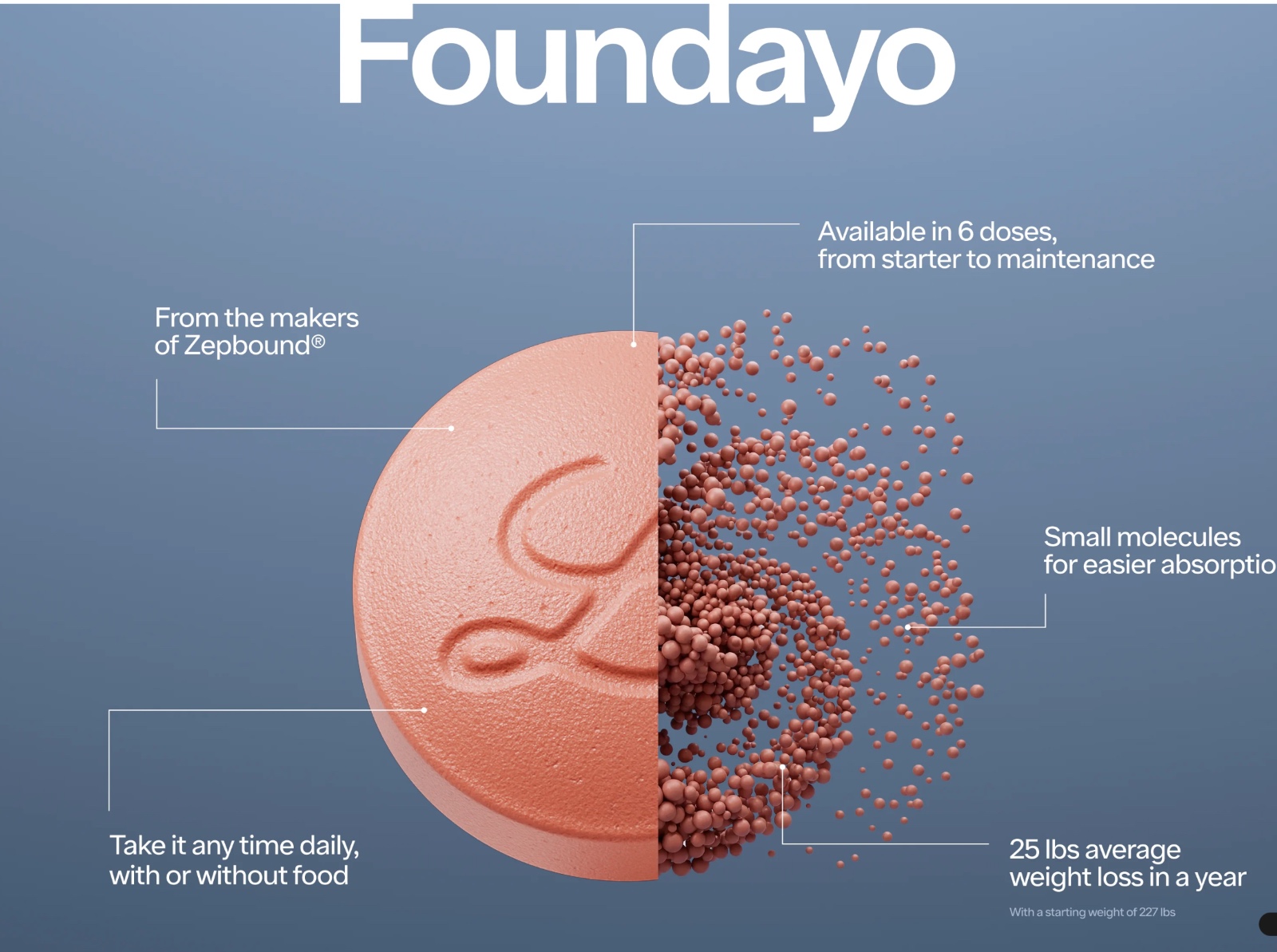

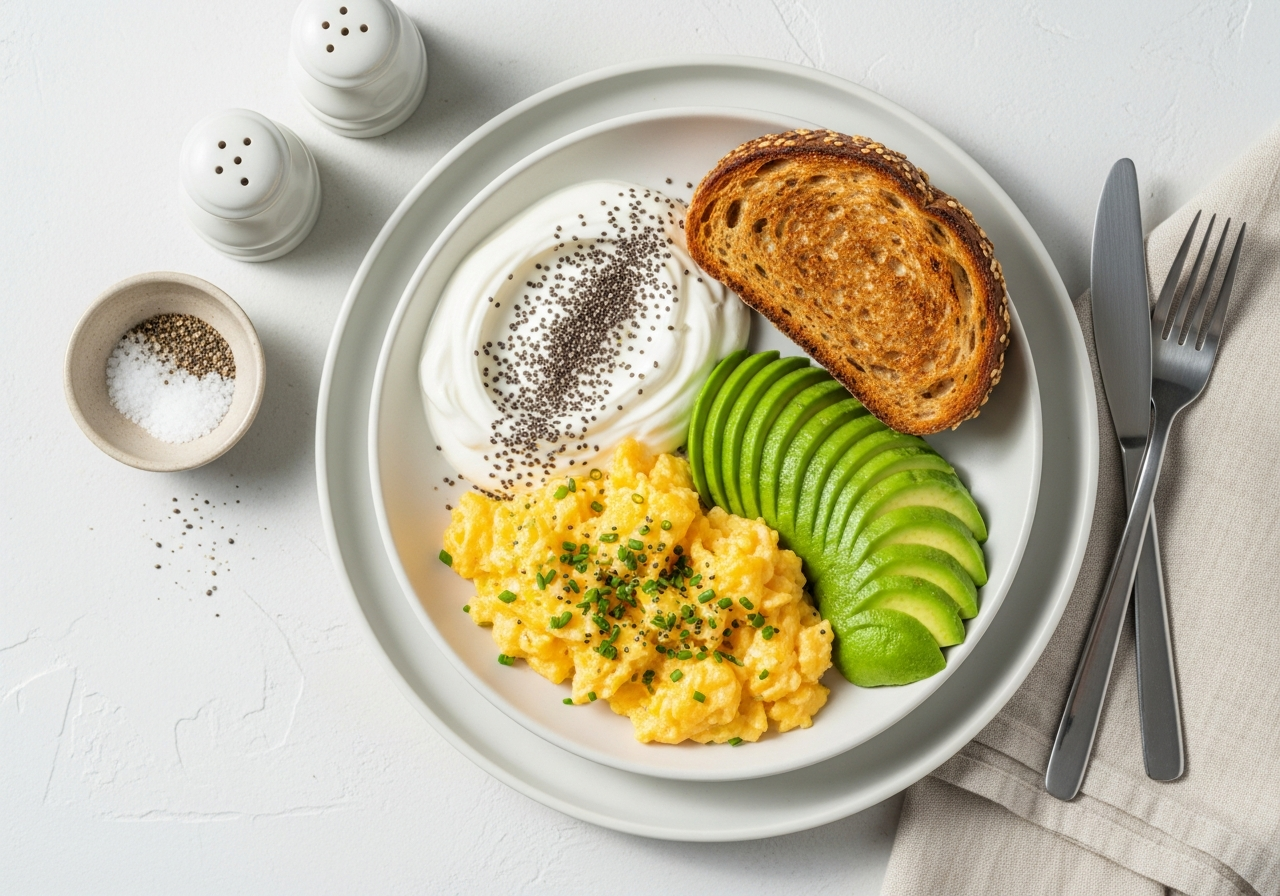
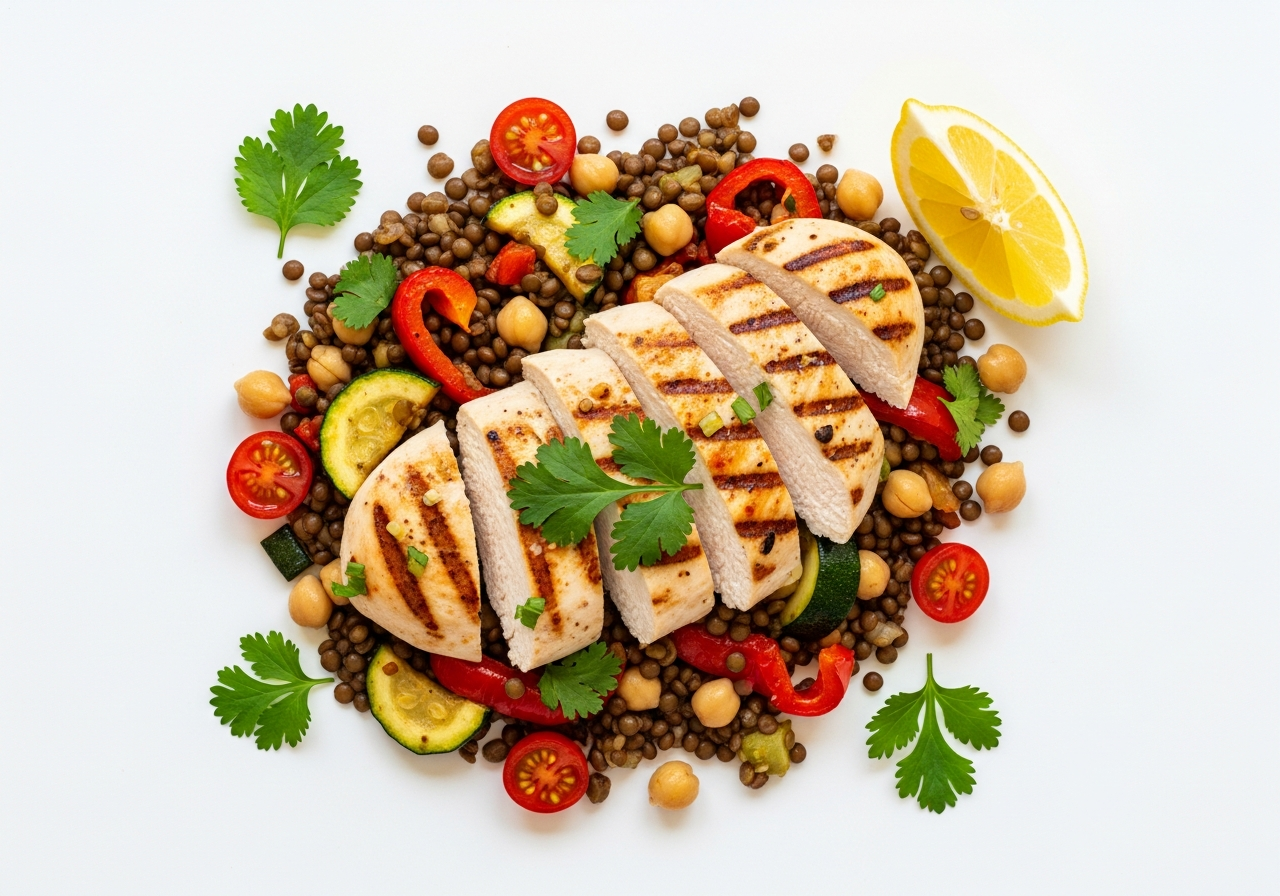
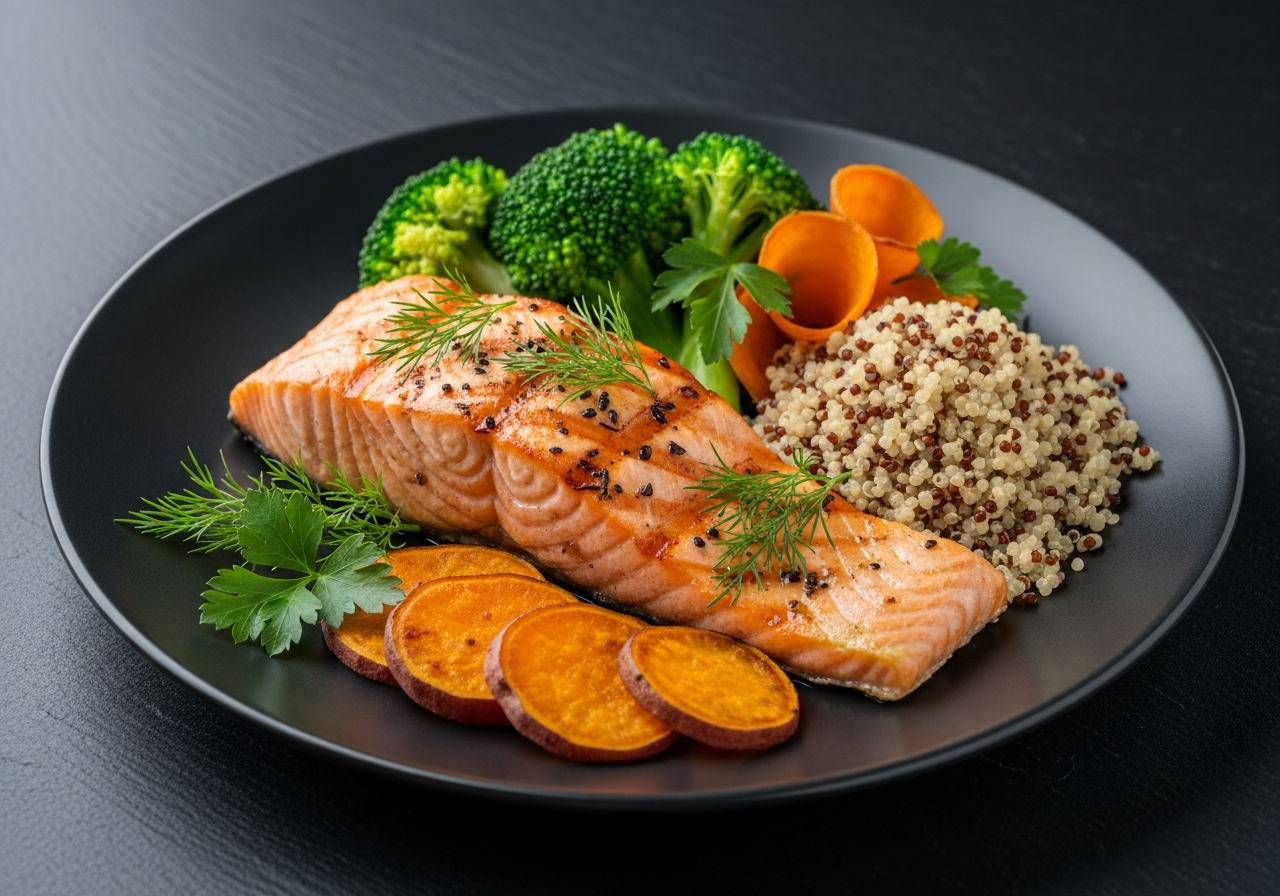

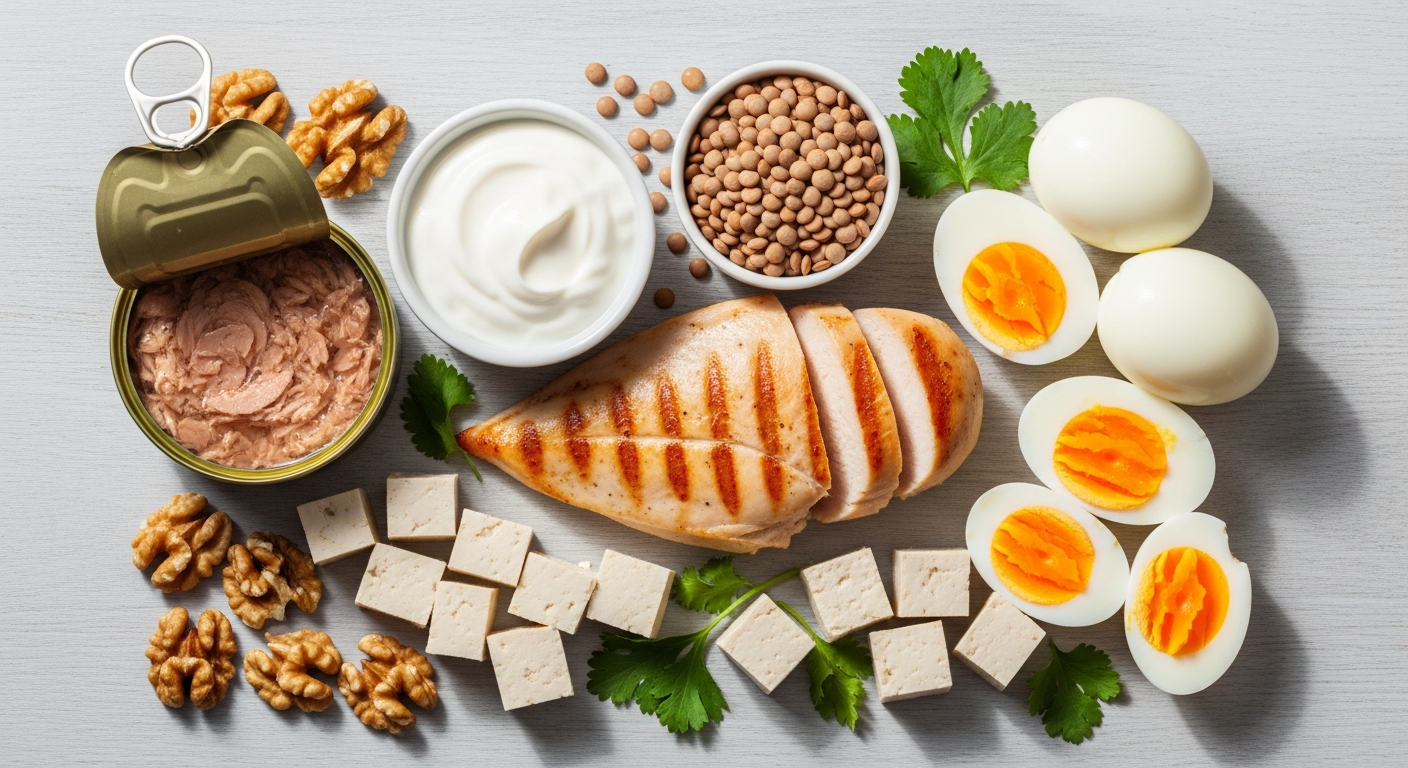
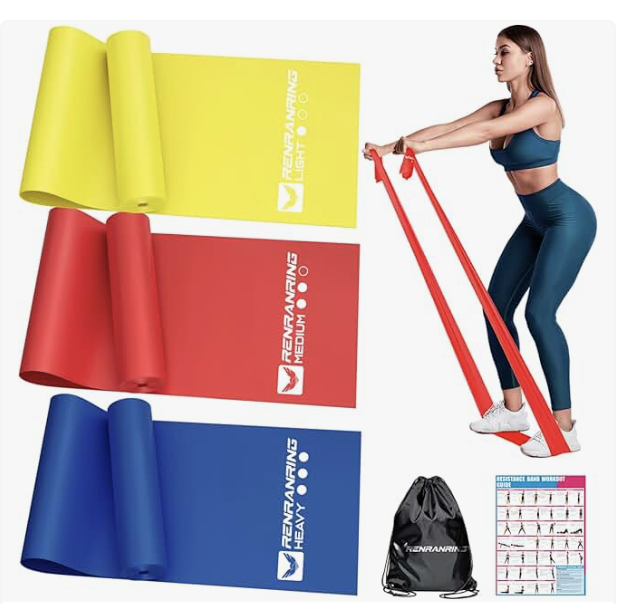

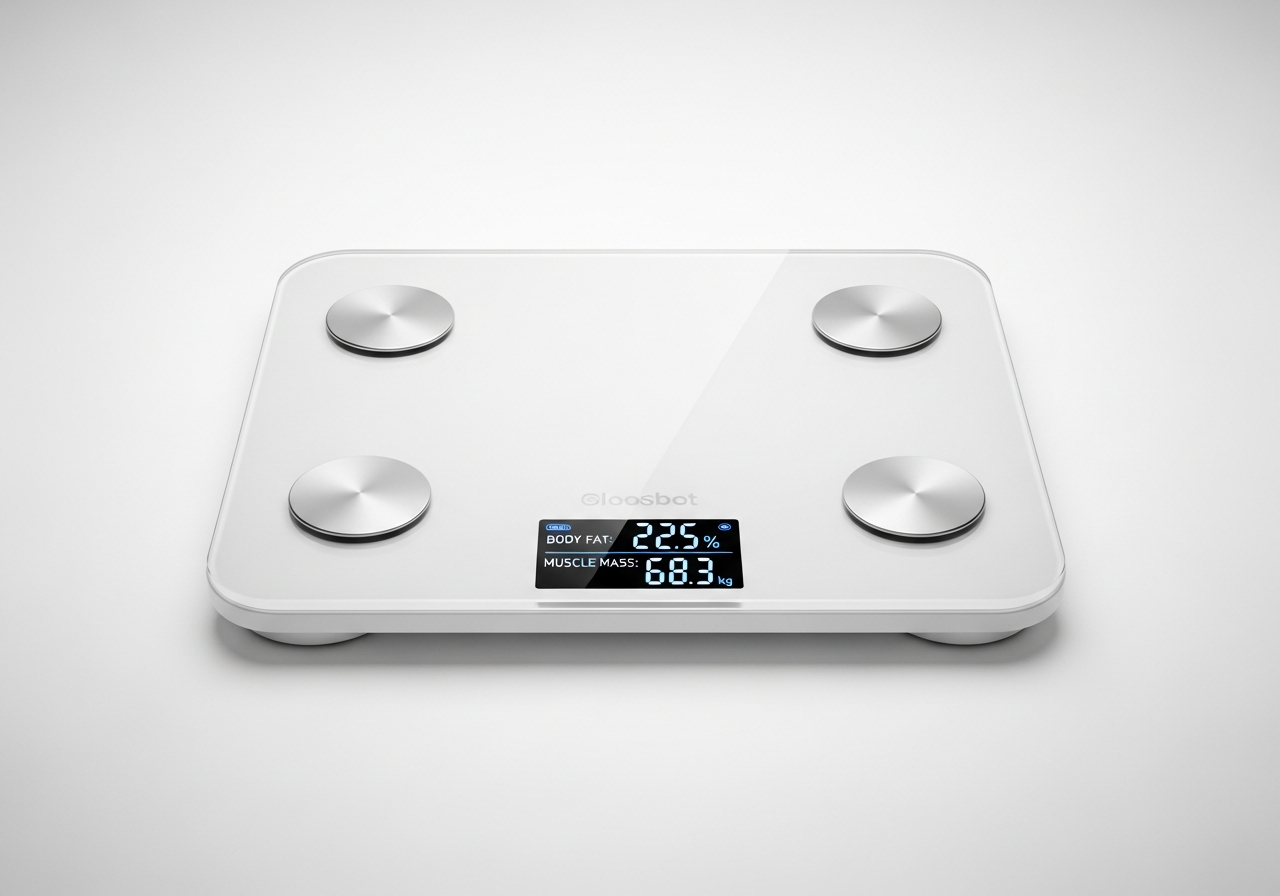


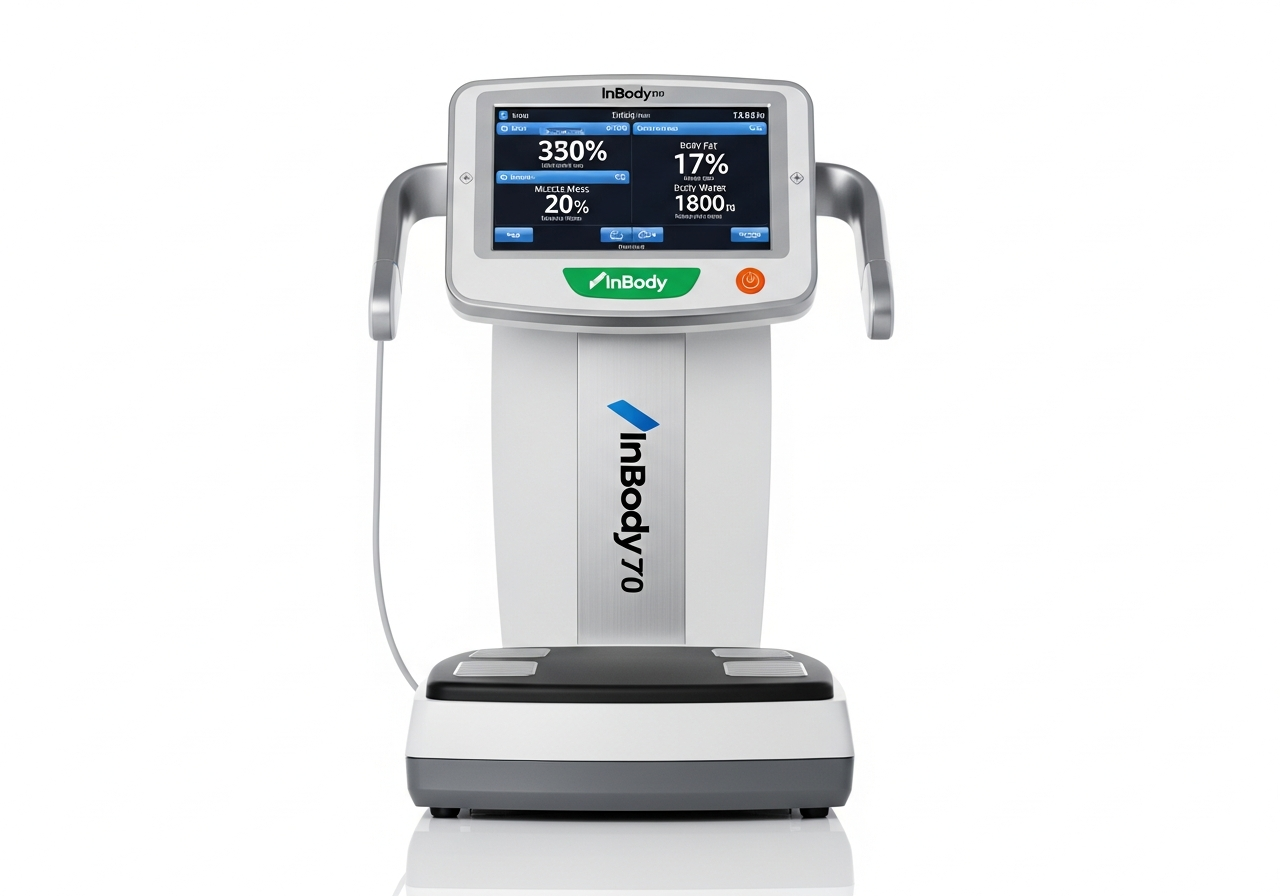


 Ontario Structured Psychotherapy (OSP)